

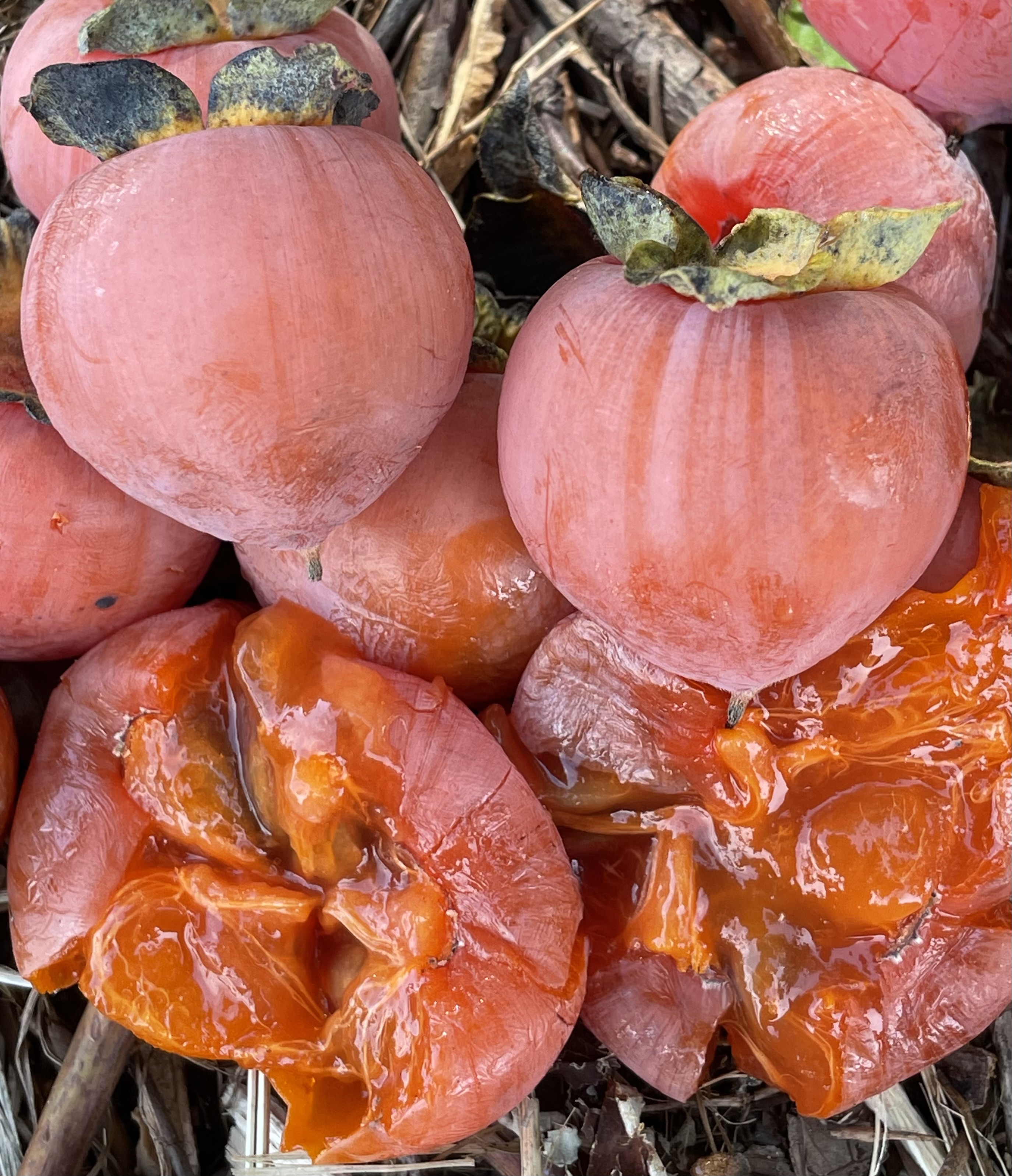
Not much is known about the American persimmon in its northern reaches. The term northern has both a subjective and objective value to it. Objective is based on the chromosome count for the northern ‘race’ and degree hours above 50 F. Subjective depends on the Indian summer weather, how cloudy it is and the genetic roulette of individual trees. How wide the brown band is on the wooly bear caterpillar may be an indicator too. There are no commercial orchards to test the varieties or seed strains in any northern area like Michigan. It is the astringent tannins that hide the potential food value. It is the heat of the growing season that changes the astringency and chemistry of the fruit which then breaks down those tannins. A few frosts help it along by ripening the fruit fully before it drops or shrivels on the tree and is ready to eat. One moment your mouth is awry with much torment and the next is pure sweet bliss. This is the challenge. It is not tree hardiness.
Despite the 50-50 mix of male or female trees, I grew a lot of persimmons all from seed. For the nursery industry hung up on female cultivars and seedless varieties, that might be considered blasphemy. Yet my experience with the northern grafted cultivar trees was that they were not northern enough. I’m not saying they don’t exist. I just could not find them at the time. The trees were hardy but the season in southwestern Michigan was too short for these short season cultivars. The trees grew fine, but the fruit was inedible. That full ripening period is directly related to warm fall weather and a long enough growing season to fulfill the promise of one of nature’s most delicious fruits high in sugar. Keep in mind I live in a region where Concord grapes are grown commercially and every now and then they don’t make the sugar levels needed for grape juice. The question then becomes how far north can you go on this highway and what sort of carnage are we seeing along the road to persimmon utopia? I had to find out so I went to the seed to start over. It is the only way.
When you look at a range map of an indigenous North American plant like the American persimmon you will notice a smooth line of demarcation on the map. Persimmon country is southern Indiana not southern Michigan. I began to wonder if satellite populations exist or if not, could they be created by using northern seed strains in bulk. I used varieties like Morris Burton, John Rick, Early Golden, Killen and Pipher. Each of these selections produced very nice seedlings which I overplanted as a single row surrounding my farm. Before they had fruited, I was producing the trees by the thousands for the retail and wholesale trade to some degree. Those seed sources were the most northern I could find. I also got encouragement from a local forester who told me of several persimmon trees he found that appeared in places not thought of as human introductions. Then there was the giant persimmon tree on the campus of K-College labeled black gum. It all added to my mini-repository of persimmon ideas.
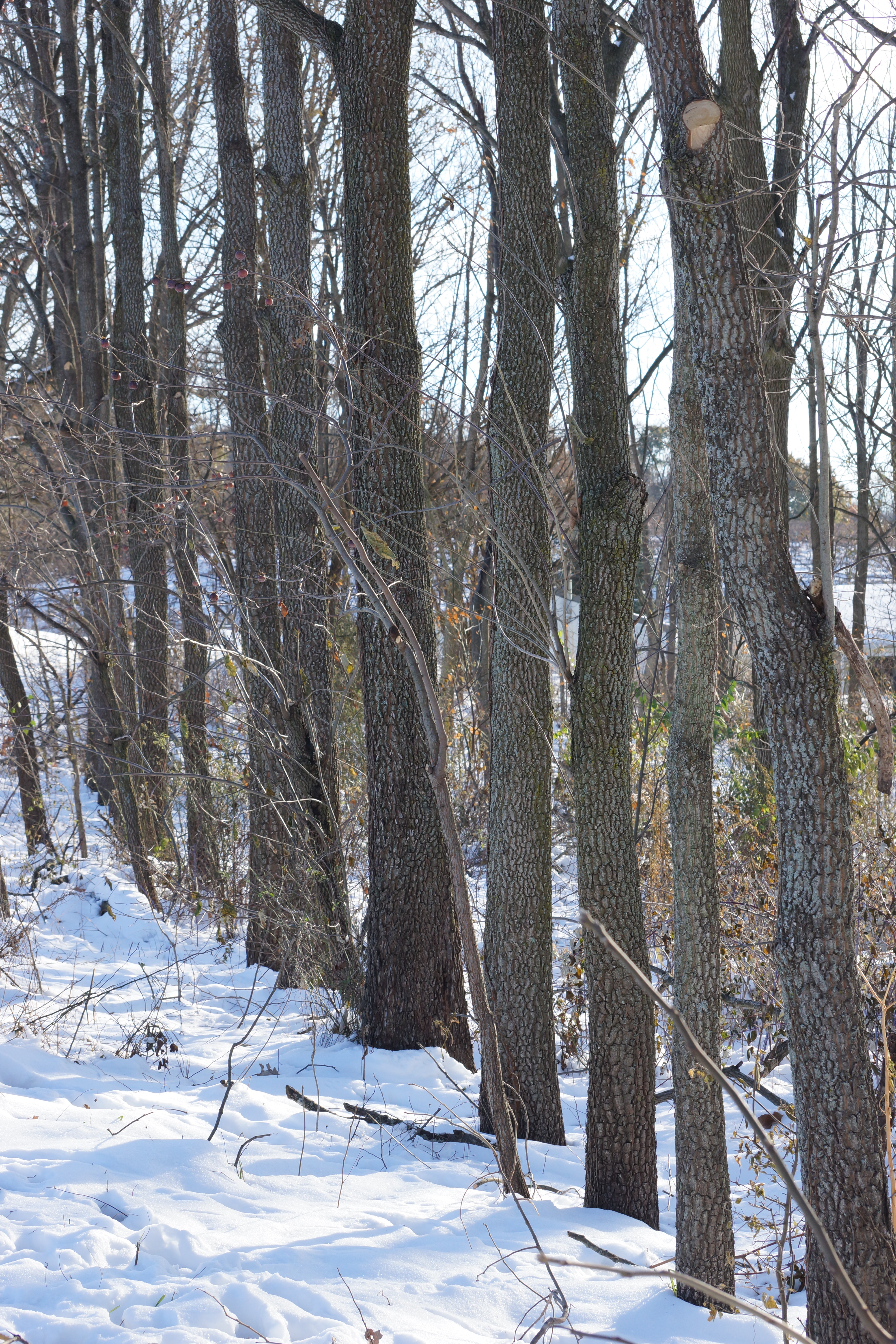
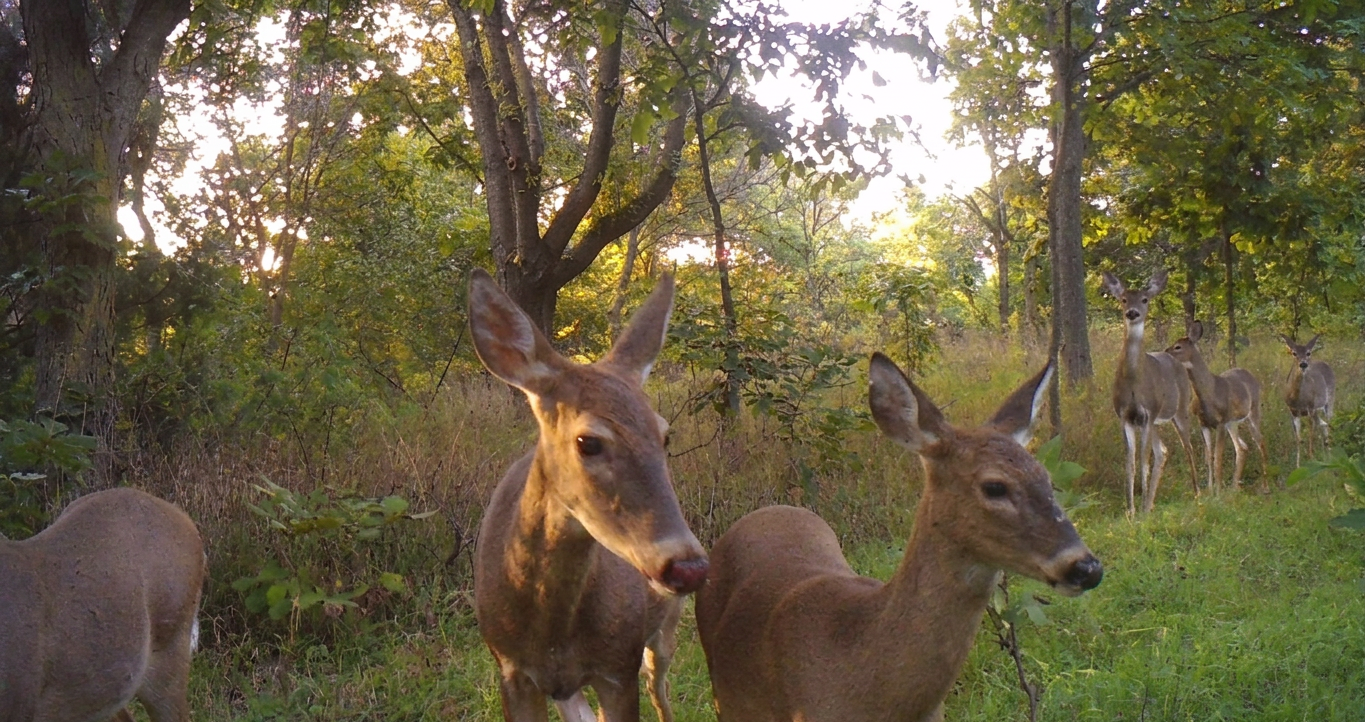
The dense overplanting was done to get an idea of vigor, tree health and yields. The goal was to create a seed strain not a varietal orchard. I created a living fence between my neighbors and my farm. I planted them four feet within my property line. Over the years the trees were neighborly damaged by horses, herbicide, accidental grass burning and an overzealous fruit farmer who went at the limbs with a chain saw. Most of my property was then fenced in to try to prevent negligence by my neighbors. By and large the 1800 feet of line made it through the first decade with trees maturing in as little as seven years from seed. Initially I used sawdust and grape pulp from Welch’s juice processing to surround my trees. With my pickup truck and scoop shovel in hand, I mulched around every tree. The spacing runs between 5-10 feet apart. Today some blank spots exist which I am filling in with honeylocust trees. Very few animals browsed the seedlings out in my open fields. I was told the foliage was poisonous. As the plantings began fruiting, they also drew in people, most of which appreciated the wild nature of persimmon. A few people stole the fruit. They assumed I wouldn’t notice. I used the fruit for seed production in the nursery and the fruits for tours of the farm. I gave the fruits to some who wanted to experiment with it for wine, pastries and syrups. With the advent of wildlife cameras I noticed there was a huge volume of white-tailed deer coming in from the surrounding areas. They created a highway direct to my farm. This added further benefits.
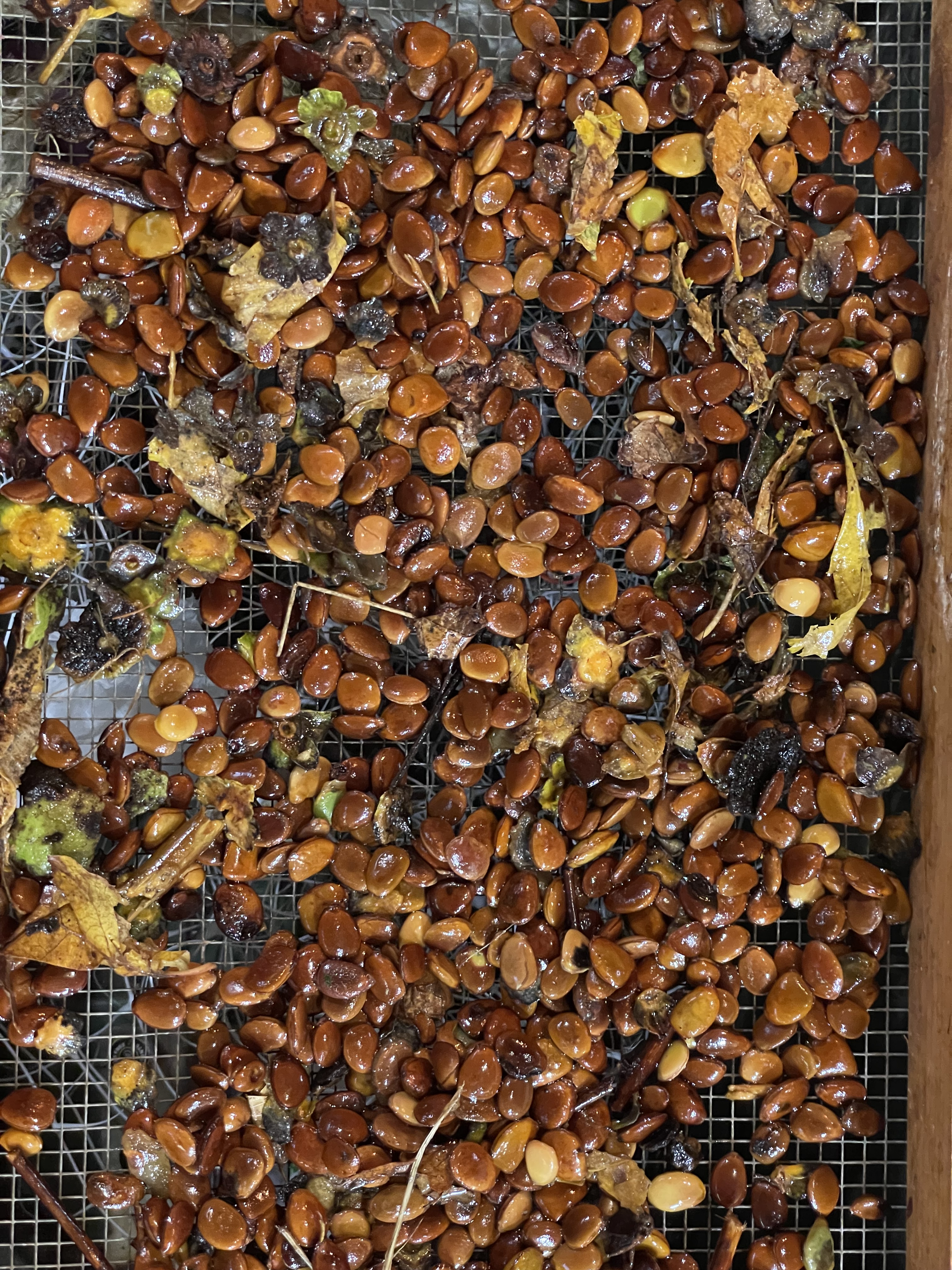
The seed was the most valuable. To make the seed available to a wider audience, I had perfected the art of cleaning the seed to prevent fermentation and mold. I purchased a Dybvig seed cleaner. This required an almost full-time operator on some days when we were harvesting. Apparently, some of the seed markets were created using fruit that was lying on the ground too long or dumped into tubs where sugar plus natural yeast on the skin equals alcohol. Alcohol equals dead embryos. This gave a germination rate of 10 percent. To top it off the subjective term Northern was not that northern in the seed department as well. This created a need for high quality northern seed.
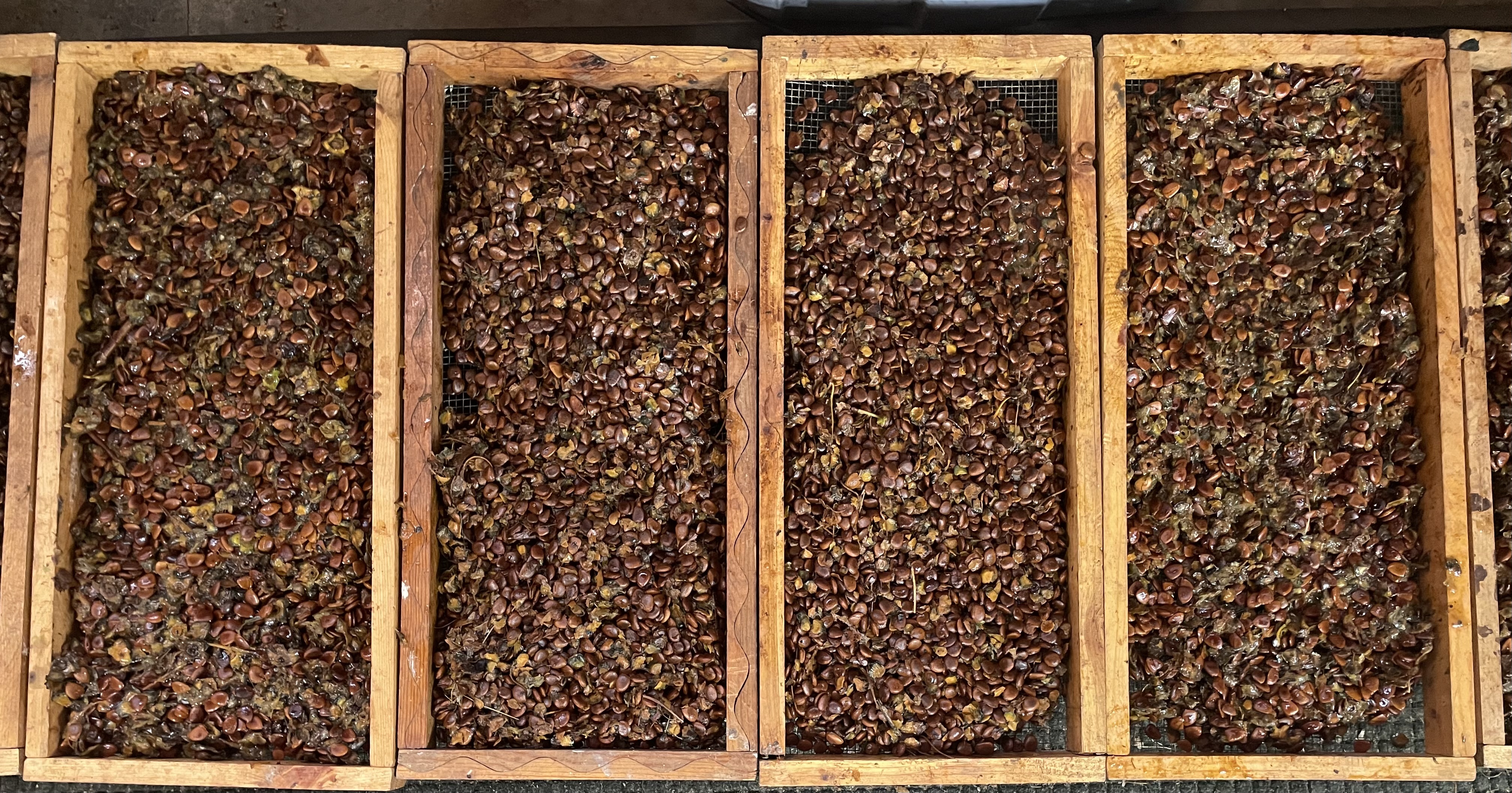
Like it or not my specific seed strains fall into the camp of valuable things from nature but not as valuable as you might think category. Currently one southern wholesale price has them selling at $17.00 a pound. This is roughly what I was paying back in the mid-80’s. Like seeds of many wild crops, the overall national seed pricing for some species is naturally low. We used to scrape the persimmon seed and pulp mixture on hardware cloth and run it through a modified hand cranked food processor like the kind people use for tomato sauce. At that rate, minimum wage was not achieved. I decided not to sell the seeds during that time. After spending several thousand dollars on a real seed processor, minimum wage was still not achieved, never mind the cost of maintaining the trees and the land they sit on. A cost-of-living adjustment shows a 85 percent decrease since 1986.
The benefit of any horticultural crop whether it’s wheat or persimmons is the value it brings to the environment and the farmer who raises the crop. For the American persimmon it is how far north you can go outside of its range and a way to measure that on a larger scale so others don’t have to go through financial and ecological hoops to make it happen. With a proper plant steward, the American persimmon leaves us with a sweet taste in our mouth. We know this taste. It is the flavor of success after all.
Enjoy. Kenneth Asmus
Enjoy. Kenneth Asmus
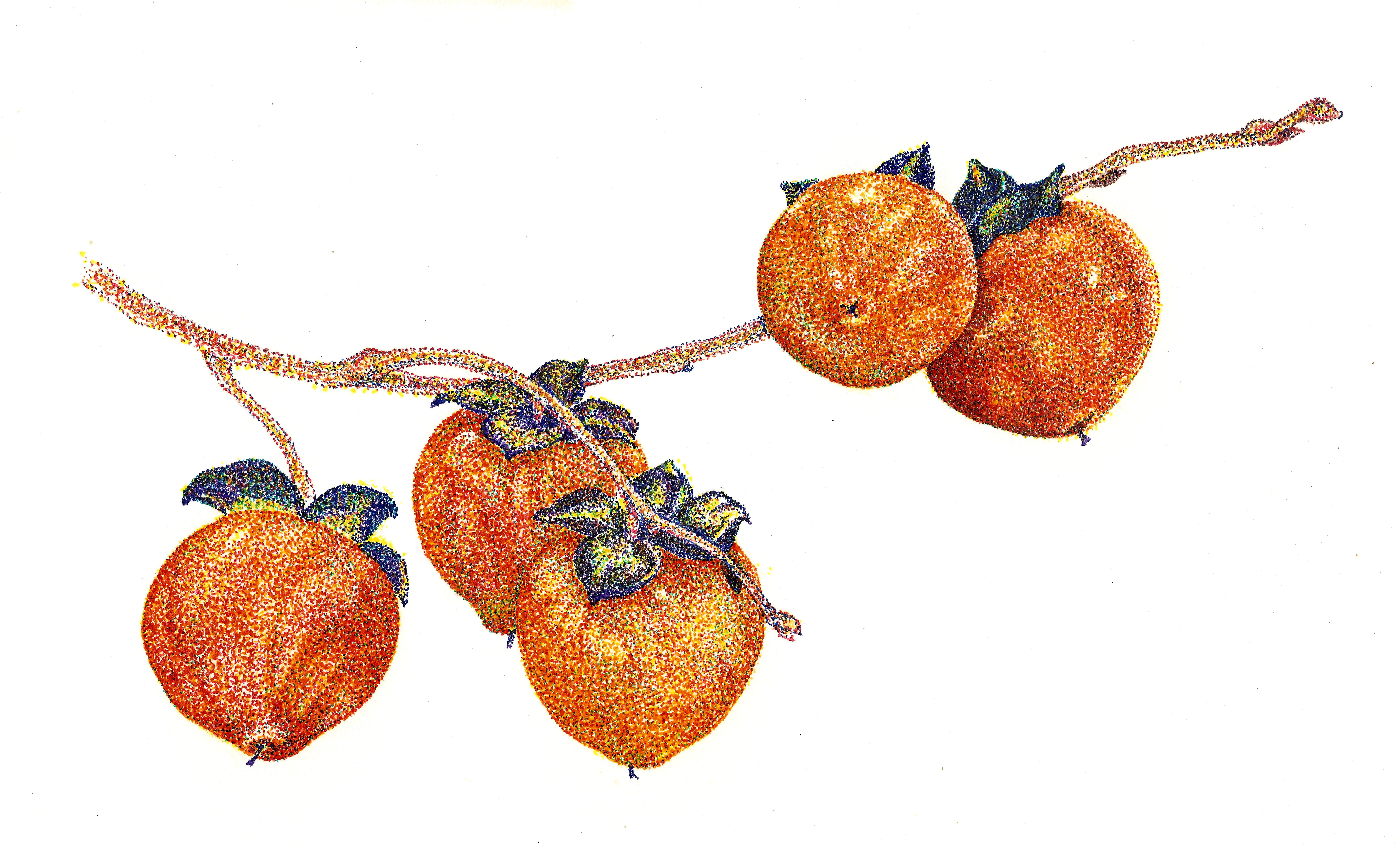
In the farmerless fields, the American persimmon represents both wood and fruit easily reproducible from seed and grafting.


I sometimes see persimmons at my local farmers market. I should pick one next time and give it a try! Lovely photos!
Ripe American persimmons look a little like dates and are soft to the touch. The lowest astringency and highest sweetness is found in fruit that drop on their own from the tree.