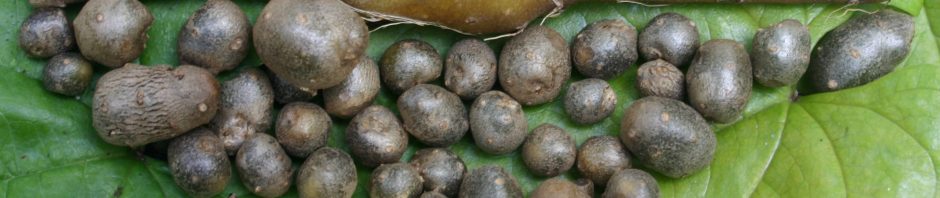
I am big fan of the yams. Who isn’t? Truly one of the most important genus of food plants ever in the history of humans. In terms of nutrition and the ability to grow in huge climatic ranges all over the world, I found it odd there were zero yams being produced in my home state of Michigan. A few sweet potatoes are grown here and there but nothing else. I began experimenting with growing every species I could find from seeds including the high steroidal types that are poisonous. I even tried growing sweet potatoes from seed. The seeds available online were blanks unfortunately with no embryo.
The problem was following the often-conflicting information on the yams and just how to handle these fringe species that are rarely cultivated for food production. The native species are also steroidal. What really spurred me on was someone stole a tropical selection I was growing right off the trellis at my farm. They must be hot and desirable if people are stealing them. Such is the case for the Chinese yam. The difference is the Chinese yam is well known and is in most international food stores and beyond. It is just rarely cultivated to any degree in the United States. Like a lot of food, it’s an import. Yet it is also a persistent weed in some places in the United States. At one point, it was grown as an ornamental vine with the floral fragrance of cinnamon. This lent itself to home use and put on a trellis. Eventually that market went to the tropical annual yams in the bedding plant industry. Today you see them in pots all across the United States. They do not produce bulbils or edible roots. There are new patented sweet potatoes for pots available and they combine the ornamental and edible. I tried that too.
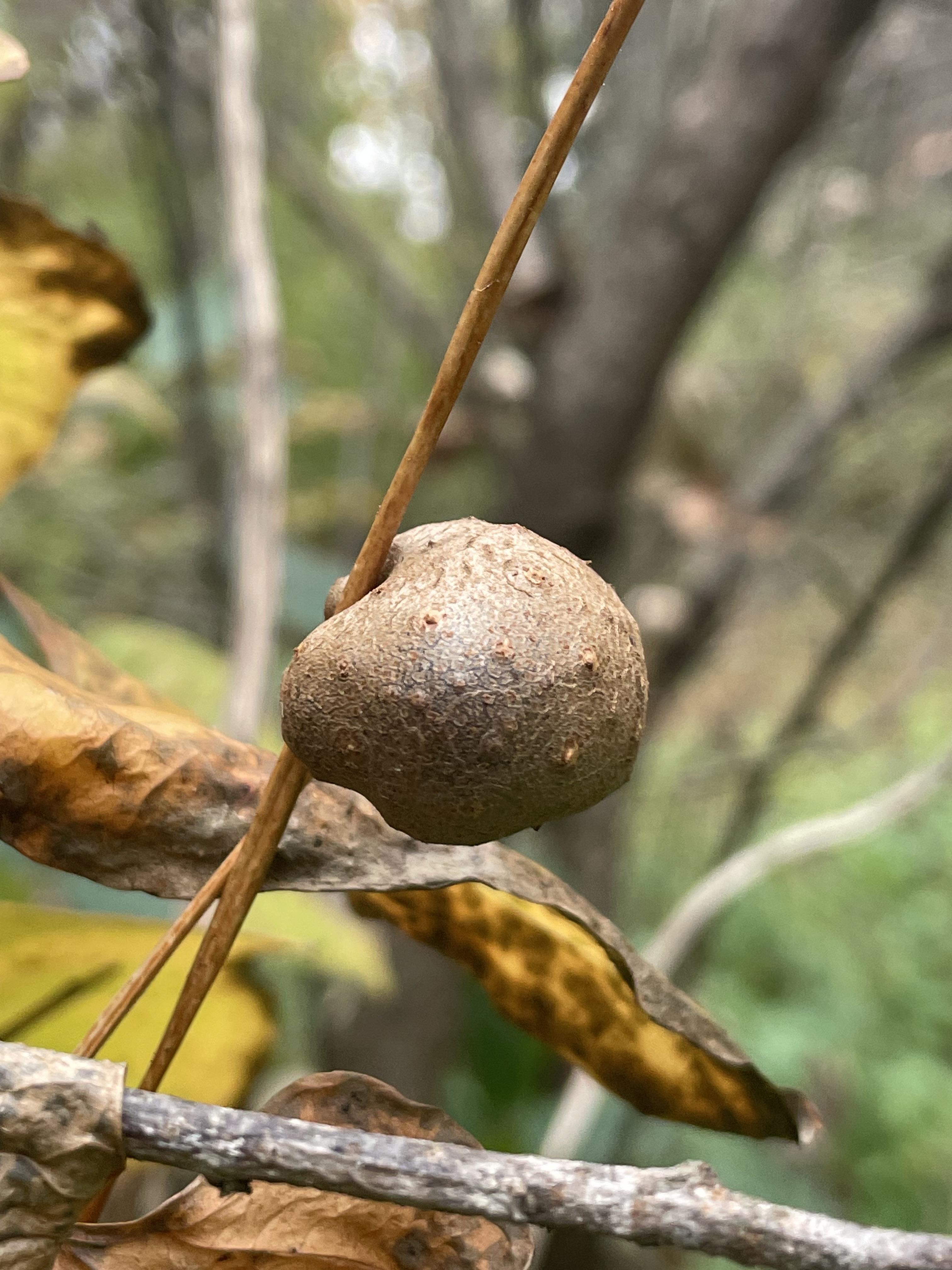
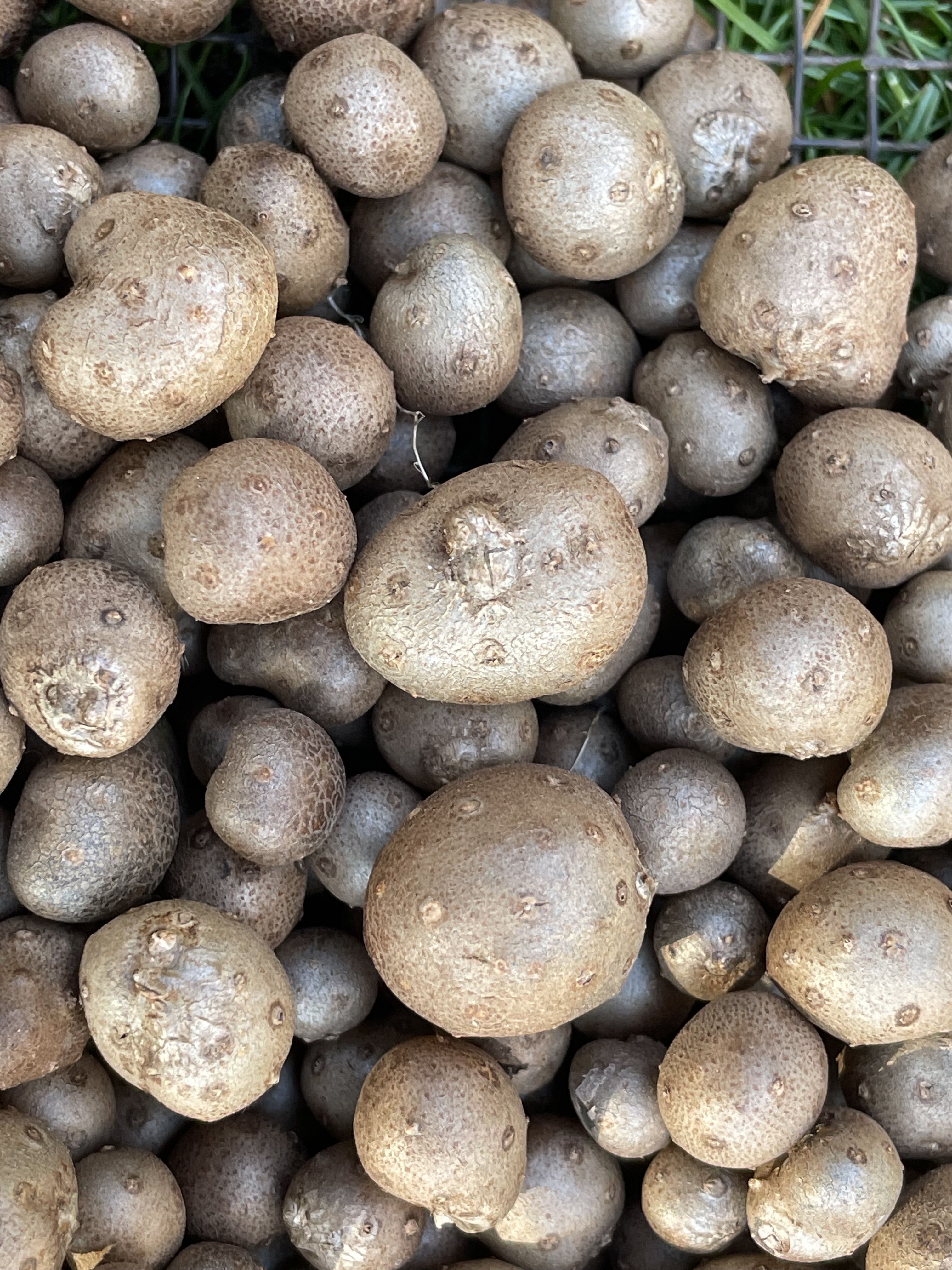
The Chinese Mountain Yam, Dioscorea batatas, is a plant come true for perennial vegetables. The issue becomes how to best grow this plant in a way that makes it possible to use in a simple way and make it desirable and not a weed in people’s mind. Such is the case for the aerial tubers. They are called bulbils and are similar to tiger lilies which drop from the parent plant in the fall. It is not usually considered much of a crop and like the hog peanut it is an afterthought or side crop of the much larger tuber underground. What enticed me about the bulbils was both the sizes and yields and if there was any difference between all the different selections found today. It was hard to tell for a while and growing them on a trellis next to each other was a great way to experience the slight variations. They are super handy and easy to harvest. The little bulbils store in refrigeration or just in a bowl on your countertop. They do not degrade easily at room temperature and are super clean because they grow in air! They are easy to use. Just a little steaming and they are ready to eat. You don’t peel them. Butter and salt and you are ready to go. For a while, a selection given to me by Edible Forests author Eric Toensmeier was a nice one for its large size. Other selections I had from California and Pennsylvania showed slight variations in size and yields. Finally last year as a sort of live and let grow philosophy I developed for the genus, one selection set a record yield of over two pounds on one vine. It was being supported in an American plum hedgerow. A funny thing, the cinnamon vine is thought to be damaging to native plants. This is a good combination. Native plus exotic works.
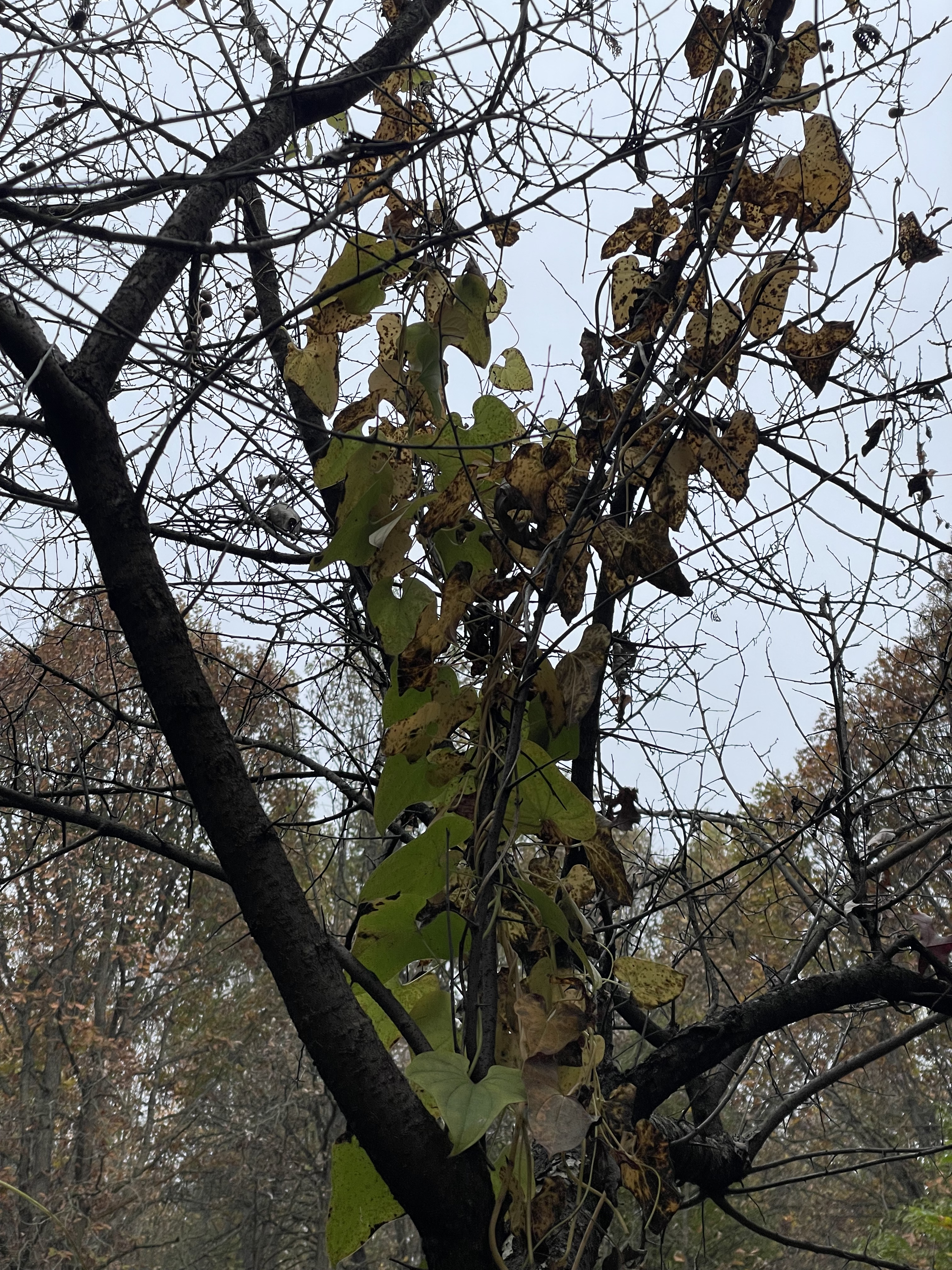
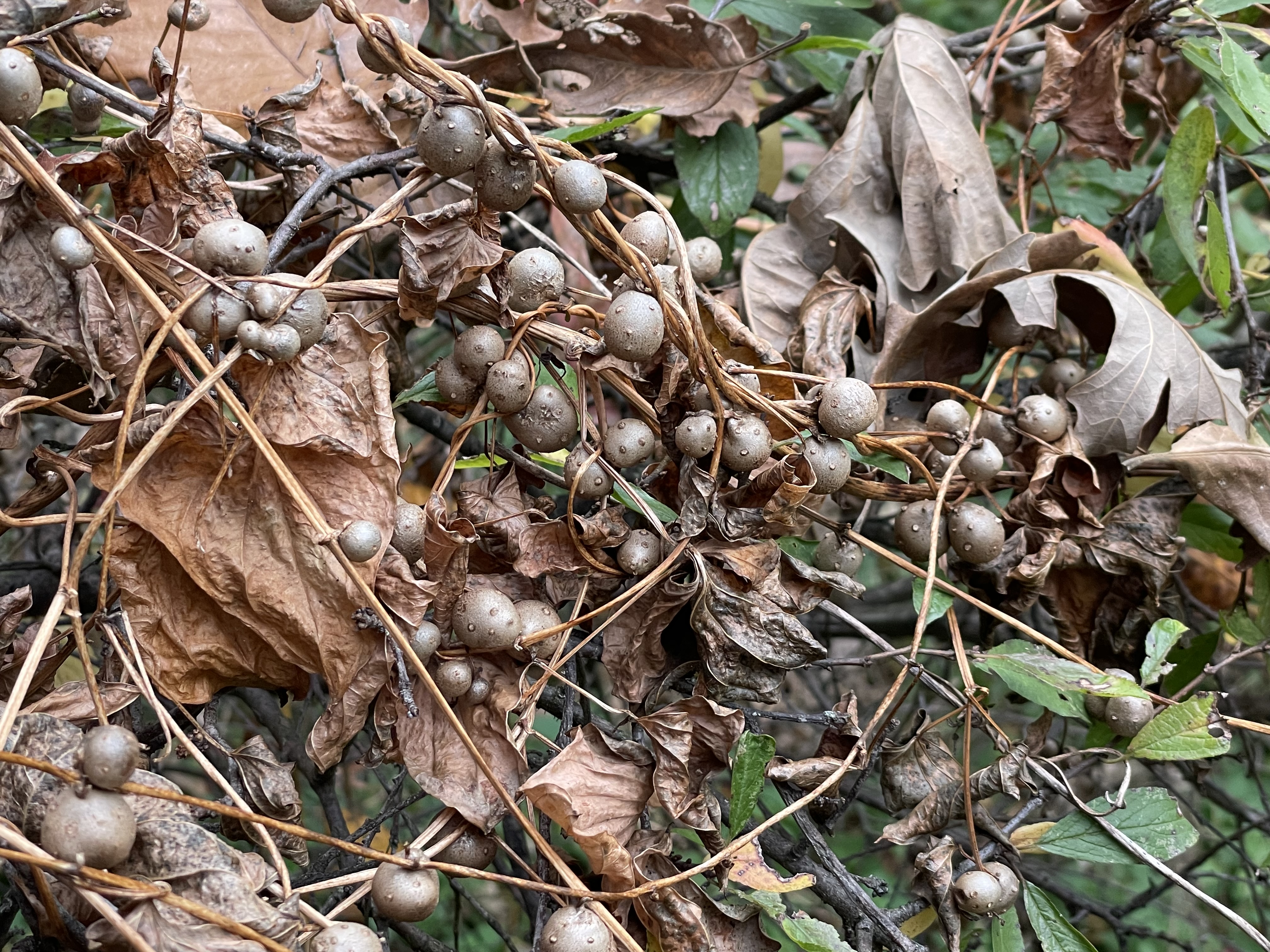
The difference of this selection was both the solid clustering of the tubers all along the vine and the vine’s relatively smaller size.The yields appear to slow the actual height of the vine and the amount of actual vegetation. The bulbils are round and they too are more uniform and slightly smaller in size compared to others. It was clearly visible when I walked by this area a few times. After the leaves fell, what caught my attention were the bulbils suspended in mid-air after the foliage dropped this fall. That was why the name AerialTuberosa is appropiate.
It is a tuber and yes, it flies. Or should I say, falls gracefully.
Enjoy. Ken Asmus


You must be logged in to post a comment.