For many years I resisted selling seeds of my plants at my farm. People kept asking over and over when I was going to sell seeds not just plants. I did do the seed exchange thing but did not sell them. The seed thing would open up new markets they would say. The seeds will increase biodiversity and are simple to do. You could grow annuals too they said many times. Ken do it they said over and over. If you want a revolution, sell seeds. You will be rich in plants beyond your wildest dreams they said. There is a benefit of sending seeds to spread biodiversity. This is all true but it was way more complex and time consuming that one realizes until you are knee deep in seeds. Then its too late. You are commited and must follow it through. Seeds are delicate creatures easily damaged if not handled properly too. You can’t jam them in a packet and say well done. After I finally caved and began packaging seeds, regulatory agencies around the world molded by environmental views wanted the opposite. It was a weird world of laws, phytosanitary requirements and pseuodscientific information fed into the governments of the world led by industry and individuals representing the ban the plant movements of various forms. Apparently many wanted strict laws to stop the exchange of seeds too. Even with my incredibly dinky operation I too became a target. It was the dinkiness that made me a prime candidate as I found out later. I was easy to nail. Aim low and shoot high, they missed. I am not a complainer and kept the seed packets going despite the low profit margin. I quit the international seed exchange and did no more sales. I liked printing the packets and having racks of seeds in paper packets with the Oikos Tree Crops logo on it. Along with the tuber crops, it looked cool and it did increase the use of these underused crop plants in many ways. Eventually the obstacles were overcome and the seeds were spread all within the confines of the laws and regulations of the world. I remember no religious literature, gold coins, pornography and human remains from the post office literature. Everything is a threat today even the innocent seed. Everything needs control evidently. In the meantime, several crops were found to be of greater value than I realized at the time. It was joy to find them growing so well at my farm in a way that others became stewards as well.
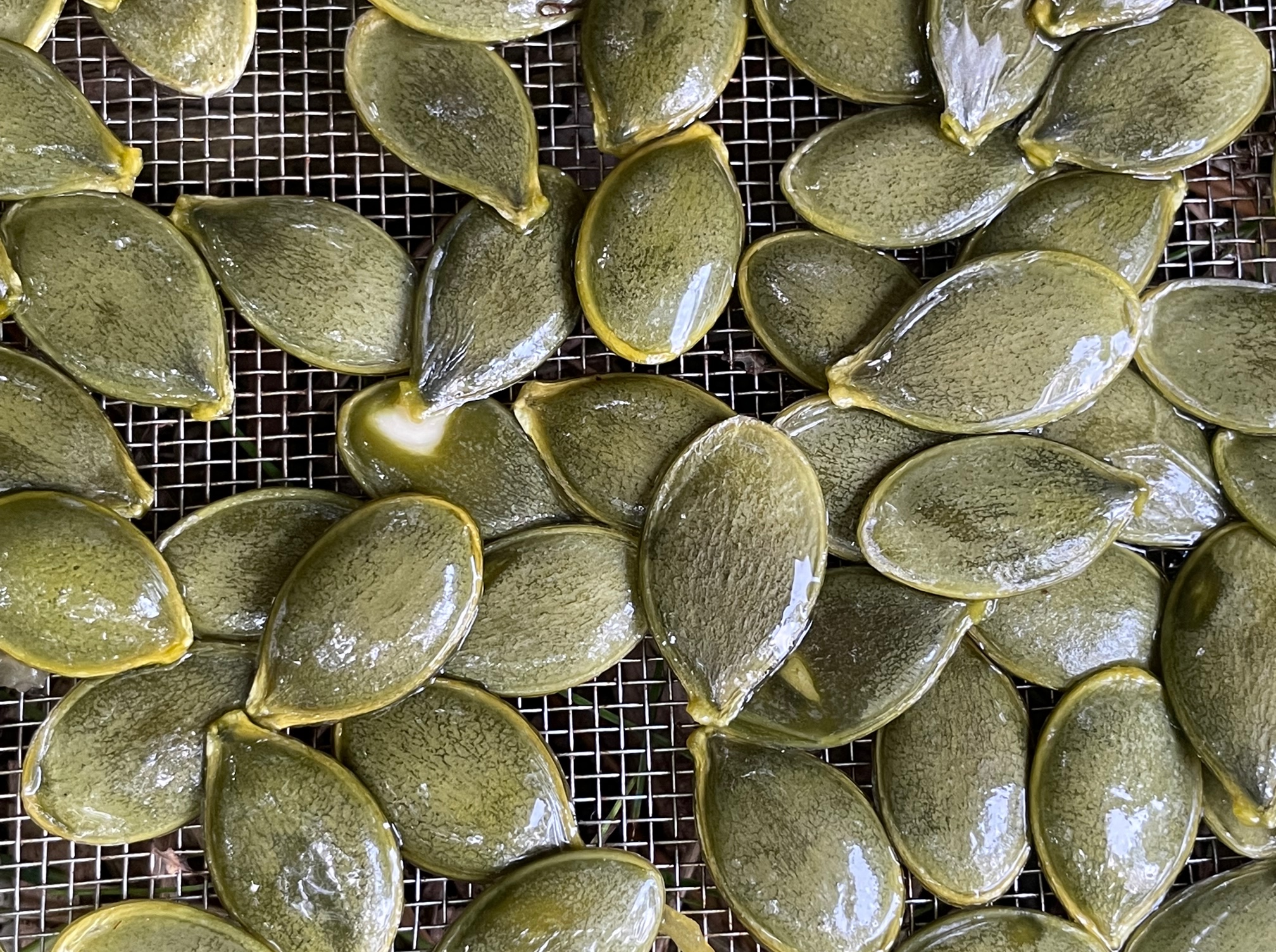
The Naked Pumpkin Seed from Austria
The Styrian pumpkin was well known before I grew it. One of my customers sent me seeds of it thinking I might be interested in growing it for its health benefits. I had heard about it a few times but thought it was difficult to grow. It was not offered in the U.S. to any degree at the time. There were other naked seed pumpkins on the market but this one was used specifically for cooking which was processed as a flavoring oil from Austria. It had been passed down as an heirloom. It was a self selected species pumpkin that if grown alone, the seeds did not have shells like a normal pumpkin. The fruit itself had no flavor and was not used. The plant was easy to grow at my farm and was free of squash vine borers. Each plant produced one or two medium sized fruits. The naked seeds are easy to extract. The Styrian seeds make you want to consider buying a small hand oil press. The flavor is wonderful and way better than any pumpkin seed I have purchased in the store roasted or raw. Each pumpkin produced a cup or two of seeds. The seeds need to dry down to be stable to package and require several washings to prevent mold. It makes you appreciate the importance of a seed casing to keep the seed fresh and alive.
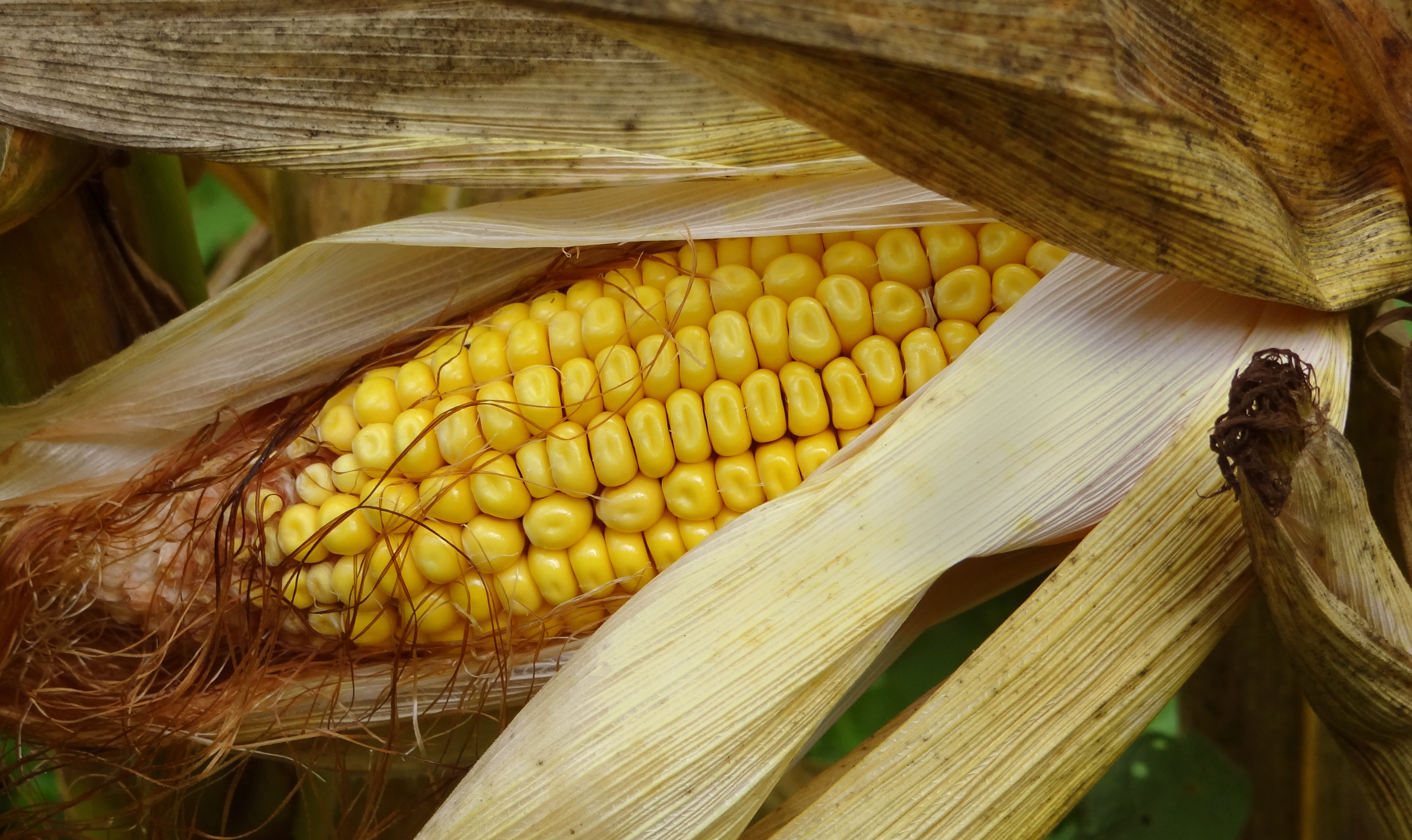
The Short Season Field Corn from Canada
It was by accident I found out about this super short season corn for the coldest of climates by a Canadian researcher. Apparently corn was cultivated in the far northern regions but was lost over time. A researcher found one strain and was using it for breeding but the project was abandoned. When I received it, the corn needed additional growing to fully make selections from it. At first the ears were only three inches long with a couple rows of kernals. Eventually over a decade, I selected it for the 60 day ripening period with larger and fuller ears. I named it Alberta Clipper. It made delicious corn meal. The plants were dwarf growing only 3-4 ft. tall with a ripening in the area of 60-70 days when the corn is dried down enough to harvest. Even planting it on July 1st once worked. It wasn’t quite as robust but the ears fully matured. This was a valuable find for me. I thought it could be used in conjunction with other woody crop plants to make the land more profitable rather than leaving it blank. Alberta Clipper required little resources and time to produce. Once released a few other people began preserving it and further refining its identity. The idea of this incredibly short season 60 day corn was to allow additional crops to be grown in the same field in the same year in the same place too. But I don’t think this was put into practice much if at all. Alberta Clipper has low yields compared to other field corn. I would say 25-50 percent range of ‘normal’ corn. Before I quit producing it, I tried other 60-ish day corns from the southwestern U.S. That is a different world in terms of ripening and in the north the days to maturity is off by at least 10 to 15 days.

The Productive Jerusalem Artichoke From Seed Found Throughout Michigan and Elsewhere
Normally the sunchoke doesn’t produce seeds. It is almost always produced by tubers. It was by accident I found that having a great diversity of sunchokes in one area created a lot of fertile flower heads. Fertility increased dramatically. Each year was slightly different in terms of full seed heads with few blanks. The varieties Clearwater and Shiawassee were two selections that kicked out a lot of fertile seeds. When you whittle down a bushel of sunflower heads and only get an ounce or two of seed you may think why is this so low and is it worth it? This yield was actually very good compared to my previous attempts. I remember we would count them by hand and sort with tweesers. For the first time in the history of the plant, I offered seed of it in small packets. Here you could grow this marvelous tuberous plant from seeds. That took a great deal of time to make that happen and it could be replicated. There are sunflower hybrids with artichoke but in this case the species offers a chance to not only make selections of it from seedlings but a means to reproduce it in bulk via direct seeding. It would take a significant grow out and to allow cross pollenation. This is the oppostie of normal seed production which favors isolation. For me it was Clearwater and Shiawassee varieties that created this ideal and brought it to fruition.

The Green Rhubarb from the United Kingdom
I grew fond of this selection because of its low oxalic acid and perpetual nature so you could harvest late in the season. Plus my grandmother gave me a recipe for Firemans Rhubarb Pie which was a quick way to make a delicious crisp perfect for this variety. Fireman meaning it was quick to make and cook. Quick back then was 45 minutes in the oven. You could easily grow this ‘Glaskins Perpetual’ rhubarb from seed and for the most part it was very uniform. However, when I did that I did find some variation of light reds and all greens in the populations. There were a few plants that were totally green. If I were to do that again, I would attempt to select those milder all green ones and create an additional variety from it if it was that slightly different. Rhubarb from seed was a good idea and Glaskins is well known. I hear it is hardy into zone 2. The plants are a great perennial fruit and long lived at my farm before needing additional seedlings to continue the row.

The Most Flavorful Tomatoes from Russia and Germany
I received seed from an arboretum in Russia who had some amazing tomato selections done by the Russian people in their backyards over the centuries. Basically what they did was bring together all these land races and reselect and improve on the traits that made them so successful in the first place. I remember thinking ‘Sibirski’ is everything you want in a tomato and more. There were several other paste varieties and one that was an industrial hard as nails tomato for shipping too. Ironically even that tasted good! I also receieved a private breeders release of a cherry tomato from Germany that never split and was insanely vigorous growing upwards to 20 feet long while producing lots of delcious fruits far better than any cherry tomato I had ever eaten. ‘Kanaan’ was amazing.I no longer maintain those tomato seed sources but it was good while it lasted. Saying you have a good tomato is not going to ring anyones plant bells because everyone seems to have a better tomato. The choices are huge. Although I think the Russians were successful with this dynamic breeding line, I wonder if I will ever see Sibirski again outside of my farm. I don’t see it.
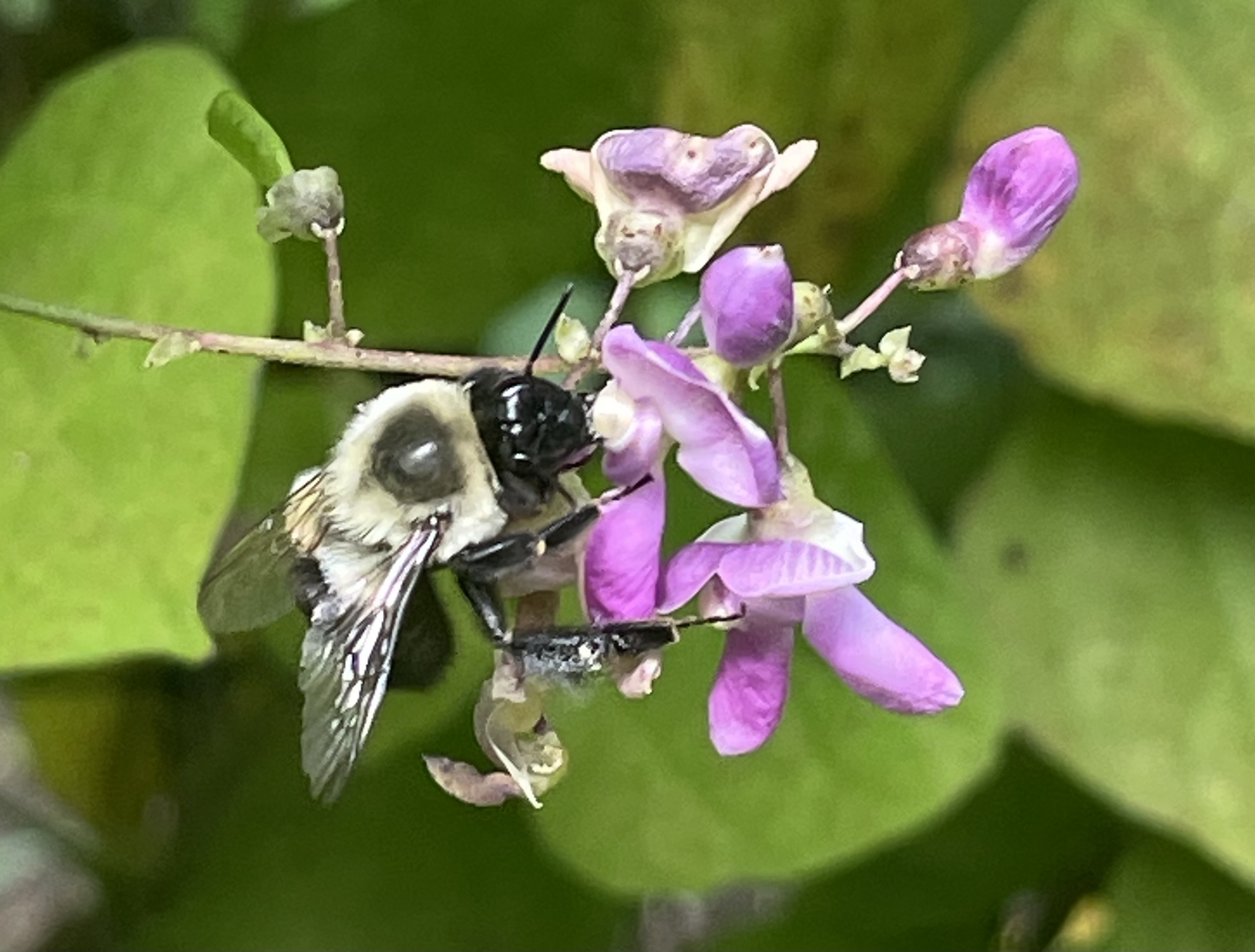
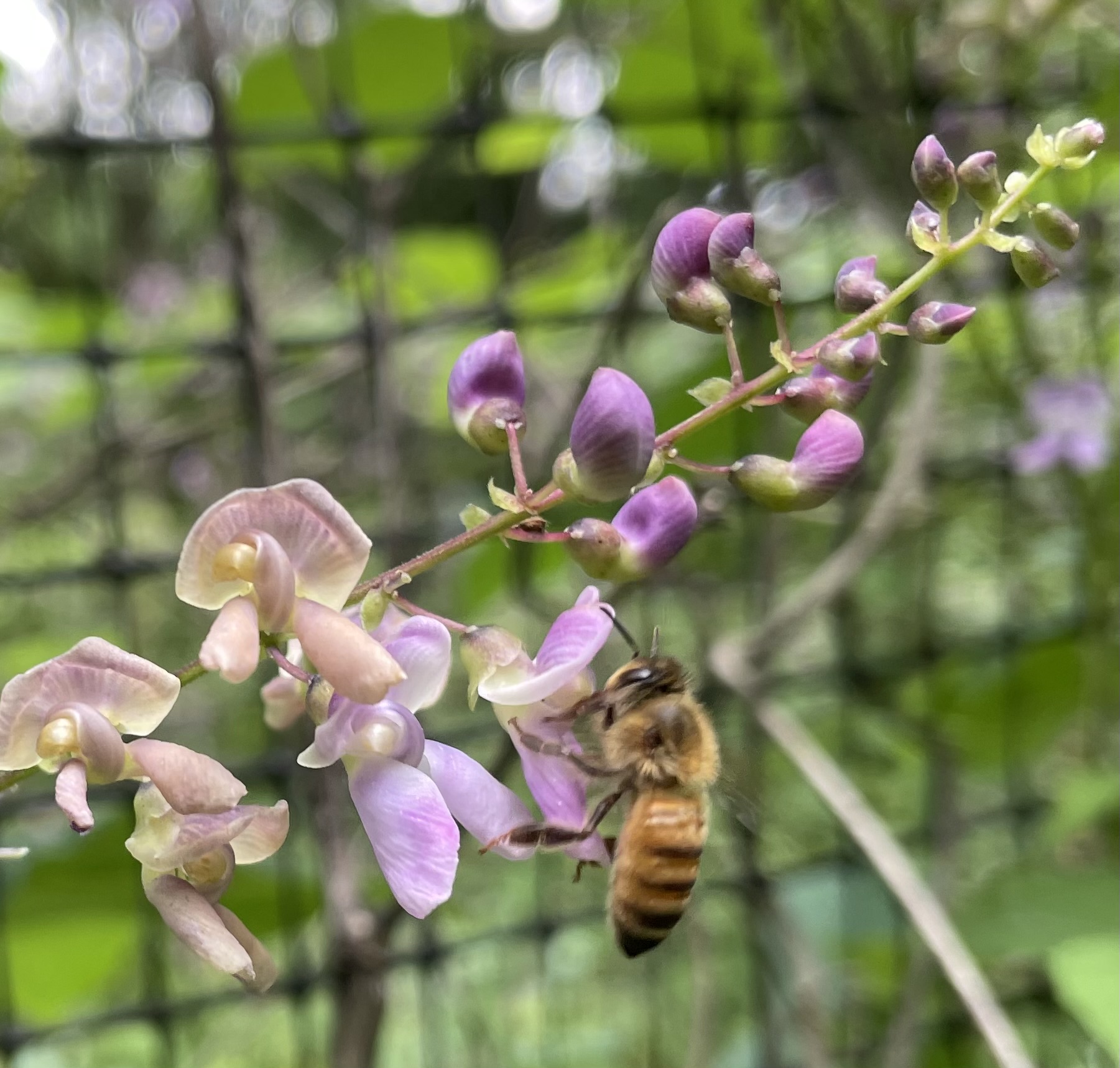
The 9000 Year Old Perennial Bean from Everywhere in the United States
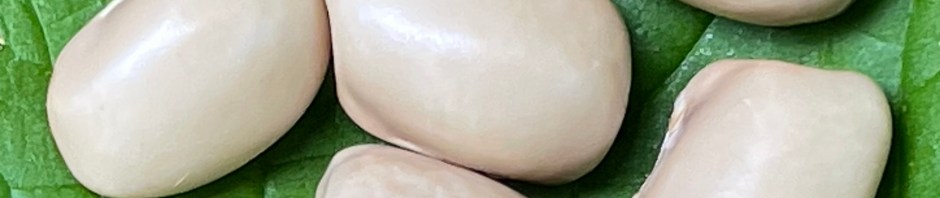
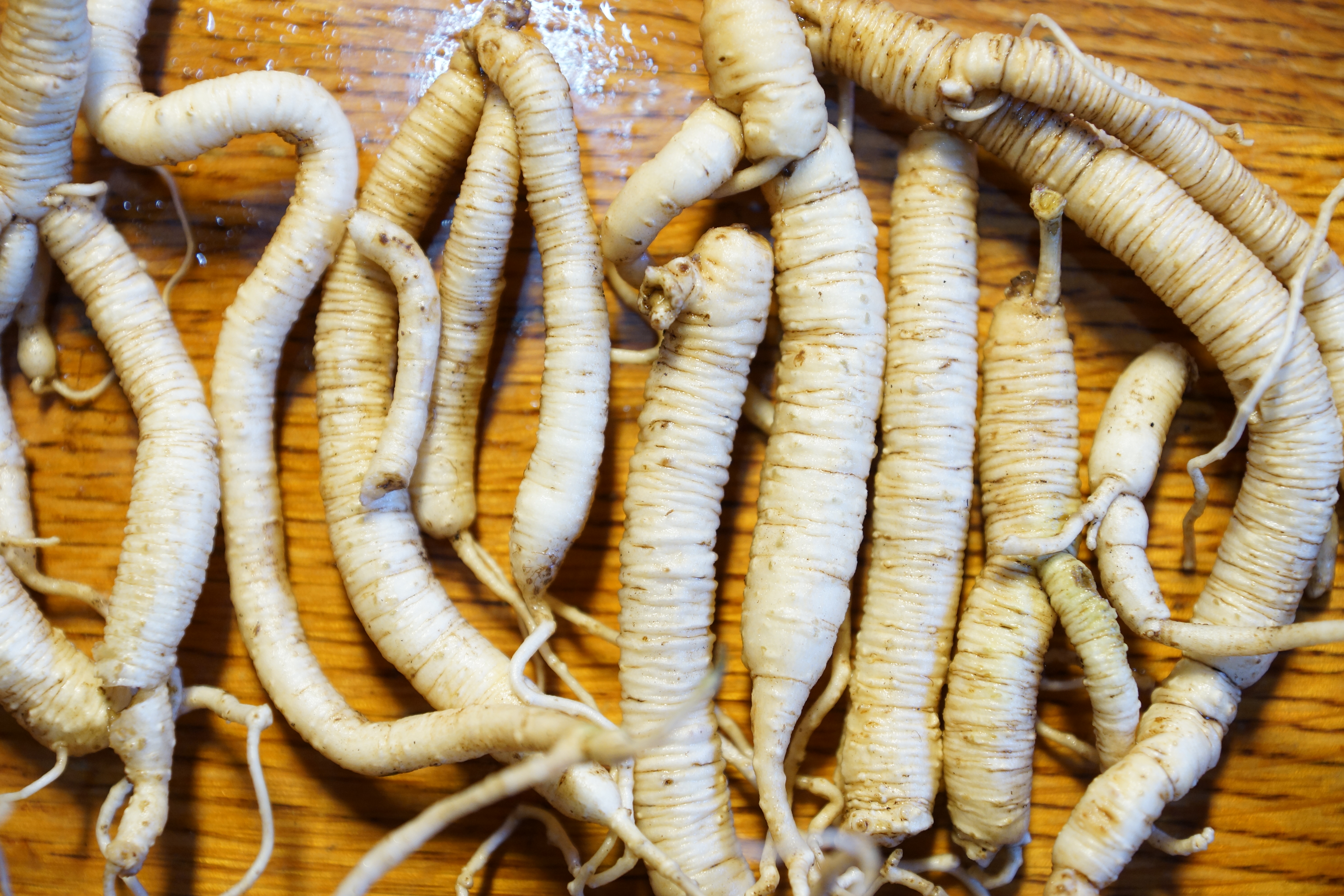
This perennial species, thicket bean was more of a horticultural oddity than anything. The flowers were beautiful and the vine was vigorous. I could see it in a packet under flowers more than beans. It was a delicious dried bean and worth growing even though the yields and the beans are small. Think lentil bean with small pods. I hoped to expand on this species and find more productive larger bean selections. Found throughout North America, this could be our perennial protein. I sold a lot of the bean roots at the farm and it was successful in terms of growing but harvesting was extremely time consuming as the crop ripened slowly over a long period and the beans exploded discharging seeds everywhere. I tried to make selections based on earlier ripening as some selections were too southern here in Michigan. I think I aimed the population in the same range as many of the earlier lima bean selections. I noticed a few plants that had multiple clusters of flowers along with dense branching. This means ‘bush type’ genetics and a means to create higher yielding species selections without hybridization. It also means higher yielding. I never got to that point as far as growing out selections like this but it is possible and not just a moon shot type of scenario. Most people are not aware of this perennial bean and likely over time it could be an ornamental plant like the runner bean but with far greater root hardiness. It needs a reboot at my farm as the roots only live for a decade before breaking down entirely.

The Wild Tepary Bean From the Southwestern United States
In my attempt to grow more nitrogen fixing crops that doubled as edible food producers, the tepary bean came up over and over in coversations about species wild beans. We did several trellises of it and was amazed at the massive foliage from the plants. Of all the different types, there was a common theme: heat is needed. They are longer ripening than the packet stated. Over time, I began making some small collections from the early wild ones which were not particularly fruitful overall. Imagine growing a dry bean which is like a half a lentil in size. They were delicious and there were benefits from growing them. One of those was that the seed can remain dormant in the soil for up to 3 years. This is the result of a hard seed coat which prevents water from entering and the seed from sprouting. This much needed survival mechanism is crtical in its southwestern mountain and cliffside habitat and is perfect for tree crops where you want to let go of the annual crop ideal with constant replanting into a more perennial goal without being perennial. I liked this bean and its tenacity in Michigan. I keep planting them to this day and enjoy seeing all the flowers and beans. This so called strain I have may not fit into a selection status because it was a wild form to begin with. However, it is slightly different now since I am growing them in Michigan and creating a earlier and heavier bearing selection adapted to Michigan with low light conditions. But for the most part, it is the species found in the southwestern U.S. and not much different. Few people purchased the seed. It is too niche I guess.
In the meantime, I will likely go ahead with my building of mansions of food biodiversity using seed generated from my farm. I can keep adding rooms to my home and invite others to visit from time to time. There we will drink tea, laugh and tell stories of giants and beans. Who knows what will happen. The plants are loose now and soon we will all be knee deep in seeds. It will be too late to turn back.
Enjoy. Kenneth Asmus


You must be logged in to post a comment.