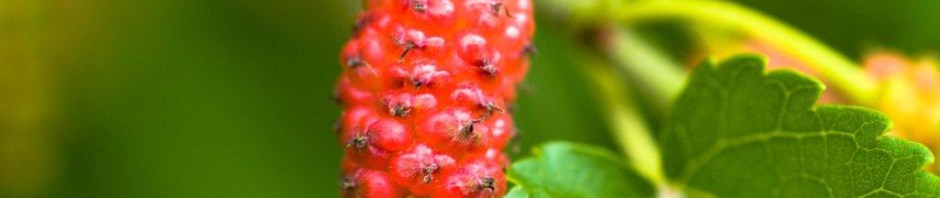
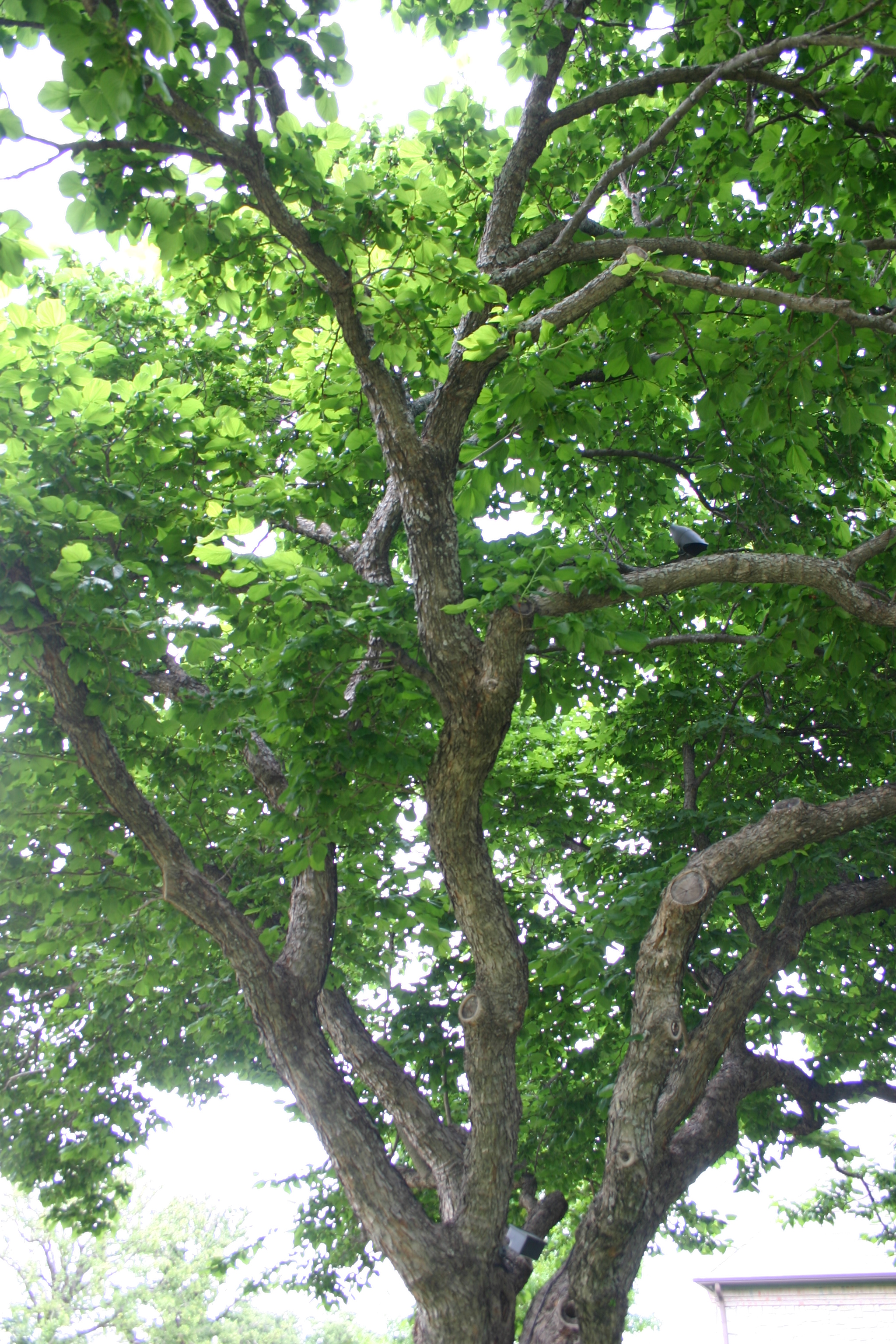
I like mulberries and everything about them. It doesn’t matter what type they are. I made the selection Lavender Life red mulberry based on heavy fruit yields. It was not based on percentage of how much it may or may not be native or if it was a hybrid of another mulberry. For that you would need genetic testing. A colleague of mine found a subspecies of a hackberry not long ago. He sent it in to have it tested and sure enough he was correct in his taxonomy. They published a paper on it somewhere I hear. On the surface, mulberries vary tremendously from tree to tree and if you look online, it is common to see conflicting information. It is possible to ‘ball park’ it. Genetic testing takes the guess work out of it. Over the years people have sent me their thoughts on something I was growing which had variations found within the progeny. Once the ballpark species score card read, 2 for, 2 against and one hybrid tie on a type of Viburnum I was growing. “Not Sure” won that game. For me I go back to my seed sources and the story behind the plants. That is considered quaint and old-fashioned now in a world where everything has to be nailed down. My Viburnum story involved an actual research scientist, a fence row in Alberta, Canada and why someone would live in the middle of nowhere. Here is another story.
The Red Mulberry Morus rubra.
Starting in 2000 I began buying red mulberry seedlings from different wholesalers for my nursery for resale. It was probably the first time they were available nationwide. These are often grown in Missouri and North Dakota by massive nurseries cranking out millions of plants. They resale to other sub-wholesale nurseries some of which I used to buy from. The first batches of trees were across the map in terms of uniformity. I would buy anywhere from 250 to 1000 trees every year or two. In 2001 I potted up part of a batch and let them fruit in the greenhouse. It was kind of cool to see all the fruit on the three-year-old trees. I felt they did not have much of the red mulberry in them as far as I could tell but the fruit was huge in size. I mentioned this to the owner of a company I bought the seedlings from, and he said they were constantly improving the seed sources for that species as natural hybrids were common. Eventually those companies must have gone to more southern isolated seed sources like Texas and other southwestern seed sources.
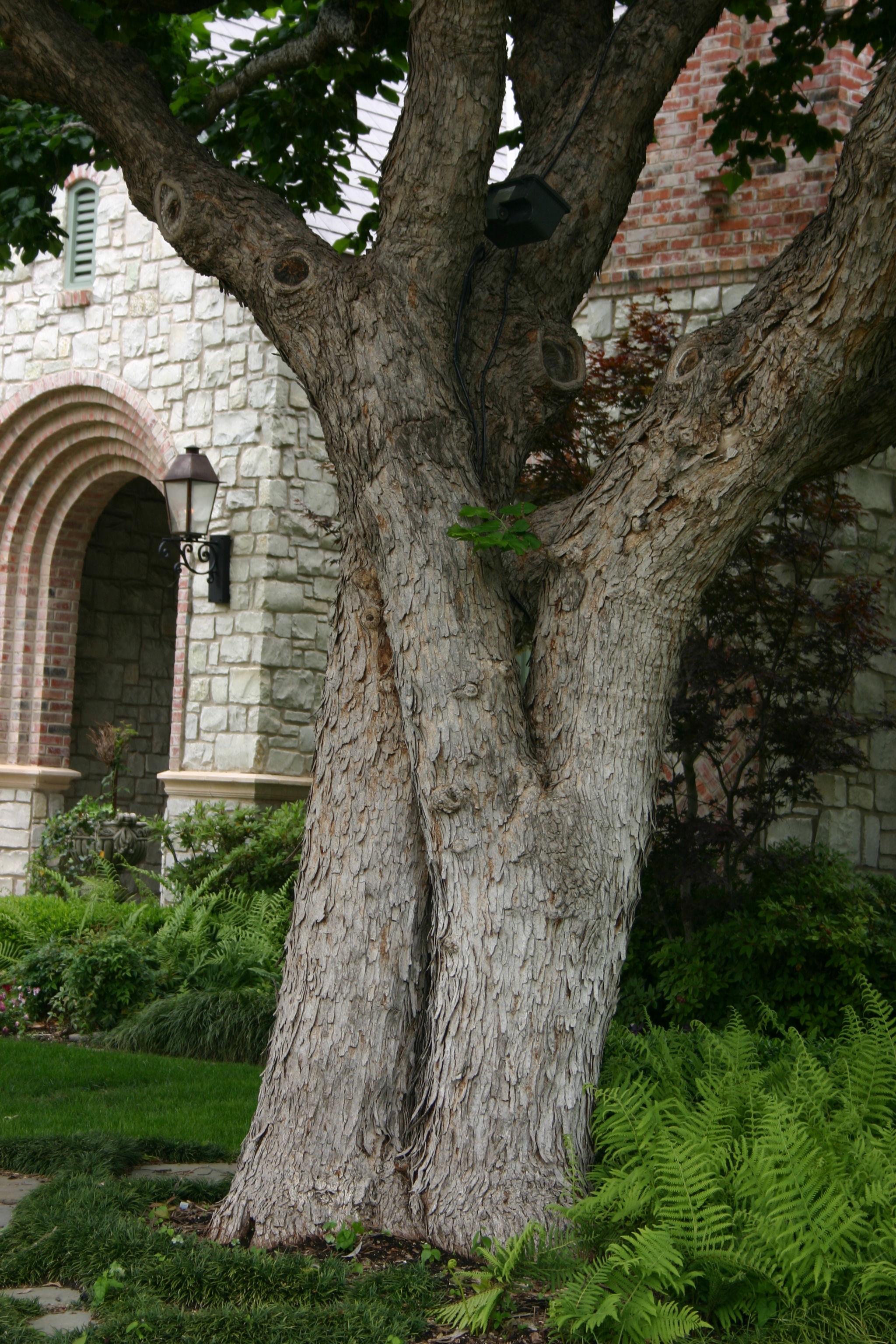
You can find pure red mulberries in these isolated locations probably due to bird migration and coyotes who also eat the berries. There are also several Texas varieties of Morus rubra. I tried those at my farm, but the grafts failed over time. People know what the red mulberry is and have made selections from it and use it. Some of these places don’t have other mulberries just because the climate is so unforgiving to those species normally found in the northeastern U.S. The downside of this is the seedlings from these new southern batches were also not hardy and frequently came to me with major winter damage. I attempted again and reluctantly grew some of these sources in pots to fruit. This time they looked very true and uniform to me as far as my limited subjective experience. The original seven trees dropped down to two after deer and a few Michigan winters. This is Lavender Life. See below.
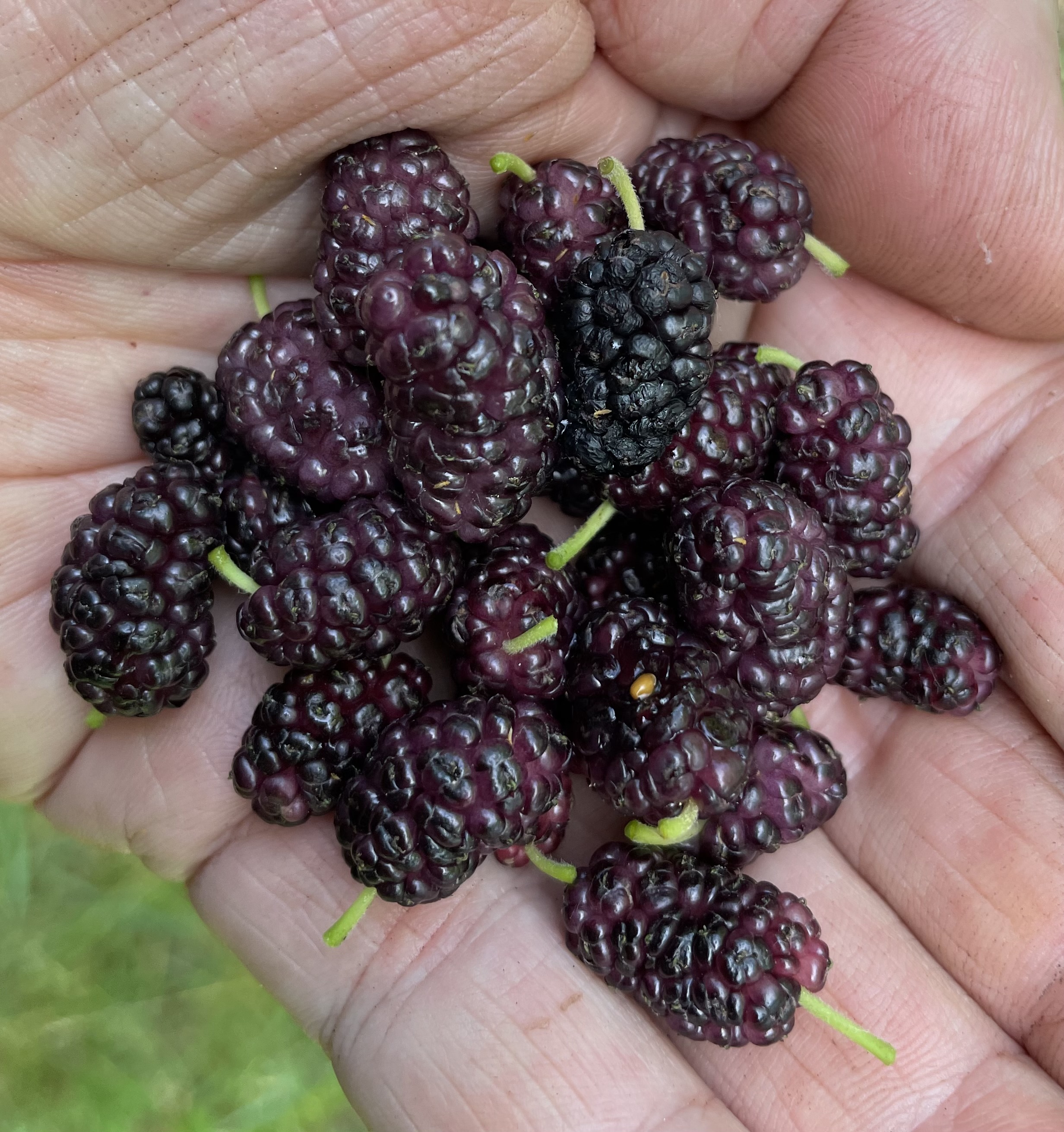
It is isolated to some degree, however roughly 200 feet away is a nice mulberry tree on my neighbor’s land and has been growing there for over 50 years. I have three red mulberry trees ten feet apart and I am assuming it is a cloud of red mulberry pollen around them like all mulberries which probably causes a great degree of self-fertility. However, that too would need to be genetically tested to see the percentage in the seedlings or seeds.
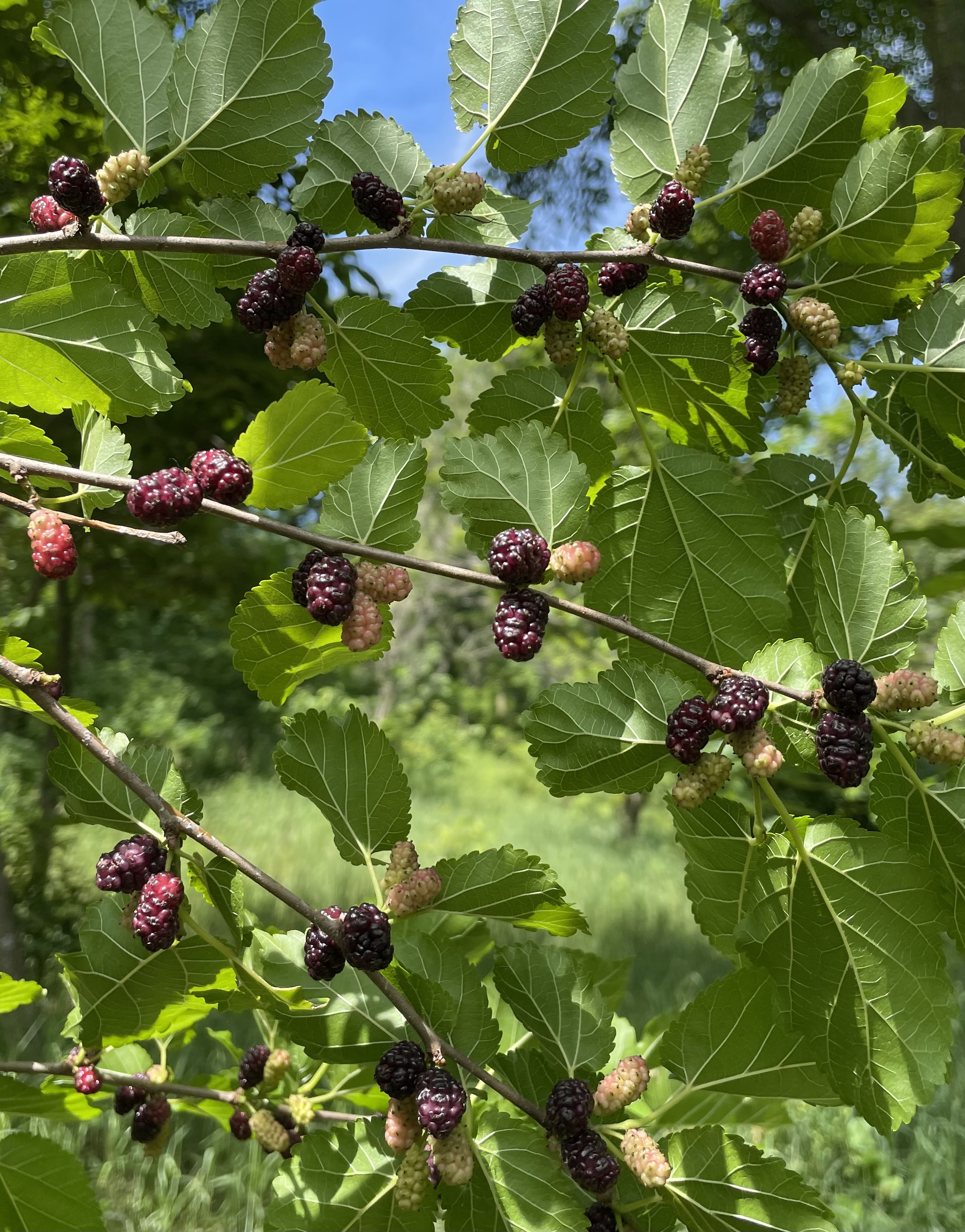
Here is the part where people tend to get upset. It doesn’t matter. What am I proving or disproving and how is that better? It appears I am only doing it to placate the nativists and purists. By the way, nature apparently doesn’t care either because hybrids are everywhere in the world of mulberries. Hybrid means different but it does mean bad or worthless. Unfortunately people view all mulberries as weed trees and undesirable. The red mulberry is not losing its identity. It’s adding to its identity while creating new expressions in the real world. That is adaptation. Mulberries have the highest chromosome count in all of the plant world. There is a reason for that. You could also grow it out by finding isolated trees while making new Morus rubra seed sources in an orchard. That I do care about, and it is of great value in generating greater diversity. It is very cool to think of a hardy form of pure red mulberry, however that is defined by the caretaker or breeder of the line of plants under cultivation. This is called domestication and you are domesticating a wild form of mulberry. Creating new seed sources is critical in that the diversity needed is way beyond the percentage points of native and not native. The mulberry genus is filled with rich flavors and sweetness. I’m picking some today and sharing them with my friend Not Sure.
Enjoy, Ken Asmus


Hi Ken,
Of the many newsletters I subscribe to, yours is one that I never fail to read. You do everything out of a sense of practicality but you also exhibit the natural urge everyone has to garden and try new things, which I think is inherently very creative. Creativity could be seen as risky when you have to purchase your materials. But every artist knows about that. We do it anyway.
I get sad when I hear of people wanting to do land restoration work but we’re not sure that they can make money at it. Underlying that is an allegiance to our highly consumptive and competitive society. If we could believe in the bounty and the endless solutions nature offers, that there is enough for everybody if we would actually let the land flower, then maybe we wouldn’t try to always get paid money for everything we do. We would know that everyone would be there for each other, trading, sharing.
Happy growing everybody.
Thanks for your comment. When I first started growing and selling plants, the market for what would be called restoration native plants was tiny and pretty much non-existent. When government began getting more involved then it took off. Where was it heading? I stayed out of it for the most part and focused my attention on food plants. I removed the word native from my catalogs during this time. It was misleading in terms of agriculture. Many of my previous employees who were younger than me worked in the restoration industry for a while in various capacities. It was a temporary job for them and they filled me in on the details. I think it is the removal projects that get the money and not what you add. They do not have the ‘let the land flower’ philosophy you describe above. I wish they did because trading and sharing was the keystone of me starting my business fresh out of college. I had no money.