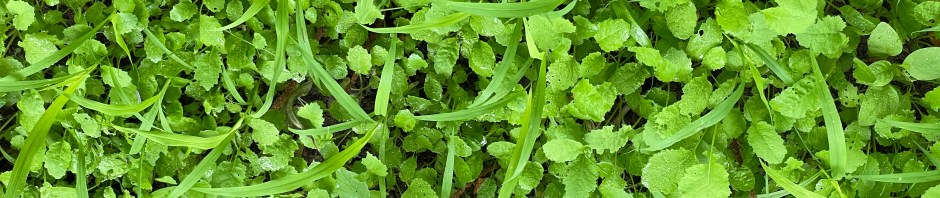

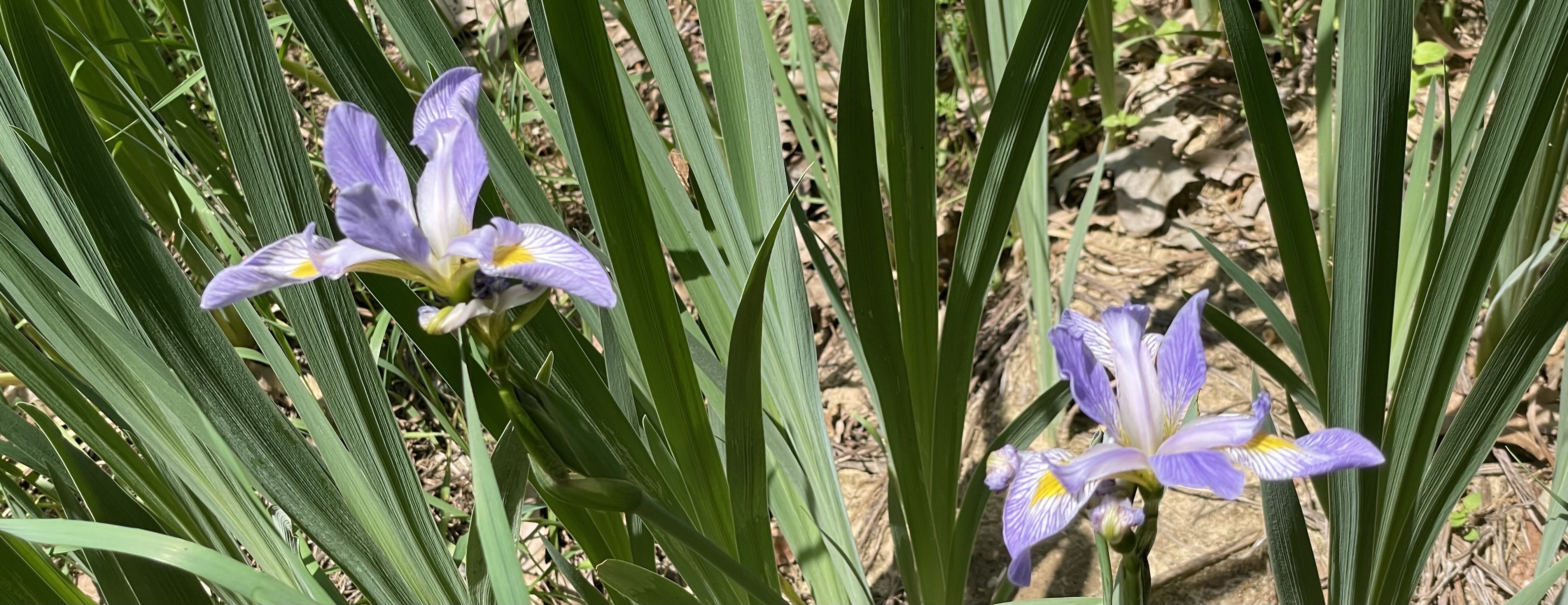
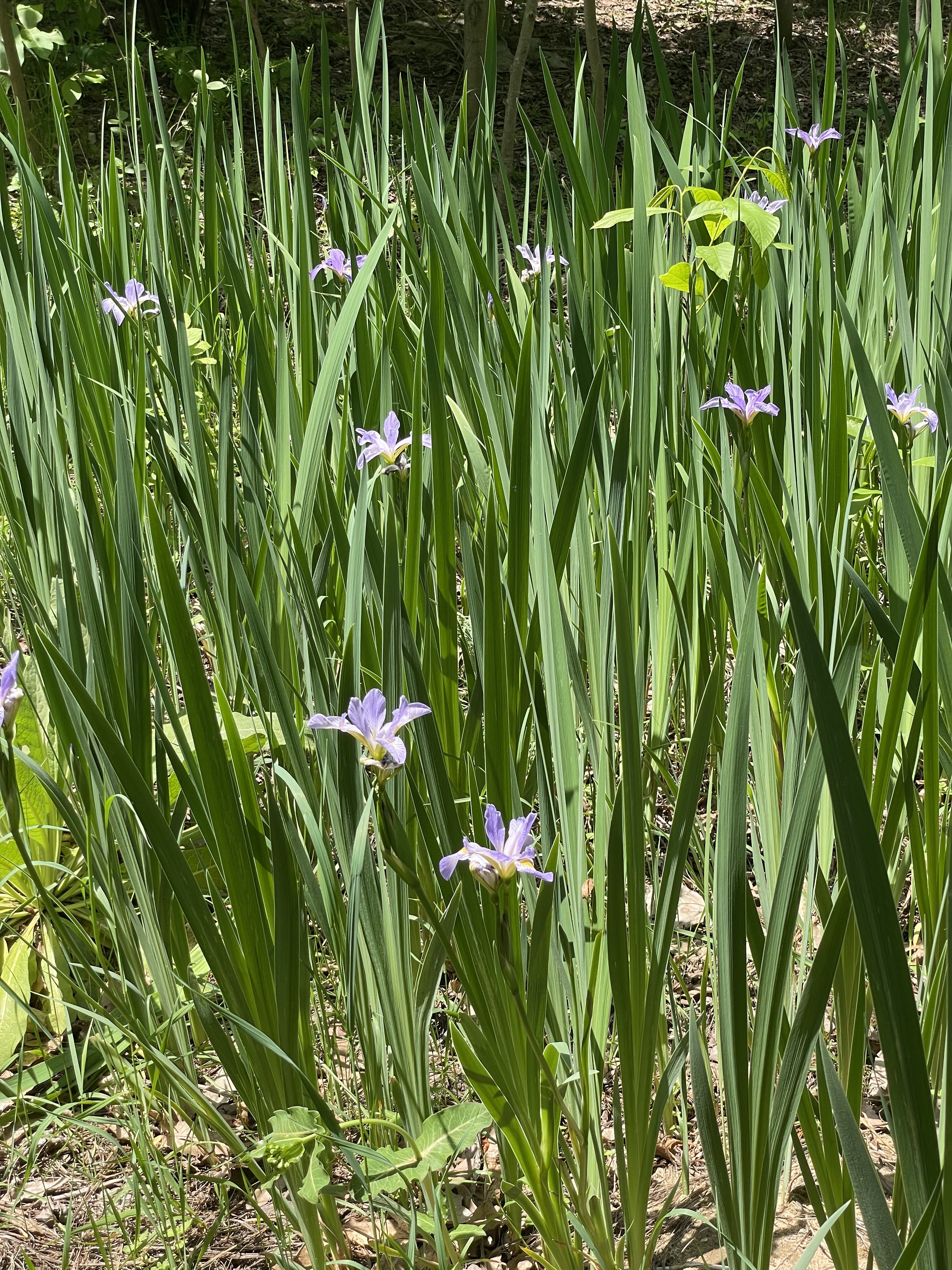
In terms of establishing new perennial plants in my treeless pasture, my farm was a good testing ground for all these different methods I kept reading about from other growers in gardening and permaculture. I applied these ideas to my farm on a small scale. One of my first attempts to go to zero vegetation was to use the old shag carpet in my living room as a giant mulch mat. I thought I could reuse it several times as it was a tightly woven burlap on the back with super dense in fibers on the front. After we redid our floors, I hauled it out to my farm and spread it out shag side down. It was ideal and it did block out all vegetation from emerging, but it also turned into public housing for bumblebees making the perfect nesting habitat. When I went to slide it over to the next area it became a bee volcano. The shag part also created nesting resources for the white footed mice. I found it all over the farm for a while. A decade later the synthetic fibers hardly broke down, so I removed it. This created my prairie plant area. See below.
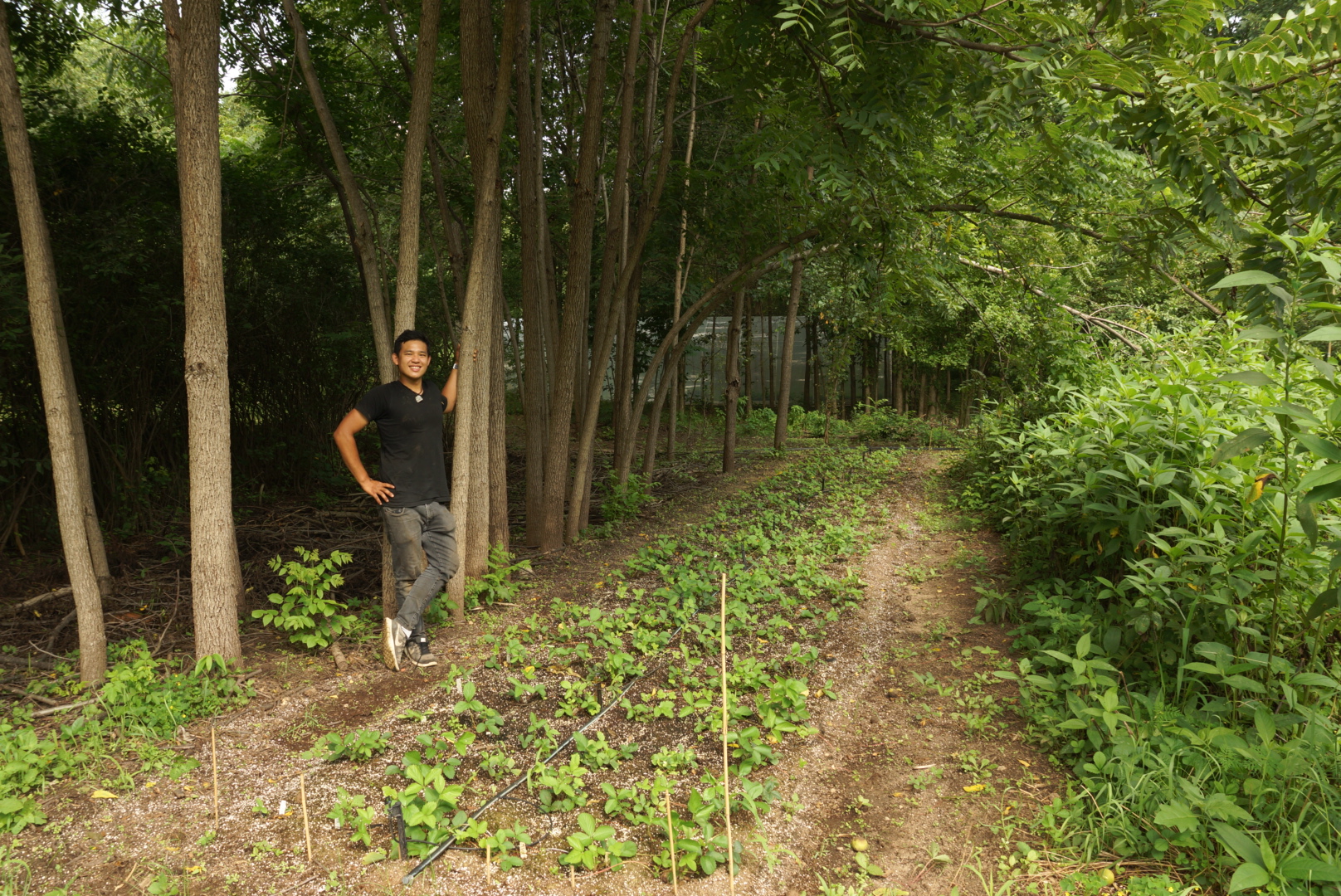
I then went to what was being touted as soil sterilization using solar to heat the area under a 4 mil black plastic. I took a 40 by 100-foot piece of black plastic and pinned it down via boulders from my field and let the sun bake it. You could feel the heat from it. This was highly effective at removing all living plants including deep rooted perennials. It took about two months for that to happen. This created some of my planting beds for walnuts and chestnuts and eventually this large row of pears and American persimmon. See below.
I was involved with permaculture from the early Bill Mollison days and began using cardboard and mulch methods of creating areas free of vegetation. I obtained the cardboard from a retail food store where they allowed people to take boxes for personal use. I would break down the boxes and flatten them out to fit into my pickup bed. The cardboard might have tape on it and the whole project involved huge amounts of mulch and time. I substituted newspapers for a while and switched over to sawdust because it was half the cost and much more forgiving to shovel by hand. This worked well in small plantings using small trees. See below.
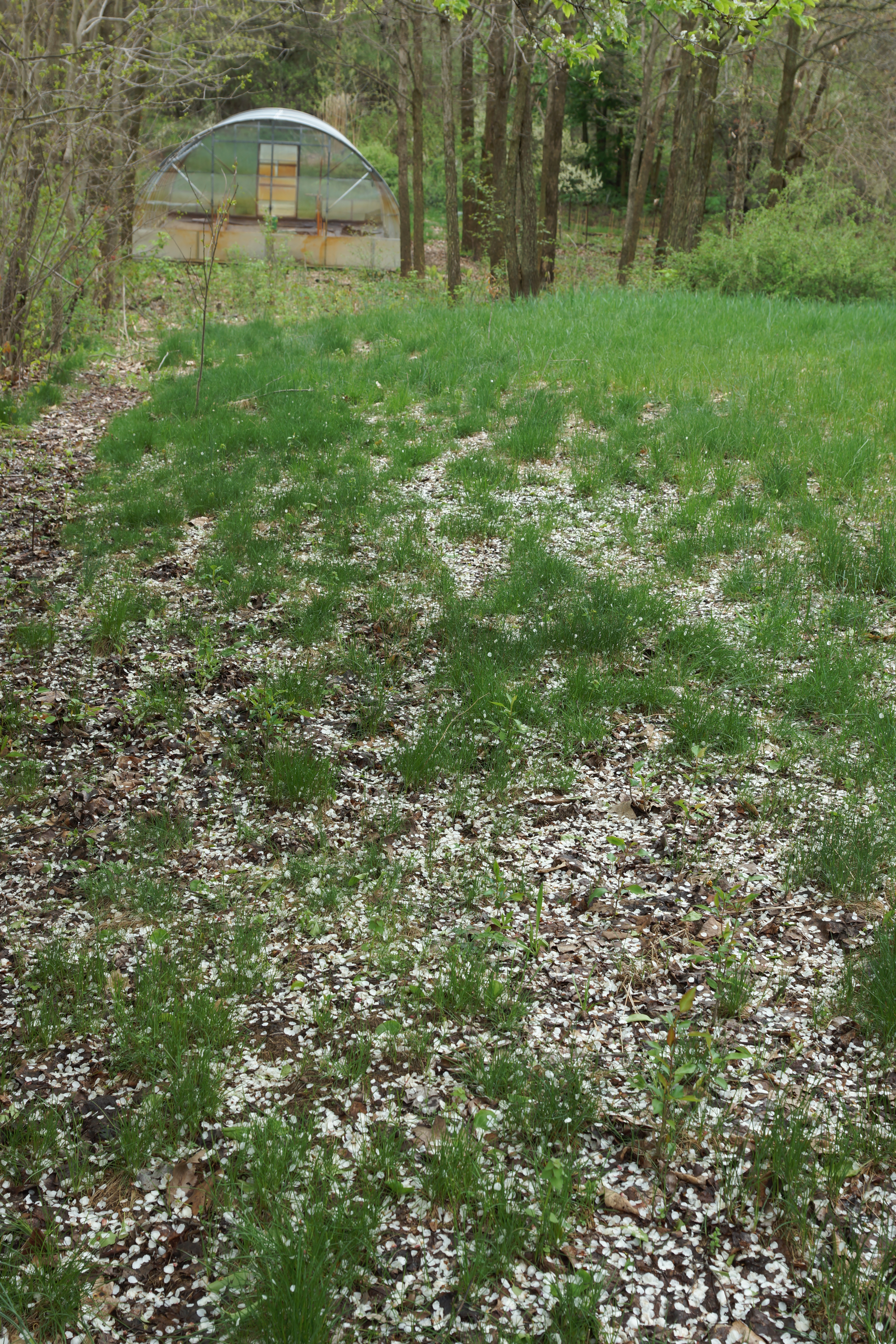
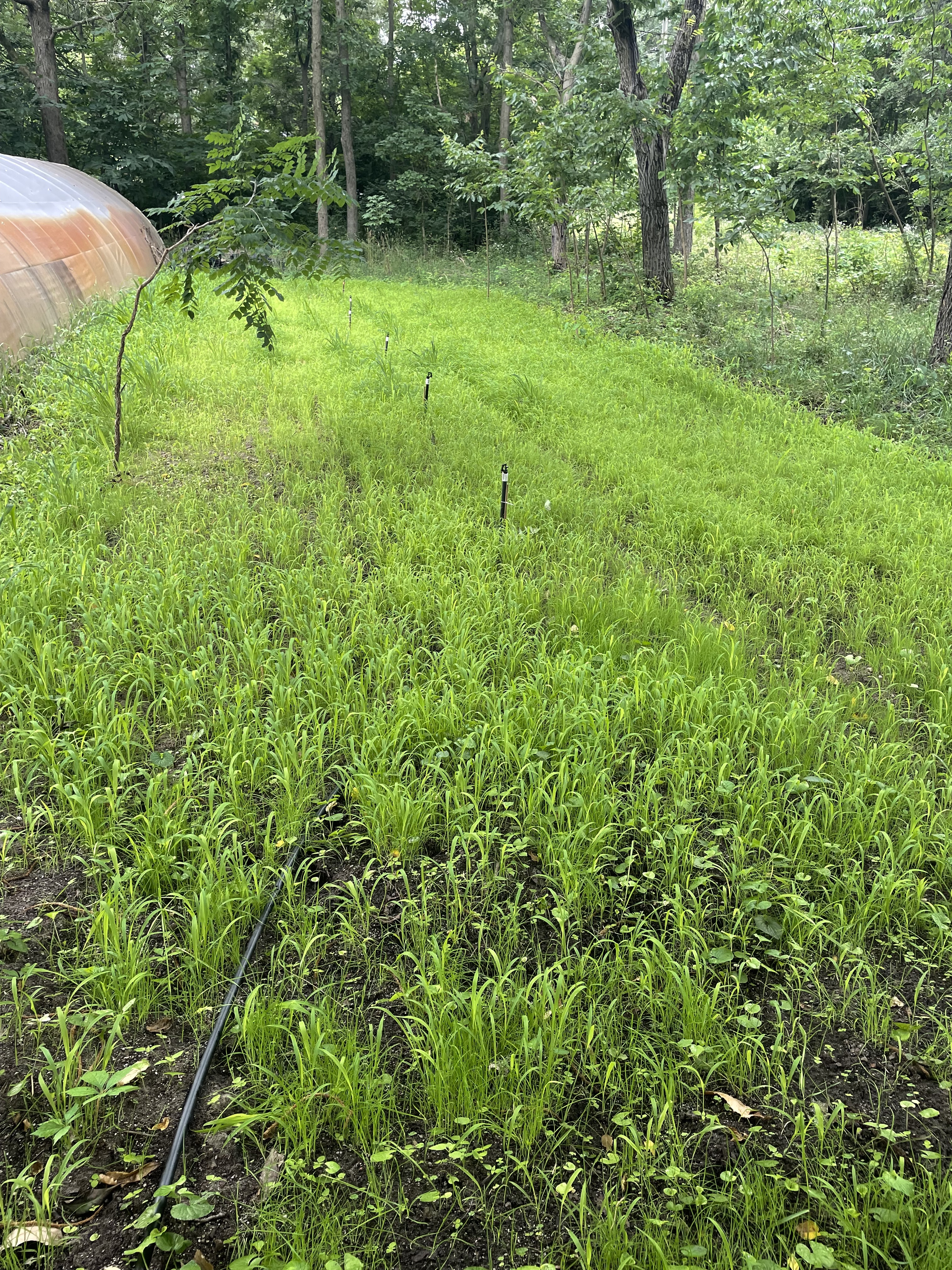
Having an open field is a rare event at my farm so recently I had to come up with a cost-effective means of covering the soil after the polyhouse removals. In total five houses are being taken down which is now zero vegetation. Covered in plastic and two types of woven polypropylene ground cloth for more than two decades, the original native soil underneath was locked in place. Removal makes it possible to replenish the soil once again. Over time the original orchard grass was still at my farm, so it was natural to reestablish that as a baseline in this area and then go from there. Orchard grass is a thick bunch grass and very succulent in growth. When you hit it with a weed whacker prepare to be bathed in rich green protoplasm. It tolerates mowing and it flourishes despite truck traffic and crops of black walnuts from overhead. From the company Green Cover, I purchased the variety Devour which is more drought tolerant and disease free. See below.
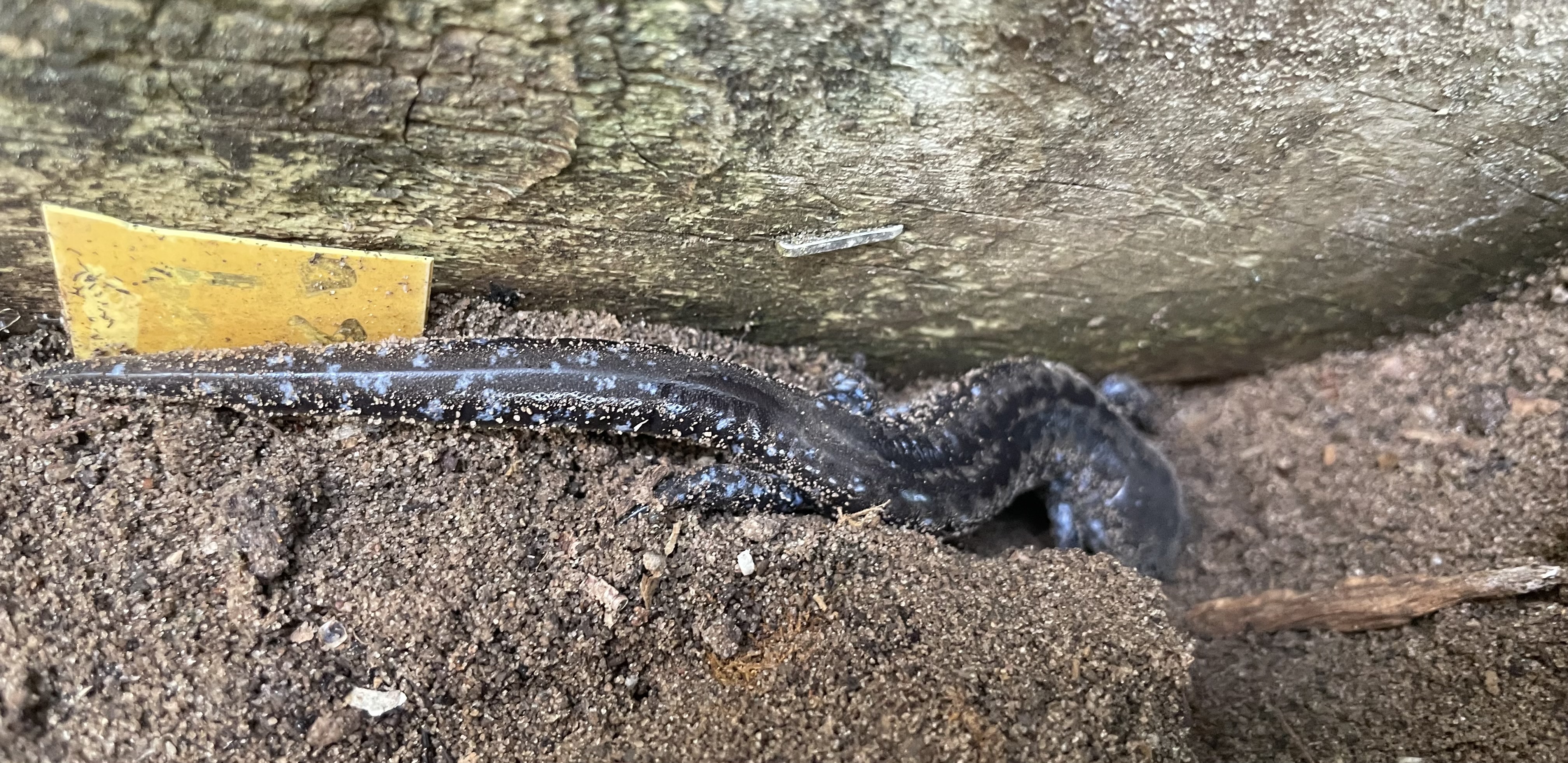
Each of these applications worked for covering the ground and creating diversity where there was none before. In the process, you might find that you may have to add to the soil surrounding the plants to get them to respond as if you had a rich organic garden. The polyhouse soil under the mats had zero organic matter. The constant irrigation and lack of oxygen created by the woven polyethylene Dewitt ground cloth for more than 3 decades of use was not good. The soil was lifeless. With the exception of one blue salamander I found under the frame at the end of the house there were no worms Even moles avoided the area. See below.
This highlights the changes that can happen when you go from zero to hero in this world of creating diversity. You will try anything and tweak those ideas to their limits. Each has its place and application as a previous stage you must try. Like plants, you tend to forgive your past mistakes as you move on in your pursuit of diversity and grow as best as you can given the circumstances. You always wish for more.
Enjoy. Kenneth Asmus


You must be logged in to post a comment.