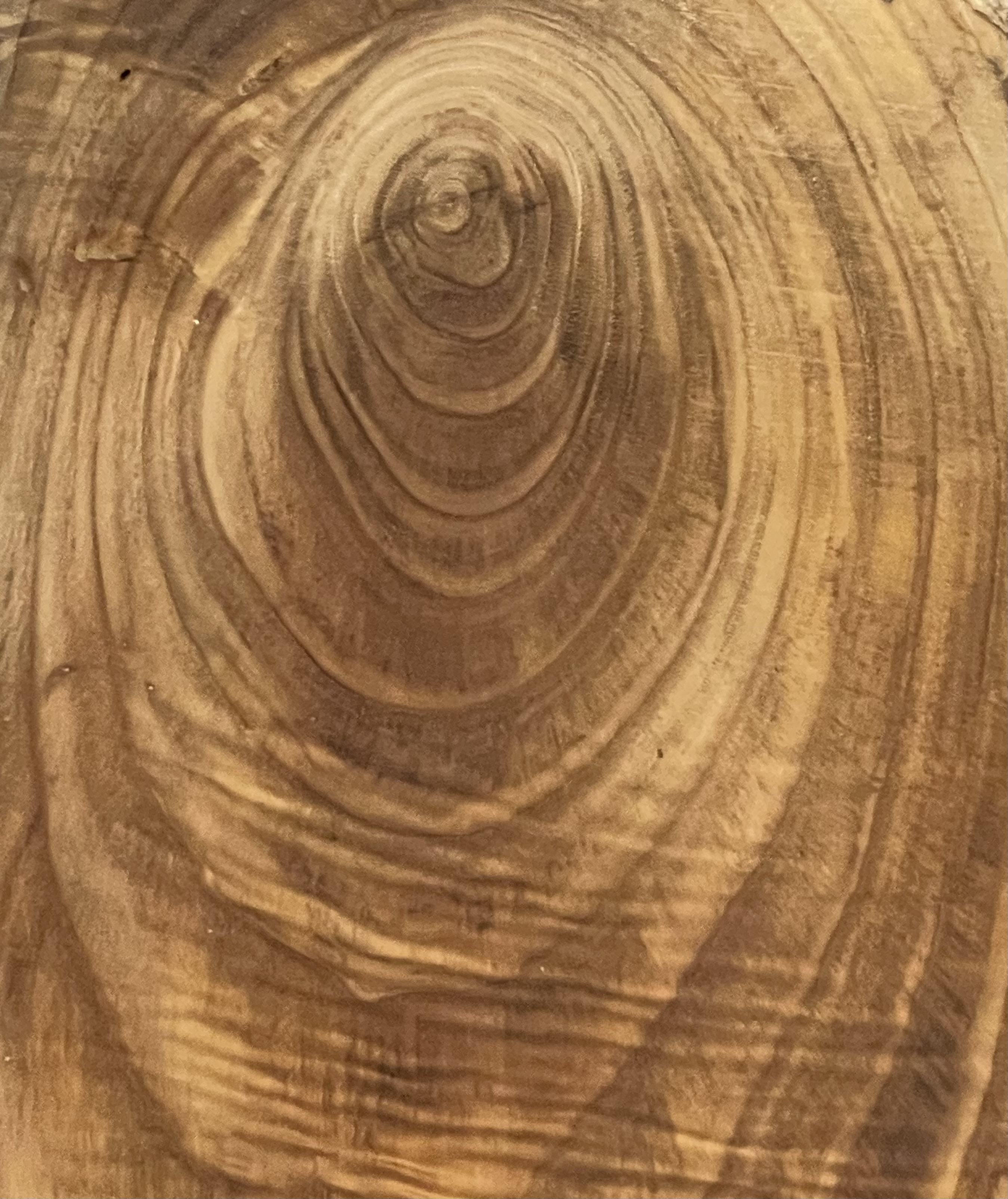
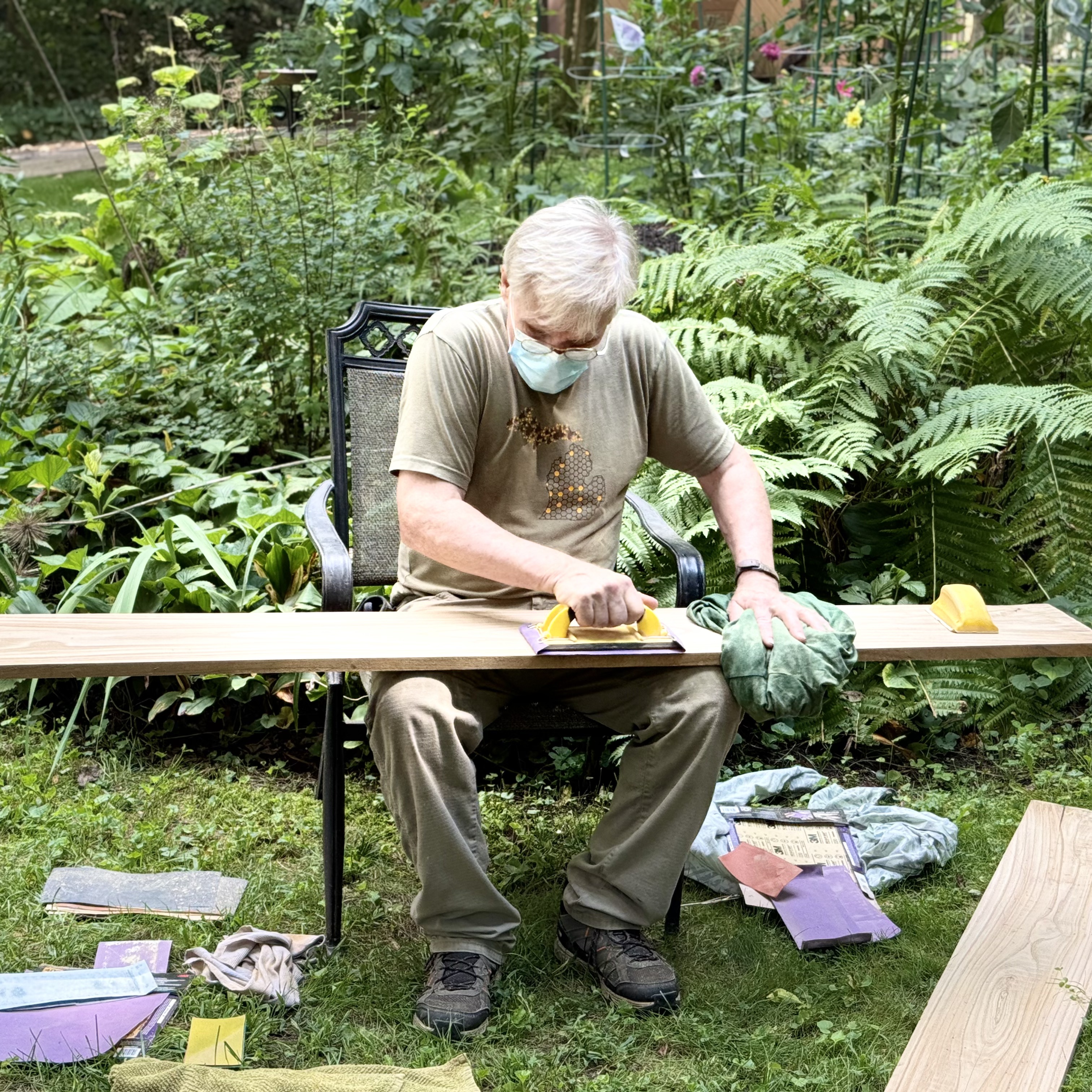
In my senior year in college, I was employed as a gardener for a home that was near a nature reserve in the city. From time to time, I would cross the street with a wheelbarrow full of spoiled apples harvested from the perfectly manicured lawn I was tending and pour them down a steep slope. It was here in that oak woodland where I saw my first chestnut tree. It was over two feet in diameter and at least fifty feet tall. The ground had several layers of nut burrs underneath it. I was not aware of this tree and looked it up in one of my botanical books. The tree is found sporadically in southern Michigan. Because of the location of the tree and the value of the land, several new homes went up there after the land was sold by the city. The tree was eventually removed to accommodate a garage. I went back to collect nuts before it disappeared forever. There must have been another one nearby because the burs had a few solid seeds within them. Without a pollinator, the nuts would have all been blanks. I grew about a dozen seedlings from that tree and planted them at my farm. They grew unbelievably well however they eventually succumbed to blight right about when they started to fruit. I knew this was going to happen so I positioned them near a fence line where they could be cut easily. That took about ten years. Luckily, I harvested one log from the best tree and stored it in my barn in the rafters. Almost four decades later I decided to take up the challenge and make something useful from it. That day is today.
Wood Characteristics
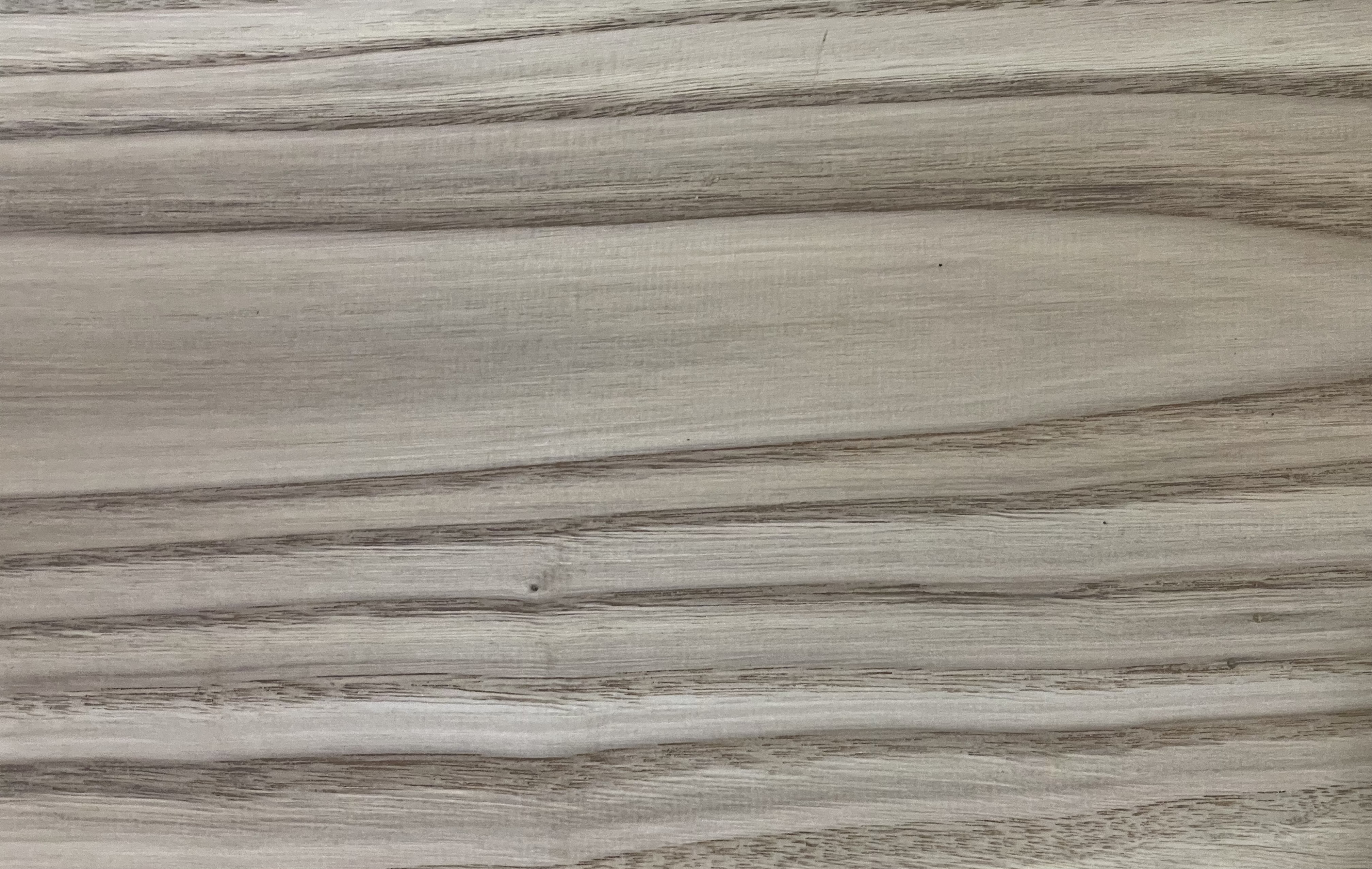
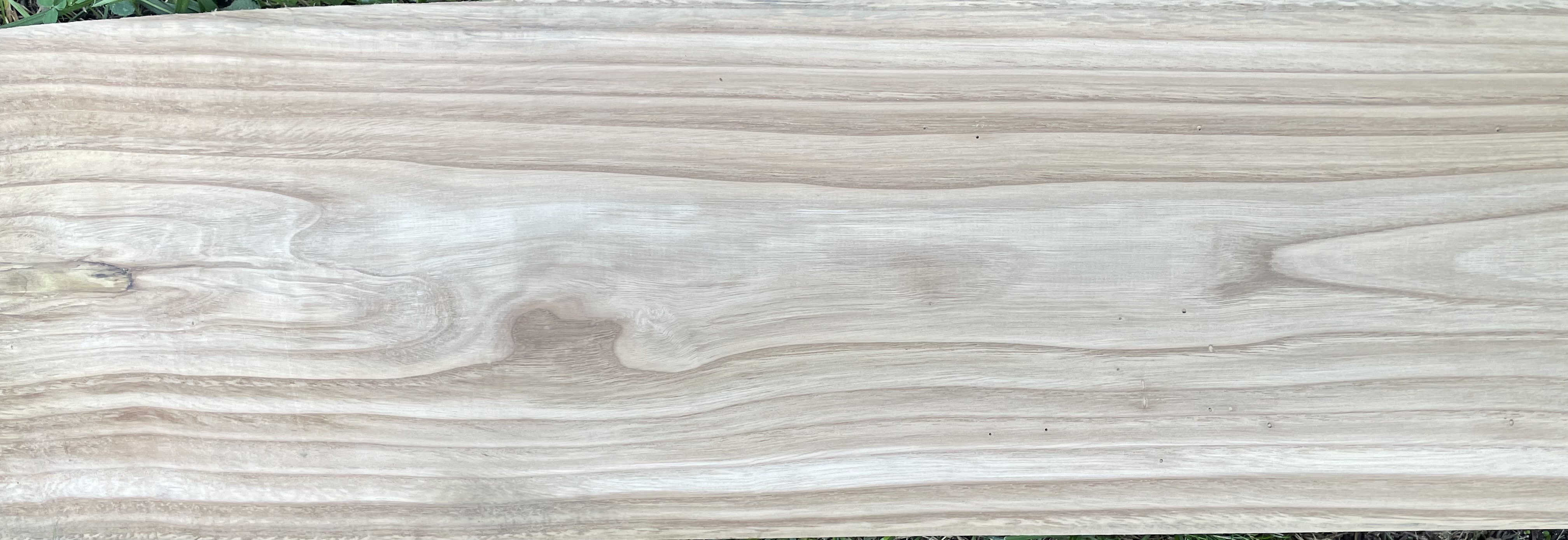
The grain patterns in chestnut wood are very pronounced and stunning. Even on small diameter pieces this pattern is apparent. The hybrid trees show the wide growth rings probably due to their fast growth, some of which are up to an inch in size. This fast growth creates a very uniform lumber. There is a simple way to use my repository to create even faster growing trees while at the same time having an orchard for nuts. Harvesting the nuts along with the trees for lumber could be done on a small scale now. Further improvements over time could bring together an industry of both nut and wood production which would be more profitable that either alone. The trees would be of a mixed hybrid nature of several species. This mixture greatly improves the odds of resistance and eventual immunity to blight.
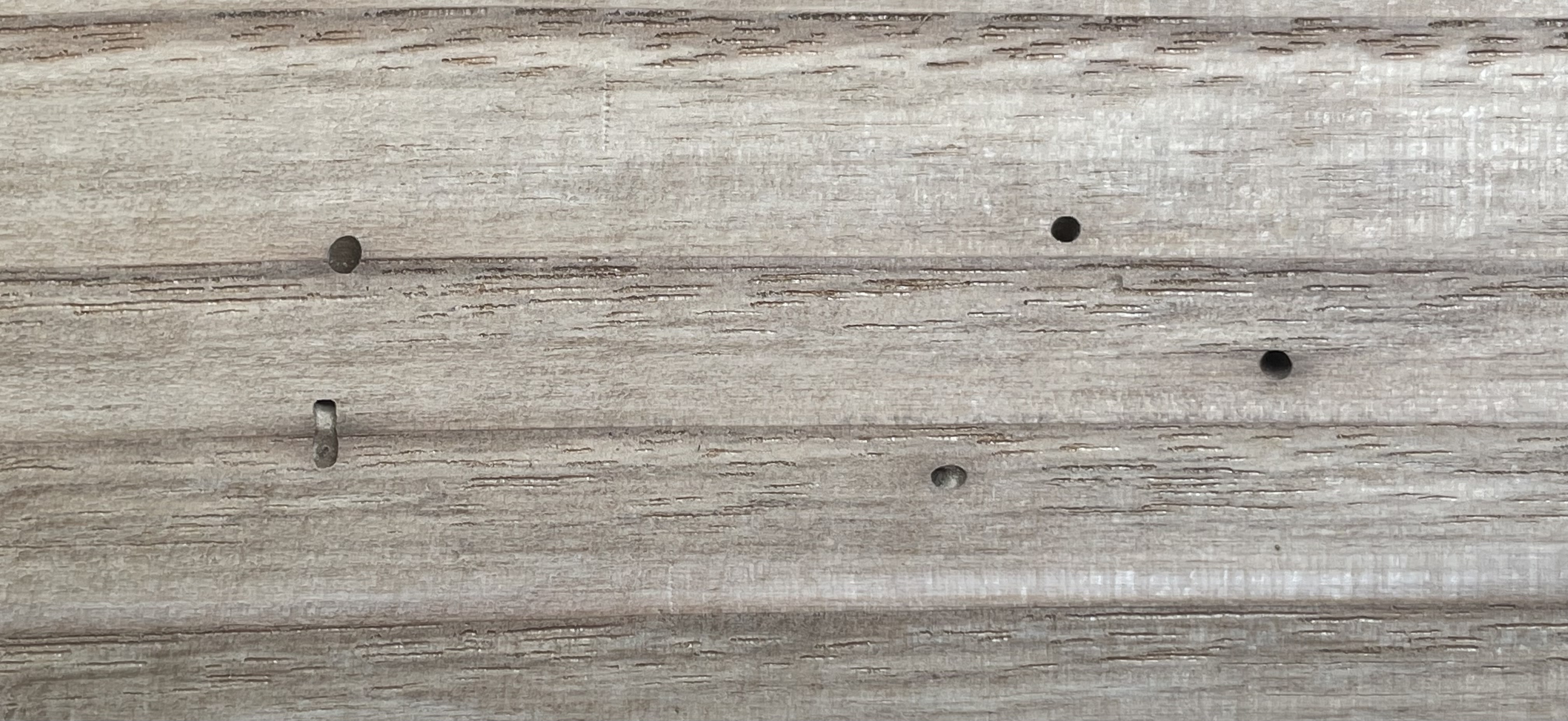
Today American chestnut used for wood working is available only due to the reclaimed lumber business. Here planks are taken from old barns and homes where the trees were harvested from standing dead trees after the introduction of blight to North America. This lumber can have drill holes in it from different beetle larvae. The holes give it the name ‘wormy chestnut’. It is the only form of chestnut wood.
According to one seller the planks can have a 20 percent loss on high-quality pieces for furniture making and a 40 percent loss on lower quality pieces used for craft projects. After scouring Etsy and eBay, most of the lumber sold has natural fissures and cracks in it despite it being milled again. Surprisingly some look very clean and smooth with no fissures too. That is a minor miracle for something that came out of barn used over a hundred years ago. It is considered very rot resistant in that state. One source today on Etsy lists: 7/8 inch thick, six inches wide, three foot long boards. Cost: around 100 dollars. All of these wood sources are found in the historical range where American chestnut once flourished in quantity. You wouldn’t find this in Michigan. There is no new wood. It could be possible to harvest and mill a Chinese chestnut tree. They often have short trunks that branch 2-3 feet from the ground and are pruned for nut production. One of my first Chinese and Korean seed sources came from the late Norm Higgins near Lansing, Michigan. A few of his seedlings grew fast and had a timber-like form.
Wood Hardness:
American chestnut regional hardness rating is 80. (Listed chronologically from hard to soft.) It is close to Northern Catalpa and Yellow poplar. Chestnut is a soft wood and easy to work. The wood of the European Sweet Chestnut, Castanea sativa is harder with a 680 Janka rating. American chestnut has a 540 Janka rating. Some of the hybrid trees that I have would likely be in between those two numbers. There is differences in the grain patterns of the individual trees.

On growing the American Chestnut, Castanea dentata:
I used to receive a lot of calls in my nursery about the ‘pure’ American chestnut tree. The American Chestnut Foundation used to give out my name as a source for seeds and plants for both the hybrids and the species. Because of the susceptibility of the blight and no means of preventing or stopping it, I never sold the pure trees because I knew what would happen. But it is possible!! The only ‘for-sure’ locations you could grow the American chestnut would be in places completely isolated hundreds of miles from the nearest chestnut tree either planted or natural as well as far outside its native range. Because chestnut blight does survive on oak trees to a limited degree, it would be ideal to live in a completely different bioregion far from oak trees too. The western United States is one such region. You would have to start with seeds and never use nursery stock or scions for grafting. The reason for this is that blight, if it was on the surface of the seed would perish if planted in the soil. The blight on the seed would have no effect on the seeds germination and would not transmit. Scions or cuttings potentially could carry it. One year seedlings likely do not have blight on them but ideally if you went the seedling route you would want them grown in screened polyhouses as one year plants. The blight has to attach itself and grow which normally requires older stems, branches and trunks. I have seen two year old trees with blight on the stems but it is rare but never on one year plants. Ideally you would treat the blight as a living biohazard and be very strict about it. You would never want to visit other chestnut plantings. You would have to decontaminate your footwear and clothes if you did. Certainly you would not want to allow other nut growers to visit your magnificent American chestnut trees. That would be very risky. This has happened in the past! Many isolated trees have died either through wind born spores or people not knowing what they are doing. I knew of one American chestnut seed source super isolated in the far north in another state that many other nursery people used for seed. Eventually the whole planting became infested and died within a few years. It was thought at the time, people brought that one in. I remember talking to the late Dr. Dennis Fulbright, a leading research scientist on chestnut blight from M.S.U., about these isolated trees that look spectacular in Michigan. He knew of many American chestnut trees and would visit them periodically. I saw pictures of them and they were often huge trees. He said just in his short time of discovery several of these remote and old Michigan trees died just by wind born spores floating in. It was a game of chance and sometimes we blamed ourselves and sometimes nature. Today the community of American chestnut lovers include a wide range of ‘deliver us from the evil blight’ projects to simply discovering and disseminating nuts of wild trees that show immunity. I personally favor the latter.
I was rarely successful at telling people not to plant something more than the American chestnut tree. It was in the same boat as the white birch trees where borers turn them to sawdust. There was nothing I could say to warn people about the risk. They had read so much about the plant in its great historical past that it created a deep passion for a tree important to North America. For that reason I gave up and always encouraged people but never said anything about what would inevitably happen. I never sold the trees or nuts but did offer words of encouragement. By itself, that type of planting is where ideas can take root which then leads to a means to overcome the fear of loss. In the bioregion of the human brain, a beautiful tree flourishes. Who would say no to that?
Enjoy, Kenneth Asmus
American chestnut wood tables available starting November 1, 2026. For pick up direct at the farm. Appointment only.
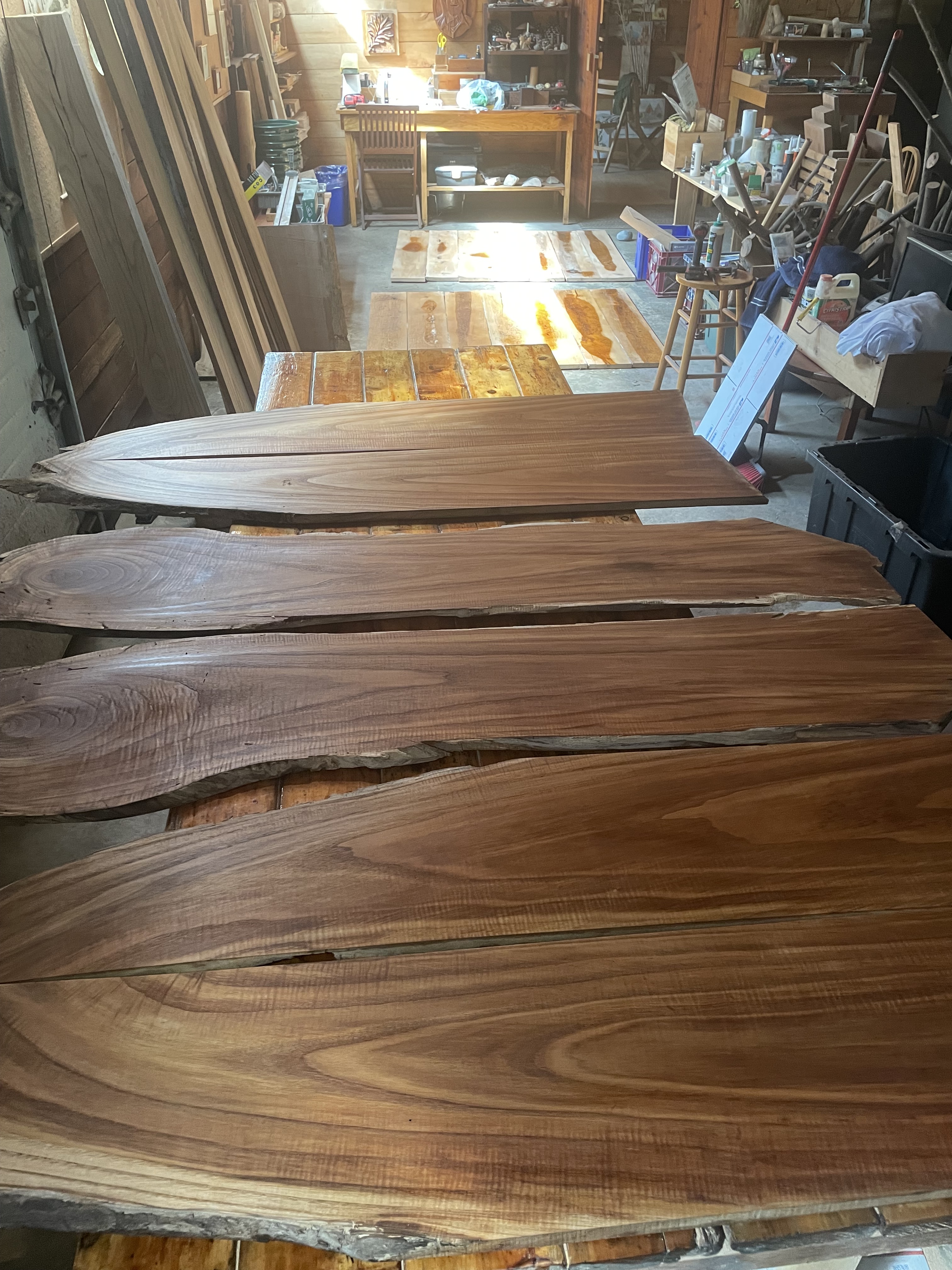
First treatment with American grown tung oil. (Another valuable North American tree crop.)


You must be logged in to post a comment.