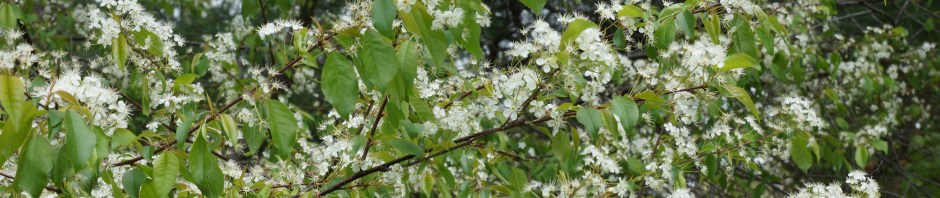
There are many plants that are not cultivated in the landscape trade. Often people had a lot of theories of which they shared with me on why this or that was not available or rarely grown in the nursery trade. Sometimes the plant itself had characteristics not conducive to more most modern day landscapes. Sometimes it could be just the way people viewed nature or the unknown quality of the plant. Everyone has an assessment. I always thought that plant critics in many ways are like movie critics. I always been a fan of “Young Frankenstein” by Mel Brooks. I watch it once a year usually. The same with “Blazing Saddles’. This doesn’t fly for everyone. I realize that. With plants I noticed some folks appear very condescending in their opinions. They may wonder how anyone could enjoy a certain plant that you might find endearing the same way as a movie. How could I enjoy Blazing Saddles so much? It always makes me laugh. Isn’t that good enough? Yet fun and laughter is not in this formula of the relationship people have with plants. Plant critics are very stoic and serious and make videos of “10 Trees I Would Never Plant Under Any Circumstance” to convince others of what is a bad plant. Lost in their own tastes, it is not likely they will change. Such is the case of the lonely pin cherry. Prunus pennsylvanica.
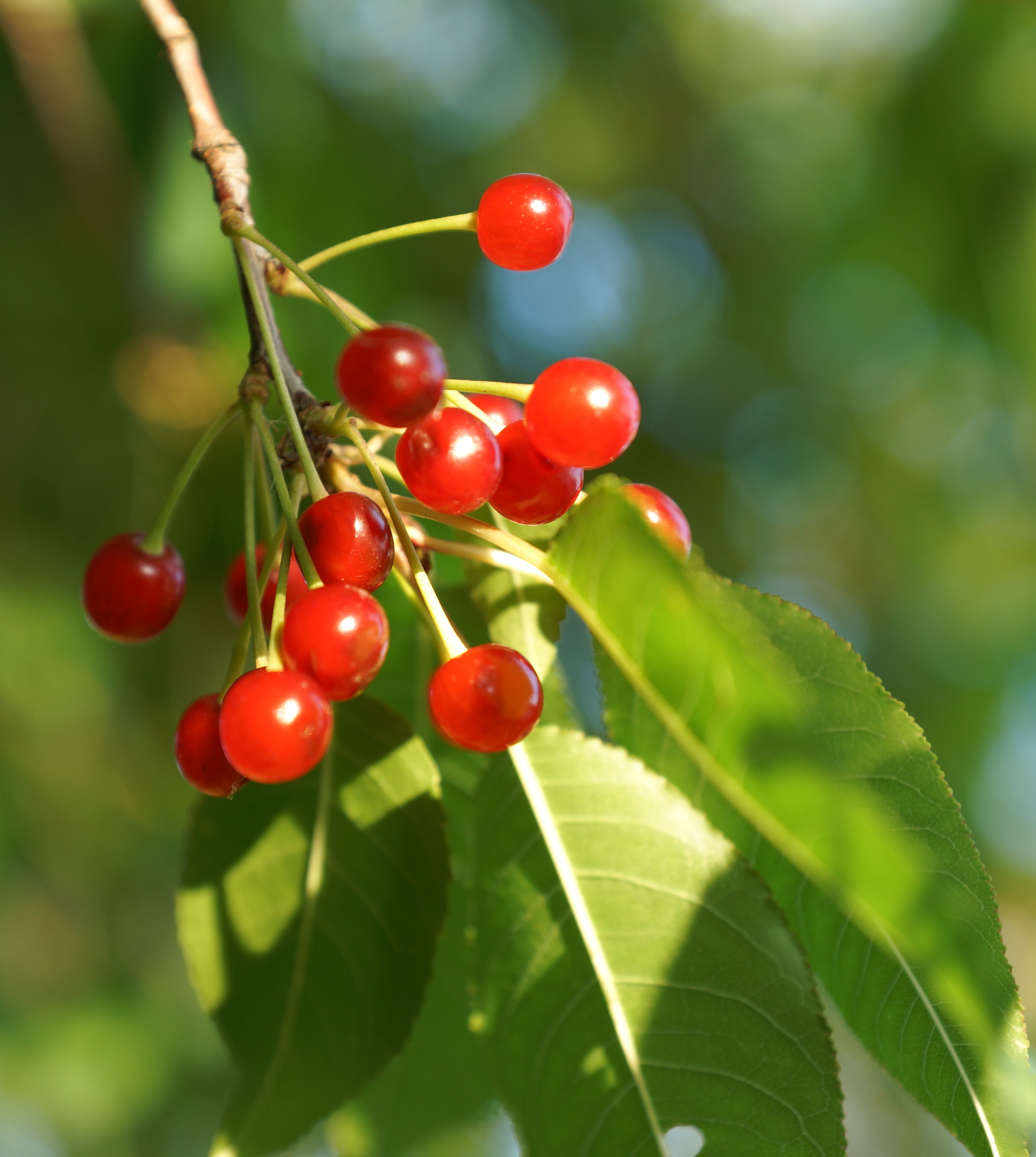
I did not know too much about the tree other than it is one of those pioneer species found growing on the sand dunes of Lake Superior while on family vacation. It has the power to reclaim land after a fire or soil disturbance of some type. I knew of it along our family’s farm pond in a wetland in central Michigan after we built the ponds and tons of soil was spread out with nothing growing on it. This is when pin cherry moved in. It liked the open soils free of vegetation. The seeds are commonly dispersed by birds. The fruit production was usually low and the suckering near the tree was high. This created a sizeable colony similar to staghorn shumac. The more I investigated the tree, I found selections that people made for fruit production and a few ornamental types. Being from Canada, these were not available to me, so I went ahead and made collections of a few types I found and grew them at my farm for the purposes of seed production and fruit evaluation. The thought was to bring them together and see if I could increase the fruit yields.
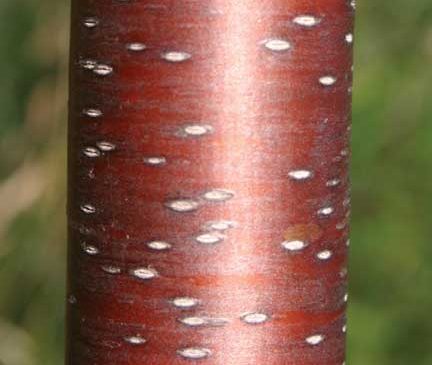
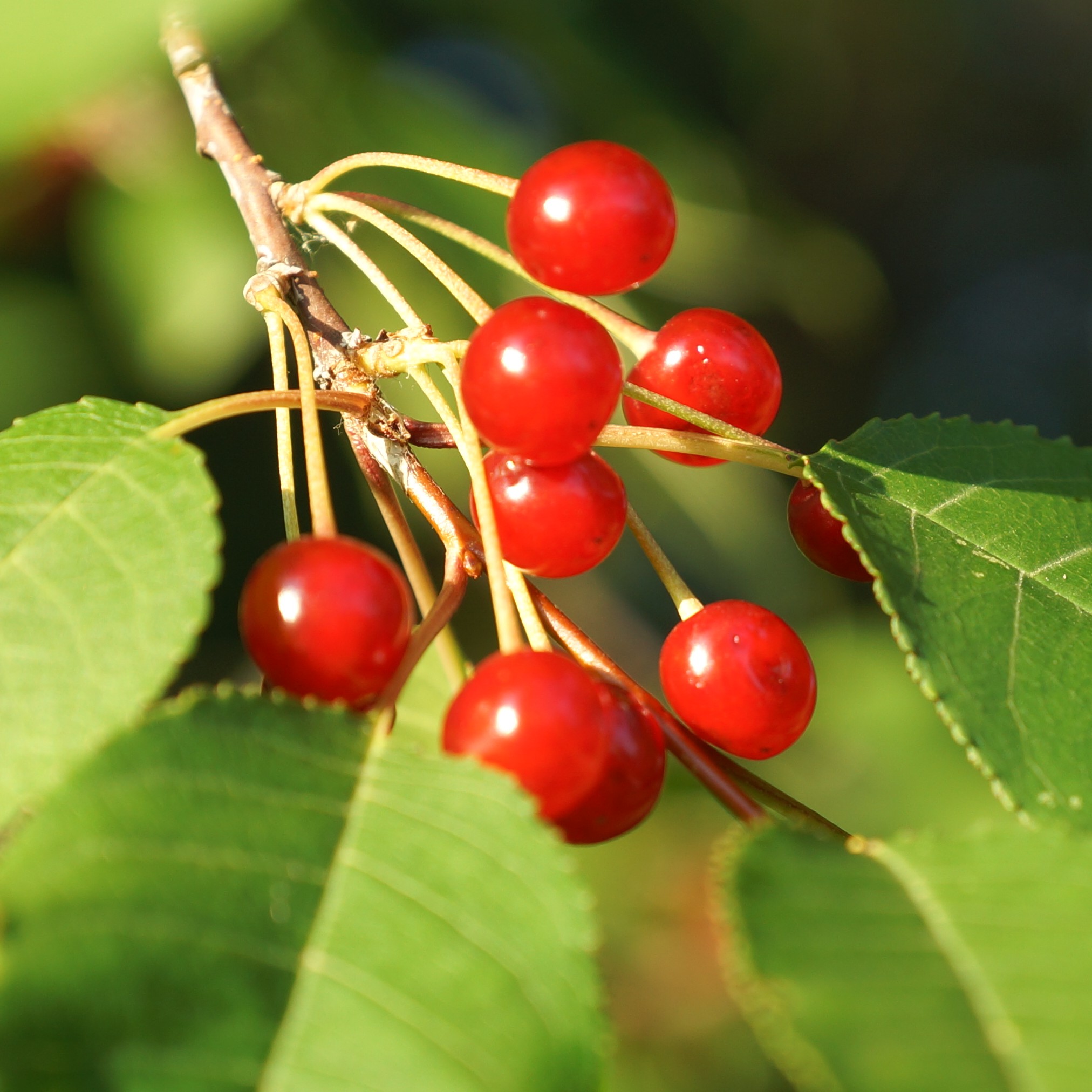
One of these seed selections was near the mouth of the Two-Hearted River. In this location, the bark was sand blasted bright red, and the trees were half buried by the blowing sand off Lake Superior and the nearby river dunes. This kind of gives you an idea of the durability factor of the tree. You would never find this tree in a landscape other than this. The top of the tree was reduced to a few feet which allowed me to pick and eat a few fruits and try to share them with my daughters. Pin cherry has a very powerful sour cherry taste which in my opinion rivals the Montmorency cherry. The yields on this tree and other nearby trees were very low. Typical of the tree is there has a small amount of pulp surrounding the seed. The clusters of flowers produce an umbel with few set fruits. It was only natural I try to grow this plant and see how it does under cultivation. I wondered if it would be more productive if I had several genetically different plants near each other. Maybe then it would be a cultivated cherry for its fruit.
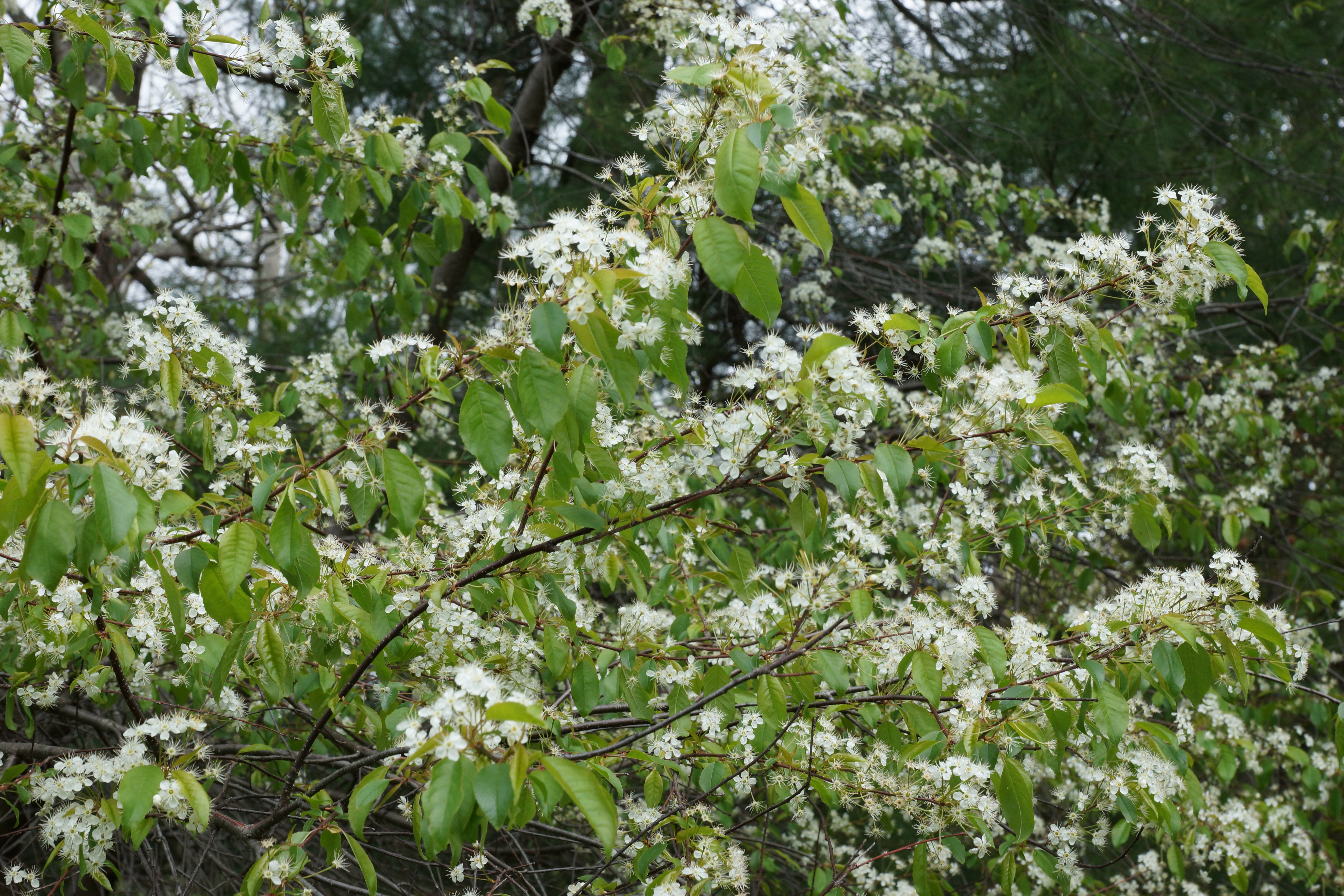
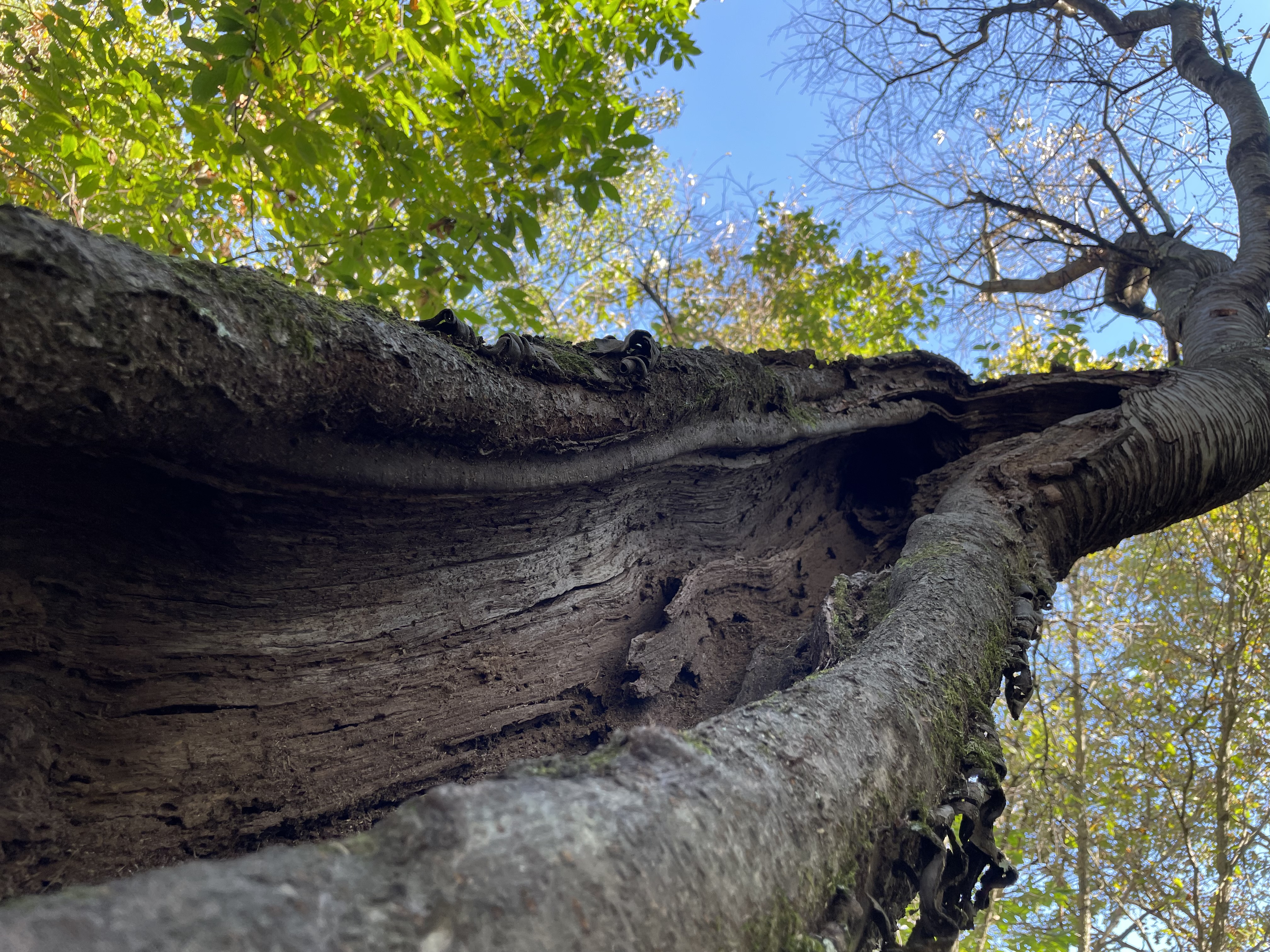
The first characteristic I noticed was its very fast growth rate which was nearly triple the nearby oaks I was growing. The foliage is spotless and the trees at my farm did not suffer browse from deer. When people saw the plants, they thought they were peaches. It took seven years to fruit from seed at my location which was at the base of a hill making it a frost pocket. The fruit production was light here too. There are several subspecies of them in the United States. I was fortunate to grow one called ‘saximontana’ which was from the western portion of its range and was slightly different. It is suppose to have larger fruit. Saximontana is slower growing and longer lived in the ‘trunk’ department. The suckers grow in dense groups in small clusters along a straight stolon. I was able to prune this group similar to a pawpaw colony with few lower branches. Unfortunately, it has not fruited for me or if it has the birds made use of them before I arrived. This is a common experience growing pioneer species where fast growth, clonal roots and light fruiting makes it possible for other longer-lived trees to seed underneath and around the plant. The mature pin cherry trunks begin to break down quickly and new suckers take their place. In my case, quickly was around 20 to 25 years. This was the limit and the point of no return no matter how you pruned the tree. It caved into itself and rotted. These hollow logs where then filled with animals like chipmunks and white footed mice which often stored seeds within the trunk.
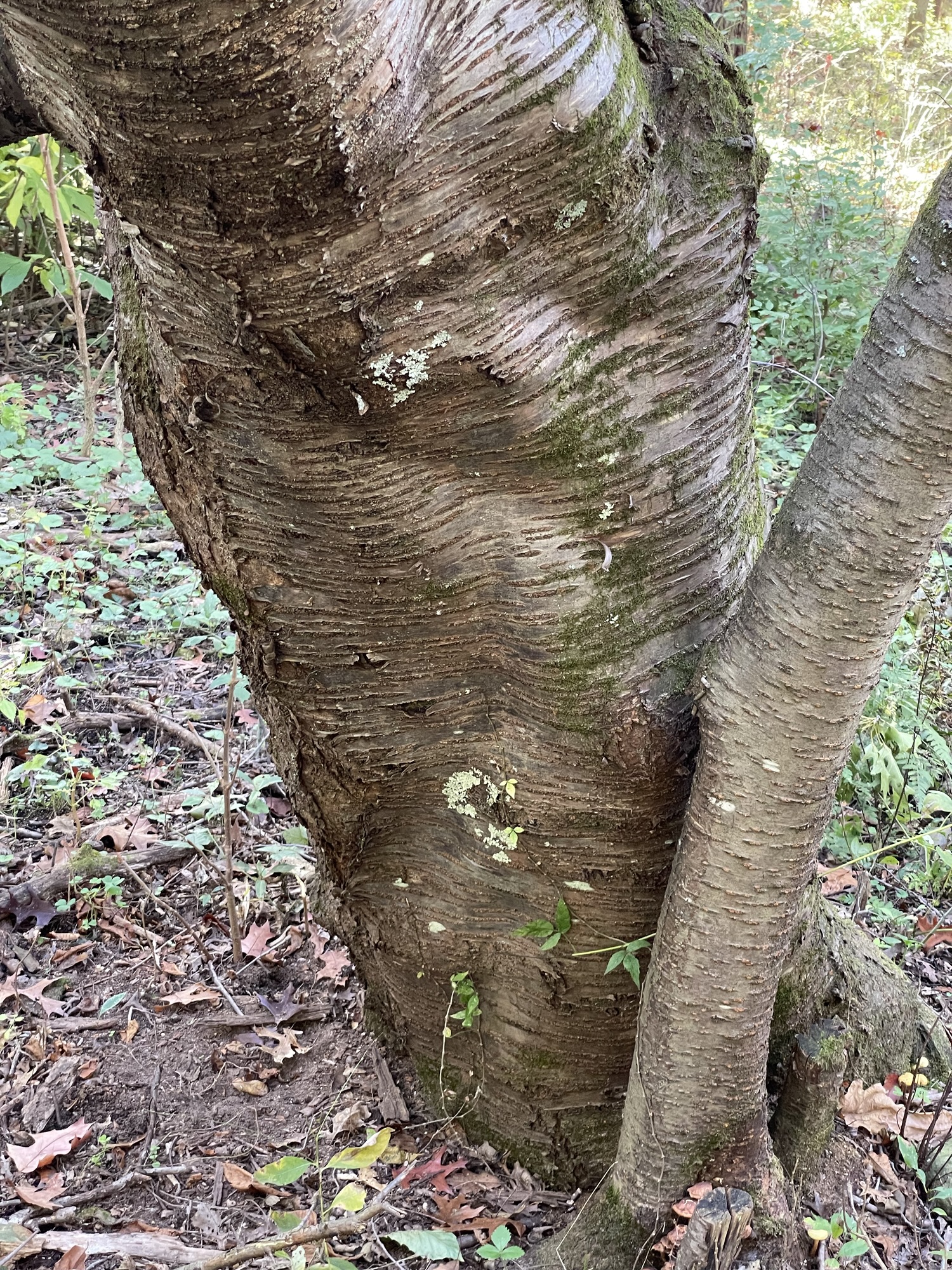
‘Pin’ means small. It is a small fruited cherry yet its effect is big. I think a better name might be ‘Gargantuan’ cherry because it can do so much so quickly. It creates the habitat for the forest to proceed. It could also create an orchard in the same sense of the sour cherry. There is some variation within the species to do this. Although the heavy fruiters is still on my plant radar, I did not get that far with my grow outs. I learned so much from this plant. To further reinforce my own theory of the pin cherry would involve creating additional seed sources collected throughout its range and putting them under cultivation. The issue becomes who would do this? There is so much skepticism in today’s plant world and beyond. I do have an idea.
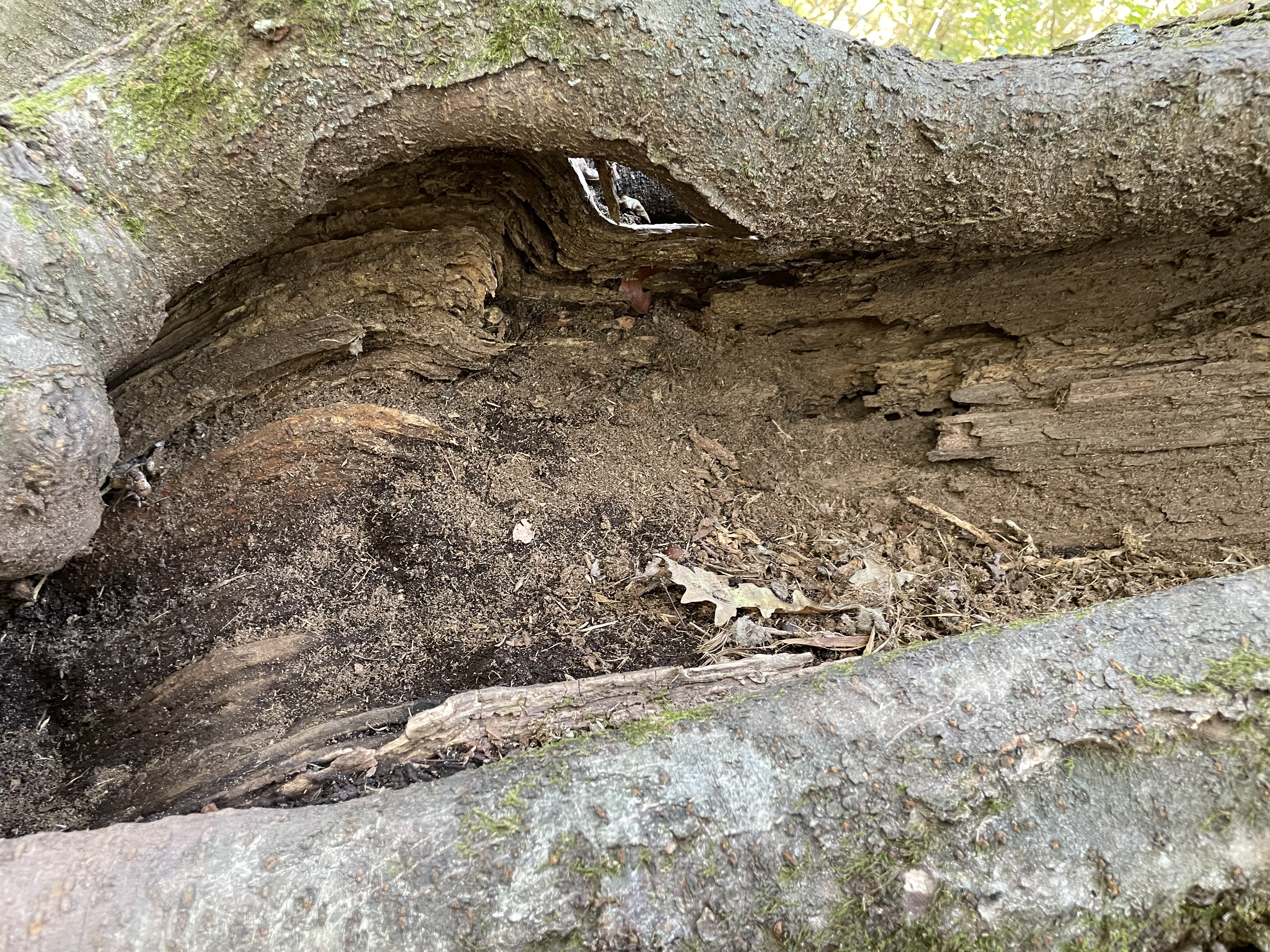
The pin cherry has fans but not a lot of them. This is what we could do. We would gather once a year at an undisclosed location. To be safe we would use the phrase from “Young Frankenstein” and say “put the candle back” in a certain tone and you will be allowed to join without criticism or judgement. Then someone would offer you black coffee and beans around a roaring campfire. From there we would discuss the power of the pin cherry and laugh late into the night.
Or we could just start a group and call it “The Pin Cherry Working Group.” And share seeds. That seems more practical and less dramatic which is actually more pin cherry-like to begin with.
Enjoy. Kenneth Asmus


You must be logged in to post a comment.