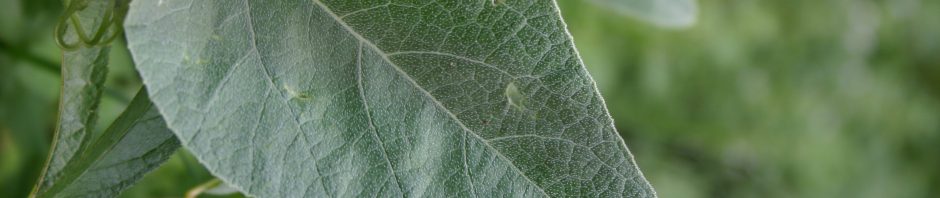
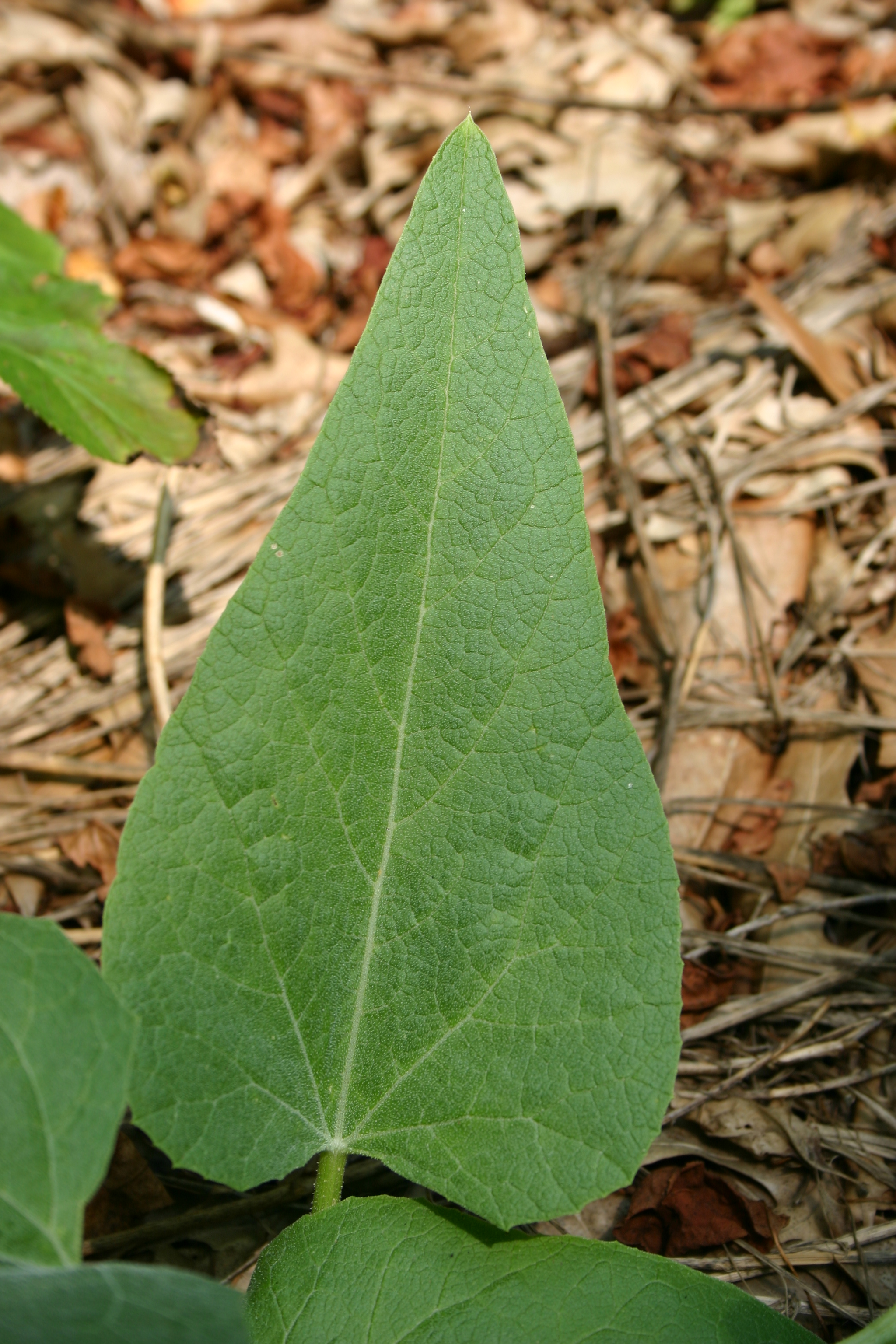
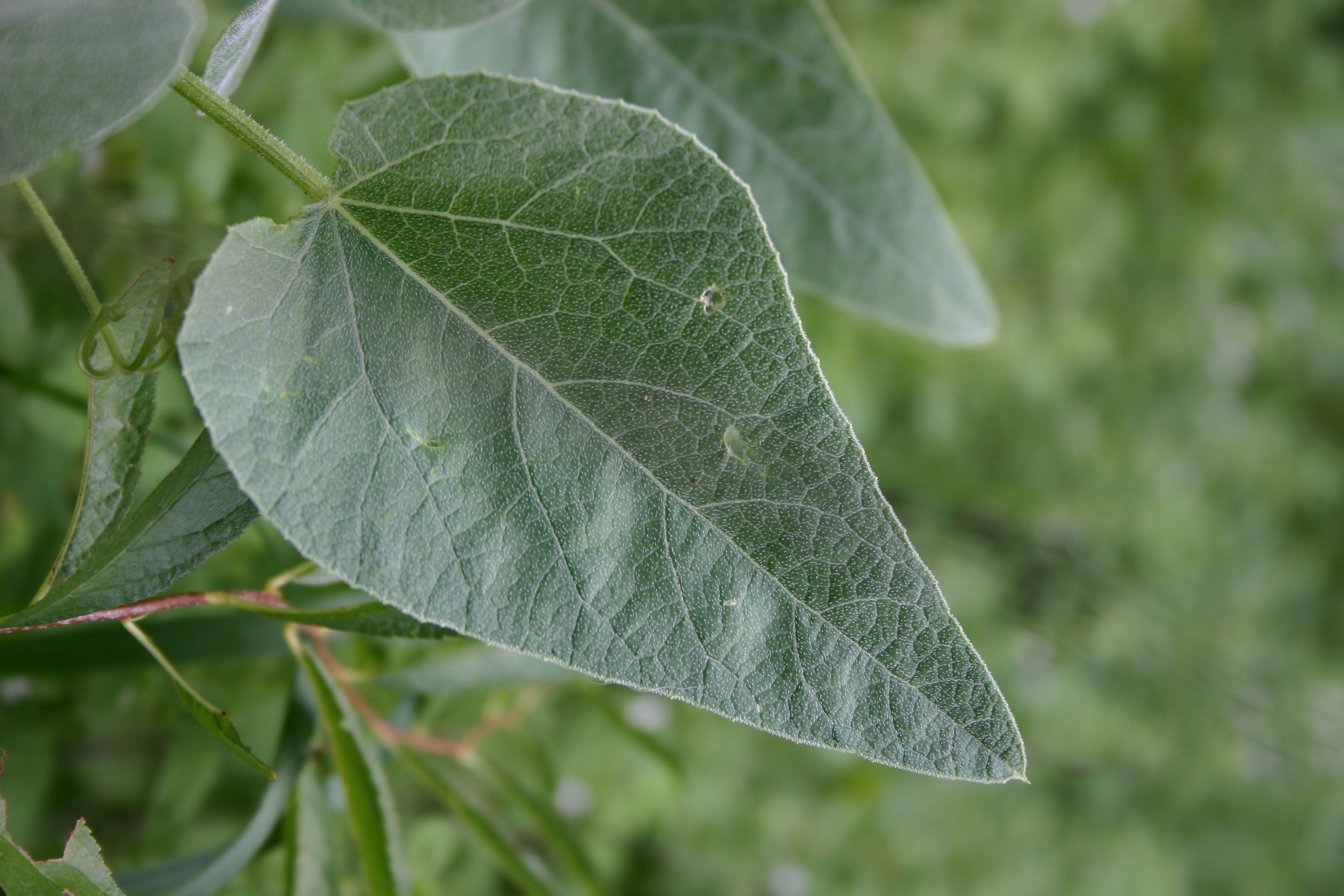
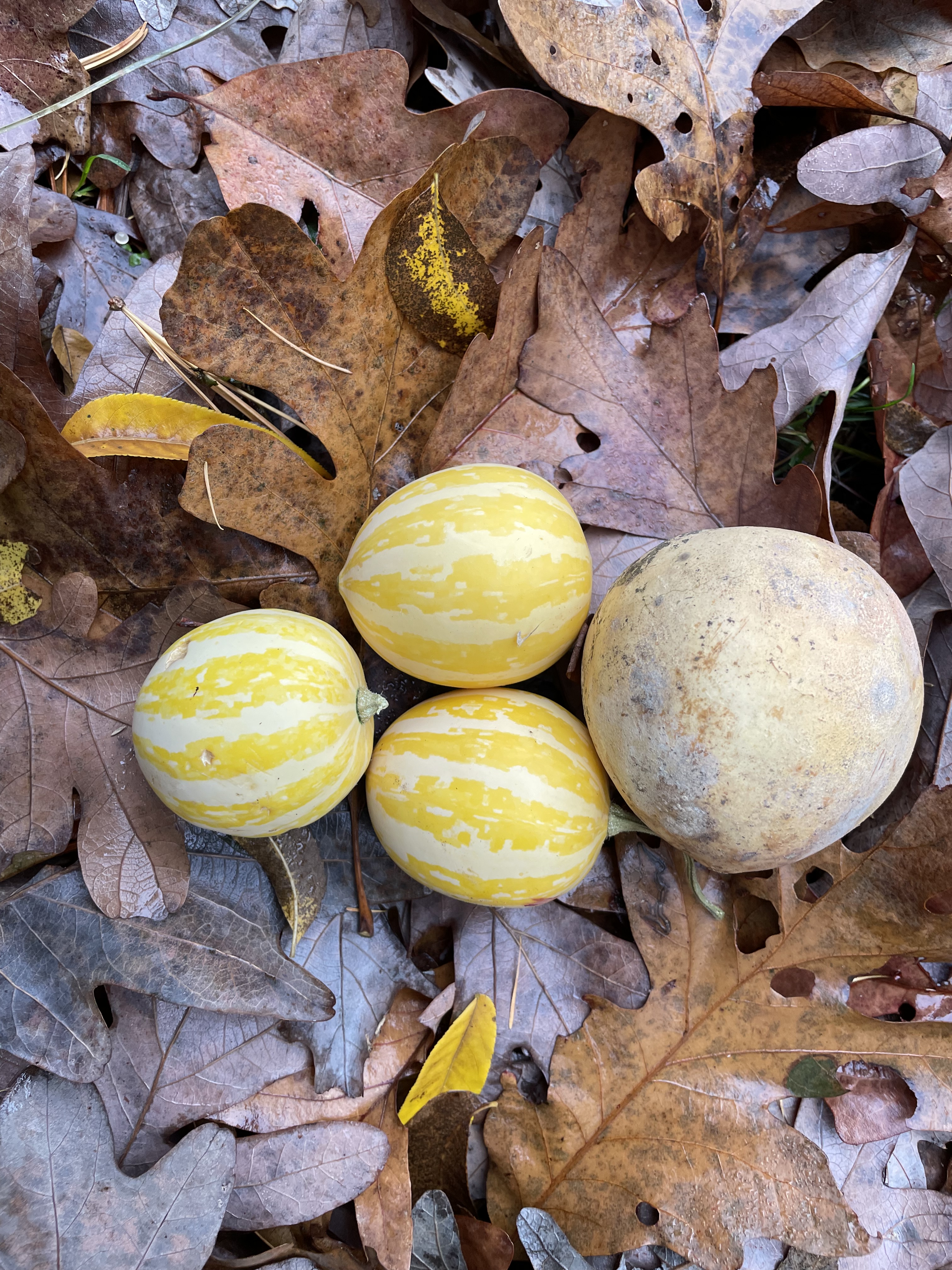
Of the many crop plants that I grew for my retail nursery, the buffalo gourd was one of the most fascinating. Frequently I searched for perennial versions of common annual food plants like squash. The buffalo gourd fell into this gourd-squash arena as a perennial plant. It was not cultivated and I think I was one of the first few nurseries to produce and sell the plants. It was a remarkable vine with super clean tidy foliage completely immune to animal and insect predation. What I didn’t know was that this crop plant was not a food plant as is. Like many gourds it was said to contain high amounts of alkaloids along with bitter compounds and saponins deep within the seeds and flesh. At the time, I quickly put the plant in my nursery catalog category as “Cover Plants.” The buffalo gourd fulfills the green cover aspect of a fast growing perennial vine with large tuberous roots and the ability to grow in hot climates, dry soils and uncultivated environments. It was the coolest looking vine that I had ever grown. Even the flowers were amazing and very showy. The smell from the foliage was pungent and difficult to work around. Just brushing up against the leaves sent out the message of stay away please.
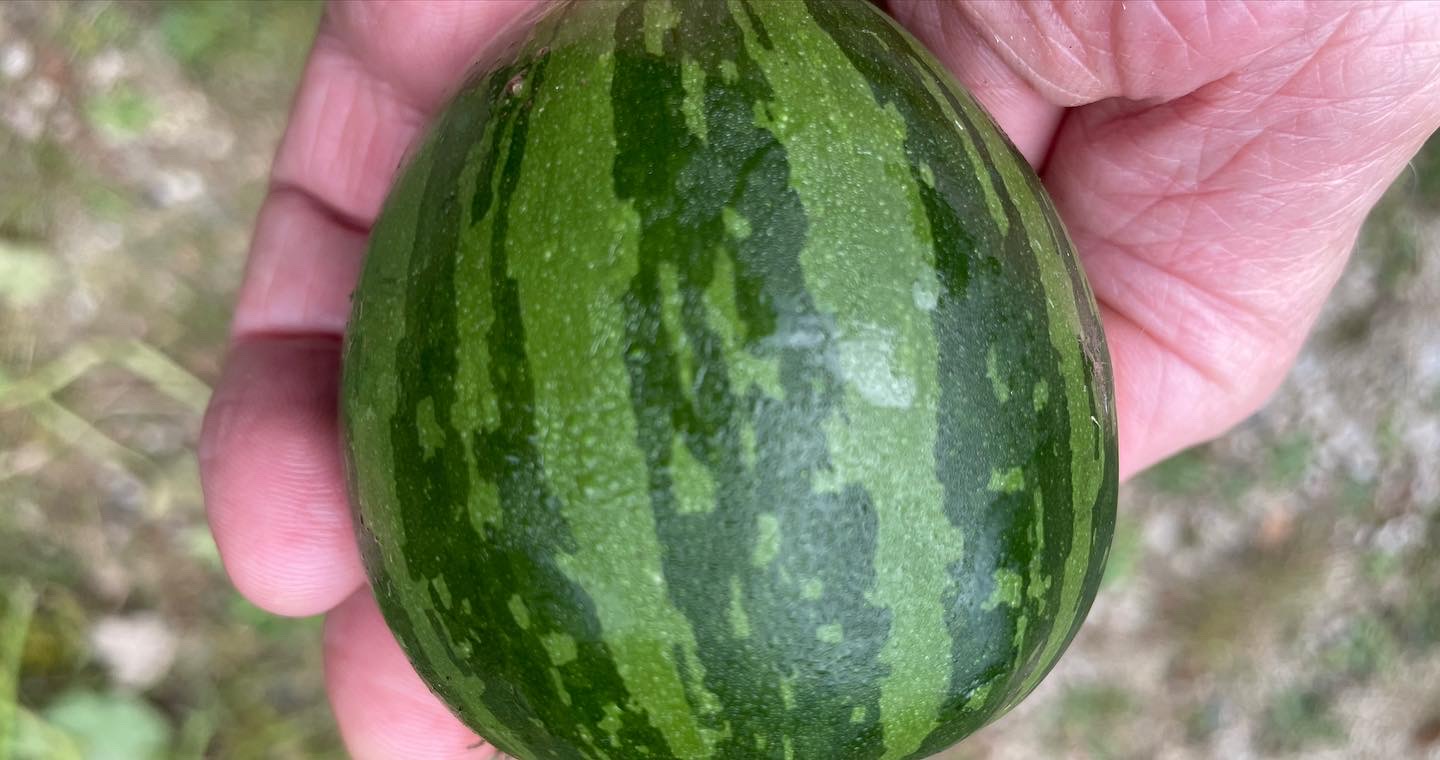
I had first read about buffalo gourd in one of my Michigan botany books being found not too long ago near a railroad line 40 miles from my farm. It was thought of as a kind of botanical fluke in many ways as it seemed so out of place that many thought it was brought there by the early Native Americans to the region. In southwestern Michigan, we have remnant prairies in many places. I was fortunate to visit some of these locations with an ecology professor in my class of “Ecology of Southwestern Michigan” taught at Western Michigan University by Dr Richard Brewer. I began to wonder if I could grow it and see how it performed as a perennial squash. It was Eric Toensmeir’s first seed company that came to the rescue along with the great J.L. Hudson Seedsman. (Originally a Michigan seed company) I tried to coax a customer in Oklahoma to send me a box of buffalo gourds she had found along a creek bank and creek bottoms on her property. She said it looked like a field of golfballs in the fall. This type of location is typical for buffalo gourd where ticks, poinsonous snakes and in ground bees make a living. They don’t care how much you were paid to harvest gourds either. Cash doesn’t give you special access. She said no thank you. I fully understood. Her teenage son refused as well. But wow, a field of golf balls? I told another Oklahoma customer of mine I wanted to vacation in Oklahoma to collect gourds. I suggested the state promote gourd hunting. It doesn’t run away and no one will eat it. But it does make a nice rattle after drying.
I began propagation and put as many of the plants near my barn on a slope of a hill with mulch mats around them. There they grew for about a decade. The moisture levels in the soil during winter and the cold hardiness was an issue. The last few plants finally grew large enough to fruit. Only two fruits were produced and finally the planting died out entirely. When it came to actually taste testing the fruit and seeds and you get past the fetid smell of the foliage, it is not possible to eat. It is extremely bitter and rich in saponins. That soapy feeling lingers. Just putting my tongue on the cut fruit took a good five minutes to recover despite several rinsings. My employees noticed me hung over the sink with the water running full blast. The seeds once dried are equally as bad. I never had enough to roast or boil for further tests. I was kind of thankful for that. If you were to go to the Wikipedia page of Buffalo Gourd you will see the word ‘edible’ over and over again. You will read how the fruit is eaten by humans and animals without blinking an eye. Why is there such a discrepancy between my experience and the reader guided writings of Wikipedia?
I have several theories. Direct experience is left out entirely. Not mentioned is the specifics in processing the seed for oil, feed or the cultural ties of the native Americans and how or if they processed them for food or medicine or both. Many vendors of the seeds say point blank it is a poisonous fruit and seed and should not be eaten. There is a little wiggle room according to some in that the immature fruits can be eaten yet you do not see this in the literature of historical use. My green gourds never ripenened fully in Michigan and did not turn yellow. I did not roast or boil the seeds and process them in some way to make them palatable. I had a small seed source from one plant which is a very small of sample. Maybe I am missing the bigger picture. You do see the reaseach on biofuels, root harvest and potential for its edible oil but without any whisper of what the heck are those bitter alkaloids and saponins doing in there and how to remove them easily?! Thank goodness for YouTube were only direct experience will do. Both a forager and a permaculturist in their attempts to make it edible say “Nothing to eat. Move along. You could get sick and die too.” If you take a look at Moerman’s “Native American Ethnobotany” there are many important uses for it’s medicinal properties by many tribes in North America. There are very few mentions for its food value of which one is listed under unspecified. The resources needed to make buffalo gourd safe to eat would have taken considerable time and energy to prepare is one reason. The other is there were already the edible squashes and pumpkins in North America which were already completely free of compounds damaging to the human physiology and they tasted delicious. Flavor makes it happen.
Not to give up entirely, I purchased both seeds and plants from as many vendors as I could find this fall. In the range of a widely distributed plant like the buffalo gourd, the first thing you will notice there is a lot of other gourds called buffalo gourd. And those labeled with scientific nomenclature also show quite a bit of variation whether it is in southern California or Texas. The plant is also found in Ohio. There is likely some misidentified plants too. Botanists tend to dislike that but to me it is another discovery. I don’t care if its misidentified. I kind like that someone found something and they too do not know what it is. The reason for this is the buffalo gourd is a complex hybrid of two or three plants and stabilized on its own due to isolation over time. If you bring some of those other plants in its vicinity again, then the hybrids will spontaneously form again. To me this shows that the variations could easily produce a pumpkin or winter squash. It is just you don’t want to be the first person to make a pie out of it and feed your family. Scientific testing would play a strong role in the perennial pumpkin idea to make sure it is not toxic or damaging in any way. Another aspect of it should be noted: is this really of value? How can this benefit people including farmers that grow it? Or is it locked into your private breeding dream rich in fantasies with little effect ?
The buffalo gourd represents the dynamic nature of plants and their ability to change over time. It contains within it the seeds of a delicious edible squash and oil crop. That edible crop plant today is not fully expressed in terms of its outward population and in terms of human applications. It is medicine for the environment but it is not food. You could create a new crop from it as a perennial pumpkin or squash as food. You never know what you will find until you cultivate the plant and experience its natural tendencies. Once a long time ago at my farm I successfully hybridized a wild form of pumpkin by accidentally crossing two very distinct species, one of which was poisonous. The results were amazing. A single vine grew over an half an acre in size tapping down on each node an immense root system. The result was a completely seedless squash. The fruit had a nice aroma. It had a slight bitterness to it. No seeds were formed out of a whole bushel of fruit. I found that very fascinating, Eureka! I had found hollow pumpkins with no way to replicate it. It highlights the power of plants moving in unseen directions. They are following a trajectory of least resistance and maximum effect. This in turn connects you to the buffalo gourd with the goal of a perennial pumpkin and squash. I truly believe I saw the beginning of a one plant per acre pumpkin capable of reproducing itself from its perennial roots tapping into the rich soils and subsoils so critical for human health.
2026 is the year of the Buffalo Gourd. We will grow deep, spread far and be fruitful. Like all plants, the buffalo gourd improves everything it touches. I will try to follow its path and do the same. Join me.
Cucurbita foetidissima Michigan Oikos Tree Crops Farm
Enjoy. Kenneth Asmus


 biologicalenrichment
You must be logged in to post a comment.