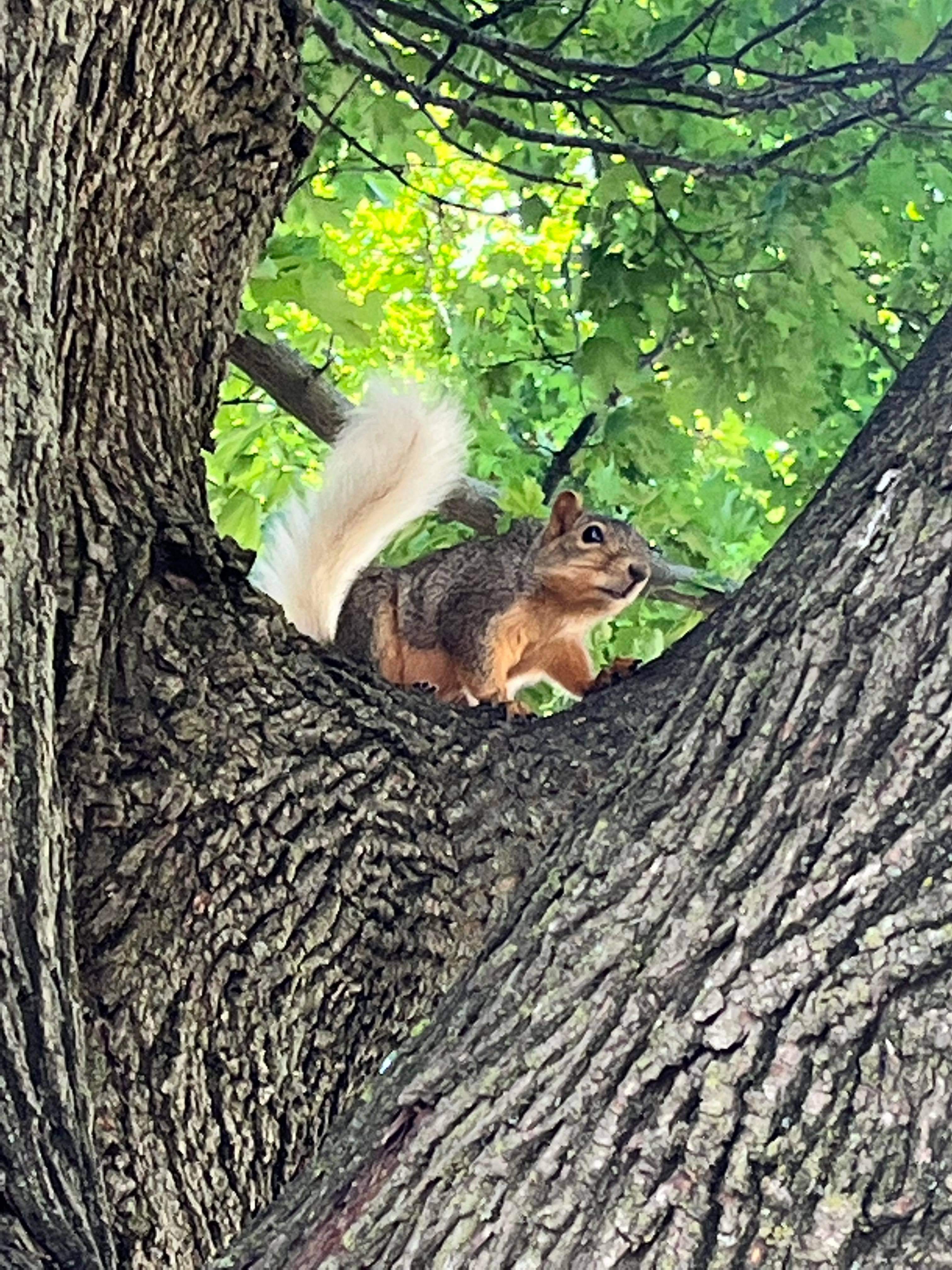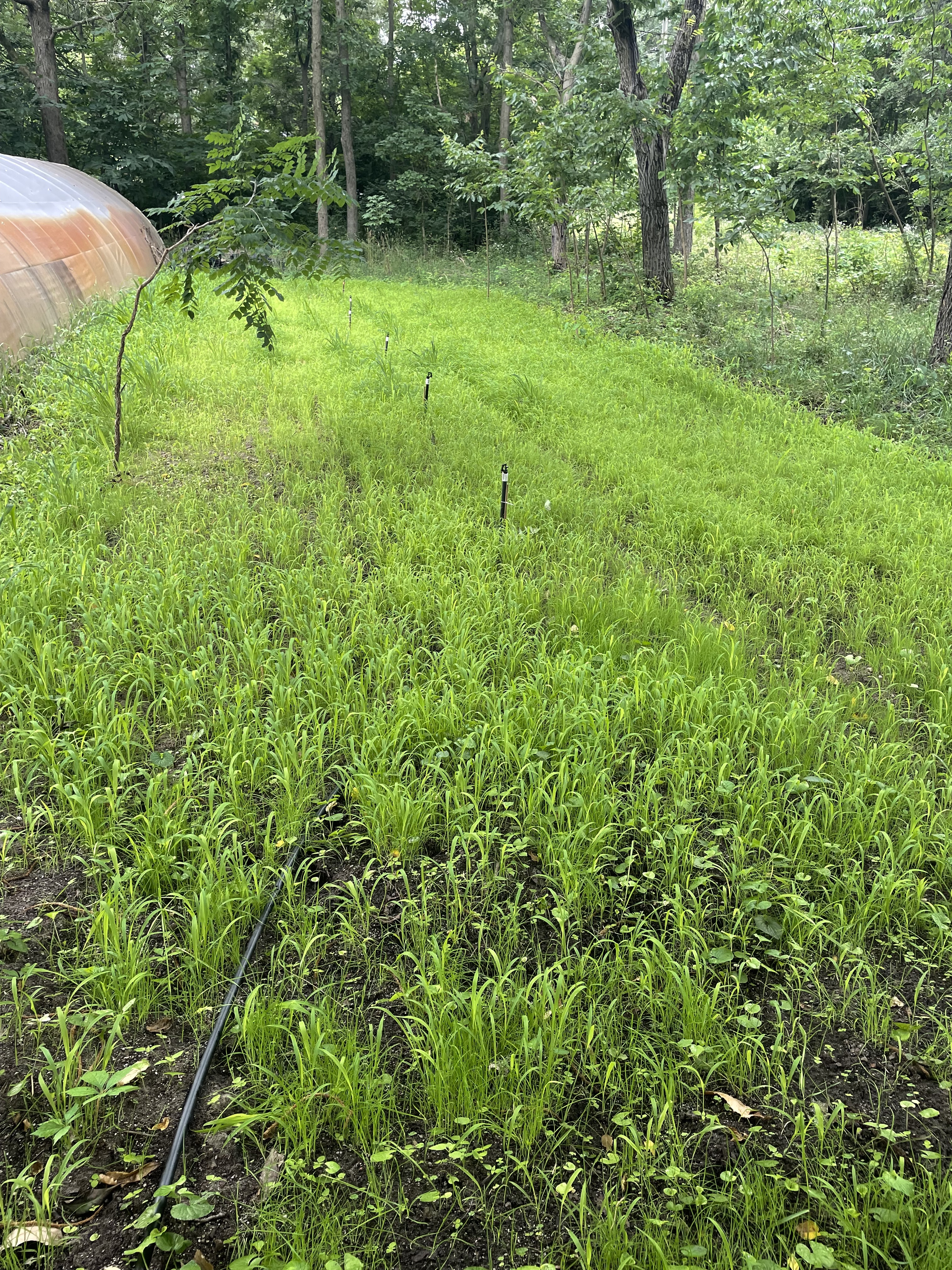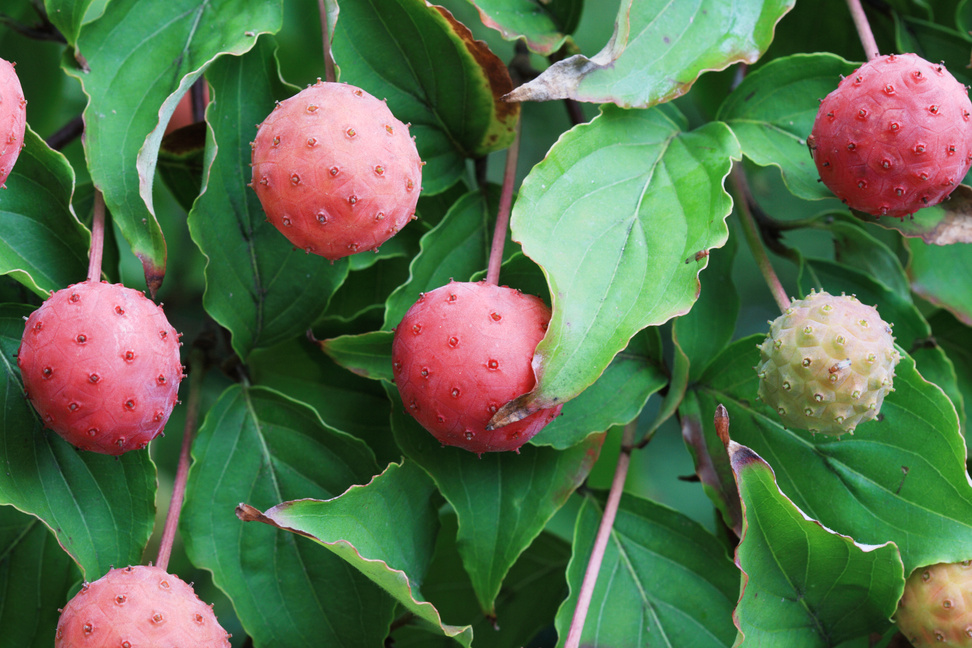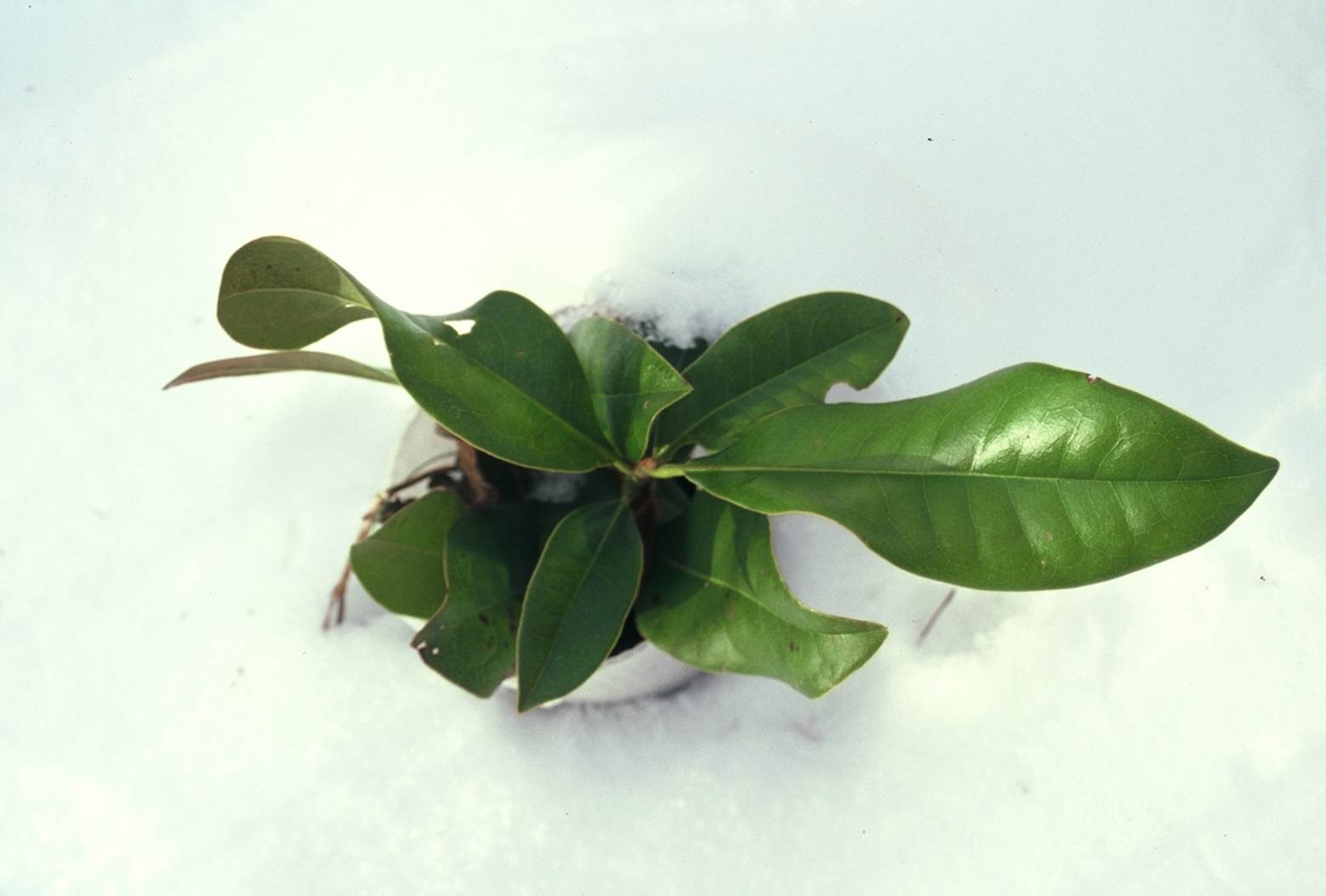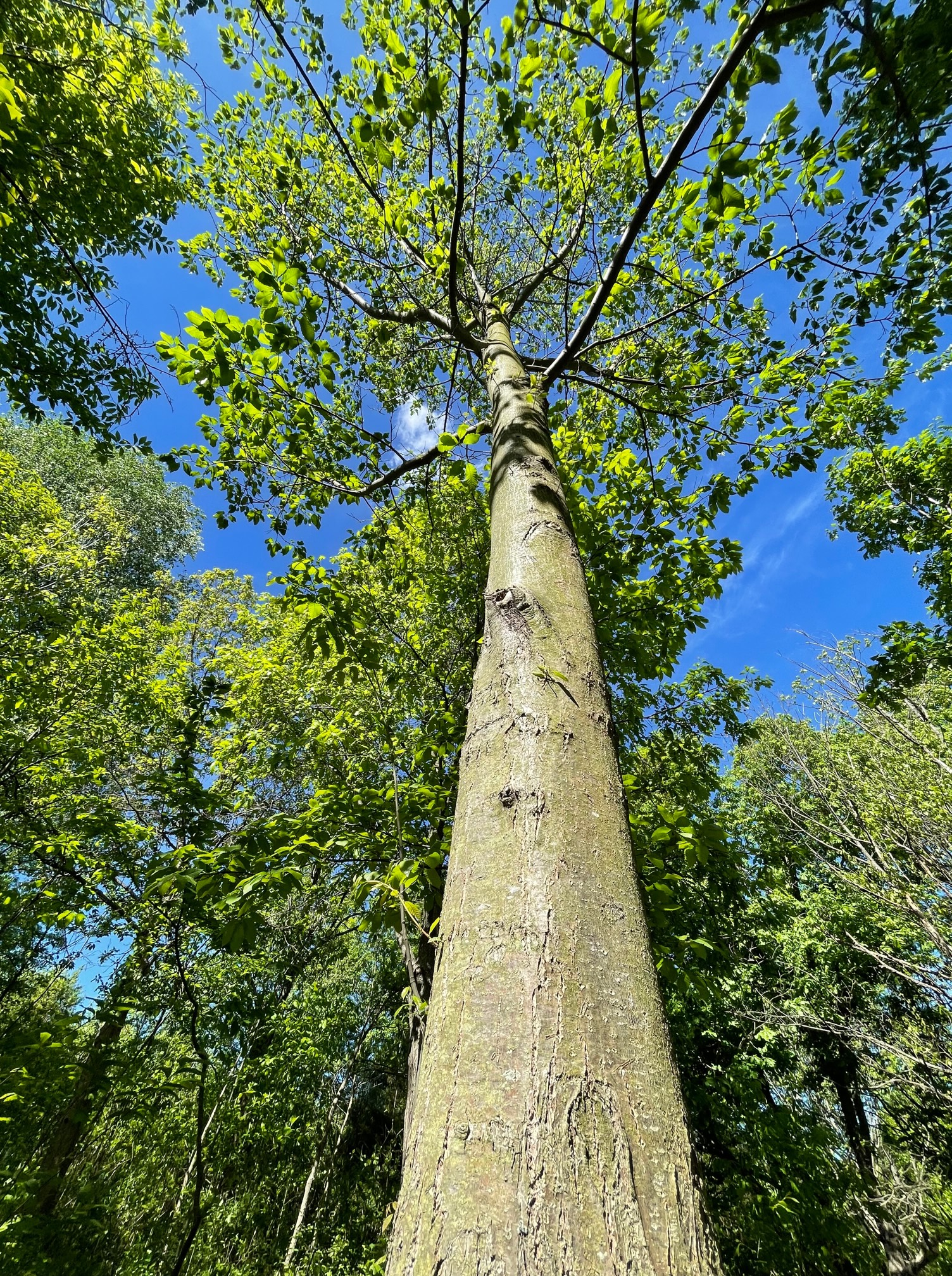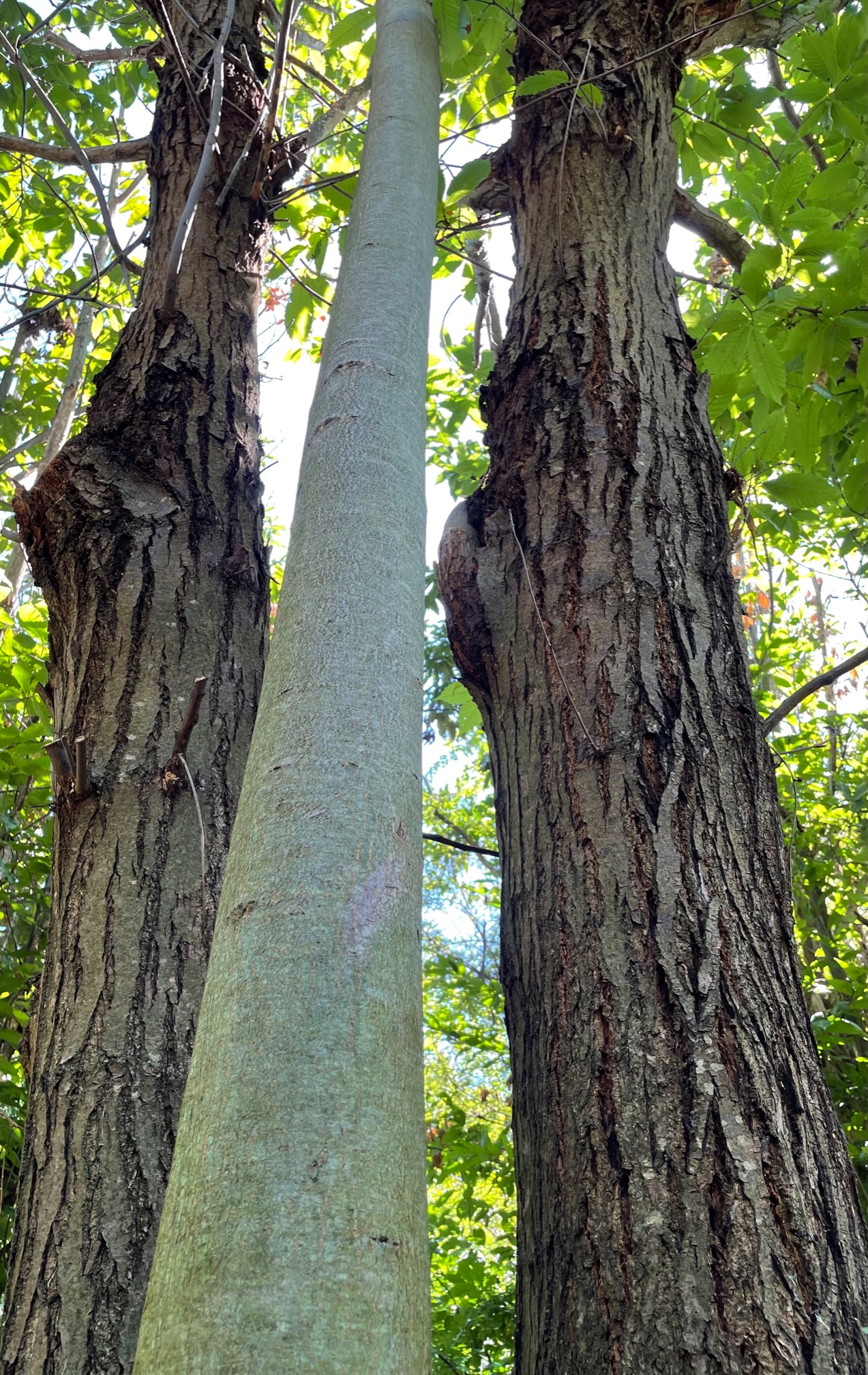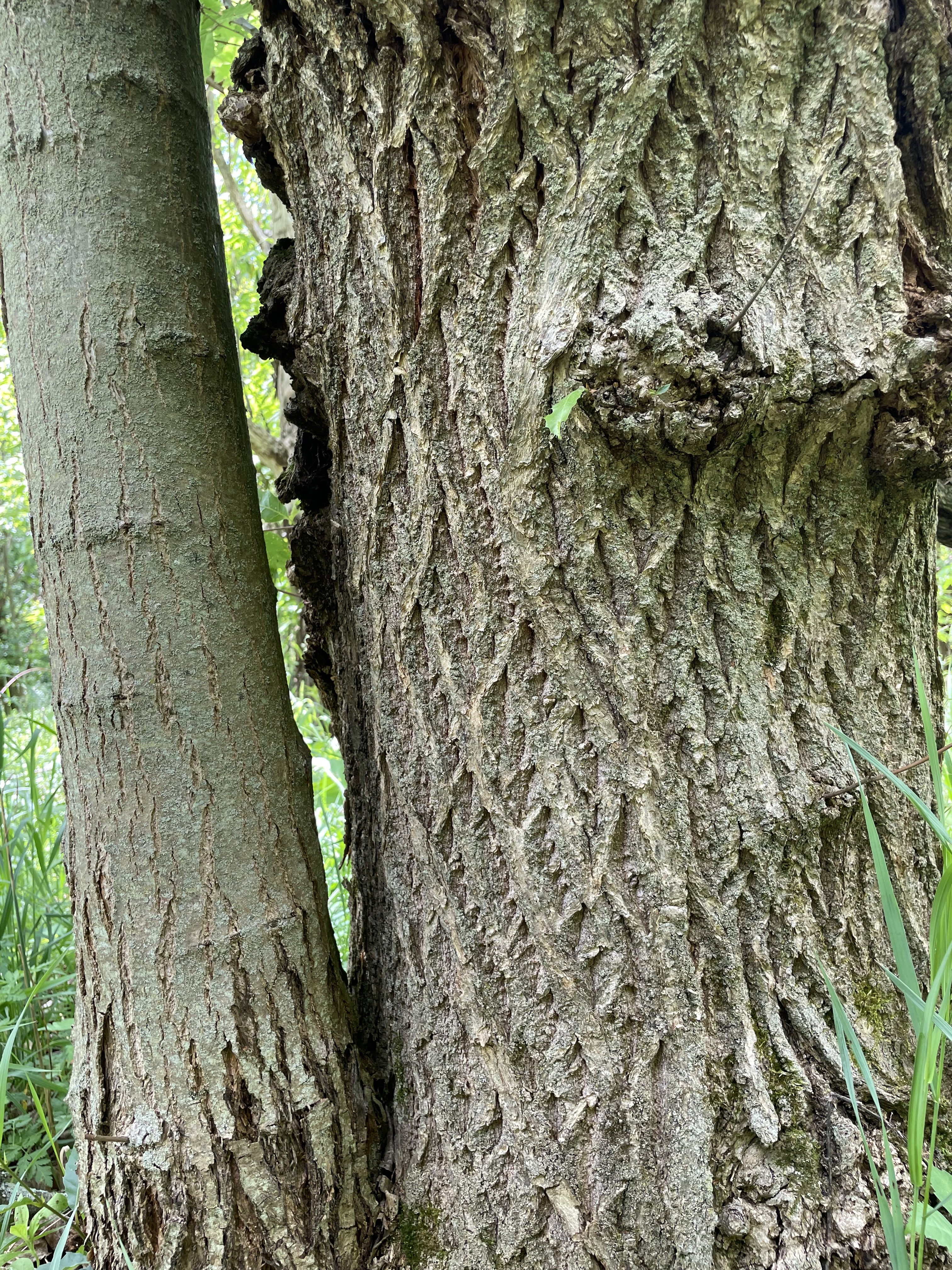
Many species of woody plants survive only because people move them out to new locations where they would never be found ala naturelle. They may provide a source of seeds which can be used to create additional selections. Like the northern short season pecans at my farm, they can create whole populations instantaneously. Humans are natural vectors and bring huge benefits in the movement of plants. Moving and cultivating plants helps the environment prevent ‘vegetative’ stagnation through their symmetry breaking actions. The people who interact with the environment daily, like farming, benefit immensely from this activity. The origin story of alfalfa, the Grimm alfalfa was done by this method. Today it is the third largest crop in the United States. Normally there is no commercial value. Instead it is someone in love with the plant and wants to bestow to the land a plant never seen before. Over time the person who did the planting may have long ago moved away and the source remains a mystery. No one sees it for years until by sheer luck with someone with horticultural experience finds it. Such is the case for Southern Magnolia. For me, this was the one that got away. Here is how that went down on my terra firma.
The image above represents an individual plant in my little plantings of the coldest hardy Magnolia grandiflora I could find. I grew all of them from seed from the most extreme outliers of cold hardy individual plants that came to existence mostly through human intervention. I planted the seedlings outside as one- and two-year plants in these small plastic collars to protect against the elements. I mulched around each tree. I treated those trees like they were given to me directly from heaven. At some point I had over 40 plants outside growing in various stages. They were planted on a north facing slope somewhat protected by the oaks, pears and hickories I planted a decade earlier. The goal was to obtain a fully hardy evergreen tree to 80 feet tall. Why not? The species grows like this already. It was not like I was going to have to reinvent the wheel. Nature had already created it. The difference was I was growing seedlings and wanted to recreate that in the state of Michigan. As time went on, my little trees failed one after another until finally only one was left after a decade of trying. This one tree was impressive and grew to 3 ft. tall. But it too suffered huge damage in many winters. The seed sources go by names like “Minus 22F” and “Indiana-Wants-Me” and others. It turned out I was not alone. People were into finding this southern species because it is such a classic tree in North America. Everyone is on board. Even today you see these new cold hardy varieties meant to fight off the winter winds. The bottom line is this: no one I know grows them in cold areas like Michigan. It’s more like the Tennessee of winters. This is not the same. Go outside in your pajamas when it’s windy in January. There’s a difference. You might be able to get the mail but you’re not shoveling snow. The plants know this. People not so much so it’s a sort of genetic roulette.
I believe I approached my plant project with too much project like mentality. It was a long process. The seeds were very difficult to find let in good condition from collectors. Magnolia seeds once dried are not possible to resuscitate by adding water. The embryo degrades quickly when dried. They were erratic to germinate compared to other Magnolia seeds. If the fleshy seed cover is not removed soon after ripening, then the seed rots easily. You must do several cleanings to get them spotless. The seeds require a moist 90 day refrigeration between 34F and 38F temperature regime. The first-year seedlings are small so I kept them in my polyhouses for two years before moving them out to the great outdoors. The polyhouses did create a Zone 7 Tennessee winter with minimal fluctuations and no wind. Any broadleaf evergreen benefits from this cozy treatment.
I began wondering if it was the consciousness of the individual who loved the tree that created its hardiness. The grower creates a bond of friendship and to a certain extent it is an expression of happiness to see each other every day. The tree then responds to its caretaker no matter where that person lives. Maybe someone lived in the southern U.S. where the tree grew in great abundance, and they brought it with them. I think there is some truth to this which then entertains the idea of plant and human connections.
Recently I was contacted with a lead on a giant Southern Magnolia tree rich in cones not too far from me. We are currently making plans to obtain cones and cuttings. The collector also grows plants and he remembers the loss as the one that failed. He cannot forget it. For both of us, it is the memory of a beautiful plant that has a great potential in a northern world that increases the motivation of finding a means to make this a reality. Finding a novel seed source is the start.
ON SEED SOURCES:
It is generally thought that a plant growing in an area for a long period of time is adapted to the climate and conditions around which it resides. What is missing in this understanding of adaptability is what I call the ‘loner’ plants. ‘Loners’ are individuals that defy the odds of survival somehow and don’t fit into the nice smooth lines of the range maps in the botanical literature. This is because the smooth lines are actually dotted, and the range is porous like a membrane which is always expanding. The dots can extend in all directions sometimes hundreds of miles from what is thought of as the normal population. Bur oak is a good example. It is found far out west to the point people often view it as human induced populations. There are palm trees in the United States like this because coyotes and migrating birds consume the fruit and can travel long distances creating disjointed populations. At my farm I have several Georgia seed source baldcypress and Alabama hybrid oaks completely adapted to Michigan with zero winter damage. Here I took the ‘quasi-loner’ plants from a population that had problems surviving and selected the most vigorous and hardy plants from the population. Every once in a great while, there are ‘loner’ plants that are super isolated. These may or may not offer a population of adapted plants. They might be that unique that the population of seedlings they produce is not adapted in the surrounding environment. There is no way to tell unless you actually grow the plants and test them. ‘Loners’ can create new populations, and these can then expand the plant into new horticultural and agricultural possibilities. It appears with the southern magnolia; hardiness is not just a one plant solution. To create a solution, find several hardy plants and grow them in windy unprotected and Zone 5 locations. Now you have a place to start should you collect other ‘loners’ turning them into a community of likely individuals to create the population you are looking for using all seed as they mix together.
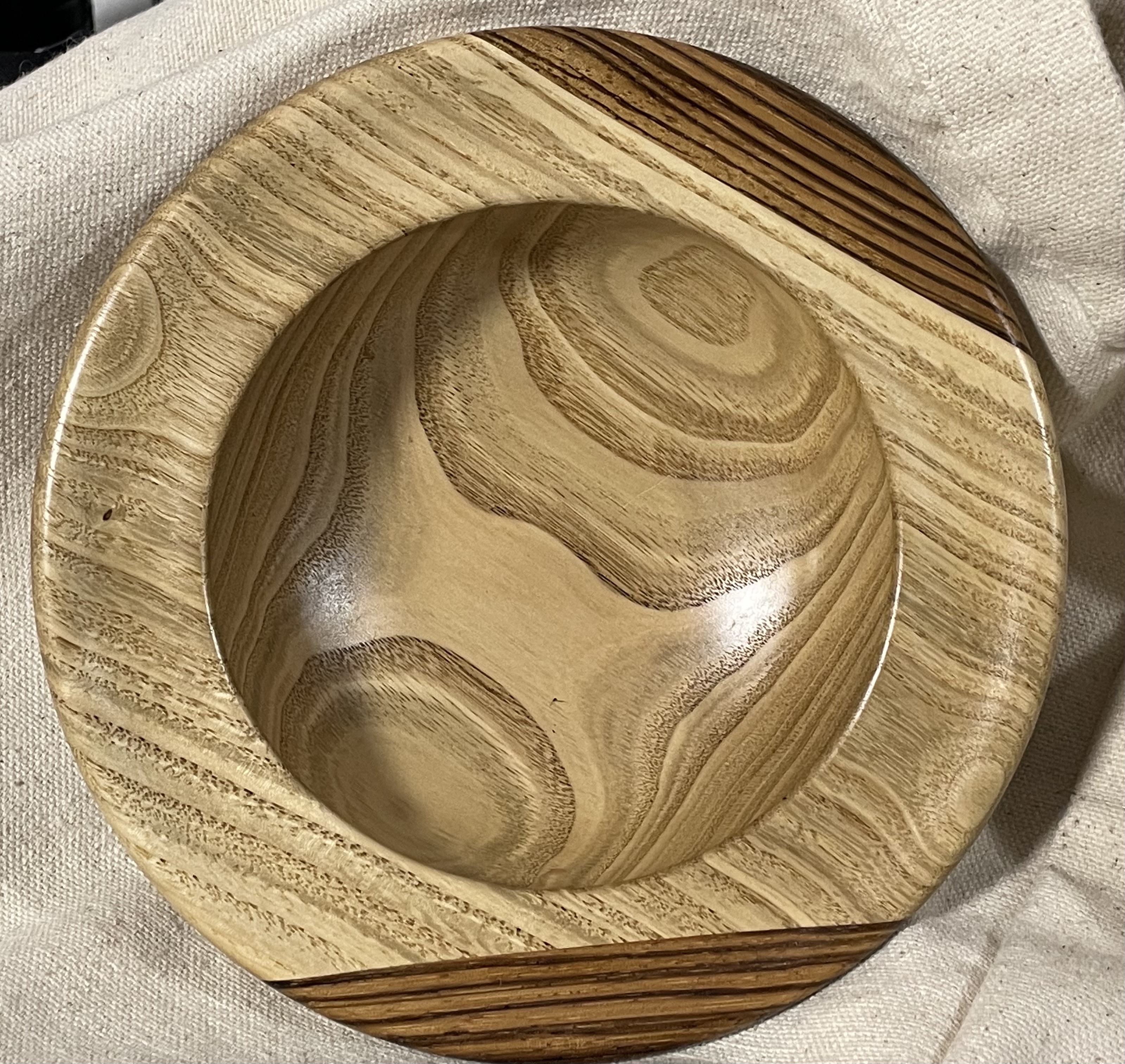
Thanks to a previous generation of growers who appreciated and loved the chestnut tree for its nuts and wood quality, I was able to grow the hybrid populations on my farm. From these seedling American hybrid nuts, I was able to create a small orchard on a 20 by 20 foot spacing specifically for seed production for my nursery. At the time, there was only a couple of places to obtain the nuts to grow and then sell the plants via mail order. Every now and then I sold them to other retailers to sell too. The highest part of my production got to a couple of hundred of pounds every year. The populations were small and experimental. As I got to know many of the individuals producing the seed, I found out their crop was an adjunct to their life which helped pay the taxes and maintain their hobby ‘art’ farm. This summer I am continuing the tradition with my ‘art’ furniture project using all hybrid American chestnut wood. Every time I look at the drying wood and coppice I have stored, I remember who I purchased the seed from and how the trees looked prior to going plank after the milling. Here was my life captured by a chestnut tree in wood. The rings spoke to me in some cosmic way. The last time I offered the wood to a local turners association they were very happy to have it. The one caveat was it had to be looked at by an expert under magnification to prove it was actually chestnut wood and not Aesculus or Quercus. Once he gave the thumbs up, then it went up for auction.
American hybrid chestnut wood bowl with zebra wood edges.Viva American Hybrid Chestnut
My plantings were done with the intention of never having to harvest the trees for lumber. Yet here I was 30 years later with a shiney brand new chainsaw ready to go. Lost but not forgotten was the new progeny that seeded in surrounding the dead trees. Selected for fast growth and blight resistance, I soon began directionally training these new trees while keeping as many as possible while adding new species outside of the genus Castanea. It is one way to add diversity while maintaining the new and emerging chestnut forest. Out of all the tree crops I grow, the chestnut sections were very accomodating to new species of woody plants including their own progeny. It was a simple thing to create and involved a certain cut this and save that philosophy to keep everything healthy. Many of the nuts planted were done so by squirrels and white tailed deer who press the seeds into the dead leaves and grass. Chestnut leaves do not degrade quickly and add a thick mulch under the trees.
There was a simple way to follow this selection and my growing ideals using the path of least resistence.
Things that slowed progress.
Never read about breeding chestnuts or breeding of any plant. It has no real value. You can do much better on your own. I have rocks to pick in my field. Much more joy in picking boulders dropped from the last glacier that came by.
Put no energy into researching other chestnut selections. It’s fruitless in terms of actual useable knowledge. The trees may be pertinent to an orchard system to some degree but not when you combine timber growth and nut production. This is a kind of a inbetween area where you favor a tree based on other characteristics not common in orchard plants.
Avoid all modern institutional and non-profit organizations who are out to improve the chestnut. The definition of ‘improve’ is a subjective term. The improvements never quite come to fruition and require huge resources to continue. They inevitably become mired in yesterdays science while they pat themselves on the back. Back to picking rocks from the glacial till.
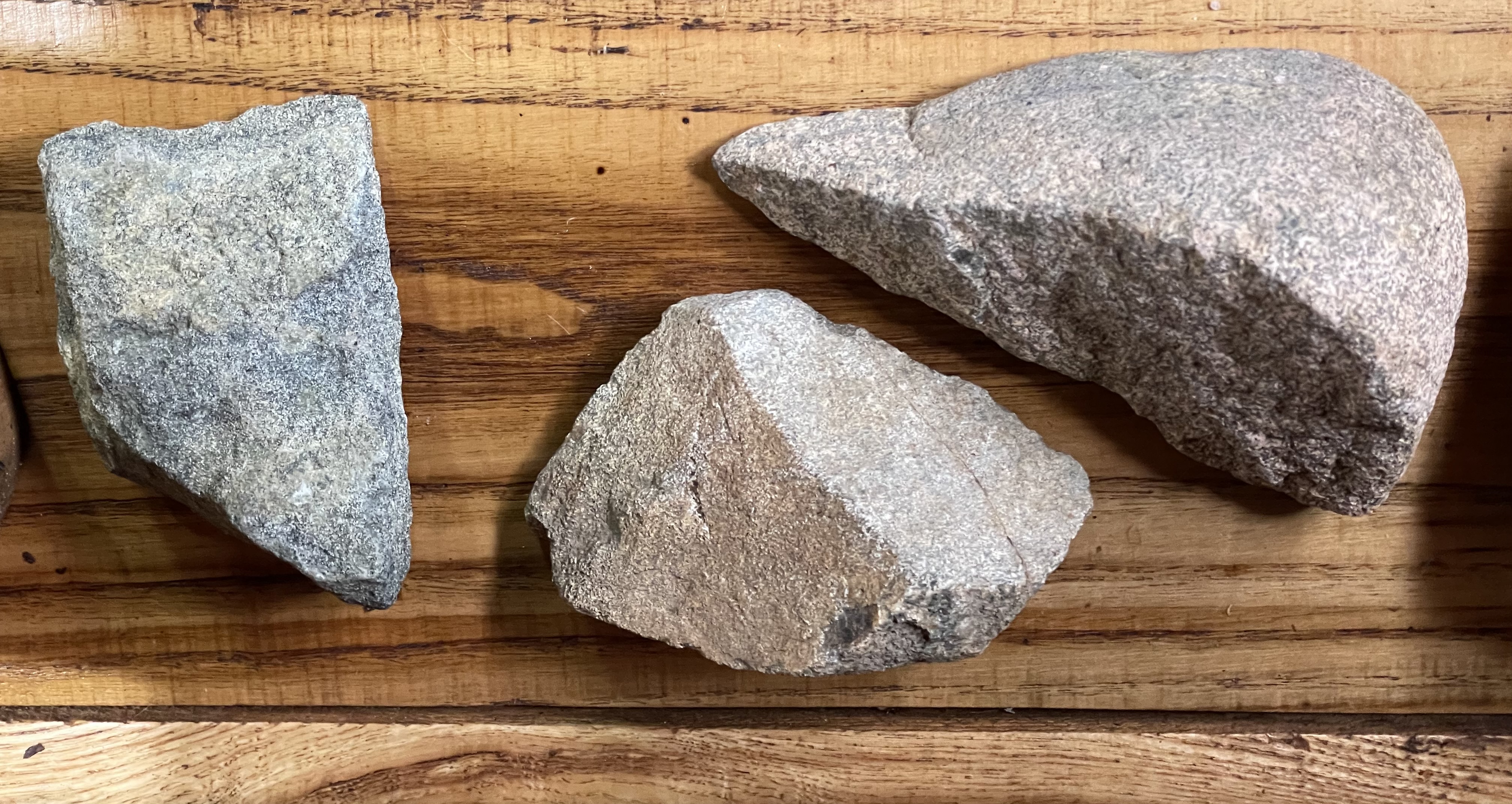
Art from Ken: Glacial till on American hybrid chestnut wood. Or “Rocks I Found in the Field While Digging Holes When Planting Trees”Ken’s Select American Hybrid Chestnut Seed Selection
Things that speed progress.
Find small samples of chestnuts from trees that look spectacular as yard trees or from older homes. Contact the owners. I used to knock on doors like I’m selling vacuum cleaners. Yes. I did try that once. Mention you need the nuts for your experiment. People love to tell you about their home and yard usually. If it’s a tad overgrown, ask them if you can help them clean up around it using a few hand tools you just happen to have in your car or truck.
Try to find other producers who have chestnuts that are quasi-selected for blight and fast growth. These seedling trees can create your new populations quickly. Even the Chinese chestnut has timber like trees within the progeny. Its fine to use orchard trees too. Whatever you find that you feel is good is a seed source. This is ‘breeding’. If you have the room for it, create a population of the diversity you find wherever that is. Don’t worry about the outcome. You are not creating a race horse. Let the trees guide you.
If you happen to find a ‘pure’ American chestnut or any chestnut that grows vigorously with minimal damage to the trunk from chestnut blight, treat it as pure. ‘Pure’ is a concept. You certainly can argue it in the court of genetics if you want and have it tested if that makes you feel better or less guilty in some way. In the end, this is not going to help you or anyone else. You’re cultivating a plant free of strict protocols of any sort. Use it. Try growing it but don’t commit large volumes of space to one seed source. ‘Pure’ doesn’t mean better and certainly doesn’t mean impervious to all negative environmental influences. It means you found something desirable and useful for your chestnut forest. You’re fortunate.
The American chestnut is a rare tree in Michigan. It doesn’t have to be.
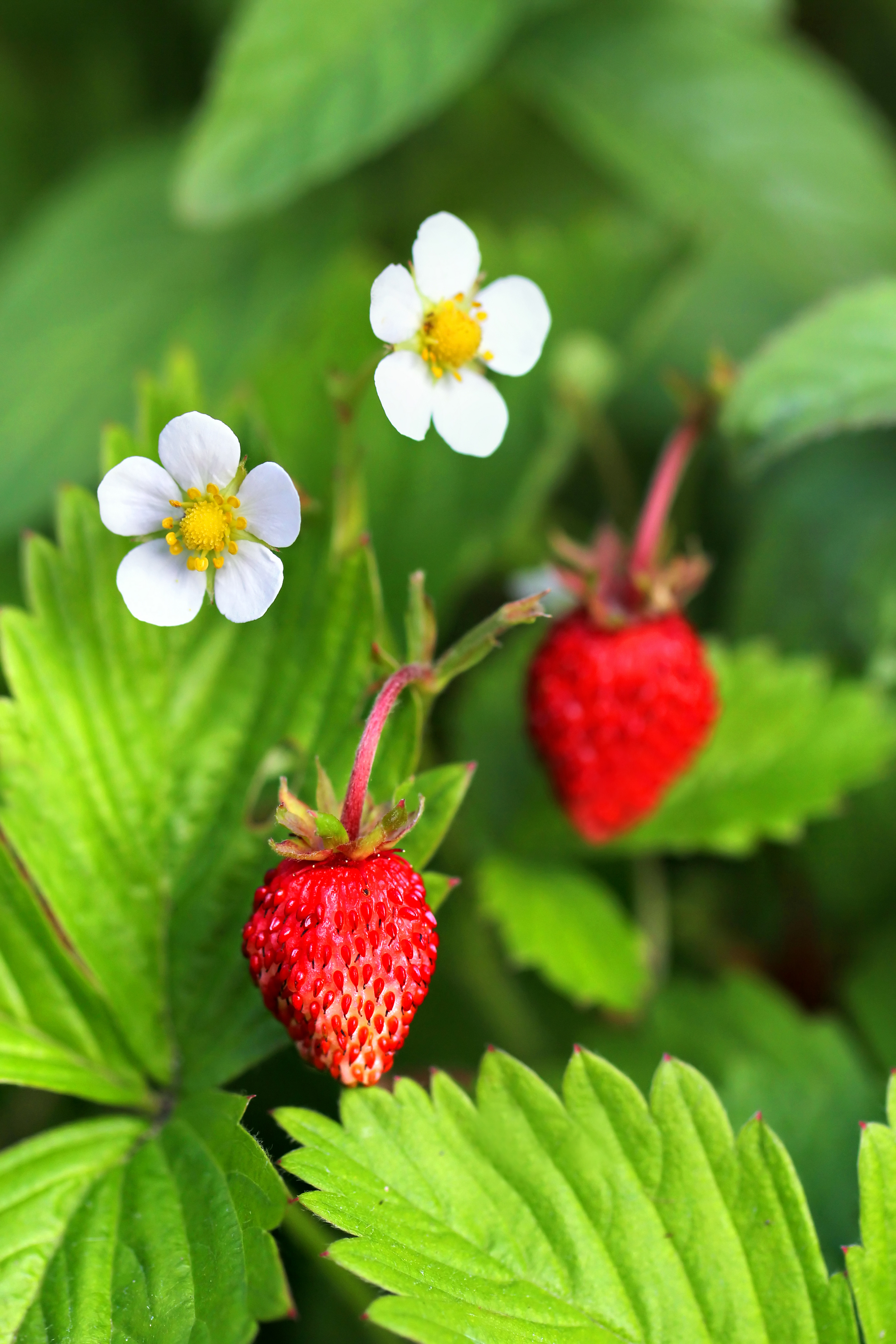
“Red Wonder” Alpine strawberry captures the flavor of the wild strawberry as a non-running clumpy perennial.
One of the most common and widely available perennial edible groundcover plants is the Alpine strawberry, Fragaria vesca. I grew as many as I could find in the seed trade. Unlike regular strawberries, Alpine strawberry varieties are grown from seeds. Much of the varietal selection comes from people who like the dainty and small low yielding plant as part of an edible landscape. At the time, we had roughly a dozen types growing at the farm. Many we produced in paper pots in the polyhouses. This allowed for an even germination of the teeny seeds. You would press then into the surface of the premoistened soil. You had to make sure not to hand water them otherwise the seeds would float away down the cracks of the pots. It was a delicate operation so we would use super fine misters. I discovered it was true that light activates the cotyledons within the seed which then causes the seeds to sprout. The cotyledons turn green prior to sprouting and growing ‘true’ leaves. Birch seeds are like this as well.
Some varieties appeared to be very similar and there was also a few yellow selections. They rarely spread and self seed. They tend to be short lived perennials growing for 3-5 years before fading entirely. The Alpine strawberry is found in the earliest permaculture designs which used them extensively as a border plant. When I started growing them only one company offered Alexandria and this was the ‘alpine industry’ standard. “Ruegen” was another one in the same class. As time went on I found a lot of other selections and began producing them as plants and seeds while creating a few seed producing beds of them. When we did this at the time, I wondered if the plant could be improved on in terms of yields. This was not entirely successful. It is one of those fruits that has a mystique around it as a wild crop in some parts of the world where they are collected like when one goes for a hike in the alps. I am hearing ‘the hills are alive with the sound of music’ for some reason. If you could change the lyrics to ‘the hills are alive to the fruits of strawberry’ might be better.
“Yellow Wonder” Alpine Strawberry
I had a customer who grew the “Yellow Wonder” and pumped it up with huge amounts of fertilizer and compost. The flavor went from subtle to non-existent. Into the unmanifest, the watery flavor of pineapple and sweet cherry disappeared entirely. I tried to explain to him his great love of the plant mellowed the flavor to zero point zero. I was unsuccessful. This really highlights the issue of strawberries in general where irrigation and fertilizer reduces flavor. This happened to potatoes recently when a drought hit the major potato growing regions in the U.S. and people woke up to a smaller but more delicious potato. Who knew they were connected? They were also more nutritious to a small degree. Almost every home gardener understands this. Just because something is small and uncommercial doesn’t mean it was a failure. It is the opposite.
“I Wonder” Italian Alpine strawberry. Wild. In the Wild Alpine strawberry. There were rocks and moss and birds and things. You see…..
Enjoy.
Kenneth Asmus
The beginning of the seedy crops at the Oikos Tree Crops farm.
If you love plants, it is only natural to want to try to grow something that is entirely based on a feeling. There is no objective knowledge or science involved. It is a form of appreciation of the natural world and a small way to capture that in a plant. It starts with one plant based on intuition fueled by curiosity.
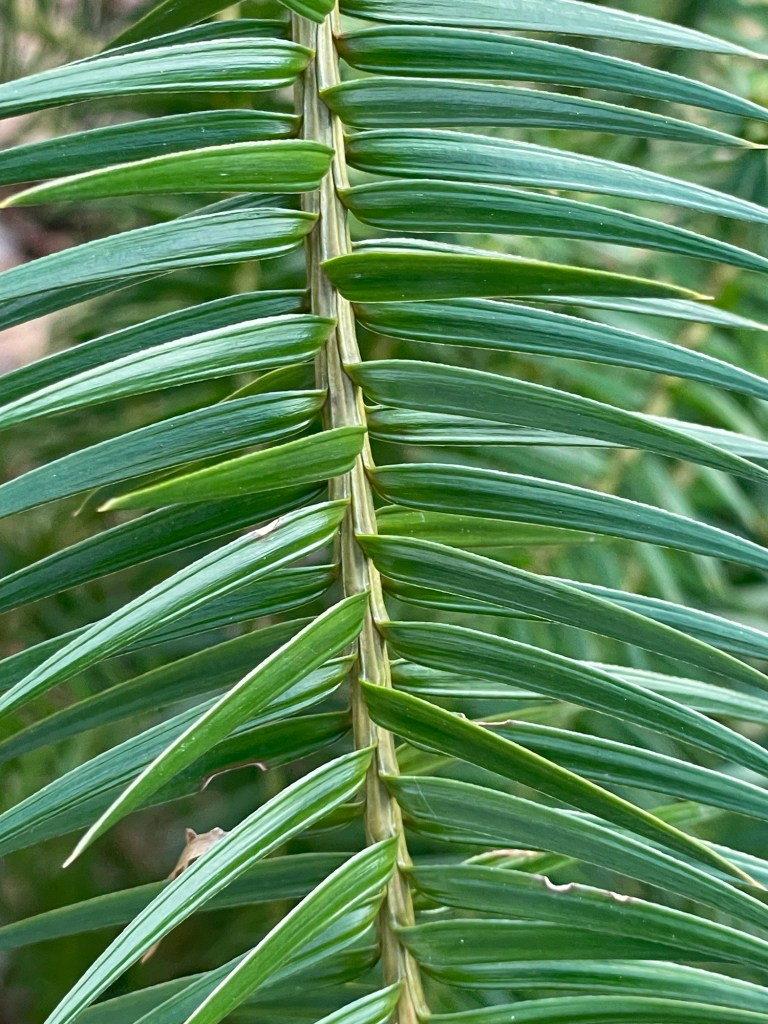
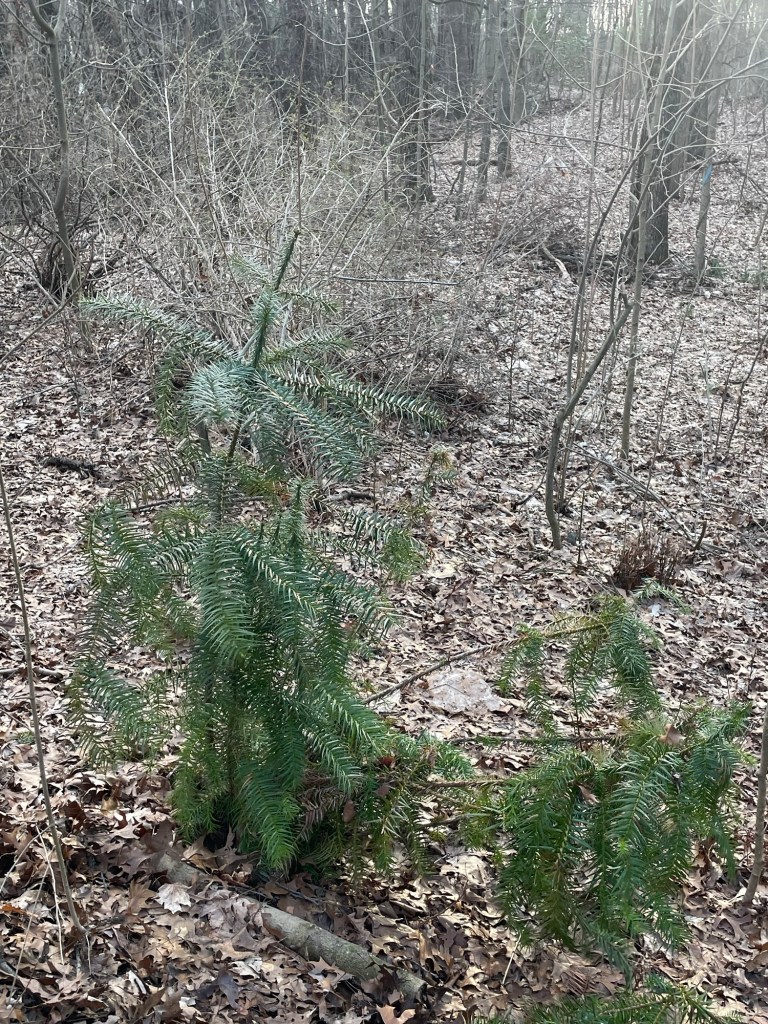
China-fir Cunninghamia lanceolata
It wasn’t for lack of trying. These seeds were given to me several times from various collections throughout the world. Many individual trees are found within the southern United States. I kept growing them only to watch them perish during the winter at my farm. Since it is a Seqouia type of timber tree with mature heights up to 160 ft. I was keen on establishing it at my farm specifically for the production of seeds. The main issue was hardiness. It is not a Zone 5 tree. If you look at its wide range of its homeland there appeared there were some seed zones that may squeak through the Michigan winters. Squeak is the operative word here. My selection process was done via using seedlings grown in paper pots in unheated polyhouses. This moves it up to a quasi-Zone 7 unless the temperature drops below minus 20F. Then all bets are off. I sold some of the stock but thousands of seedlings perished even in that cozy environment. Eventually I made several out plantings with the remainder of the plants. Those too all perished except two trees. Two is enough. These two trees are now set to be rooted to figure out a way past the location they are at now. Because of its wood quality and extreme rot resistance impervious to all known fungi it has possibilities in terms of wood production. It also has great potential to grow in locations where other evergreens would not survive drought conditions and soil that baked like cement. The large ultimate size to me indicates a means for a non-plantation pine rich in diversity below. It could be used in places where it is impossible to grow almost all evergreen timber trees. Its drought tolerance and ability to grow fast and straight are legendary. It’s wind and storm tolerance are off the charts. Where can I sign up? It appears like many good tree crops idea, you need greater representations of this species especially my Zone 5ish trees. This selection model of live and let die is not ideal to find a solution, but it is probably one of the only ways to do this economically time wise.
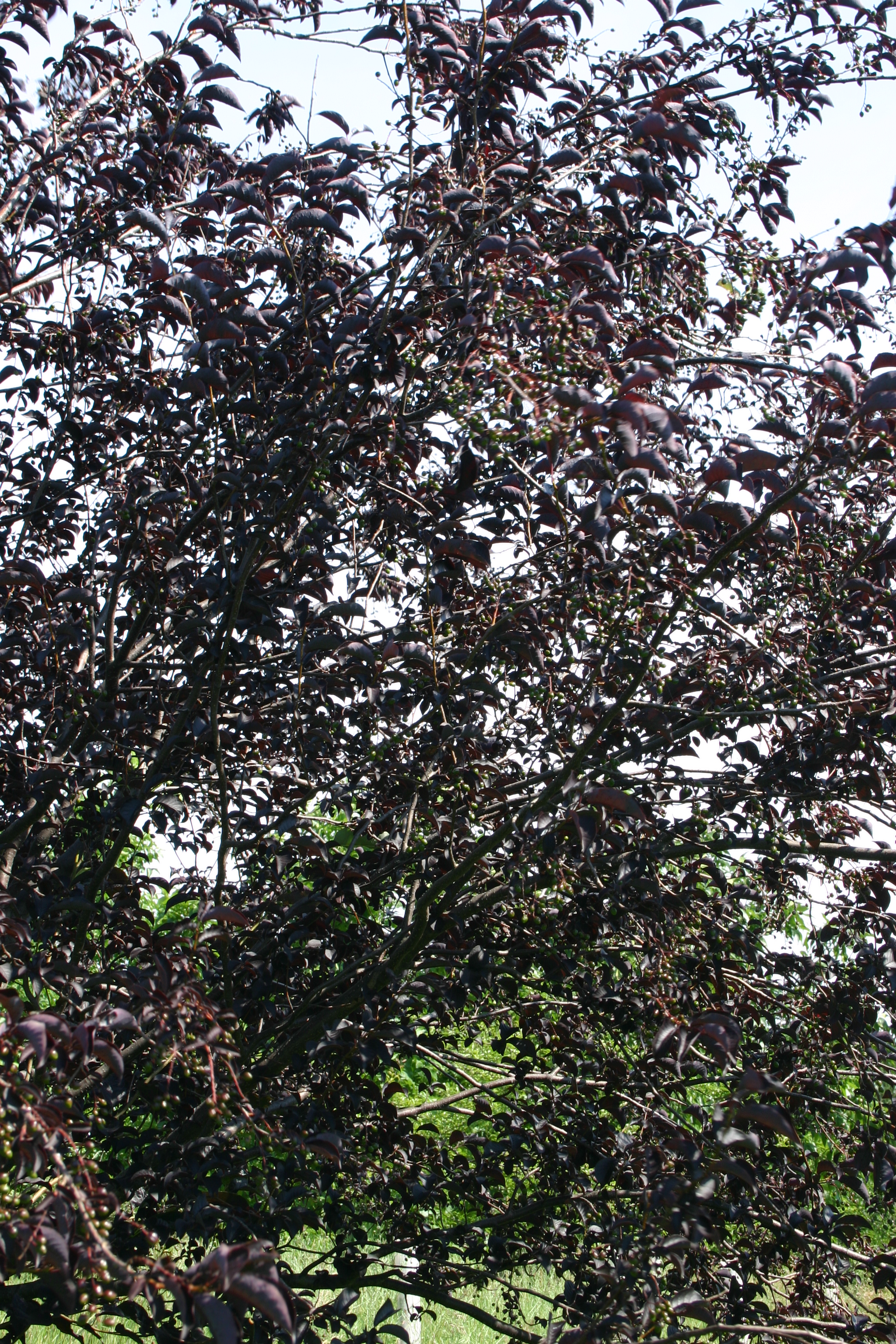
The China-fir is completely impervious to browse with its cactus like needles. Purple Mayday Tree Prunus padus purpurea
The Mayday Tree: European Bird Cherry- Prunus padus and purpurea
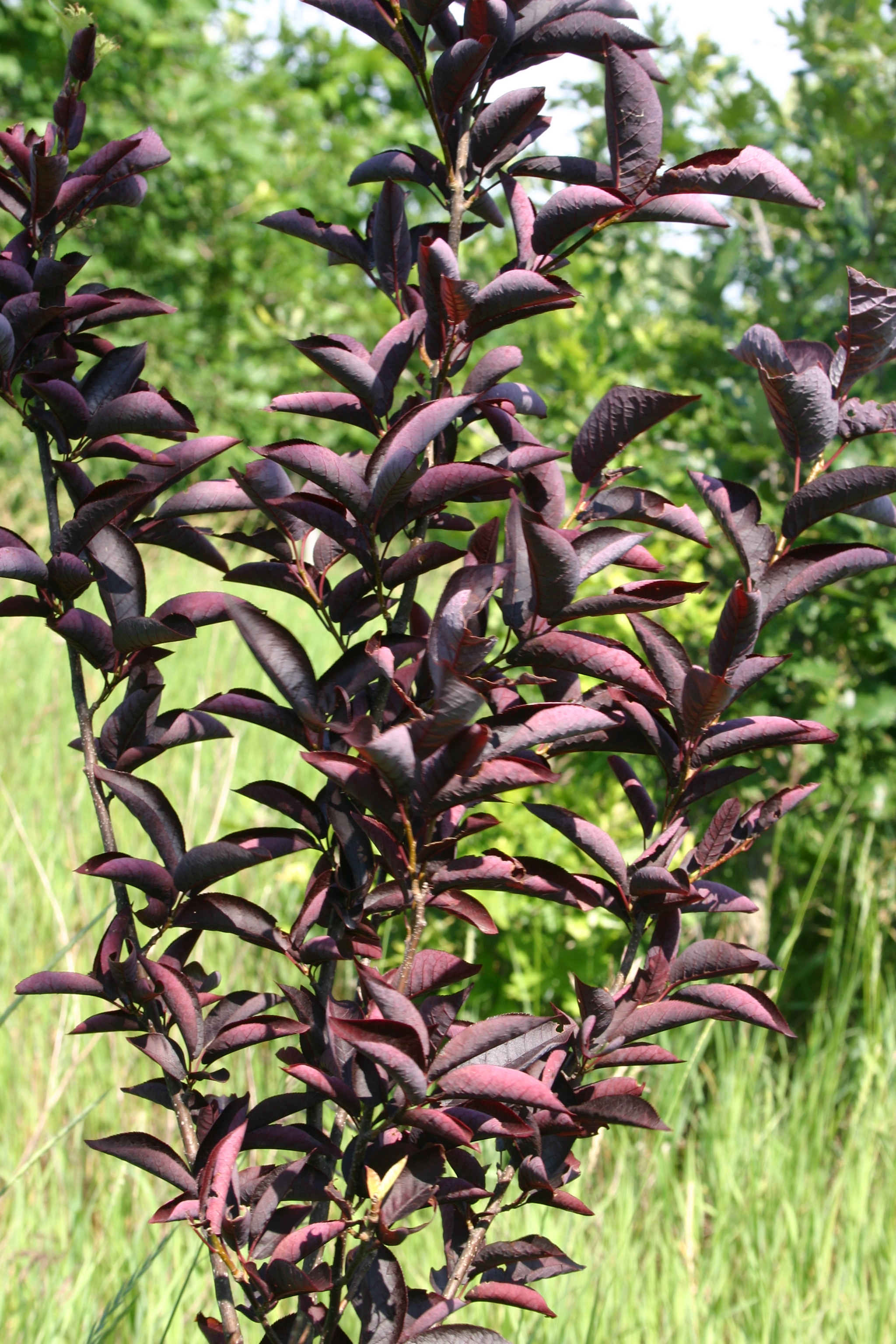
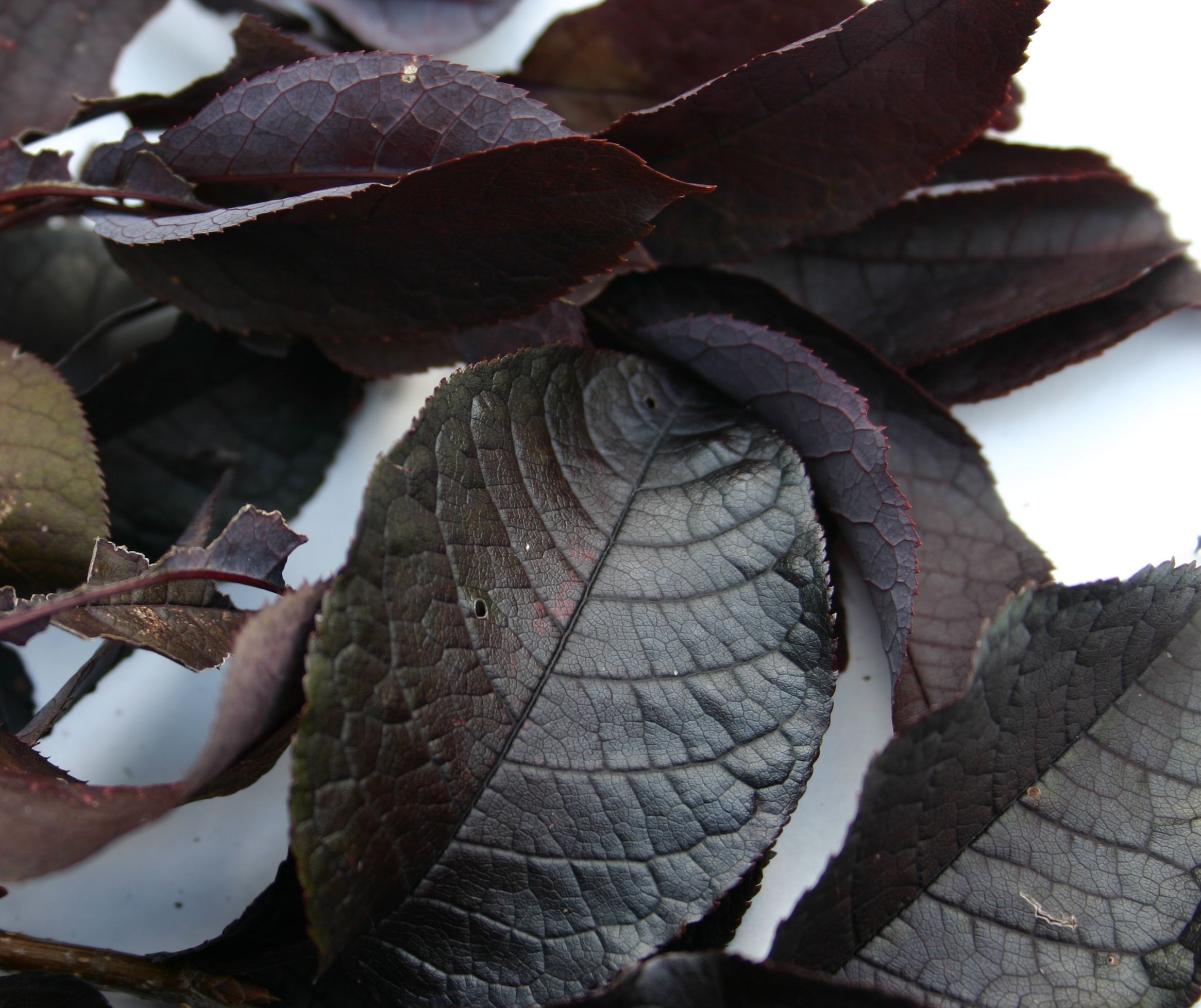
I was keen on establishing this fast growing cherry used for wood and fruit production. It is identical to chokecherry, Prunus virginiana but often has a larger single trunk tree to 40 ft. or more. I took them from a population of plants that appeared to be the best of the lot. They were very vigorous and healthy with large leaves. I planted them out in the open on a slope of a hillside at my farm where they grew like no tommorrow isolated from all other trees.The late Clayton Berg of Montana provided me with the nursery stock in the beginning. He had purple leaf trees within his plantings and some of the seedlings also showed the purple leaves. The selections I made within them included very dark purple almost black foliage. These too went out in another area of my farm. About a decade or two into it, a disease called black knot blew in and engulfed the trees destroying everything including the fruit production. The large green leaf types had very heavy loads of fruit. The purple ones not so much. Both produced very astringent and bitter fruits in the fresh state. It happened so quickly there was no chance to make selections or find immune plants. They do hybridize with the chokecherry. It is such a powerful disease which can blow in from spores miles away, there is no hope of isolation. Even today I see the seedlings barely a foot tall with the disease. This presence of the disease had its benefits too. It is not a silver lining philosophy either. It is a spur to evolution and the changes needed to find immunity of the other Prunus and the high resistance needed to the other chokecherries I have. The black knot is not to blame for the end of my Prunus padus experiment. It signals the beginning of new life free of disease. It’s a way to find a healthier tree, stronger and capable of greater physiological adaptibility and likely healthier fruit. The disease signals the movement in the right direction for the plant. From a cultivation standpoint, it is not something you desire and falls into the category of ‘things to avoid like the plague’. Because after all it is dis-ease to the cultivator.
Every plant that I grew whether it was in great profusion or just a few for experimental purposes had possibilities. If it died unexpectedly or had some horticultural issues of some sort, then I want to know what happened and why. That is why I kept replicating these more or less ‘failed’ plants over and over. I wanted to know the limits. It is a way to awaken a plants potential and find that open window of possibilties.
Asparagus acutifolius (Not an image taken at my farm)
Mediterranean Asparagus: Asparagus acutifolius
Every now and then I would discover new species within a genus of a well know crop plant. Everyone knows the asparagus but few people realize worldwide there are several species used for medicine and food outside of Asparagus officinalis. My discovery process is normally based on finding information and seeds of it most of which was done prior to the internet. Many times people would contact me. All asparagus is clonally propagated and like everything done like that the view is extremely narrow in terms of selection and use. The Euell Gibbons book, “Stalking the Wild Asparagus” highlights a foraging philosophy that is alive today. Wherever asparagus is found, it is recognized and used. Here the view is wide and filled with flavors far outside of what is consumed today. This creates a certain mystique about many of them. The Meditteranean species was not entirely winter hardy at my farm in Michigan. Before I lost all of them, there were a few individuals that did survive which to me is a glimmer of hope. So it could be possible with a bigger population to find others and select it. It is the most drought tolerant asparagus species ever. The flavor is very pungent but is relished by consumers. Since my experiment, I found other species which I am growing which are hardier and have a similar flavor profile. It might be possible they are not edible in the fresh state as well but either through hybridization and selection you could find a delicious version. I have seen these species in other arboretums and wonder why they ended up as ornamentals instead of food or medicine. The density and yields of the stems-sprouts far outproduces commercial asparagus. But the big question is flavor. How would this taste and what is it like to use as a source of nutrition and vitamins? It might just flat out taste horrible. Does that make it medicine then?
Not a picture I took at my farm. They never got that far.
Seaberry: Hippophae rhamnoides
The seaberry represents some of the best ultra-hardy fruit plants of the northern plains of China and Russia. People have grown it in several countries and improved its yields, flavor and fruit size to the point it is now in the cultivar world of wonderment. However, no matter how I was able to produce it, it mysteriously disappeared every summer. I used the clonal selections, seeds from the clonal selections, seeds from wild unselected plants and Ebay seeds. I purchased seeds from the seed companies here in the U.S. All paths lead to failure. Eventually I gave up. For a while I sold plants grown at Burnt Ridge Nursery. After some research, it turned out that seaberry is latitude sensitive meaning the farther south you go, the ability to grow it decreases dramatically. Because of its health properties and possibilities for these ‘Adaptogen’ drinks you see on the market, the cultivation is highly sought after even more than Aronia. (My sidenote takeaway: Aronia has a bad name for marketing.) Here location plays a role in its success and eventual use. I am wondering if some of the most northern areas could attempt larger grow outs to see its possibilities. It does look inviting with its rich fruit and nitrogen fixing capabilities. For now I keep a small packet of seeds in my seed drawer waiting for the perfect spring weather. If you decide to grow it, you are in luck. The seeds do not require dormancy and can be planted just like beans. They usually grow quite vigorously that first year. Male and female flowers are on separate plants on this species. It is a good one to experiment with because of its widely available inexpensive seeds, ease of growing and selecting clones of it. Ideally you would want three hundred plants of it but even a little is good. If I were to do it again, I would start with ‘plants that do not die’ first and go from there.
Seaberry Fruits-Different common names used but this one is the best by far. Lonicera caerula or villosa or both: Flowers at my farm.
The Blue Honeysuckle Called Honeyberry
This took a robust plant breeding industry to bring this into production using several seed sources and a penchant for winnowing out the best. I was happy with the name they chose to market it because Mountain Fly Honeysuckle is not useable. There are many varieties of it now with huge fruits and potential for commercial production. Since its a circumpolar plant native to several continents, it has a broad array of seed sources. When I first grew the plants, I used commercially purchased seed from Russia and finally plants from northern Wisconsin. Each of these seed sources were slightly different. They were all very weak growing and not adaptable to my Zone 5-6 farm. It was too warm. I first purchased a couple of varieties from Russia from Hidden Springs Nursery in Tennessee and then slowly grew other seed sources. I had the vision since it was a honeysuckle, Lonicera, I would be swimming in berries, seeds and plants. Nothing could be further from the truth. It just was not adapted to my latitude. Since I have recently seen them at my local Lowes, I realize someone else is swimming in them. Just before I gave up producing them, I had heard the Japanese had selections of them that were robust and super productive in warmer and longer growing season climates. Followed by the Holland breeders, huge small plum sized fruits were dropped into the mix. Everyone was diving into this huge pool of genetic diversity. I still walk by my row of 50 plants of Russian heritage seedlings and a few of my Wisconsin plants all of which are the same planting height from 25 years ago. Every now and then one flowers and produces a fruit. That’s enough for now they tell me.
Blue honeysuckle fruit image that I think I got from a customer of mine or Pond 5. Michigan Heartnuts
Heartnuts Juglans ailantifolia var. cordiformis
There is nothing not to love about the heartnut and its cultivation. It has large clean leaves and immunity to all the diseases that inflicts black walnut. It has a very vigorous growth and great winter hardiness to at least -25F. I have seen three old trees with nuts on them. There are some seedlings that grow like a forest giant straight as an arrow and other trees with look like giant mushrooms. Even the hybrids of it with butternut are magnificent in form and vigor. Yet here again, few people cultivate it to any degree and rarely gets mentioned as a tree crop in agroforestry circles. It tends to miss frosts that nail the English walnut because it leafs later than most. The shells can be thick but there no internal sutures to impede the nut from dropping out in wholes and halves. People have made selections of it too with thinner shells and high yields. I have several nice selections I made that were insanely productive. It appeared to come true from seed at least the ones I purchased seeds from. One of my farming friends had a small plantation of seedlings and their hybrids. Before he left his farm, it was an amazing experience for me to visit. I just loved seeing that variation in action. What I did not know was that his love of cleanliness in his orchard and his spray regime eliminated the one pest I was experiencing like no tommorrow. It was the butternut curculio. That little bugger was pernicious, egregious and outrageous. A little Jackie Chiles energy. This particular larvae drills into the stems of the plant eliminating the female flowers. Every stem can have several drill holes. This completely eliminates the crop. My farming friend with his love of Malathion 3-4 times a year eliminated that little bugger along with the husk maggots which is another common insect associated with black walnuts. To create a tree crop, you need to flush out the details of growing these plants in numbers to really make it past certain disease and insect barriers. This one had a simple solution. You need to put the balm on. No one knows exactly what the yields are yet, but it is likely Grimo Nut Nursery and a few others have tweaked the ideal that others may follow in their footsteps. The crops became less and less at my farm until today there are none. But the trees look spectacular still and healthy minus the bb shot holes in the stems. For now, I am working on an organic solution that is simpler and more cost effective. I started last year doing the same with English walnut which also suffers from the same fate. There is a Rosemary extract that is considered effective against boring insects and may prove useful in prevention of this type of insect that drills into the soft succulent heartnut stems as they grow in early spring. In the meantime, the heartnut does open up your heart to all things walnut. The nuts are delicious like a buttery cashew. What is not to love?
Heartnuts from the Gellatly Plantation in British Columbia
(Part 1) I do not have much of a selection process for plants. Every plant looks interesting to me. I really liked the flavor of that wild Rocket I found in the cracks of a sidewalk in Grand Haven, Michigan. I loved the white berries of a sprawling evergreen wintergreen growing over a decaying log in a swamp in northern Maine. They both failed in cultivation for me. I tried but they did not stay around long. This loss also equates to knowledge of the plant. I learn and move on. There is no maxims in horticulture. I like the wide open highway of plant life. This is the ideal world of finding new food plants. Anyone can take part. It is good to listen but it’s not etched in stone. This article features a few plants that I attempted to explore only to watch the sun go down on their possibilities.
Nine Star Perennial Broccoli
The idea of a perennial broccoli or kale is not that hard to imagine. It is a common experience of brassicas coming back to life in the spring from last years roots and stems. Nine Star used a unique set of breeding potentialities within the Sea Kale plant, the original species level perennial broccoli. That was the theory I was told. A couple of natural tendencies alerted me to several problems including zero seed production, the love of the plant by groundhogs and finally the deep sixer: winter cold hardiness. It was a cluster effect which left Nine Star as Death Star. Yet, even today I see it on Instagram having a new life for those who live in milder climates. It’s hanging out with the pure and illustrious folks now. Oh, it’s having alot more fun without me. Live and let live I say. The final two plants mysteriously disappeared at my farm. We never did know what happened. The nursery manager at the time was baffled. Poof. Nothing left. There are some broccoli conspiracies about it even today.
The Perennial Cucumber
Melthria scabra is best known as the Mexican cucumber. It is a perennial cucumber relative from Central America. You eat the fruit in the green stage which is the safest way to consume it. In the forests of Panama, Columbia and El Salvador the plant grows freely. It is cultivated in the United States too mostly as a minor annual crop for pickling the fruit. Somehow I was given seed of one the original strains found in these regions and made several plantings near the shade of a nearby greenhouse and oak planting. The plants grew very nicely and fruited the first year despite the shade. Surprisingly, it did regenerate from the roots the second year. The roots were very small and wire like. I was surprised it was possible this could happen. It appeared that near the irrigation pipe and grape pulp mulch the soil did not freeze entirely and the roots went into dormancy. I was never able to replicate this experience but wondered if the roots could be harvested and replanted versus using seeds to develop a more robust and winter hardy selection. It wasn’t suppose to happen at all. Yet here we were snacking on Mexican cucumbers in the shade of the Philadelphia oaks in the middle of Welch’s grape country. What does that say?
Equidistance Horsetail Groundcover
When my family’s farm ponds were made, one area was constructed poorly using a solid clay and sand mixture instead of the original peat and sand soil. A colony of horsetail, Equistem grew luxuriantly there. I had never seen this type before anywhere. It was odd in that it was incredibly dense like a thick shag carpet and gloriously invasive filling in every crack in the soil there where nothing else could grow. Even the great phragmites gave up in this area.When I started propagating it in my nursery from cuttings, it was very simple and effective. What I didn’t know was outside of the greenhouse, the wet clay and sand could not be replicated and the plants languished in my sandy loam soil without regular irrigation. I finally lost the propagation stock during one dry winter along with me saying goodbye to my nursery. Every now and then I look for it like a lost friend. Maybe it will spring up somewhere else. To this day I have not seen it. I will keep looking.
Buffaloberry
For many years I grew the buffaloberry, Shepherdia canadensis and sp. of many different seed sources. I had dwarf plants, tall robust almost tree like selections, yellow fruit and super hardy selections. They all faced the same demise: too much humidity and soil moisture in southwestern Michigan. I am not sure but it looked like a canker moved in on the weaker plants completely destroying all the producing plants I had. In many ways, very similar to Seaberry in structure and fruit quality that is currently grown as a juice plant. The above picture shows a seed source from Idaho which was one of the best in terms of fruit production. This was the last plant I had. The fruit by itself is not possible to eat fresh but somehow people do make a jelly out of it. With sugar all things are possible. I never got that far. Someone had suggested to me it could be an autumn olive substitute as a native plant that is full of native joy and wonderfulness where the autumn olive is evil and hated by all. I didn’t like his attitude but who cares? The plant itself doesn’t have that wide range of flexibility needed for a cultivated food plant in a wide range of growing zones. However, it is likely you could take your Shangri-La plant and have it in its more appropiate cold and dry environment and go from there. One of my customers in northern central Michigan who purchased several plants from me, told me it was a bear and unstoppable in terms of its stoloniferous tendencies. It took over a sandy hill where nothing else would grow. Joy and wonder abounds. Now that is Shangri-La for buffaloberry. He feared it with its thorny attributes. I couldn’t talk him down and I think he removed it via tractor and herbicide. He had a hard time admitting to me of its demise. This Shepherdia genus is dioecious with separate male and female plants. Before it left, I made a small walking stick out of one of the canes-branches of buffaloberry. It has a purplish splottchy hue to it. Very nice. I got the t-shirt from the gift shop of Shepherdia as I left the grounds.
Siberian Apricot
One of the most cold hardy apricots in the world is the Siberian apricot, Prunus sibirica. We are talking in the minus 40F and below range. I had read only small paragraphs here and there about the plant. I was able to get seed of it here in the United States prior to the Prunus ban. I made one planting of ten trees. When they started to fruit, I was confused at what I saw. When I tasted the acrid fruit discolored by disease and rot, it tasted much worse than it looked. This was not the fruit we know as apricot. It was the seeds that provided a nut which was then used to extract an oil. The pits were the goal not the fruit. As the fruit dries on the tree, the seeds drop free to the ground free of fruit. Perfection on an evolutionary scale. It’s an almond like apricot. The plants are very heavy bearing and generally short lived fading after 15 years or less. The issue I faced was it was too warm in my location. It would do better in zones 2-4 than my zone 5-6 farm. With warmer winters and fluctuating temperatures, the Siberian apricot represents Siberia with its long uninterrupted cold periods. However in this case, there was a little wiggle room. It potentially could offer a new oil based tree crop plant in the most northern reaches of the world. For now, I had to say goodbye as I was never able to replicate the plantings again before my original ten plants perished.
Every plant that sees the light of day does so because you desire an outcome of some sort. It might be a short lived relationship or it could go on for a long time. Doesn’t matter. It saw the light the day thanks to you and your love of the world around you.
I first found the concept of Two Story Agriculture in the best selling book Tree Crops: A Permanent Agriculture byJ. Russell Smith. He was an economic geographer for Columbia University and had written extensively about land use and is considered the father of agroforestry. The title of his second chapter, “Tree Crops-The Way Out” with a sub heading of “Two Story Agriculture For Level Land” discusses the possibilities of using annual row crops with tree crops. It seemed to him that valuable real estate was being wasted and not used to its full potential. His ‘level land’ idea was to use trees as a type of vegetative buffer with different tree crops to harvest as well as to shade the soil and improve the crop yields below. As an example, you could also add the honeylocust or mulberry and then allow grazing of the animals in the pastures below supplied partially with additional feed supplements of the tree crops. My interpretation and implementation was to use woody and perennial plants in the understory in the attempt to create a highly diverse farm. The above image shows a slice of my plantings containing an example of two story agriculture. The tree on the far right is a shellbark-pecan hybrid followed by two types of late lilac species from China and then followed by a seed selection of northern pecan from Minnesota or Iowa. The tree in the background is a Quercus x bebbiana or Bebbs oak grown from seed discovered in Michigan. Each of these plants were grown from seedling in my nursery. It was very easy and inexpensive to do this. The crops in this area are pecan and hickory nuts and low tannin acorns. The results allow me to harvest seeds and make them available in a market of tree seeds. This in turn can make it possible for others to replicate my plantings in some individual interpretation of two story agriculture. Once in a while I will create something delicious from the crop plants. New seedling selections of chestnuts, apples, plums and cornelian cherries are coming on strong in this area most of which were planted by small mammals and birds. The largest trees tend to aid in this conversion of pasture to forest which essentially leads to a situation where it is not necessary to plant trees anymore. It is done for you.
Location, Location, Location
The image above is taken at the very top of the hill with the highest elevation in the area and was one of the most difficult places to establish trees due to the wind and drought in the summer. I lost a lot of trees when I first started planting there. With the advent of Tubex tree shelters along with changing my choices and timing, my success rate greatly increased. The fall planted oak and hickory began to make it through that critical first year. Just to the left of the picture is a steep hill facing due west. The prevailing winds are from the west and southwest. Particularly hit hard were many chestnuts and hazelnuts so I began using more oak and hickory within this area including shrubs like the lilac. As those species grew so did the self seeding of other trees including hybrid American chestnuts and shellbark hickory. It took 20 years for the whole system to begin to take shape. One area that is thick with dewberry, wild red raspberry and wild Himalayan blackberry became an ideal place to self seed as well as eliminating the pasture grasses.The turkey use this area to nest. Once the tap rooted trees grow deep into the subsoil, they grow very fast and are immune to drought even on this hill of sand. The two story root system reflects the canopy and is a mirror of what is below. Today it is very easy to grow other shrubs, small trees and perennial vegetables in this location due to the protection from the mature trees. Now it is time to make hay while the sun shines so the last few years I keep adding potato for groundcover. I am adding comfrey and self seeding yucca directly in the new plantings of plum and chinquapin chestnut.
Preston Lilac developed for the Canadian Prairies
The Power of the Lilac and Its Olive Family
Conservation loves the lilac. It was the plant used extensively on the plains states as a wind buffer but it became popular due to the fragrance of the flowers and ease of cultivation. I started growing them from seed using commercially purchased seeds. There are many species of lilac and soon I created a collection of them at my farm meant for just this purpose. I focused on the seed production part of it as most of the Syringa vulgaris selections are done from cuttings. The common lilac was very prone to mildew so I looked for species that were immune to this weakening disease. I was particularly interested in the Himalayan, Preston, Late and the Korean species from seeds not clones. I scattered small plantings of them throughout my farm often in the worst locations where even the grass struggled. Typical of its olive family relationship, the Genus Syringa has very dense fibrous roots. This makes it very efficient at capturing water after a rain fall. If I had to do this again, I would of planted more lilac. The fragrance alone plays a role in calming down the human part of this equation of two story agriculture. I have been planting the northern olive look alike, Chionanthus virginicus, Fringe Tree and its Asian cousin, Chionanthus reticulatus hoping I could recreate the lilac effect plus make olives from the fruit. Chionanthus is much slower to establish in my ‘non-garden’ areas yet it has held up remarkably in those locations with reference to drought and competition from grasses. Three years ago a few started flowering after a fifteen year juvenile stage. No fruit so far therefore no experimental olives to experience. For now, I am going full lilac and plan to harvest seeds this coming fall. In the meantime, I continue to dream olives. Everyone has olive dreams, I am sure.
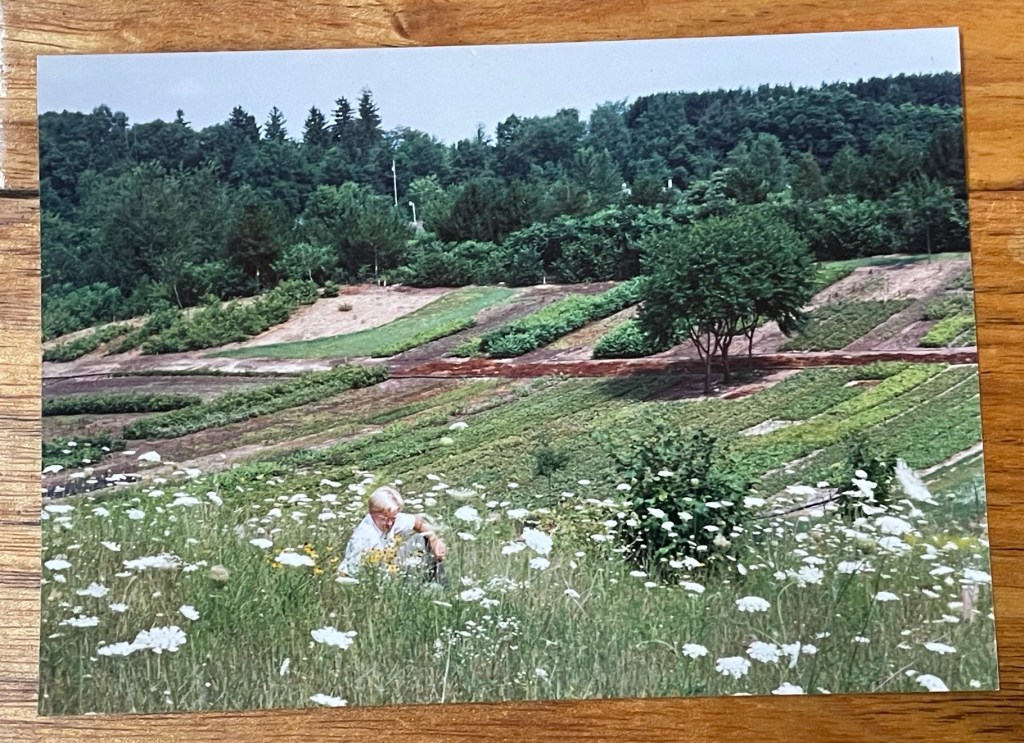
The hill featured in this story is in the background and goes to the right of the image. At the base of it was a large colony of Staghorn shumac. The mowed relatively flat area was the beginning of my nursery in the mid 1980’s. My father took this picture for me.
You could design and implement any number of combinations of two story agriculture with rich diversity. From ground up it could be wild tomatoes and white clover, plum and crabapple. It could be comfrey, wild peppers, neosinte-wild corn, plum and edible acorn oaks. This spring I am planting one now that uses comfrey and potato as groundcovers. The second story is cornelian cherry, Cornus mas. The third story is Chickasaw plum with shellbark hickory as an overstory. In this same area I am using a new form of Tree Lespedeza bicolor called Treefolia also known as shrub clover as a nitrogen fixer while direct seeding mixed species of yucca to help loosen the soil which will allow better water percolation. Even by acccidental or intentional human introduced associations, plants integrate and become the community of all inclusive possibilities in a two story system. My nearby Paulownia tomentosa selections for wood are slowly becoming engulfed with the Chickasaw plum colony. The Russian and Kansas selections of wild bergamont make up a portion of the groundcover as a flavorable tea plant. It is a guild with infinite variations where all tomatoes love carrots scenario. There are no weeds.
Tree Crops-The Way Out and Two Story Agriculture for Level Land. A few words is all I remembered. That was enough to help me fulfill my life with trees.
The Oikos Tree Crops Farm-My experimentation in my nursery led to a repository of species level food plants created by using seeds from around the world. I turned this pasture that was being used as a hay field into a global food repository. The apple genus is very diverse species wise yet few people grow apples from seeds. I needed to find as many species as possible and create an apple forest rich in species diversity. No grafts allowed. Clonal is not ideal in this application.
From the time I was a child, I loved to grow plants. I threw a pit of a prune near the back door of my home. A tree emerged and I quickly put it in a pot. How could this happen? The seed did not look alive yet it produced a living tree. This was a straight line to growing trees. I have a few hand tools. I have an open field. And soon, like my father before me, I will have a tree farm. My land was devoid of trees. It was too small to be a commercial operation of a single species or cultivars. I did not have the resources to create a fruit farm. My nursery idea began in college when I would go to the library and read the reference books of Hortus, USDA Woody Plant Seed Manual and Brooks and Olmo Register of Fruit and Nut Varieties. As reference manuals go with their black and white images, they brought to life the great variety in nature. Often this variety was lost over time to the point where only a tiny fraction was used in modern agriculture. It was a mind expanding experience for me because I wondered where did the other plants go. There were many ‘castaway’ food plants that fell in the minor camp. This meant they were insignificant in terms of use. I wondered about culturing a few of these plants and how they could make a positive influence in the world family of farmers.
This indigenous North American species of apple is called Sweet Crab, Malus coronaria. If you grow a few thousand of these seedlings and fruit a few of them, you will find many that do not require the usual boatload of sugar to tame the tartness and astrignecy so common with crabapples.. At the time, it was the only apple I found with zero worms and always had clean fruit. The bright green fruit was like a mini-Granny Smith apple in flavor.
My younger self didn’t realize that farming in general is highly segmented and specialized. It needed diversity yet didn’t want that in its production systems. There everything has to be the same plus it can’t be far outside the familiar tastes that people enjoy. Like my apple growing neighbor, you could have 30 varieties of apples, but the small tart green apples are not what people eat or desire. Having a collection of diverse species didn’t mean it would be put to use on a larger scale. Recently with the advent of small scale syrup and cider making for flavoring, the species apples have some great possibilities. Here was a way to harness these incredibly concentrated and complex flavors.
Woody plants take time and space to create a ‘grow-out’ to assimulate new genetic combinations. Ideally you would grow these non-clonal apple seedling collections and put them on public land to further test their capabilities in farmerless fields for long periods of time. There would be no spray or herbicide use. It would test the limits and explore the possibilities of no spray apples and the crabapple as well as create a means to developing timber form apples for wood quality. The public would then have access to new flavors of fruits and get inspired by the unlimited possibilities of the Malus genus and its variety. These public lands should be protected the same way a state park or federal land is. Instead of the native flora, these fields protect the global apple flora as a means to improve agriculture free of the breeding restraints put on the plants by humans who desire only the six genes that currently dominate the market. It is only by the cultivation of the species in a non cultivar way that these ideas will stay alive and integrate with our diets and lifestyle changes. This may sound like an apple pie in the sky but it is easily done. We have all the resources to make it happen and it’s inexpensive to do even on large acreages. We have the tools. We have the open fields. We even have the seeds. Toot my own horn here. Toot toot. This is the future of tree crops and research in agroforestry in general. It is using the world’s flora to solve the world’s problems.
Apple Stories Come to Life
Here is my brief run down of a few species apples grown at my farm the last four decades describing their traits and possibilities in cultivation. All were done from seeds. Each one has a story to tell in its population and individual progeny.
The Manchurian Malus baccata
Normally, you would avoid pea sized apples filled with strong bitter compounds. It is considered the world’s hardiest apple able to take minus 60 F. Biting into the teeny apples and chewing them into a paste is too aggressive and best to call it ‘chunkage on deck’ as they are so repulsive. Waynes World reference in case your’re wondering. Yet a few years ago while collecting seeds of them late in the season while competing with the cedar waxwings, the flavor was much more mellow and less astringent. I would let the fruit float in my mouth one at a time as I hand harvested the fruit and let it dissolve slowly. This improved flavor is due to the successive frosts on the fruit. This is a common characteristic of many crabapples where long ripening times improves their edibility. The Siberian crabapples contain very high vitamin and mineral rich fruit as part of their chemical composition. This is the ultimate apple a day to keep the doctor away. My particular source came from South Korea on Mt. Kyebang where the apples were found growing in a very rugged, rocky environment. They are a very uniform non-hybrid population with some individual plants showing great vigor. They are free of fireblight, scab and rust. The species is very distinct with its bright clean light green foliage and large pure white blossoms. The fruits hang in the trees and rarely drop free on the gound on their own. The fruit quantity is usually high. This is the first apple species to blossom at my farm and does not hybridize easily because of that. Its compontent of the apple forest is for a vitamin rich fruit for supplements and health products.
The Virginian Malus virginiana
I took a short cut by buying a grafted tree from Edible Landscaping called Hughes. I planted the graft union below the ground to encourage it to self root. The Virginia apple is a loosely defined crabapple from the southeastern U.S. Over time I desconstructed the grafted form to its species level by growing out many seedlings and selecting those with the most vigor and clean foliage. This type of selection process created clean and heavy fruit production ten times more than the original grafted tree. The seedlings were much more uniform than I thought they would be with all of them producing a one inch red apple in dense clusters. The trade off was the fruit was smaller and much tarter. The seedlings took on a timber like growth habit with broad spreading branches and a height to 40 feet or more. I limbed them upwards near the hybrid oak plantings. It would be a good tree to root from cuttings to maintain this vigor in orchard settings. The fruits can be shaken out of the tree easily by early October and harvested by hand on tarps. The Virginia makes an excellent jam and jelly. Its compotent of the apple forest is that of heavy fruit production for syrup, jelly and cider for adding flavor to other sweet and bland apples.
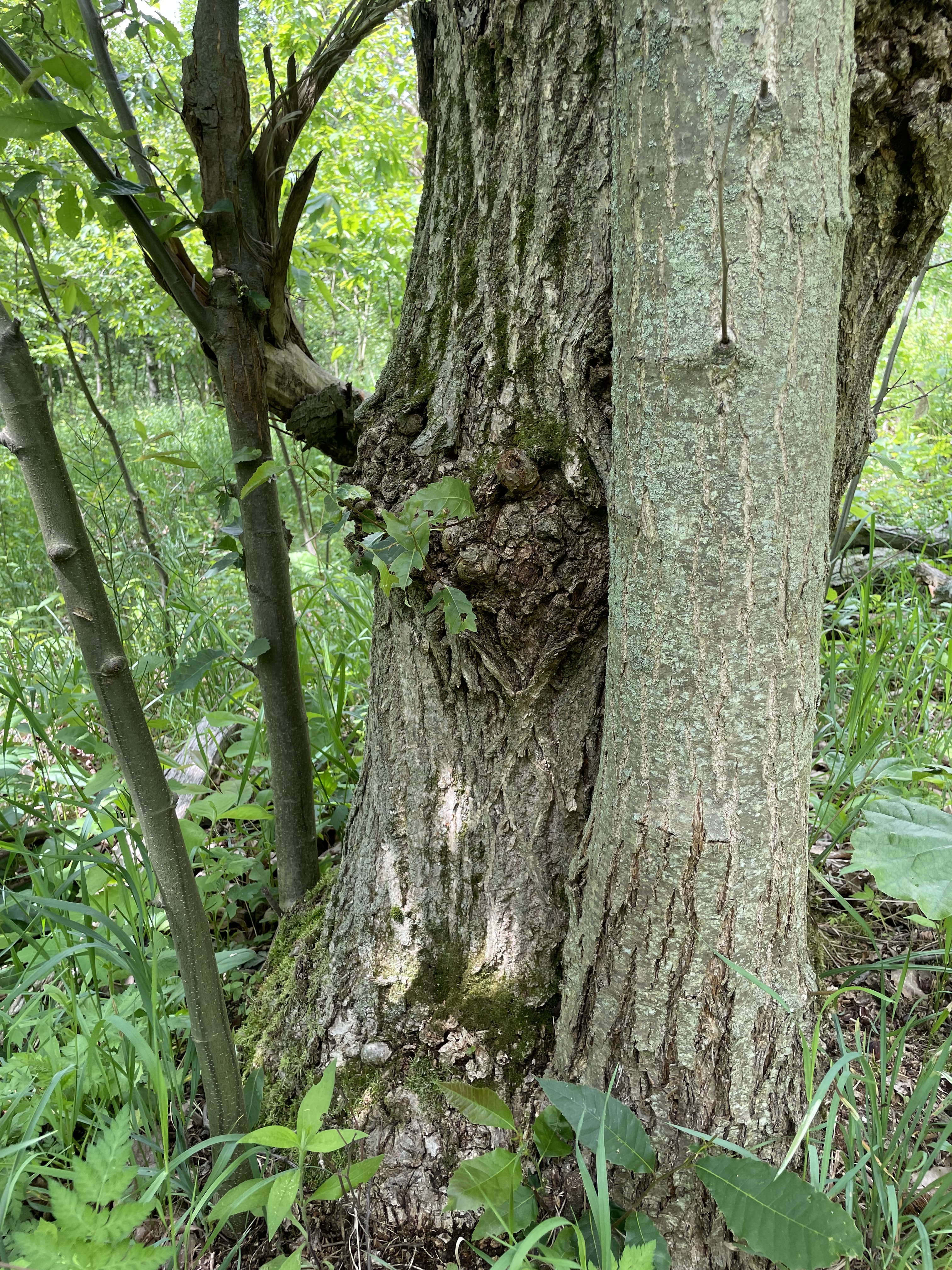
The Russian Malus pumila var. niedzwiecka
This particular species apple is a small apple species coming from the Russian apple forests and other species mixed in over time as it traveled throughout the world. I received seed of it from an overseas collection which said it was one of the original crosses. The seedlings were quite uniform but with larger fruit than the original seedling. I only had one tree of it. What I noticed about growing this particular crabapple was its red flesh and heavy yields. After 30 years, it continues to crank out large volumes of small crabs that if nailed by a few frosts taste very good like a concentrated berry. It still needs the sugar molecule to calm it down, but the flavor is super apple. The red and pink pigments are very pleasant to see and you can see why this species is used for adding anthocyanins to other larger cultivated apples. People back cross the apple to get red fleshed apples. I started a secondary planting from this one tree. They are all very vigorous and clean. This compotent of the apple forest is that of a berry and its ability to produce large volumes of clean, small red apples high in anthocyanins useful for food supplements, creating new flavors while preventing human illness.
The Russet Malus domestica
For a while I was buying apple gift boxes for Christmas to friends and relatives. This is when my dad quietly told me “We liked it…but don’t do it again.” Often these boxes are filled with russet apples like Grimes Golden that look like baked potatoes on a stem. My father was likely thinking this was not an apple and Ken is feeding us weird stuff again. I began chiseling out the seeds from these boxes and growing the seedlings. It happened that the thick skins on the russets comes through quite strongly in successive generations. These tend to repel insects from breaking through and destroying the fruit. Even codling moth seems to be blocked to some degree. Some of the apples are very funky in shape with weird protuberances looking like mini-volcanoes on the surface of the apple skin. The Russet became a means to discover completely no spray apples. Apples are sprayed 16 times a year. This is our way out of this apple nightmare for the apple and its human counterpart. This component of the apple forest delivers healthy fruit for fresh eating rich in nutrients and free of insects and free of all spray. Others have also discovered this work around in the search for developing unique cider apple varieties.
The Prairie Malus ioensis
This species created a heavily ladened stolon producing tree rich in bright yellow fruit with strong astringency impossible to eat fresh off the tree. Jam from it turned it into a superball condensed nuetron star like mass impossible to put on toast without shredding the bread into pieces. It was true from seed and few if any hybrids are found in the population. I was surprised at how the main trunk was short lived. Evidently, the species tends to use the stoloniferous root system as a means for regeneration much like Staghorn Shumac. The colony is extensive. When I lost the original tree I could see the sprouts in the shade of hybrid American chestnuts and hybrid oaks over 40 feet away. It’s a traveler. The density of the fruit along with its bitter and astringent compounds provide a challenge for taming it into a syrup. Like quince, it could be boiled in sugar. You have to view it more like an olive or quince plucked off the tree. I did make one selection from the seedlings of roughly 2000 individuals. It was free of cedar apple rust and black spot on the leaves. One winter the deer browsed down all of the trees in the original planting bed except this one. So I obviously had to plant out the one the deer left alone. This compotent of the apple forest provides is a quince like characteristic rich in pectin and dark matter like possibilities where even light does not escape. Is that an over the top description for the prairie apple? Not for the apple.
Found not far outside of Rogers City, Michigan this Michigan M-68 highway apple highlights the value of wild trees and their value to the humans that use them and the animals that thrive on the fruits. This was a clean one.
The Wildings Malus domestica
Pretty much any wild apple tree found as a seedling is useable for something. The problem arises if the fruit is filled with worms and other destructive diseases lowering the quality to the point of no return. But what if you had a field of similar seedlings each selected from other wild populations where fruit integrity is captured not as clones but as seedlings. All of a sudden your apple forest opens up into a wild population totally capturing the laws of nature in that region. It becomes local and native. And surprise, it does it through its exotic origins. This is integration ecology. I began noticing a few of these uniform populations in northern Michigan on vacation. People use them for deer food during hunting season. In a few of the locations, the apples even out over time and began producing apples very similar to the parent trees. It is not a common occurence but it does happen because of the limited genetic diversity to begin with. Today these apples represent some of the older storing apples that people grew for eating in the middle of winter. When I grew out a planting of the seedlings produced by a customer from the Upper Penninsula of Michigan who sent me seeds from their orchard, I was over joyed at the clean foliage and large leaves of the plants. Many were super vigorous growing to 3 ft. tall in one year from seed. This is always a good sign. I still have not fruited the selections yet but to see such healthy plants gives great inspiration to those of us who grow apples from seeds from a cultivated setting. This compontent of the apple forest draws from wild local apples which will go back to its orchard origins while focusing on ecological adaptibility, creating tall, healthy and long lived trees.
On My Way Home Apple
A few weeks ago, while driving on my way home from my daughters, I spotted a crab apple with the most immense crop I had every seen on a tree. The whole tree was coated with one inch dark red apples to the point you could not make out the individual branches. It looked like a dark red entrance to a cave with the branches hanging to the ground in great profusion. At first I did not even recognize it was a tree. It looked like one of those science fiction portals to another universe or time. Wow, man……When I came back about a month later to photograph it, the fruit was completely gone and consumed by birds and deer. I have seen this before where an apple grew next to a chain link fence. These types of seedling trees have their origin due to a small mammal or bird. They eventually work their way up into the canopy of nearby trees. Every now and then someone unaware of what the tree is or could do as a food plant, cut them down and herbicide the stumps and surrounding area. Lets face it, nothing says wire fence like abandoned herbicided parking lot. They seem to go together. This particular parking lot tree was used by truckers and let go when the business closed down. In the meantime, the cracks in the pavement became a means for seeds to germinate into the soil which in turn broke up the pavement further. These emerging forests contain the fruits of the animals that needed them the most to survive. Autumn olive, honeysuckle, multiflora rose and calllery pear are the first to arrive to create this new climax forest parking lot. The popular trees blow in to help with the whole project. It is such a joy and truly is a work of art created by the laws of nature near this off ramp of Interstate 94. Without any effort on the human front, this is a glimpse of a global apple forest respository via expansion of a plant community where nothing existed before.
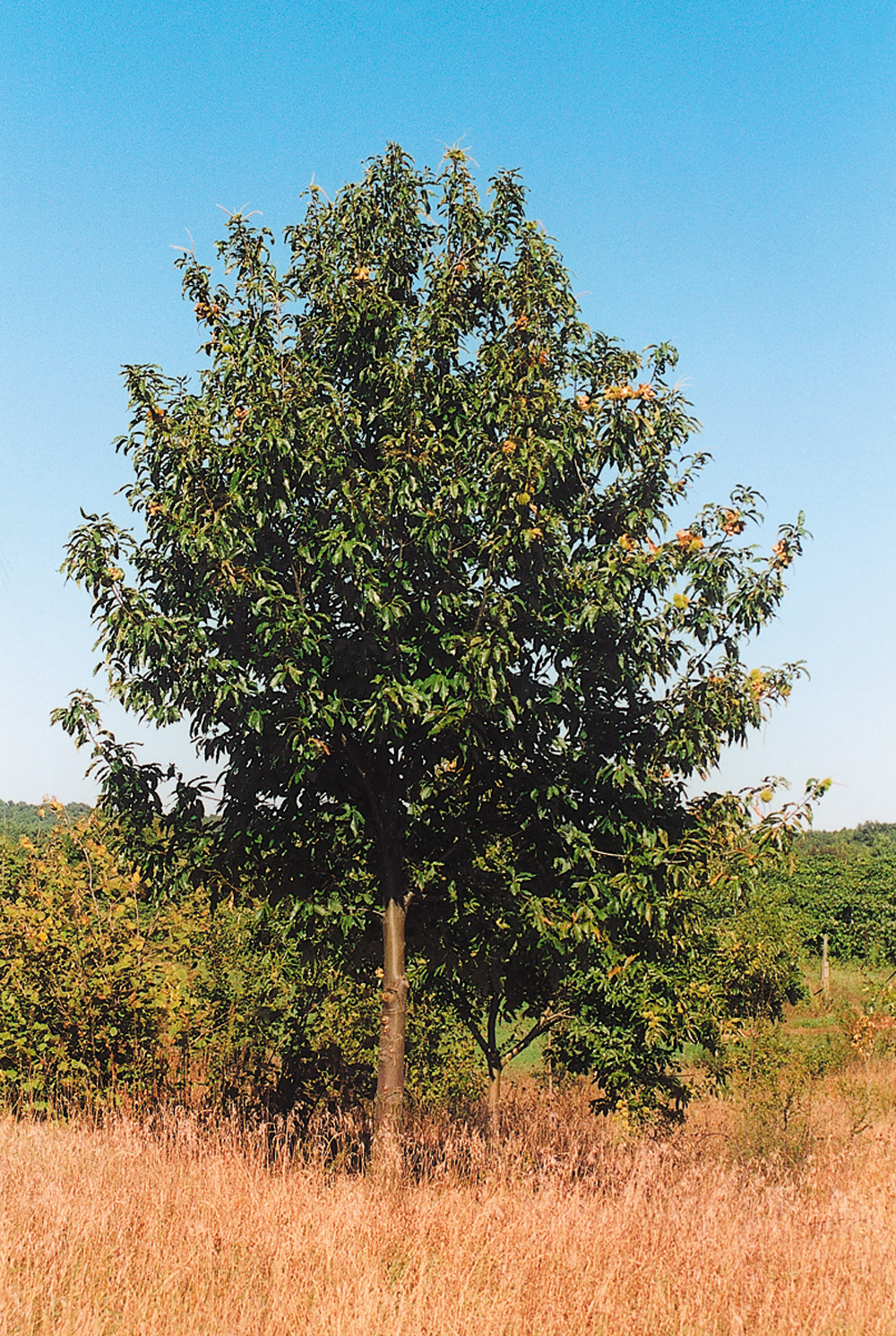
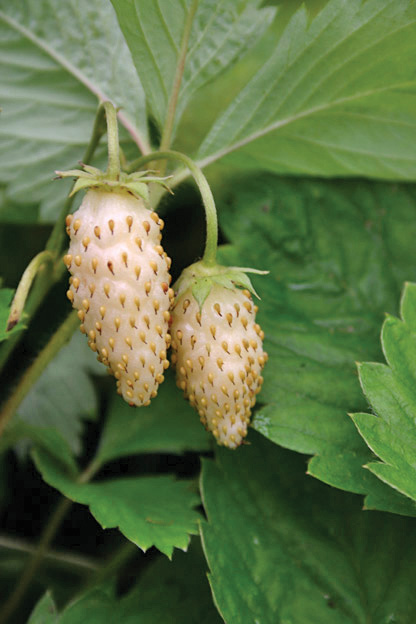
This compontent of the apple forest starts and lies within our state of consciousness where it can freely grow before it expresses itself in novel ways shared by the Malus genus.
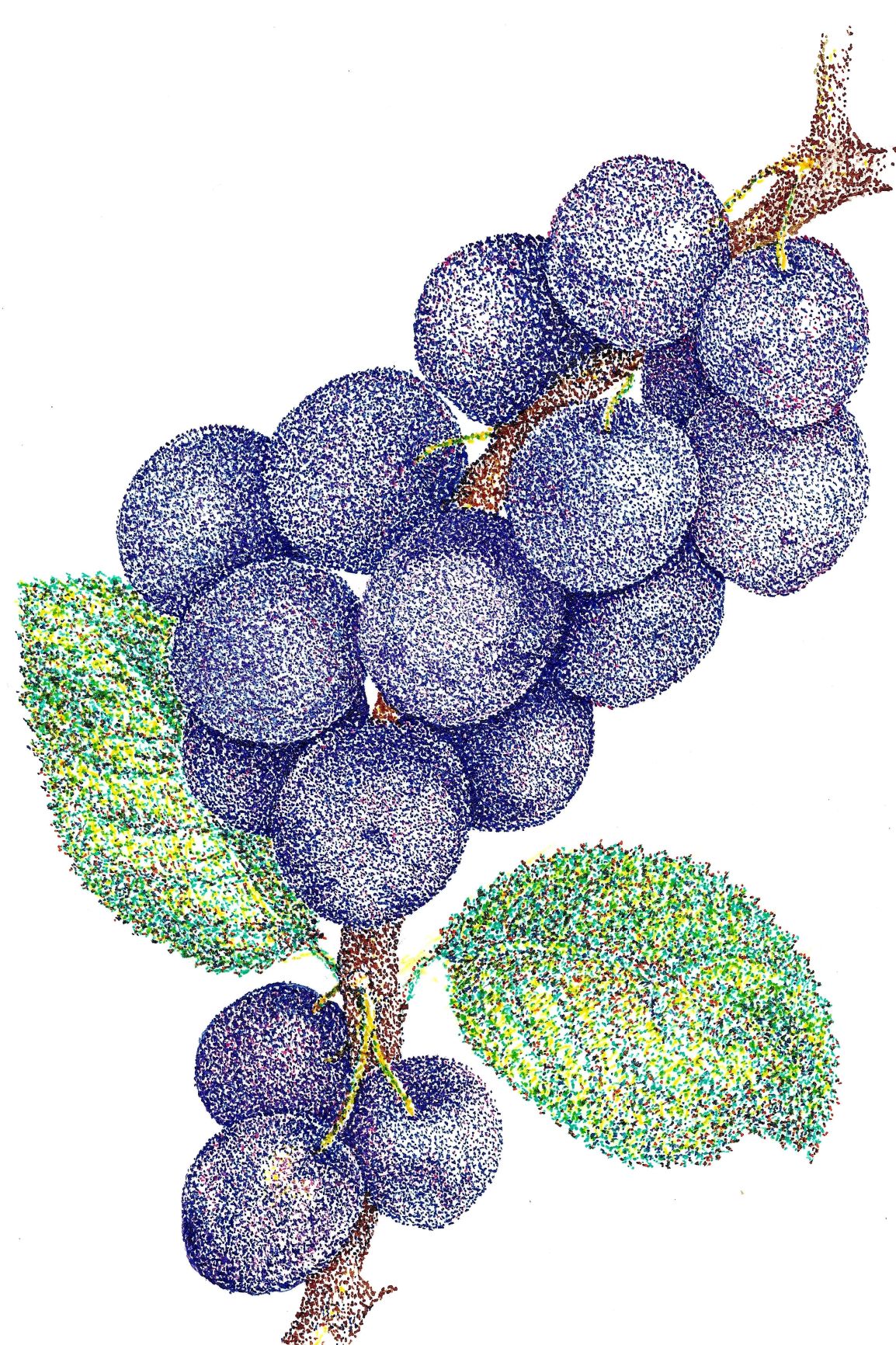
I always wondered about the range maps of plants found on the USDA Plants Database. Is the line of demarcation a real and genuinely smooth line or was it purchased directly from the Sears and Roebuck botanical books of yesteryear? And why couldn’t a plant like the beach plum just skip over a few counties inland? The answer to those questions as it relates to the beach plum is very simple. It never got a chance either through animal or human vectors. I was told years ago, there is a beach plum leaf sample in an old early 1900’s arboretum collection from the shores of one of the Great Lakes. No one knows much about it. Scientists want to know if it is natural and a lucky chance of nature or anthropomorphic. To the plant there is no difference. Fortunately, all plants are willing to travel to work elsewhere and this is what makes cultivation possible. The beach plum is not an exception despite its narrow range map along the eastern seaboard of the United States. It can move with the help of humans who desire its fruits the same way people eat Montmorency cherries which originated from France. For the beach plum, there is no difference between Nantucket and Paris. I applaud that.
When I started growing beach plums, I began to wonder if this plant ever grew in the dunes surrounding the Great Lakes. It is tempting to try it. I am sure it would flourish. It turned out, it is very easy to do at my farm because my farm was the beach of Lake Michigan thousands of years ago. I am roughly thirty miles from the beach today. Close enough the beach plum says. It was from here that I began growing out of thousands of plants for the mail order trade along with testing my own jam making abilities with this plant. It was easy and a joy to do. The plant is naturally at home in Michigan flowering later than any Prunus species missing all frosts. Although there are natural hybrids of it with the American and Wild Goose plums, even without breeding the plants are insanely productive with huge clusters of fruits produced all along the branches. You could easily produce an orchard of it without cloning. This type of sweet fruit production via Prunus is only possible in the worst soil and environmental conditions for a fruit farmer. Even the frost pockets could grow the beach plum. Each plant is genetically different, making the orchard a wild population. When previous growers failed at cranking out clones of beach plums it was only because they were not a fan of isolation. A genetically different population saves the day in terms of yields. This is difficult for horticulture to comprehend where everything is neatly selected in a uniform and tidy way. You can’t just have wild with everything radically different. Oh yes you can, and this is how the beach plum rolls. It’s not about you. It’s the beach plum way.
On the beach, there can be a lot of competing interests of humans and plants. If there is development pressure along the beach front or a change in the way the beaches are managed in some way, then the beach plum is not likely going to continue in that location you are fiddling with. No plants that I know are bulldozer resistant. Beach plums are very sensitive to herbicides. Bark transmission happens easily with this species. Early on in my career, I found out about this the hard way. This shortens their life and can kill the plant entirely in one season. If someone has the whacked idea of burning the vegetation while polluting the soil and air, then the beach plum will disappear entirely. Its retreat is the result of the sensitivity to changing conditions within the beach soil with its perfect balance on a microcosmic scale. Sand is soil although we don’t think of it that way.
“Nana” beach plum in full flower.
You want a lot of insect activity including flies for pollination. Anything that interrupts this is going to be bad for the beach plum. After 40 years of growing them, I am still at awe at the vast array of pollinators that are attracted to its flowers. It is never just one insect. Sometimes I see nothing and am confused at how the fruit is set to begin with. You need to camp out next to the blossoms to witness this miracle of flies and bees.
My biggest mistake growing them at my farm was mulching them with rotted hardwood wood chips. That finished off the older plants within two years. People experience the beach as a wonderful world of sun, warmth and frolicking. In reality, the beach is brutal in terms of fluctuating temperatures, wind and humidity not to mention soil you can fry an egg on. There is no volleyball or suntan lotion for the beach plum. There is no cool drink to sip on while basking in the bright sun. Yet not far off this scenario is a breathing root system deeply imbedded in the dunes going deep into the moist sand below. The soil is devoid of organic matter and their roots are exposed by the shifting sand. The beach plum perfectly reflects the laws of nature in that location. The wiggle room of cultivation is possible but think beach when growing them. Some people report a light salt spray on the leaves reduces fungal attacks.
Rings tell the story on the beach.
This seed strain called ” Plum Island” is roughly 25 years old before I did this trimming. At this age, the plant weakens and discontinues fruiting. This is the ripe old age for the beach plum. You can see within the last 10 years of its age really decreased in growth rates.
Realize that the beach plum after fruiting for a decade or two will die completely. It is a short-lived species unless you allow sprouts to occur near the base of the plant and use those as your new plant. Some plants have the ability to sprout as they skip along the ground as a sort of modified stolon. This beach plum tendency was discovered in one of my seed selections called ‘Plum Island’. Even with the fading of yields after a decade or more of cranking out loads of fruits, the seeds you produce are easily germinated in the field within your orchard as it continues its multi-generational progeny in a smooth transition from old to new. This is a new orchard of the future where it continually replenishes itself in a way that directly benefits the farmer with lower cost and healthy fruit without spray. It is a diverse, every expanding always adapting in an evolutionary and ecological way. Now that’s an orchard.
Maybe we are just frolicking along as well following the path of the beach plum in making the world more fruitful and abundant with or without the beach.
You must be logged in to post a comment.