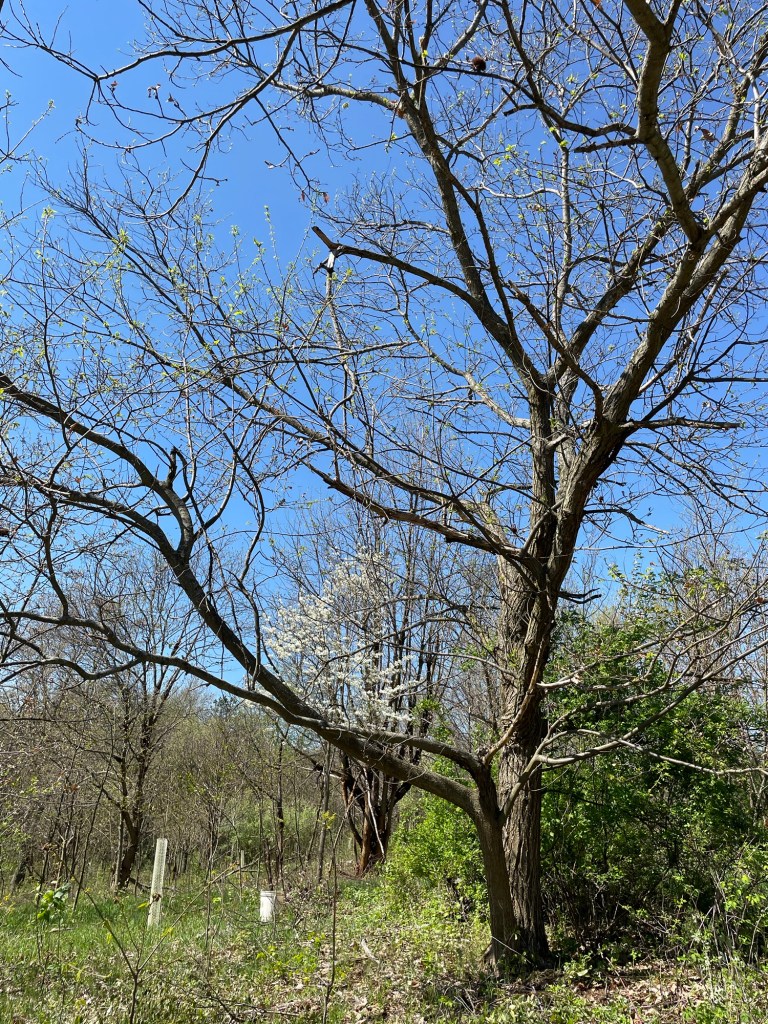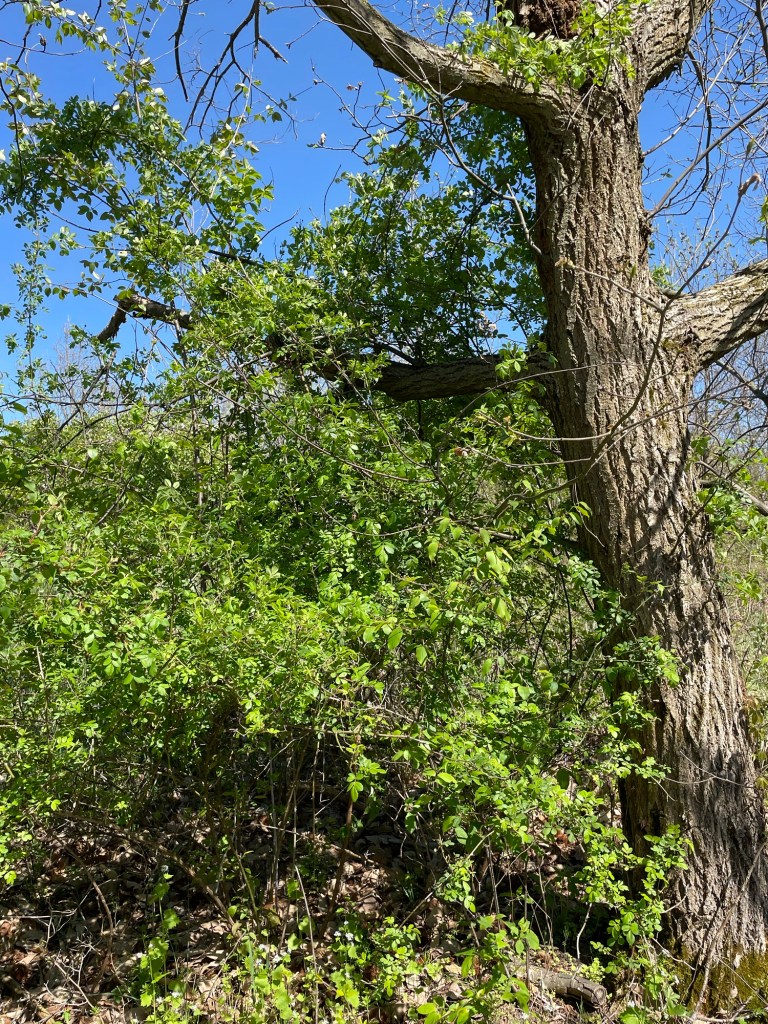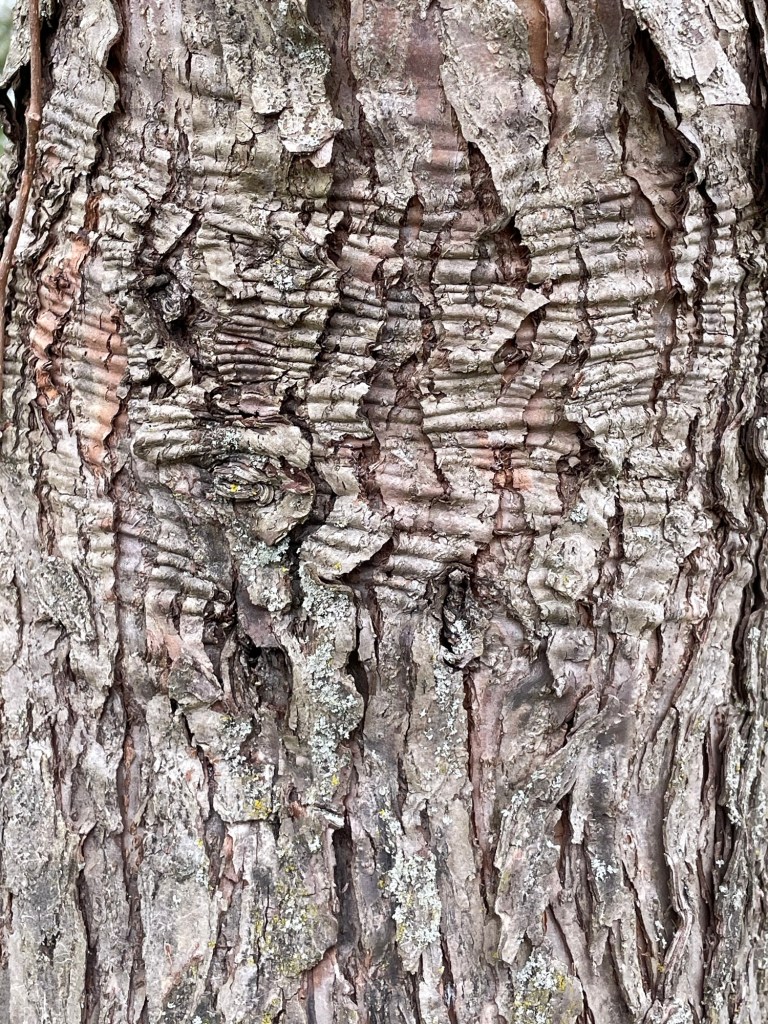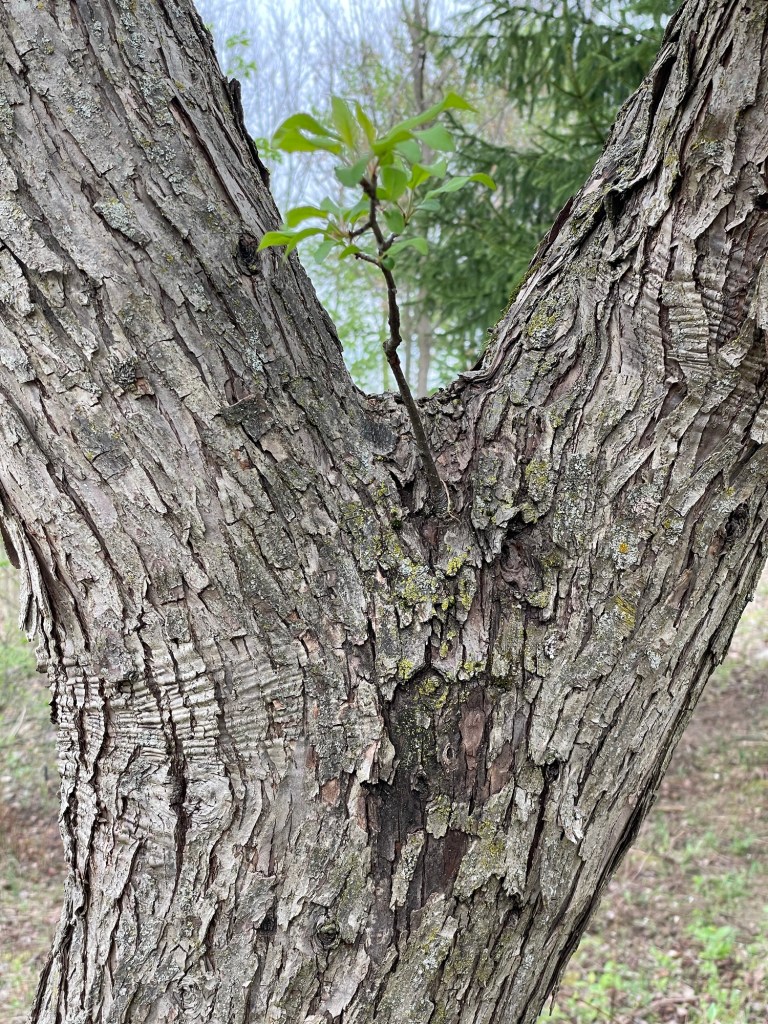
Persimmon Ideals and Species Fruits

Start with the seed.

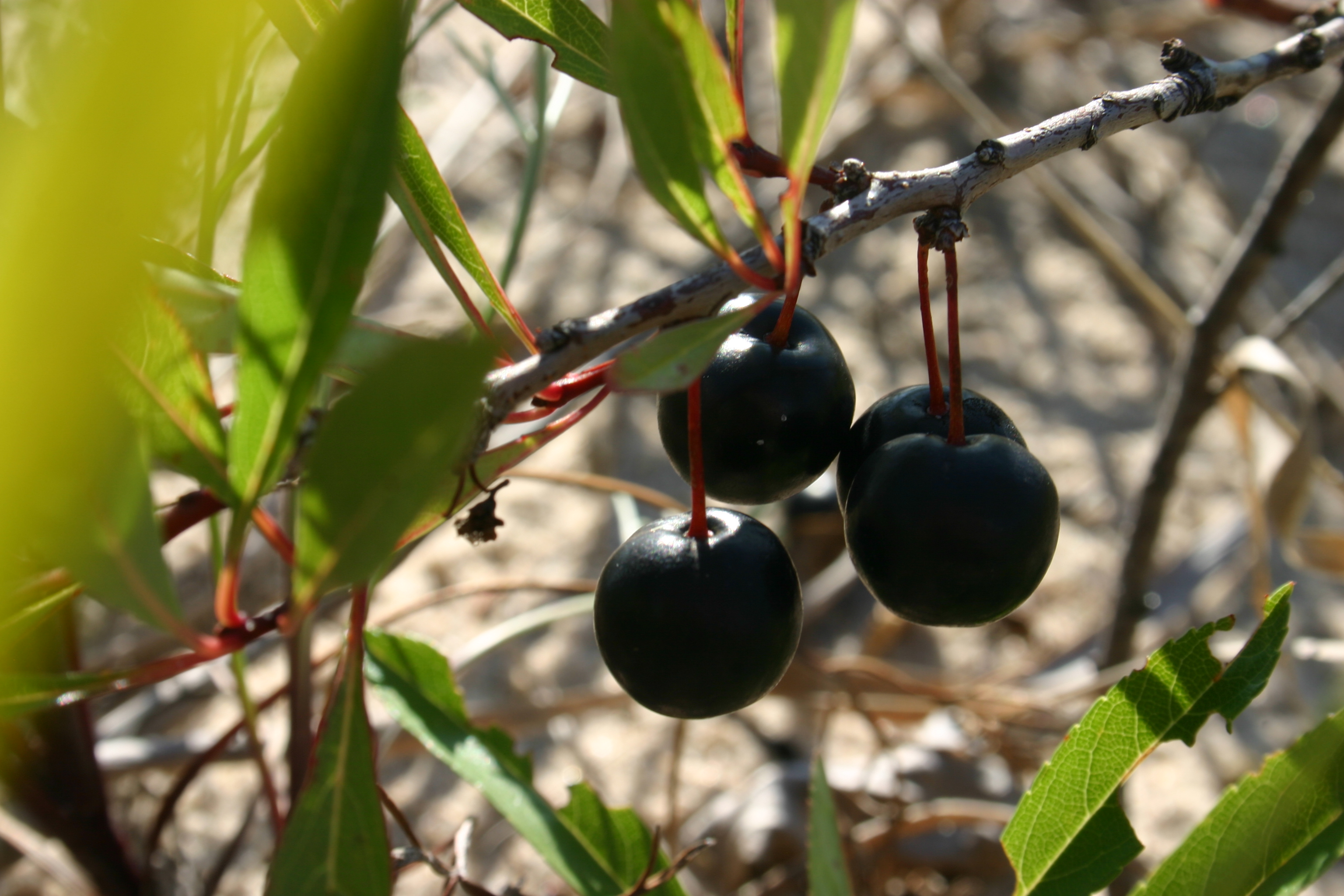
The wild Missouri black gooseberry was a plant I discovered under the powerlines near my farm when I first started my nursery. I reproduced it from seeds and found unique high yielding individuals in the populations. This was one way to not transmit virus and rust by always starting disease free with the seed. Usually Ribes are produced by cuttings. It was easy to grow and spread to other places on my farm. Under cultivation this species fruit excelled with high yields and delicious fruit on a long lived rather thorny plant. This is the Power of the species fruits free of breeding.

My farm is dedicated to creating small collections of species of fruits. Whether they came from the wild or a cultivated collection, they were of great interest and value to me. Species fruits can be more than just something to breed and create varieties from. The species can be used as it exists in nature with no selection whatsoever eliminating the need for clonal reproduction. This can provide a means to spread and reproduce via animals which in turn ecologically enrich your land. Each successive generation becomes more adapted than its previous incarnation. The plant is essentially ‘gaining knowledge’ and broadening its genetic base with increasing complexity as time goes on.  This can be the part where a human can play a role to help shape and form the plants in an edible world of unique culinary possibilities. This is the tree crop agroforestry model of a food rich landscape redefined. Here is the breakdown on much of what occurs at my farm. It falls under the banner of ecological regeneration and crop development as one force of nature. It includes all the world’s food plants and was a key into the world of the Diospyros genus.

It begins with the seed and a vector of transportation.

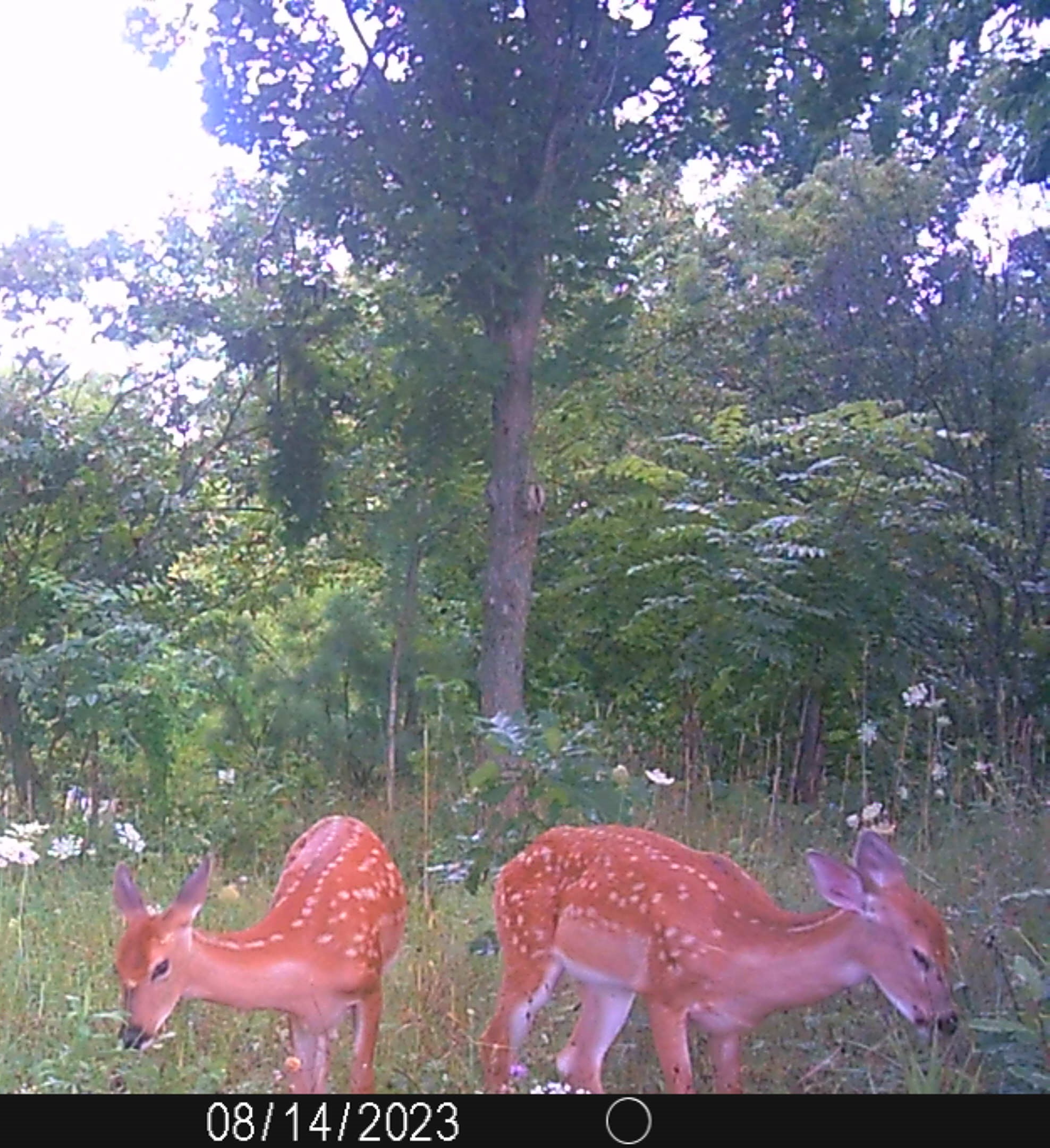
Birds do it all. From eating fruit to gaining health and then deposting the seeds with a bit of fertilizer I soon began seeing the benefits of the flocks of cedar waxwings at my farm. Gray squirrels were particularly good at expanding my shellbark hickory plantings. White footed mice hoard plum seeds away from the original plantings. Some are not consumed. Blue jays drop pecan nuts and they get covered in leaf litter. The whitetailed deer step on the seeds and bury them in mulch as they graze and fertilize their way across your land.

Plants begin to grow in increasing complexity as a community of opposite values.

Scarification occurring within of the birds intestinal track along with the cold and warm dormancies allow the plant to grow in its location. Think of mulberry. Mulberry trees are said to be all bird planted. Nuts and plum seeds go through dormancy sprouting a long tap root in the spring. Some seedlings fade with time. Others are protected by multiflora roses and honeysuckle which make a mini-nursery in their understory. This is the new community replacing my pasture.

The plants begin to fruit even in the shade of other trees and the rather compressed foliage making best of what light is available. More ‘vectors’ move in to fulfill the transition to forest.

The tree creates more fruit to be further assisted by future generations of birds and mammals. Humans also may take an interest in making something delicious from it. They begin to care for it in some small way to make it more productive while creating new culinary possibilities. This is the new orchard scenario where humans gain strength and health as a by product of random plants in unusual locations. The apple will fruit in the shade of an oak tree. The species is not an orchard usually but could be used that way. It has far more flexibility than the clonal fruits we know. During pruning in the winter, I leave specific seedling trees and prune them skyward and cut to the ground other shrubs to enhance their fruiting capabilities.

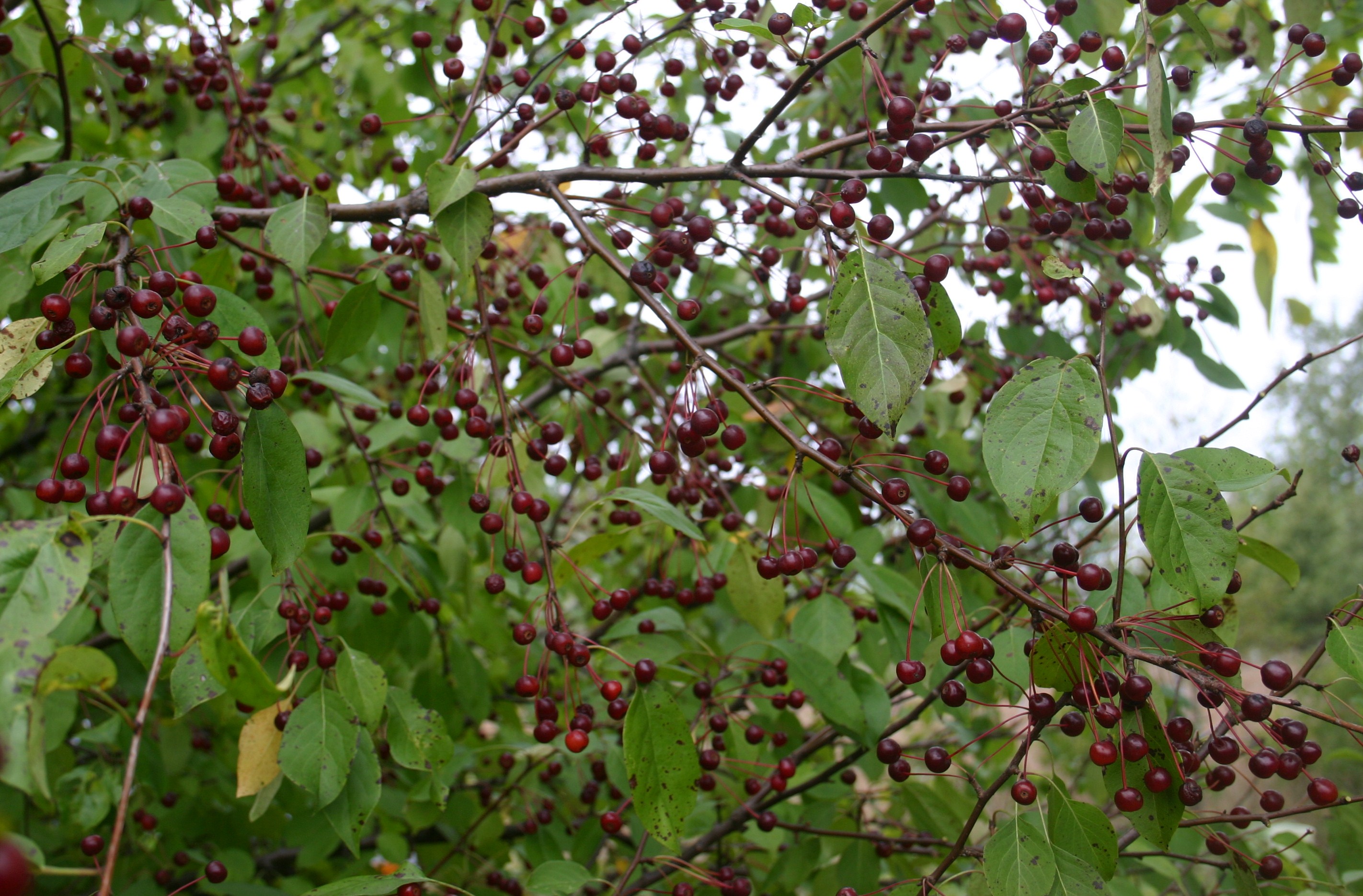
This wild apple was grown from seed from a gratted tree called ‘Hewes’. Hewes is a larger form of crabapple called Virginia crab and used specifically for cider. By selecting for healthy foliage and stronger growth, I was able to find heavier bearing fruiting trees with smaller fruit free of insects and diseases. The flavor was changed dramtically making fresh eating difficult. Too much tartness yet perfect for cider and syrup.
A wild form of pear found in Florida represents an Asian pear species where small fruit size along with astrigency and tartness create the perfect crabpear not possible to eat fresh yet used today to make the Florida Pie Pear. Once the fruit blets the astringency diminishes and fruit can be used as a pulp rich in high density pear fruit flavor. Pretty much the opposite of the pears we eat today. This is a species fruit able to create flavors without being in an orchard system with extremely small inputs to maintain it.

Biological novelty is the key to successful species fruit cultivation.

PERSIMMON IDEALS

I followed these same ideals with the persimmon genus. The persimmon genus has 500 plus species of tropical and evergreen trees and shrubs. There is a dozen hardy persimmon species but only one of commercial significance. I wondered why there was such a low number. Seeds of the other species outside of the American species virginiana were difficult to obtain.

My line up seedling species persimmons included:

Diospyros kaki, Diospyros kaki var. silvestris, Diospyros oleifera, Diospyros cathayensis, Diospyros duclouxii, Diospyros lotus, Diospyros texana, Diospyros rhombifolia 

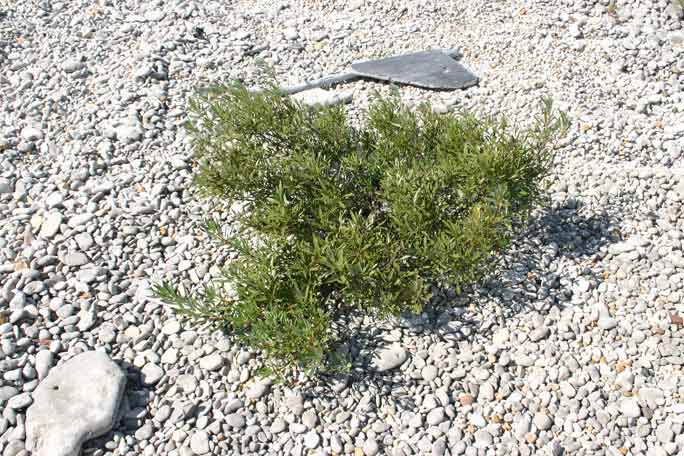
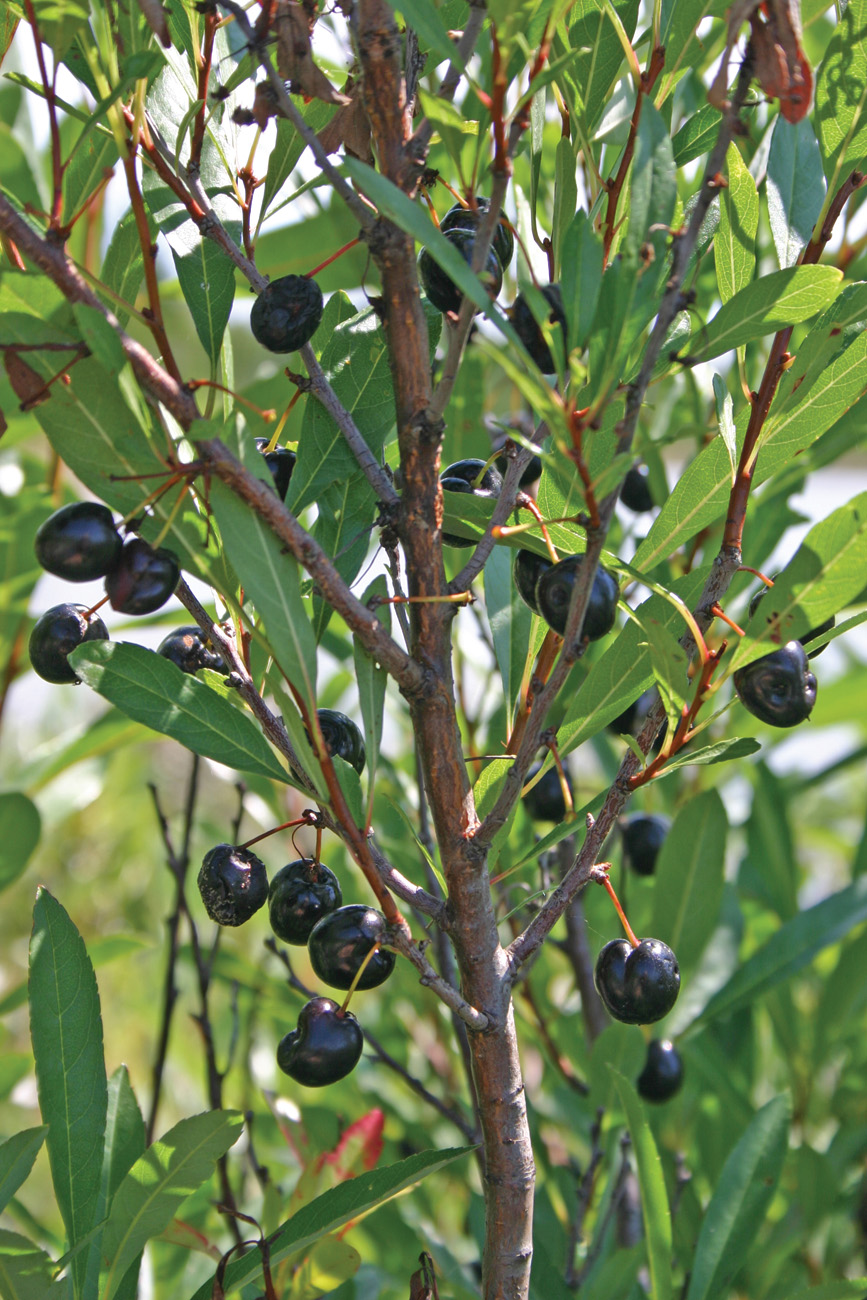
Diospyros rhombifolia


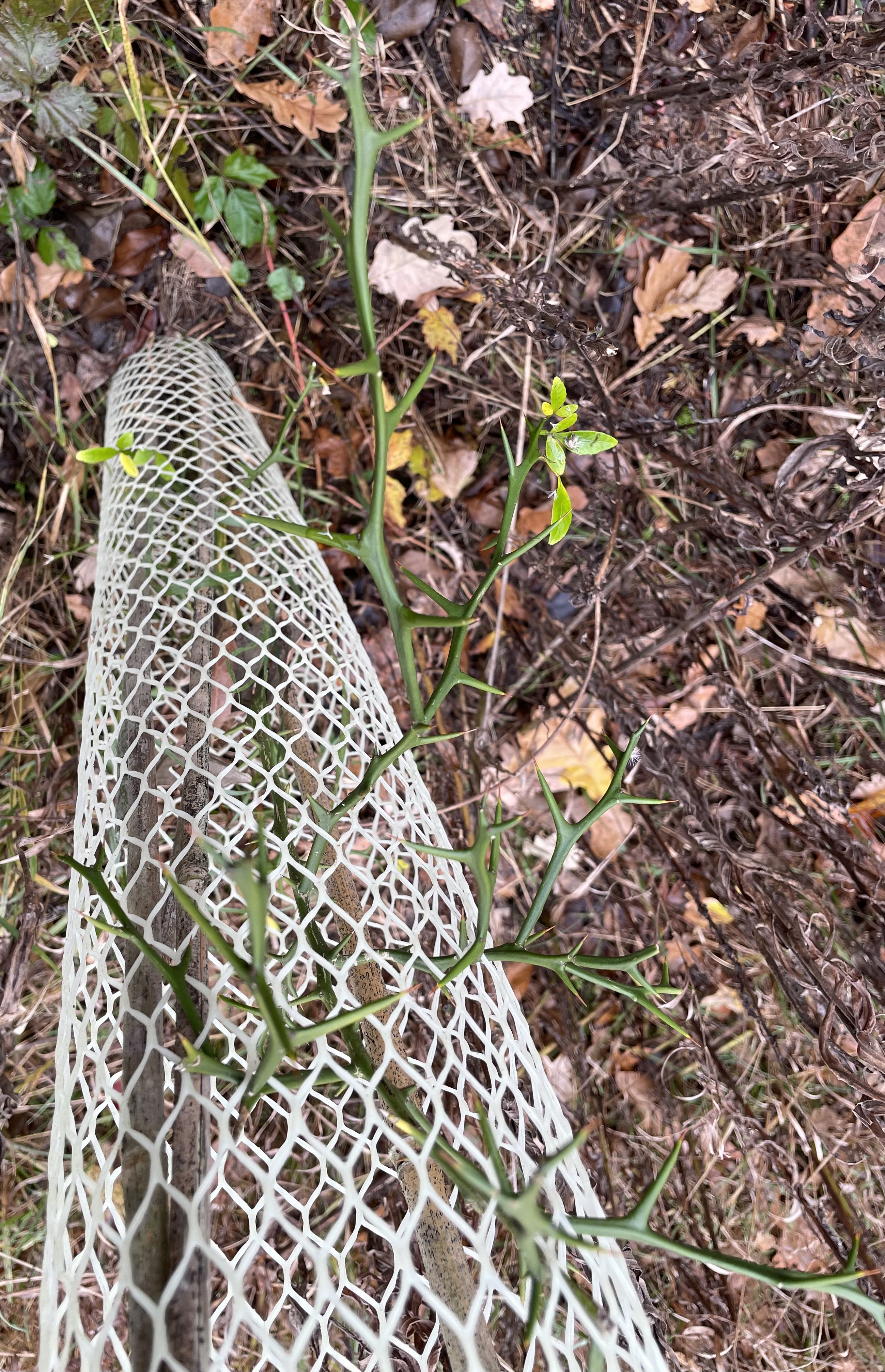
The seedlings of the above species were planted in my field in carefully tended spacings. Today only the Diamond-leaf or Princess persimmon, Diospyros rhombifolia exists. It is considered a zone 6-7ish plant but likely it can make a zone 5 once established. For years the plants grew slowly. Today they take up a small but growing row of stoloniferous shrubs up to two foot tall. No fruit yet but it does look like a few flower buds exist. I end up visiting the Trees and Shrubs Online every now and then to see what the fruiting possibilities may look like in the future. It gives me inspiration with the Princess persimmon. It is interesting that this species is thicket forming like the American plum. This species is rather new to North America and there are very few locations that have fruiting individuals. This species could be used as a persimmon berry.

Only a new seed will bring a new crop. It will not be clonal in nature until a new species fruit comes forward in unexpected directions of ecological proportions. It is from there a cultivated fruit can emerge. From that point, it can be a self sustaining wild population increasing in diversity and complexity. It will be shaped by the laws of nature of climate, plants and the animals surrounding its new and ever expanding domain wherever we decide to take it.

Enjoy.

Kenneth Asmus
Posted in Diversity Found, Ecology-Biodiversity-Integration, Miracles of Nature | Tagged , , , , , , , | Comments Off on Persimmon Ideals and Species Fruits

Persimmon Roots and Their Underground Network

‘Magnifico’ American Persimmon, on the top of a steep sandy slope.

In the beginning, I had a pasture. It was a good pasture used for hay to feed livestock. It consisted of steep hills with flat parts which was almost barren of trees. All I had to do was add trees. I had twelve trees of black cherry, green ash and black oak on thirteen acres. As time went on and I continued my sneak-it-in-when-I-had-time plantings, I soon found myself surrounded by trees and fruits of all types from many different continents. I would like to think that I had expansive knowledge of what I was doing while creating an affect I was fully aware of. In reality, it was far more complex than I thought it would be and my rather carefree attitude was a good state of mind. When I continued one of my apricot plantings on the farm’s steepest slope, I noticed walnut roots over 50 feet away from the parent tree dipping into the mulch resevoirs around the trees. One very vigorous hybrid black and english walnut tree seemed particularly good at finding these mulch and fertilizer repositories.This would in turn increase the walnut root mass around the apricot trees I was planting. You would see lots of root hairs in these areas with a main structural root intersecting the mulch. When I would cut them off and plant new apricots in this area, it was only a matter of time that both walnut roots and as well as nearby persimmon roots would encase the downward slope of this area. Eventually the apricot trees took hold and grew around the other roots tapping into the sand and rock filled soil. In the middle of the farm over two hundred feet away, I began finding the jet black roots of American persimmon. My farm was being encased by persimmon roots. This network took only 25 years. I am pretty sure my farm is now the root highway of cosmic proportions. You just don’t see it unless you dig a hole and notice the jet black roots.

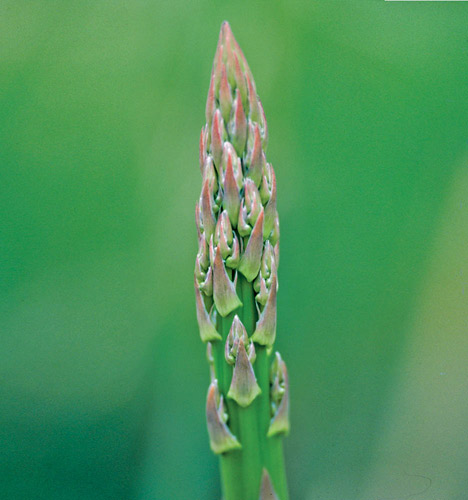
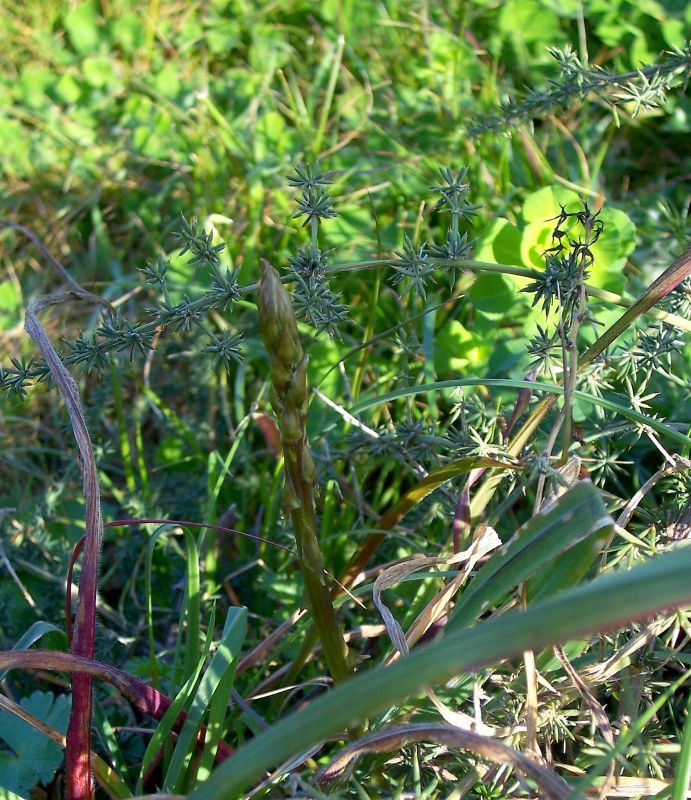
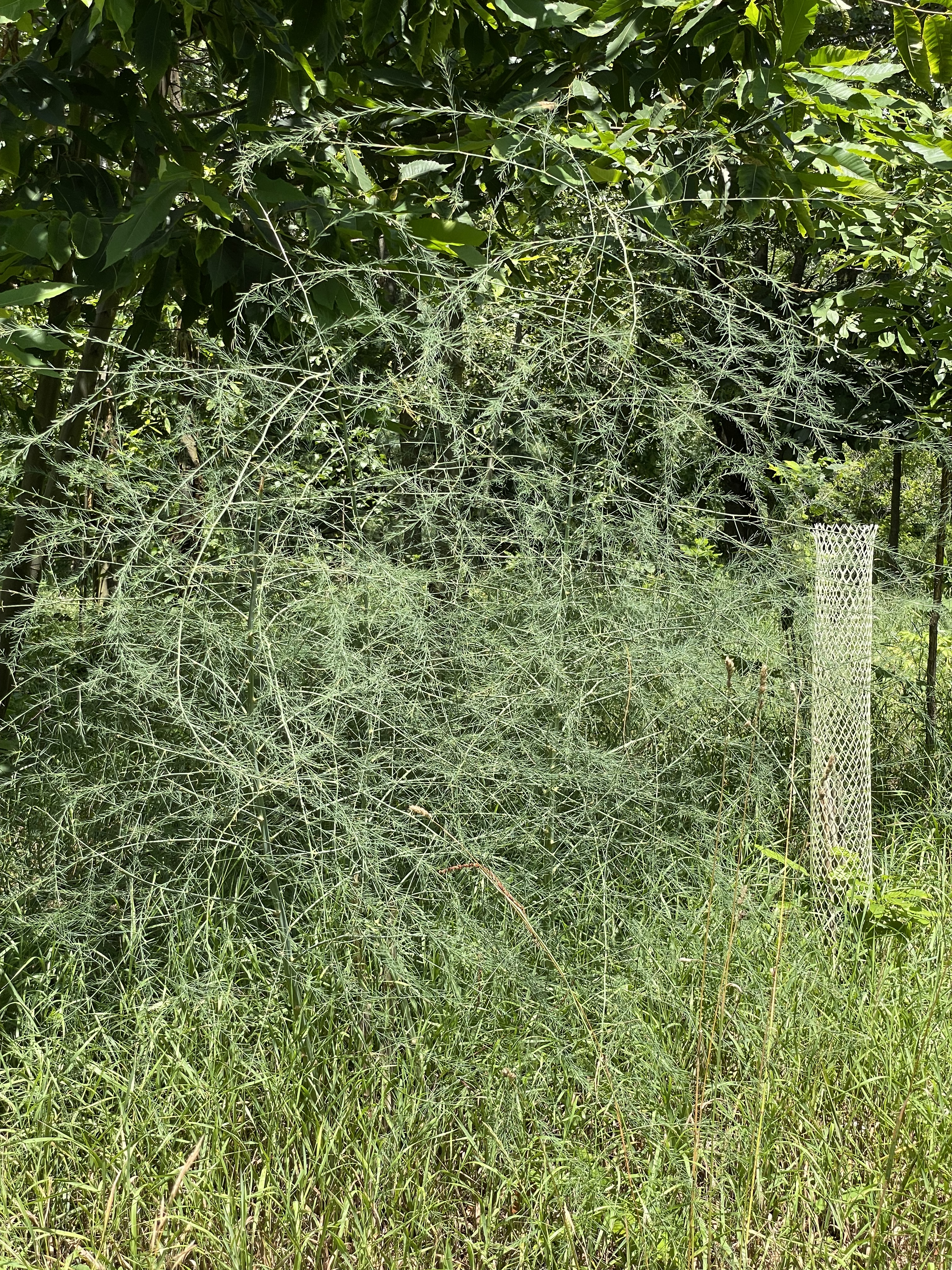
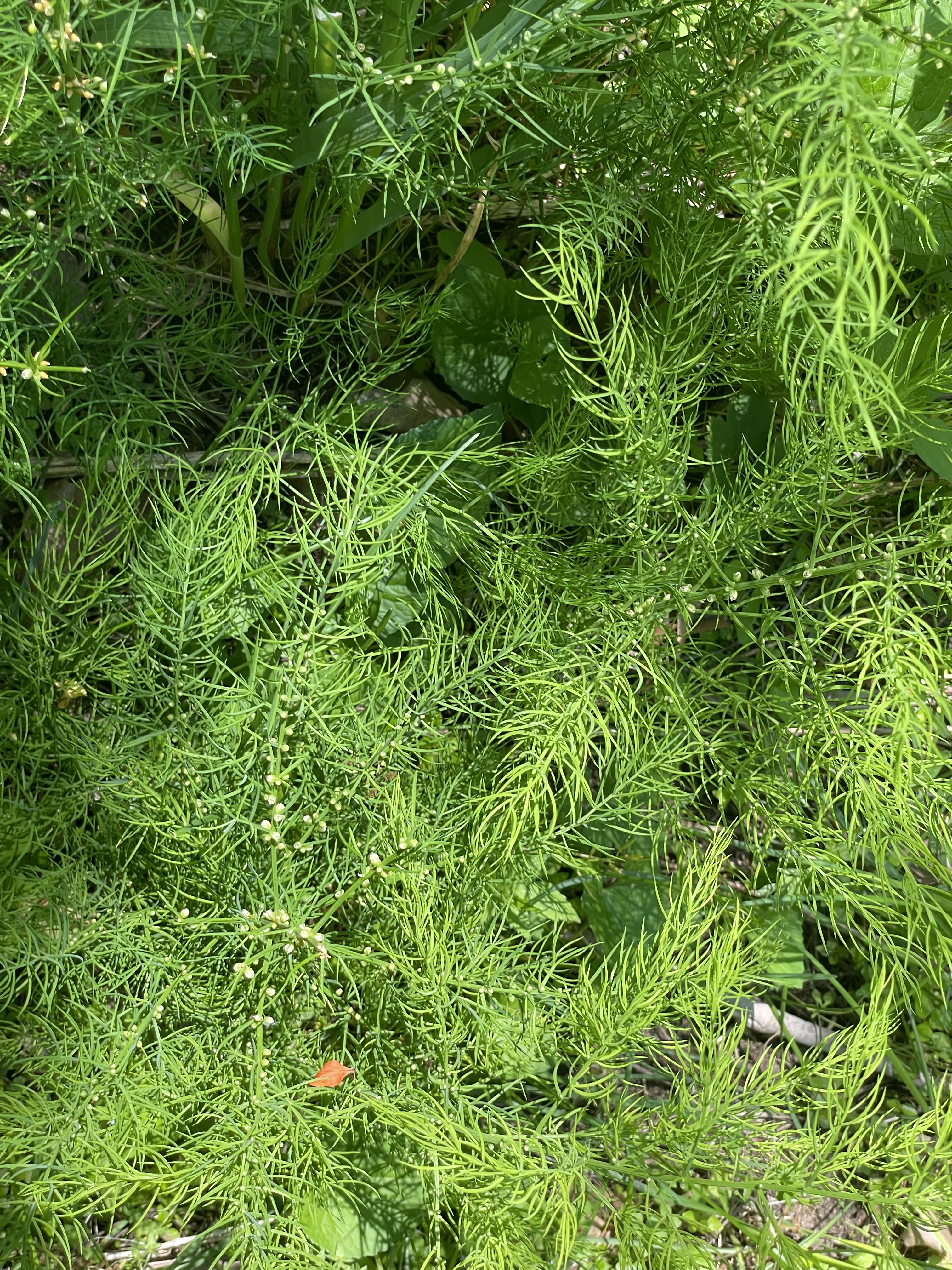
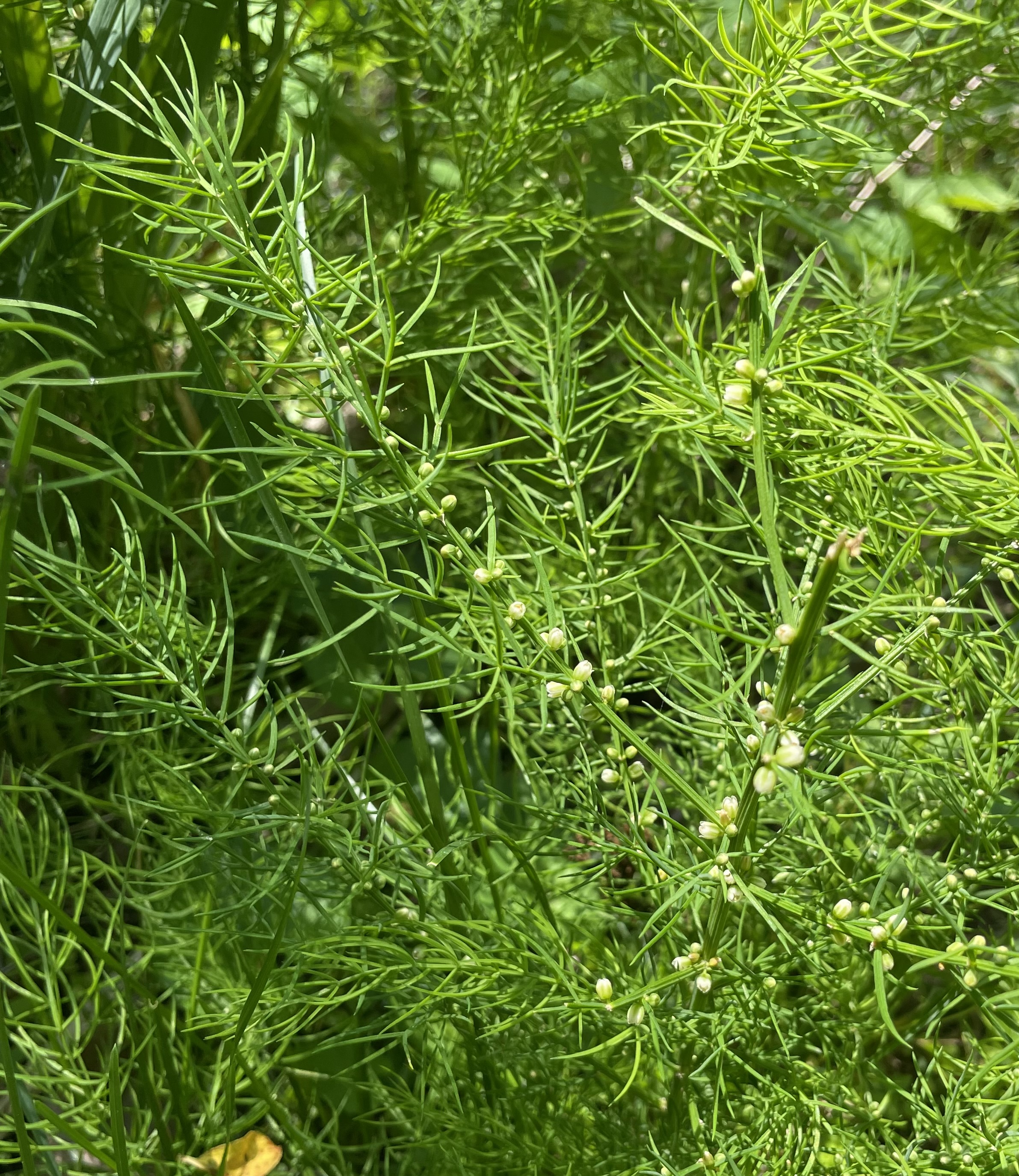
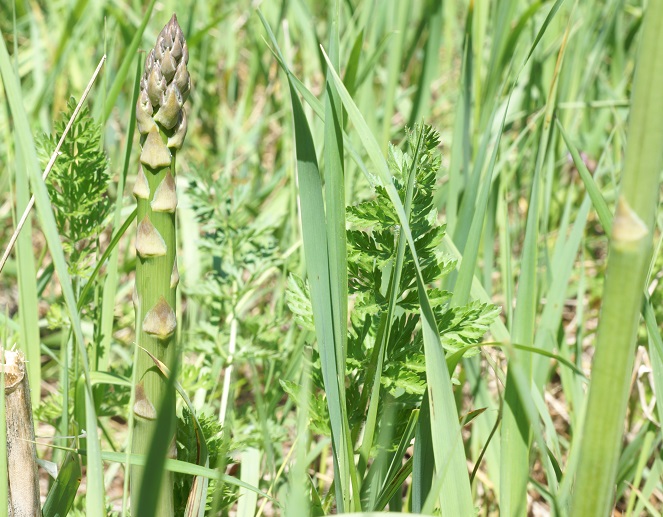
Today when I dig, there is woody plant roots everywhere. I still have the wild asparagus, orchard grass and alfalfa roots but now there is a larger community of plants spreading out in all directions. The roots of these trees and shrubs have transformed the vegetation to the point, I am now discovering many new species of plants never seen before on my farm and a few not found in Michigan. This type of biodiversity is a mixture of native and non-native plants each benefiting the other. Without one, the other would not be there. I could not do a better job. You can ‘set the stage’ of ecology but the ‘actors’ come on their own. Their performance will only add to the next layer to arrive in successive order far greater than you anticipated. Ecological integration is the key to biodiversity. The American persimmon is a good example. Once established it brings in a huge array of animals all searching primarily for its sugary treat. Here come the squirrels, chipmunks, birds, deer, skunks, racoons, neighbors pig, coyotes, cats, groundhogs, weasel and garter snakes. Everyone is welcome in the shade of the persimmon. It can only give. It’s only natural that other plants want to live in it’s shade.

Amur honeysuckle under the American persimmon. This species is pruned to the ground every now and then which then adds to the organic matter in my soil while feeding the deer with a high protein browse as it resprouts in the summer. This is my fertilizer for the persimmons. Amur feeds American. American feeds Amur with its leaf litter.

Magnifico American Persimmon

One of the methods I use for selecting seedling trees is to look at the leaf of a plant. For American persimmons, I would choose seedling plants with large leaves that remained free of any foliar diseases. One seed source good at generating this type of tree was the Pipher tree in Illinois. (A special thanks to Ralph Krieder, Jr. for collecting and selling them to me for many years.) Magnifco was from this seed source. The large fruits start dropping in mid-October and are down by the first week in November. The fruits are clean and firm when fully ripe and free of astringency. It has a nice mild flavor and is of course sweet. It averages 5-6 seeds per fruit. The fruit is produced in great abundance and drops when leaf fall occurs. A few fruit will remain in the tree in November.

Pipher seedling taken at my farm. Good production is expected from this seed source. It was also a very winter hardy selection with zero seedlings dying to winter damage compared to Missouri seed sources.

Persimmons rarely self seed. Once the fruit falls, it begins fermenting. Unlike apples or pears there is no cellulose outer casing to protect it against alcohol and excessive moisture and soon the alcohol passes through the seed coat and the embryo is destroyed. Seeds consumed by deer seem to pass through their digestive tract and those too are destroyed. The only ‘natural’ seed dispersal may be by squirrels moving the fruit and partially eating them and deer stepping on the fruit crushing and smashing it in the ground removing a few seeds outside of its pulpy enclosure. One way to random plant of kindness would be to throw the crushed fruit into leaf litter. The seed itself is not eaten by most mammals making it an ideal plant to direct seed. Just cover the fruit with 1/2 inch of soil in the fall. Specific individual plants seem to have a greater propensity to spread by runners. This is more apparent on a hillside with thin topsoil or there is damage due to herbicide or loss of topsoil where the roots are exposed to light in some way.

The American persimmon seed without its coat.

Enjoy.

Kenneth Asmus
Imperial moth: Image from my farm in southwestern Michigan. Host plants include American Persimmon
Box turtles are common in this area filled with pear, persimmon and pawpaw. They often hibernate under the trees.You can find their exit holes in the spring if you’re lucky. My guess is they were led there by their noses and the smell of fruit as the location is rather isolated from other more conducive habitats. You can find their bite marks on the fruit once in a while. They may also eat the nearby plums in this area.

Posted in Diversity Found, Ecology-Biodiversity-Integration, Miracles of Nature | Tagged , , , , , , , | Comments Off on Persimmon Roots and Their Underground Network

The Very Wild Texas Peach

Texas peach flowering. Surrounding plants include Korean nut pine, Nuttall oak, pawpaw and hybrid American chestnuts.

The Texas peach represents a great human plant introduction into the southwestern U.S. native flora. It integrates into its surrounding environment and continues to broaden its genetic diversity. When botanists first looked at the peach thriving in the southeastern U.S., they thought it was part of the indigenous plants in North America. Even Bartram believed. Started by the Spanish explorers and later discovered and used by the Native Americans, it was continually being moved throughout the plains states. Over time this wild progeny of Prunus persica may have even crossed with the native desert peach, Prunus andersonii making it even more adaptable to its new home. The genetic connections grew stronger over time. Who knows what is found within it’s genetic make-up? I tried twice to grow the desert peach, Prunus andersonii at my farm in Michigan. It was not possible for the same reason I cannot grow cactus. The moisture levels in the soil and air are too much along with the cold hardiness. Texas peach comes true from seed and is a gold mine of evolutionary history. My single representative has no insect damage or disease issues so common in cultivated peaches. The small white tart flavored peaches ripen in October and drop freely from the tree in perfect condition. This is not a peach we know. It’s small. It’s white. It’s furry. It is a juicy peach rich in flavor. It is tart. The Haven series are not here. The patented Jim Friday peaches are also absent. Wild peaches are found throughout the world. Some were distributed by the Romans in the early trade routes pitching seeds along the way into the high altitudes of unamed mountains. Today Iowa boasts a germplasm from these connections grown as the clingstone white peach found in a ditch abandoned and almost forgotten until the turn of the century. We may not recognize it with our eyes but one taste will bring us to a larger and more delicious peach universe.

After all it’s a peach of a plant.

L-Heritage Iowa peach, Waukee 1920’s. Wild Texas peach 1500’s. Southern Texas

From pit to pit, the peach continues its journey outside the confines of plant breeding and the peach industry. Like the wild apple, only nature is involved with its ability to change over time to adapt to new locations untended by humans.

From the level of the pit, the peach much like the lotus seed can have a dormancy lasting decades until the right conditions for germination. The pit itself has a high modulus of elasticity making the seed coat impervious to breaking. Only the suture can split and release the seed intact. At my farm, I’ve noticed that even squirrels and chipmunks do not bother. Every once in a while you will see the incisor marks on the outside of the pit. It’s futile. The chipmunk tells his friends, ‘Won’t work. Modulus of elasticity too high.’

Wild Texas peach

The pits slowly split along the sutures allowing moisture to permeate the seed. If the seed is not fully mature, a warm period will allow the embryo to continue to grow until finally a cold dormancy sprouts the seed. It could be a two or three year process to germinate under natural conditions. We use to put them under the bench grinder to speed germination by grinding off a portion of the suture.

A cold and lightly moist period of 60-90 days will then cause the seed to sprout overcoming any biochemical restrictions to germination.

Wild Texas peach anyone can propagate. Take a pit and plant it. Paul Friday peaches are patented, restricted and unavailable to the common person to propagate. The pits are protected by laws.

Patented varieities are not allowed to be used as seed sources. It’s off limits. The peach is in legal limbo there. Seed strains from wild germplasm are free to follow your share the peach attitude to all who wish to experience your discovery without such limits. Could someone make an orchard of pit grown peaches? That is a good idea. Now a few trees can produce a colony of like minded plants covering hundreds of acres. No need for grafted peaches all cloned in uniformity forever. Break the dam of genetic stagnation of clonal peaches and allow the peach to flourish in what we think is non-peach environments.

Wild Texas Peach. Small, furry and white clingstone. Easy to raise.
The way we experience peaches today. Red Haven. Freestone, big fruit, difficult to raise.

The Red Haven was developed using seed grown heirloom peaches in the beginning. Now it is cloned but still open to grown from seed plants should you want to test your peach pit ideas. Why not?

A Peach Pit Discovery: Peaches First Introduction Into North America: Link below:

https://www.floridamuseum.ufl.edu/100-years/object/peach-pits/

Florida Museum Peach Pit Exhibit: When Peaches Were First Introduced Into North America.

Enjoy. Kenneth Asmus

Posted in Ecology-Biodiversity-Integration | Tagged , , , , , , , , , , , | Comments Off on The Very Wild Texas Peach

Tree Crop Pioneers and New American Persimmon Varieties

One of my first persimmon seed sources for trees at my nursery was from a persimmon cannery in Mitchell, Indiana called Dymple’s Delight. I used the cannery waste for producing trees. The seeds were extracted prior to cooking. The seeds cost six dollars a pound and I purchased 50 lbs. which was a lot of money for me back then. (Mid-1980’s pricing.) They primarily used Early Golden as their main variety but they also used specific wild collected trees for their canned pulp. As time went on I found other individuals who had small plantings of grafted selections known for their higher quality fruits. All of these selections were discovered as wild trees within the persimmon’s northern range. The late Ralph Krieder, Jr., a great tree crop pioneer, had many of these selections growing as well as friends who allowed him to collect fruit. I purchased lots of seed from him from several cultivars. Eventually I made the trip down to visit him and a day later we found ourselves at the late Jim Claypools’ American persimmon plantings. Ralph and I took some time and also visited the original Pipher tree which was a giant tree all alone in a front yard in a small town in Illinois. I grew a lot of seedlings from that one tree which proved to be a great winter hardy seedling producer.

L-R Ralph Kreider, Jr. James Claypool holding his book Planting Record Diospyros hybrids

At that time, Jim was continuing his breeding project and evaluating all his fruiting crosses including using them in his favorite recipes. His breeding was aided by another horticulturist, Professor J.C. McDaniel from the University of Illinois in Urbana, Illinois. He would go to him for advice once in a while when he was in doubt. He would say “Make the cross Jim.” He said for the persimmon, the right male tree is critical on what the seedlings will be. Since the male tree has no fruit, it was not an easy choice but he had honed in on a few. It took time to figure that out. The one thing I found inspiring about the planting was he was taking out a few rows of corn every year to expand the long 1/4 mile rows. Jim also worked out a system for grading persimmons and cared deeply about what you thought they tasted like. He said nothing as you snacked away. He wanted to know which selections were the most appreciated. He didn’t care about his own tastes but obviously used it as a source of direction. All of his crosses were done with great care and determination. He told me he was concerned about inbreeding depression and changing the overall health of the tree making it susceptible to foliar diseases. I was told later that this issue is apparent in his orchard some of the years making the tree loose its foliage early. Besides the amazing flavors and high quality fruit, the one thing I noticed when visiting is that his location in central Illinois is over a month ahead of southern Michigan. You have to tack on another 30 days of ripening to even out the ripening period. This is often lost in the descriptions of varietal persimmons where ‘early’ is a subjective term spanning a subjective space in time. (It’s a paradox in the space time continuum of nursery lingo.) Today you will see some of Jim’s selections in the nursery trade under copyrighted named selections and once in a while a series of confusing numbers and letters.

Jim Claypool’s American Persimmon plantings

By the time I made this visit, my persimmon seedling planting was near completion at my farm. Although we did not collect many fruit for seeds, that did not matter. Obviously, that was not why I was there. I now had a vision going forward and it had little to do with my nursery. After having lunch with Ralph at a local diner, I drove home contented with a much greater scope of understanding the American persimmon and those who have unearthed its sweet treasures for all to enjoy.

Oranges American Persimmon

ORANGES

Firm fruit, low seed count and no astringency even when picked from the tree, “Oranges” is a great representative of the American Persimmon. Bright orange color with a red blush on one side. A light bloom covers the fruit. Along with the green cap which stays on and doesn’t discolor this selection is perfect for packing in trays and sold as fresh fruit. The dense sweet fruit has only 3-4 seeds compared to the wild forms of American persimmon which can have 8. “ Oranges “maintain its color without shriveling. But like all persimmons, it shrinks down slowly over a month period. Ripening starts in late September and drops quickly within two weeks. Heavy yields to the point the branches hang with ‘orange’ like fruits. Earlier than other cultivars with a great flavor and texture.

Oranges American Persimmon
Date-Me American Persimmon

DATE-ME

Selected American persimmon that ripens and dries in the tree turning into a date like consistency very quickly. Chewy and sweet the orange fruit turns darker as fall goes on. It has 4 seeds per fruit. All of the fruit drops fully by the first week in October which is prior to frost usually. This is a low moisture level fruit with a sweet and non astringent flavor which is easily stored. It is fibrous but easy to chew with a low moisture level. It may need additional drying for long term storage. It does not ferment on the ground. The yields are very high with fruit clustered all along the branches. The early ripening along with the date like consistency is an excellent storage persimmon.

Date-Me American Persimmon
An American Persimmon seedling at my farm.

Enjoy. Kenneth Asmus
Posted in Diversity Found, Ecology-Biodiversity-Integration, Miracles of Nature | Tagged , , , , , , | Comments Off on Tree Crop Pioneers and New American Persimmon Varieties

Two New American Persimmon Varieties

Starting in the mid 1980’s I began growing American persimmon trees on my farm in southwestern Michigan. I initially grew them within my nursery to sell as seedlings. Eventually I planted many in my open hay field surrounding my farm creating a hedgerow around 1600 ft. long. I had never tasted an American persimmon and only knew one extremely large tree with no fruit on a nearby college campus. I was using only the knowledge found in books and people’s experiences to guide me. Eventually at a fruit growers meeting I was able to taste the fruit from other grafted varieties grown in Michigan. The limiting factor was the length of the growing season and having the fruits ripen fully on the tree. Unlike other fruits you cannot pick them early and ripen them indoors. They need the warm sun of fall until the fruit drops off on its own. I remember one tree crop pioneer who lived in my hometown of Saginaw told me his “Meader” persimmons were perched on a radiator in his home. “Ken. We need to reevaluate this.” I had a “NC-10”persimmon variety from Ontario that did the same thing. Both of these are considered super northern varieties. They too suffered from the short season of Michigan. Their fruit could not ripen fully here to be appreciated. This season (fall of 2025) I am starting the process of naming the seedling selections I planted so many years ago. When I had them in production, we used the seeds from these varieties to produce further seedlings. Some of my customers told me these too also ripened in cooler summer areas of the northeastern U.S. All of my original germplasm was grown from the most northern range in Illinois and Indiana. Every person I purchased seeds from were growing them in central Illinois for the most part and the seed sources were from named varieties in the northern part of persimmons range.

Sugar Cream American Persimmon

SUGAR CREAM

Sugar Cream is the most luscious of the persimmon fruits with high sugar and bright orange color with only 2-3 seeds. The fruits ripen over a month period starting in mid to late September. The tree is a yearly heavy producer. The tree is very vigorous with large leaves. It can be reproduced by grafting and does generate root sprouts on shallow stolon roots should someone try to clonally root it. The fruit is very soft and splits when it falls. The texture is very smooth and not fibrous. This is one of the best selections as fresh fruit. The seeds from this selection are also valuable in that the offspring also show large leaves and strong vigor. Earlier than Early Golden or Meader.

Sugar Cream American Persimmon
Tango American Persimmon

TANGO

Tango represents an almost seed free American persimmon. Small fruited-an inch in size-Tango has a rich orange pulp free of the usual compliment of 8 seeds per fruit. This variety is very heavy bearing and begins dropping in early to mid September. It is much earlier than Early Golden. This variety can be grafted. The seedlings can provide an avenue to develop a fully seedless fruit much like the origins of the Kaki persimmon varieties. This tree was totally seedless in the past but can fluctuate between 1-3 seeds in some years. It would be worth testing to see if it is a self fertile variety. The yields are very high to the point of limb breakage and then back again to medium heavy. This variety is not as soft as Sugar Cream and doesn’t smush easy as it falls from 40 feet up. The fruits stay in good condition refrigerated and can potentially be sold as fresh fruit. The low seed count is ideal for this application but the skin has natural blemishes which may inhibit someone from buying them as fresh fruit.

Tango American Persimmon
Tango American Persimmon Tree

American persimmon has a large range and could easily be commercially produced using all organic methods in southern Michigan as a fresh fruit. Clonal varieties could play a role in smoothing out the acceptance of the fruit. The farther north you go, the shorter the season and the shorter the ripening period. The tree would grow fine but the fruit would be high in astringency and not useable. My farm is in one of the cloudiest areas in Michigan similar to Grand Rapids. The coldest temperature recorded at my farm was minus 29F. There has been frost here in June a few times and in September. The zone 5 hardiness is good but ripening of the fruit with warm temperatures in the fall is critical. If you do not have the heat units then the fruits will remain greenish oranage in color and will be completely inedible. Frost does help further refine the flavor profile on some selections but it is not a substitute for heat. I remember one year where there was almost no ripened fruit. The fall came early and the leaves were frozen off in the green stage. This ripening period is in synchrony with the nearby Concord grapes. If the sugar content doesn’t get high enough then the grapes are not harvested for juice.

Ideally you would measure degree days above 50F and like pecans you could zero in on specific locations for the American persimmon in Michigan and other northern locations. Someone told me that climate change will make ripening a much greater probability for the persimmon. Yes and no. There are too many other variables with extreme weather associated with climate change that could easily destroy a new crop like the American persimmon. But certainly a crop that flowers in June missing frost and ripens in September and October and requires zero spray is a more durable crop perfect for what lies ahead for fruit cultivation. It could be our new source of sugar, ebony like timber and a delicous fresh fruit.

Enjoy. Kenneth Asmus
Posted in Diversity Found, Ecology-Biodiversity-Integration | Tagged , , , , , | Comments Off on Two New American Persimmon Varieties

Watermelons Grow in Trees at My Farm

Wild watermelon at my tree crop farm growing up and over my American plum hedgerow.

One of my first attempts at growing watermelons was a huge success. I was working full time at a garden center and much like all of my co-workers I had a large garden. My garden extended the width of the lawn running along a horse pasture separated by three strands of barbed wire fencing. Three horses would frequently hang out in front of our home and if they could reach, nibble a few of the vegetable plants. At the end of the season, I had way too many ‘Sugar Baby’ watermelons so I began tossing them over the fence for the horses. I felt it was a reciprocal relationship as they provided me with fertilizer for the garden. To my surprise, they consumed them quickly. Sometimes late at night with our windows open, you would hear their flatulence fill the calm night air. My wife suggested to me maybe I should back off on the quantity I was pitching over the fence. Good idea. It was keeping us awake. This ‘Sugar Baby’ experience led me down the road to the power of a annual vine crop and its possibilities in agroforestry. It could feed people and animals all at once merging the power and longevity of tree crops into animal health via annual crop plants. The seeds could be roasted and eaten. They could potentially self seed creating a thick lush cover under the oak trees.

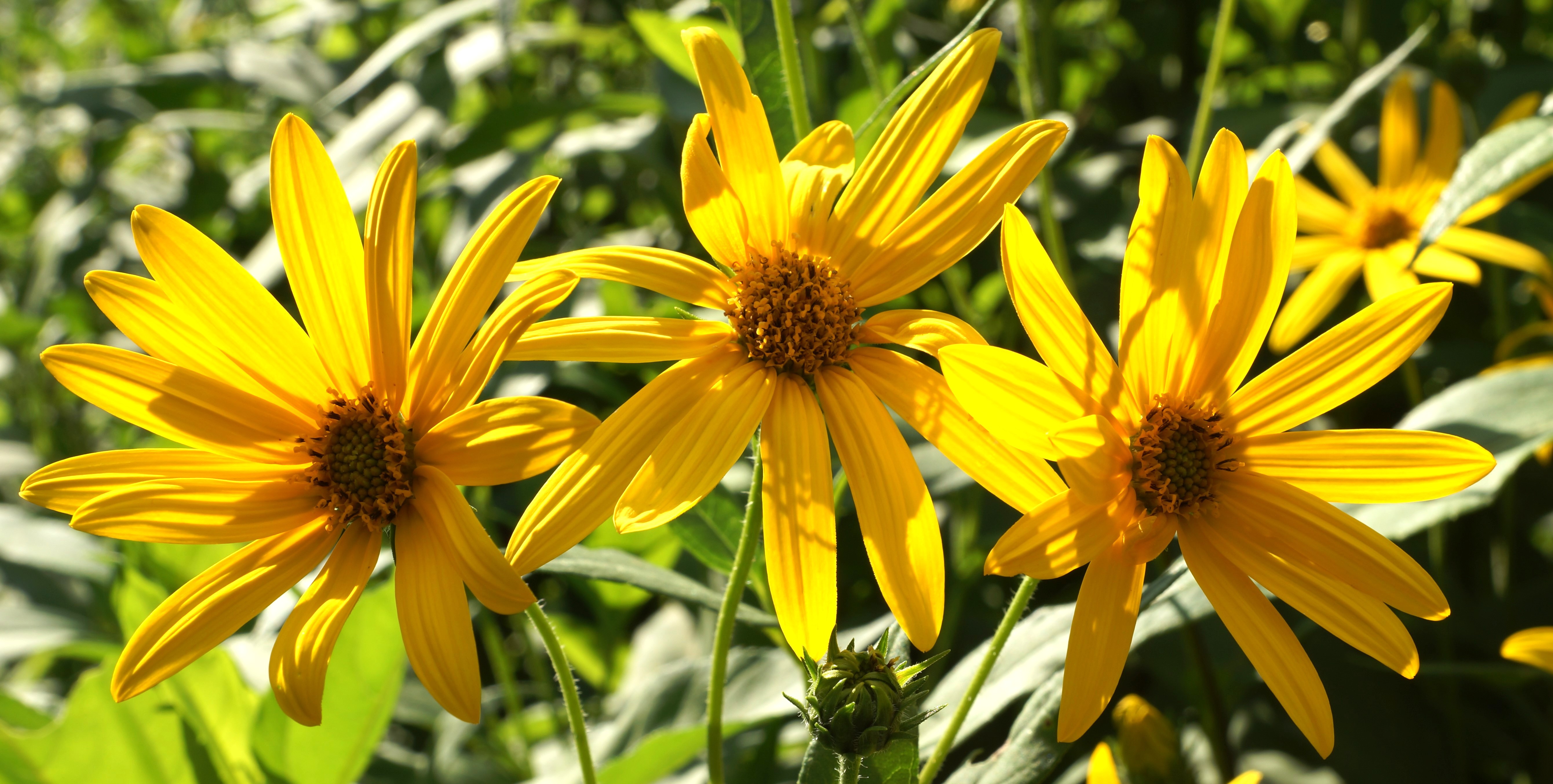
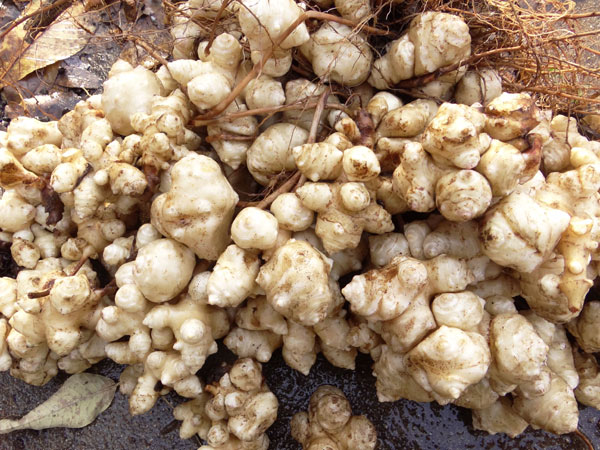
As time went on, I had to refine my ideas of cultivation of the ‘wild’. It was refined and defined in a way that would allow the crop to grow to its fullest even as a uncultivated food plant. Like groundnuts and Jerusalem artichokes, I had to expand it to undeveloped species level crops that are currently used and highly bred by modern agriculture. I wanted to see what the species offered in terms of edibility and growing characteristics. Michigan is not the epicenter of watermelon production and the climate favors only certian varieties. I was searching for the abandoned or feral watermelons. Better yet, I wanted the species watermelon before it became the giant sweet red basketball sized fruit sitting on pallets in the grocery store. The watermelon still has wild versions represented in South Africa. There are also many satellite populations scattered around the world carried by humans as a means for survival in harsh desert climates. Australia has a few. Botanists are confused. How did that get here? There is even some information that watermelon was also found in North America as a desert plant used by people to survive long treks across unforbidding landscapes. I was fortunate to get seeds from a seed company that had access to the original wild watermelons in their native ranges. I began by growing only a few plants at first. When the vines extended up to 100 feet in length and grew up and over my American plum hedge, I knew I was home free. Here you have the potential for using the watermelon for both its edible seeds and its fruits for humans and animals alike. There was one hiccup. The fruit was like a juicy piece of cardboard barely sweet. It was heavy in fiber and rather difficult to chew. The fruit itself could be dropped at Dave Lettermen like high altitudes off tall buildings and it would not even crack. For our own amusement we tried climbing up the tallest ladder and dropping it on the driveway. Nothing happened. Some forms were bitter and had compounds within them that were considered poisonous in large amounts. When the intern working for me helped me taste test the melons it became a trial of nerves who could last the longest. Finally we broke down laughing after a few dozen fruit. The vast majority of the seedlings were edible but had little flavor. They were more like lightly sweet cucumbers. Processing watermelons for seed was exceedingly slow. I did not have a Dybig Seed Processor and that time which meant we had to smash watermelons via the Gallagher method. This involves a sledge hammer and soil tamper. (If you are in the front row, wear plastic over your clothes.)

Baby wild watermelons are cute. Cute in the evolutionary sense: the long hairs slow evaporation as it develops a thick impervious rind to protect its progeny.

I no longer maintain my collection of watermelons. I still dream about them. Every now and then late at night I hear the sound of horses in front of my home. Once in a while, I walk by the plum trees at my farm where they made their first giant leap into the trees. There they hung like green volleyballs smiling at me with their rich seeds and fiber. Who would eat this I would ask myself? Did I find something of value? I may never know. But I do know this: I found another plant that could do it all. Will we accept its offer?

Some fruits were volleyball in size.
Other seedlings produced fruit rich in seeds with bitter pulp.
Hulless watermelon seeds provide an avenue for a crunchy high protein and oil seed similar to hulless pumpkins. To extract this type of seed is very simple. You crack the fruit and let sit for a few days. The pulp turns to a jelly like substance and you then just rinse off the gel. The seeds have a light peppery flavor.
Many of the largest fruited types had seeds with very hard seed coats.
The hulless seeded fruit are high in bitter alkaloids. It is a type of fruit to crack open and let the pulp break down into a clear liquid which is easily washed off. They are small fruit averaging 3-5 inches in diameter. The vines appear to be somewhat shade tolerant and have potential as an understory crop for use as an edible oil and seeds.

The seeds are reaching out to you. Time to regenerate the world.

Enjoy. Kenneth Asmus
Posted in Diversity Found, Ecology-Biodiversity-Integration | Tagged , , , , , , , , , , | Comments Off on Watermelons Grow in Trees at My Farm

The American Persimmon: Sugar Heaven

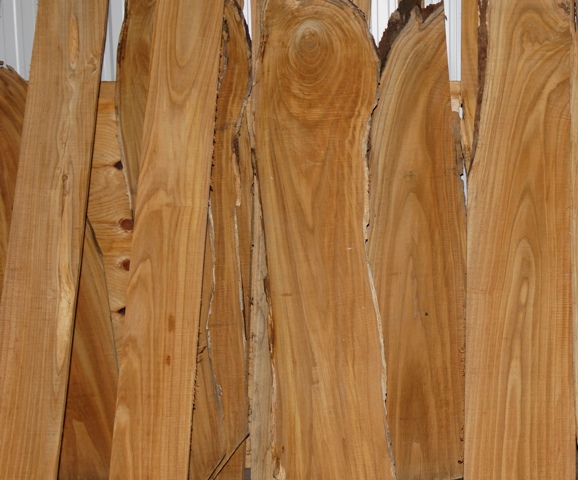
Diospyros virginiana

Every year is a great joy to harvest American persimmons. This year is no exception. I relish the major brush clearing and grass mowing that is needed for me to obtain the fruit in quantity and quality. To harvest the fruit efficiently I have to flat line the vegetation under the trees to chips and clippings so the fruit drops directly on the mulch and not in the middle of an impenetrable hedge filled with thorny wild black raspberries. This process adds valuable fertilizer to the trees. ALL of the brush is valuable including amur honeysuckle and multiflora rose. Some view these plants as the evil enemies of the native world and other exaggerated claims. Since I have been doing this type of hand clearing with lopers, silky saws, weed whackers and lawnmowers for the last 30 years the soil has improved dramatically. Of course the leaves of the persimmons and the deer and other mammals feeding underneath adds to this benefit. And so has the heavy yields of the native American persimmons responded. This is my entry point into the heavenly sugar fruit domain.

To achieve the best quality fruit requires heat units above 50 F for extended periods of time in the fall. Then the thirty percent sugar range and the smooth texture of a date is possible. It’s the only fruit that I know that has to drop free on it’s own to enjoy. You can shake the branches a little to bring down the fruit. But it is not a fruit to pick. It can’t be yanked. It must be plucked like a guitar string. You cannot pick it in the firm stage and ripen later. It is not a banana or a pear. The American persimmon needs to ripen slowly to imbibe the fall weather and bask in the Indian summer weather. A little frost is said to help but heat is what I need the most. Without that, it is an astringent tannin rich fruit fully capable of creating a metorite type of stone called a bezoar while blocking your intestinal tract in the process. Fully ripened on the tree is the only way to go. On a side note, bezoars from animals are saved and polished and used for pendants.

Deer prints searching for the last remaining nuggets of goodness along my hedgerow.

When people ask me what varieties I have, I proudly exclaim none. All of them are seedling trees. Each tree represents a seed source that I was using when I grew them to sell in my nursery as seedlings from a particular variety. They were selected only because they were the most northern in their range and they ripened early in that location where they were discovered. Many varieties are found in central or southern Indiana or Illinois. Other sources brought die back to the ground in winter. The seed sources were better than most but Michigan is different climate wise. It is much more cloudy and cool here. Lake Michigan has a powerful effect where I live. The poor quality of these grafted varieties in Michigan led me to believe that the tree was fully hardy but the fruit quality was iffy and sometimes not edible. So I used the tree as a person would line their driveway with lavender. I went dense with a spacing of 7-10 feet creating a tree hedge of 1600 foot distance. I had to keep in mind that 50 percent of the dioescious population would be male trees with no fruit. This created a seed bank at my farm based solely on geography. I am 200 plus miles north the American persimmon’s ‘native’ range. I called it the ‘ECOS’ seed source highlighting another step in moving the American persimmon in other ‘non-native’ areas where the tree does not grow. Short season and early ripening is the key to success and that is what I looked for in the progeny over time. My time started in the mid-1980’s and continues to this day where I’m actively naming a few of the seedlings for clonal production so it can leave the hedges and join an orchard system.

This year I’m really excited about the challenges because of the unfortunate effects of the Canadian wildfires and the cloudy yet rather warm weather. Will it be enough to ripen the fruit is the big question. Patience is needed. The yellow fall color of the leaves reminds me it is persimmon season and I need to move my wildlife cameras to capture the action.

As of the third week in September, fruit is dropping now. When I shut down my power equipment yesterday, I can hear the quiet sounds of a fruit hitting my mulched soils. It is one fruit per thirty minutes. Soon that will ramp up until the rain of fruit becomes deafening and no one can ignore it. I will be there. The deer will come at night. The racoons and possums will dive into the pool and do backstrokes in the fruit on the ground. For a while, a neighbors lost pet pig experienced his ancestral roots here. Even the box turtle hibernated underneath them. Give-give-give is the philosophy of the persimmon. It’s American persimmon season and everyone benefits. Praise the Amur Roses. I’m heading towards the bright orange light of persimmon heaven.

Enjoy. Kenneth Asmus
Oikos Tree Crops Artwork by David Adams: Copyright Oikos Tree Crops

Diospyros virginiana Pipher seed source-Originally from a very large robust tree in a small town in Illinois. One of the few parent trees where I was fortunate to visit in person with the late Ralph Krieder, Jr a great teacher of tree crops.
The first crop of American persimmon seeds of 2025. The ideal method for extraction is with the Dybvig seed processor. You have to run them at least twice and then let them rest a few days before the seeds outer skin toughens up. Alcohol builds up quickly with this sugary fruit which kills the embryo. When deer eat the fruit, the seeds pass through whole but are destroyed in the process. Seeds can be directly sowed outdoors. Once planted nothing seems to eat the seeds.
Posted in Diversity Found, Ecology-Biodiversity-Integration, Miracles of Nature | Tagged , , , , , , , , | Comments Off on The American Persimmon: Sugar Heaven

Enhancing the Natural Structures of Trees

Growing trees from seed is a start of creating a forest. Allowing nature to take its course is the easy part. Taking part in caring and guiding your trees is another aspect of growing trees so the whole becomes more than the sum of its parts. This is pruning. Here is some ideas from my experience of following the principle of least action while maintaing the health of the trees at my farm.

Briana Apricot Prunus armeniaca var. sibirica

This Briana apricot specimen is growing luxuriantly in the street-lawn-curb area along a city street. It is interesting that the orchard pruning of apricots and the street pruning of apricots is identical. It favors the highest fruit production with broad spreading limbs. It paves the way to an edible city forest. You want a structure which supports a heavy load of fruit and one which tolerates snow plows, pedestrians, power lines and traffic. The wide branching and incredibly dense and hard wood make this an ideal street tree. At my farm, the trees have developed a more apical dominance because they are surrounded by other trees that I planted like oaks, hickories and wild pears. In this case, the tree can exist as both types of structures; short and squatty or tall and timber-like. The apricot does it all.

Buartnut Juglans bixbyi Buttuernut Cross with Other Walnuts

The butternut and its many hybrids show wonderful variation worthy of growing as timber trees. Many buartnuts are timber form however there is a cost to that: few nuts. This particular tree I limbed up to accomodate a polyhouse in its shade. The barren moonscape underneath its roots slowed its growth and brought loss of limbs. This structure has a cost: low vigor. After removing the polyhouse in 2025 fertilizers were added to this tree. Pruning is done this winter to remove dead limbs. This particular cross was found in a batch of seedlings showing excellent vigor and good leaf health. This often translates to long life and strong growth despite my over pruning and creating the weird crotch angle you see above. I did that. To make matters worse the power company pruners had a go at it.

Arnold Buckeye Aesculus x arnoldiana

Naturally pyranidal, almost all of the buckeyes maintain a strong central leader growth even in the shade of black walnuts or oaks. It is destined to grow straight whether you prune it or not. You can remove the lower limbs. This speeds and improves the trees structure to a certain degree but you are no Einstein in the pruning world. The tree does this anyway. You are just a copy cat in this department. In fact, all of the buckeyes I have grown have this tendency making for a forest type cover very quickly. If someone said, we need to shade the ground with trees quickly, buckeye is the solution. The palmate leaves along with its fast growth and immunity to browse says alot about the power of trees and their structure. It also is easy to direct seed into its permanent location.

Farges Paulownia – Paulownia fargesi

This is one of the few temperate trees in the world with light and soft wood but with a high elasticity. It does not warp or bend easy. Consider the Paulownia as the balsa wood of northern temperate trees. The trees have a natural ability to grow straight as an arrow into a forest canopy. This structure is perfect for this tree and its broad wide spreading limbs and perfectly arranged foliage. The side effect: the limbs snap off at even the suggestion of pruning. It took a few times before I realized my errors. Only a little should be done at a time. I lost half the canopy one year due to a wind storm. Over pruning can weaken a tree too. In the meantime, a pileated woodpecker decided to go into the center of the tree looking for black ants. He found none but it was worth a shot in this effortless hyperspace of wood for him.

It is interesting that like bamboo, this species holds huge promise in wood production yet people assume that the million and a half seeds per pound will take over their planting universe. Ironically, zero seedlings have been found at my farm despite leaving the pods on the tree and an eighty percent germination rate. Makes a nice light stratocaster body for electric guitars in case your interested in rocking on.

Wild European Pear- Pyrus communis balansae

One of the great mysteries of science is discovering long forgotten species of trees which are no longer used or grown. Bringing them out into cultivation means finding their tree structures and fruit again. Here the left top portion of the tree is completely dead due to fire blight which is a common problem growing pears. The sprout on the right is the salvation for the tree. That is the work around type of structure for the tree to continue. The ‘idea’ of the tree to do this is the process inherent within its evolutionary history. Take a right turn here. This effect is also seen on partially susceptible trees like the Stacey pear from Maine. It also produces seedlings immune to the disease transmitting its resistance quickly to the next generation. Pruning here helps maintain the tree as disease free as possible. You can aid in its survival and reproduction from seed. From the mountains of France, the Balansae is balancing itself in Michigan.

Tree Collards Brassica x hybrids

The structure of a tree is the structure of broccoli. There is no difference. The trunks of old tree collards can reach up to 2 foot thick and live for many decades in some parts of the world. This enlivens the possibilities in someones mind of a tree broccoli farm. The structure accomodates the heavy load of foliage and a giant flower scape which can reach up to 3 feet long. This same structure makes it possible to harness this tree crop all from a common annual food plant. My pruning discovery was accidental in that the lopers I was using to prune the plants found strong resistence when I was doing cuttings for rooting. This surprised me. It’s broccoli after all. You add butter and salt after a brief boiling in water. The hard trunk supports the delicate leaves and flowers. That is nourishment on all levels.

Snow Mountain Prunus x hybrid Snow Fountain.

Don’t fear the weeper. For some reason horticulture has this crack your knuckles with a wooden ruler belief system that says only this will produce that. Such is the case for weeping plants. Growing weeping plants from seeds pollinated by bumblebees means freedom of expression. It’s art now. This structure delivers a large central trunk and strong branching on top of my highest hill at my farm where three times straight line winds exceeded 50 mph and split several of my nearby pecans. Strength of structure can be found anywhere even within a weeper. Yes! More cowbell. Nothing to fear hear. Move along. My pruning along with a 5 ft. tubex tree shelter created the trunk only because the deer were in hot pursuit of the lucious foliage.

Hybrid Oak Planting-Chestnut Oak crosses with Bur and White Oak Quercus prinus x macrocarpa x alba

There is a cost to ‘forcing’ oaks into tall narrow columnar poles. Few acorns are produced. Many trees in this type of planting become weaker over time and eventually die due to lack of light. The side branching occurs as epicormic sprouts as the tree tries to hang on as long as possible. I created this scenario by keeping a small 50 by 4 ft. bed of chestnut oaks first collected from a park in Pennsylvania. I then kept the obvious hybrid leafed plants with the greatest vigor. There was a few thousand plants at first. Most were sold and I kept a hundred of the fastest growing specimens in two different locations. Today it’s down to 25. It turns out hybrid oaks with the greatest vigor also have the strongest wood and much greater adaptibility to different soils and climates. This makes them an ideal candidate for wider distribution outside their native ranges especially in unforgiving climates. Healthy growth equals strong structure. A brief foray with the chain saw will create a means to test the wood for grain, density and useability for wood working. The trees along with pruning help create a new seed source rarely found in the wild. You have the taken the best to create something usable for future generations. This effect you are creating is the opposite of what modern forestry does today. Here the strongest trees add to the genetic base of strength over time in multiple generations all done effortlessly without need for future breeding. This is the ideal population all done within a short span of 40 years of observation and care for the trees.

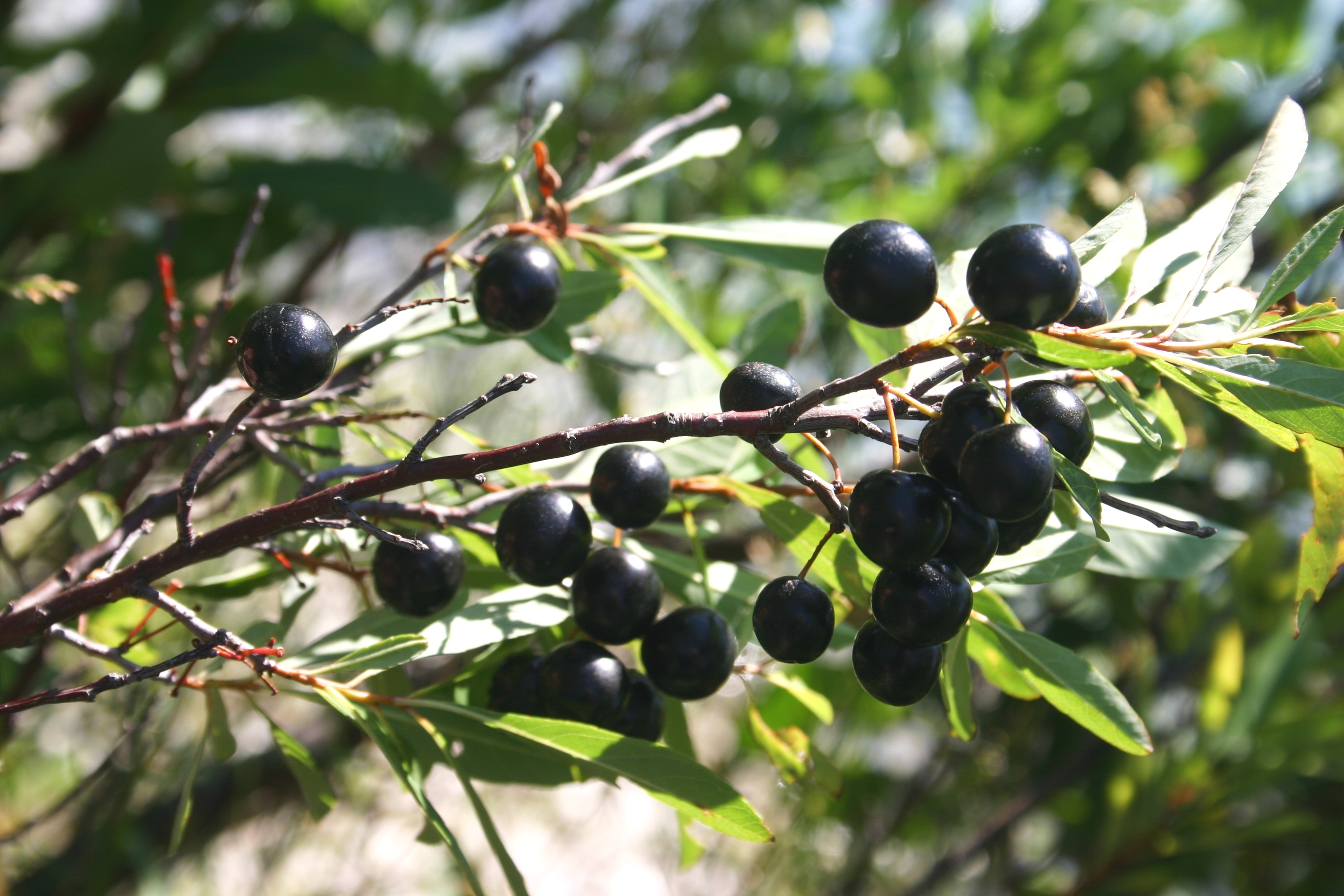
Windstorm May of 2025. This tree was in a forest where cattle roamed many years ago. They likely used it as a rub which in turn started the decay 75 pllus years ago. The tree did grow callus around it but it couldn’t close the gap. It was the tallest tree in our forest when it came down.

Enjoy. Kenneth Asmus
Posted in Diversity Found, Ecology-Biodiversity-Integration, Miracles of Nature | Tagged , , , | Comments Off on Enhancing the Natural Structures of Trees

Natural Phenomena and Wonders at My Farm

Red kiwi on the move. Beauty in motion.
Jujube in my polyhouse without water for two years. Did better than the twenty five year old plants which are still 6 inches tall out in my field somewhere.
A beetle lives in the box elder tree. The excretion from the beetle causes red stains in the wood.
Conglomerate. Pudding. How?
Two decades later lily from seed found in a ditch along the road. Seed grown. Northern Michigan. Patience has its rewards.
Red trillium. Durability is the key and this is the only species that continues its trek around my farm unlocking the doors of cultivation.
The weight of the seed. The Chinese red birch bowed to the ground upon which it emerged.
I can heal if you give me time. American hybrid chestnut. Callus.
Blue Spotted Salamander. This expression and its larger diploid form is found here at my farm. They lived in my greenhouses for many years. Discovered while taking down my last greenhouse, I gently moved him under the walnut and pawpaws 10 feet away.
Largest pawpaw cluster discovered so far at the very top of the tree.

Enjoy. Kenneth Asmus
Posted in Diversity Found, Ecology-Biodiversity-Integration | Tagged , , , | Comments Off on Natural Phenomena and Wonders at My Farm

Things of Unique Beauty and Other Rare Phenomena

Via Wildlife Camera

Animal movement at light speed and a mystery who travels that fast. I’m guessing an owl.
Firefly ball. First time catching an aggregate of fireflies forming in unison. To the left center of the image.
Amur honeysuckle browse. High protein feed for deer.
Beam me up Scotty moment. Unknown lights.
Different sizes of fawns.
Snowstorm
Two legs are enough to capture the fruit of the American Cranberrybush .
Lightning mid-day storm enlivening the electrons in the area. Groundhog mound in front.
Morning Sunrise. Bless the deer that inhabit my farm.
I have a story to share. Listen closely.

Enjoy. Kenneth Asmus
Posted in Diversity Found, Ecology-Biodiversity-Integration, Miracles of Nature | Tagged , | Comments Off on Things of Unique Beauty and Other Rare Phenomena