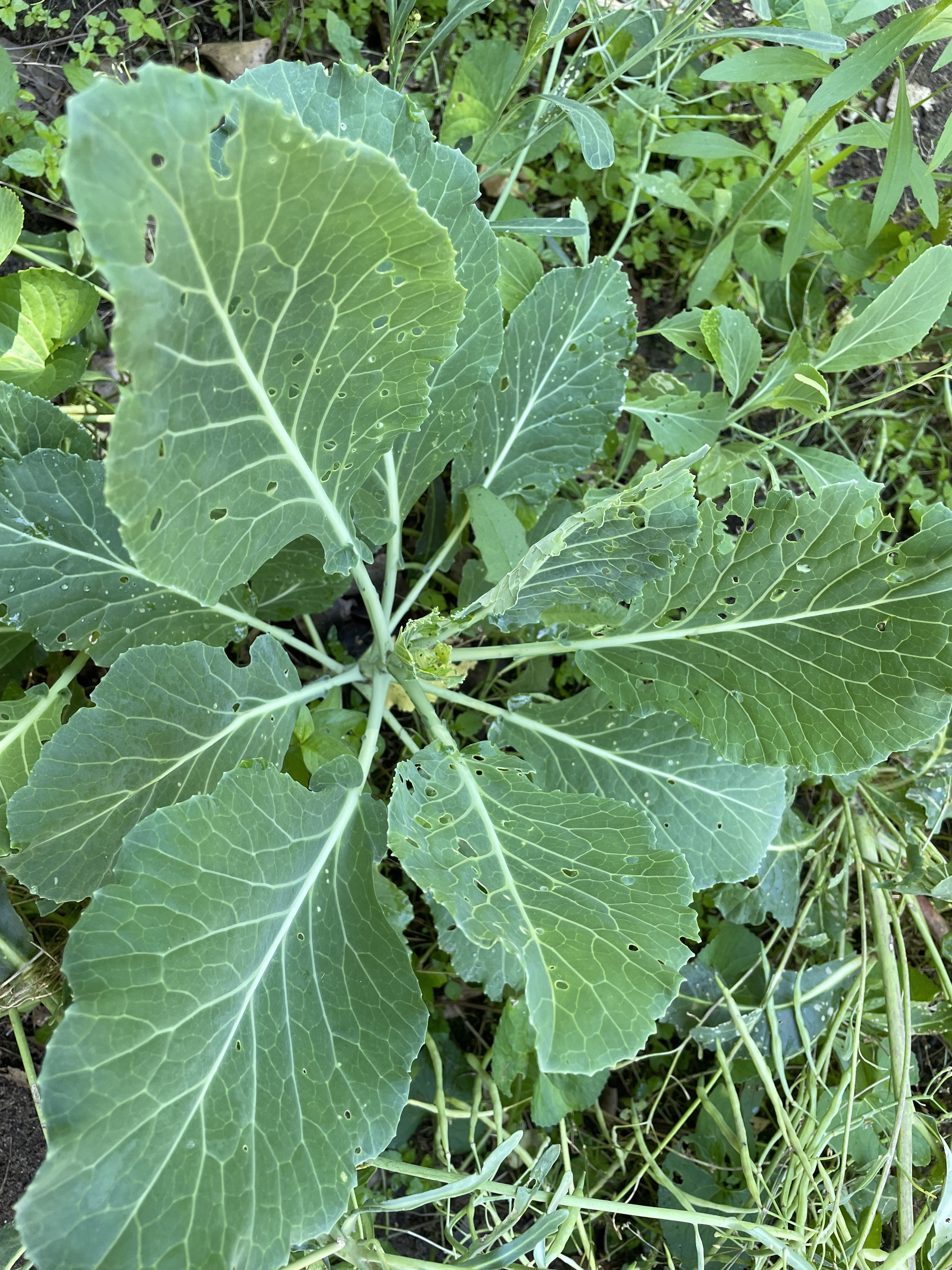
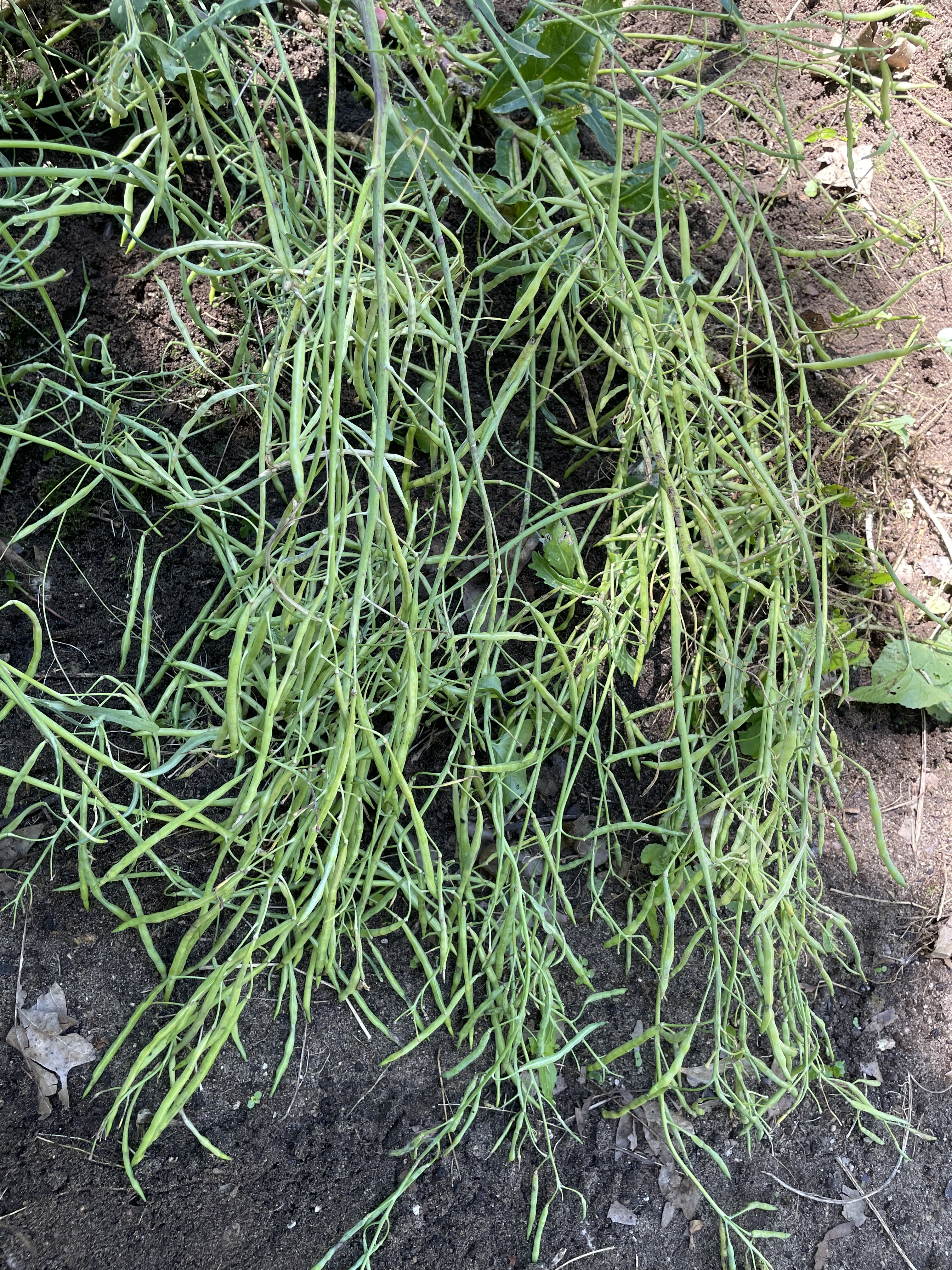
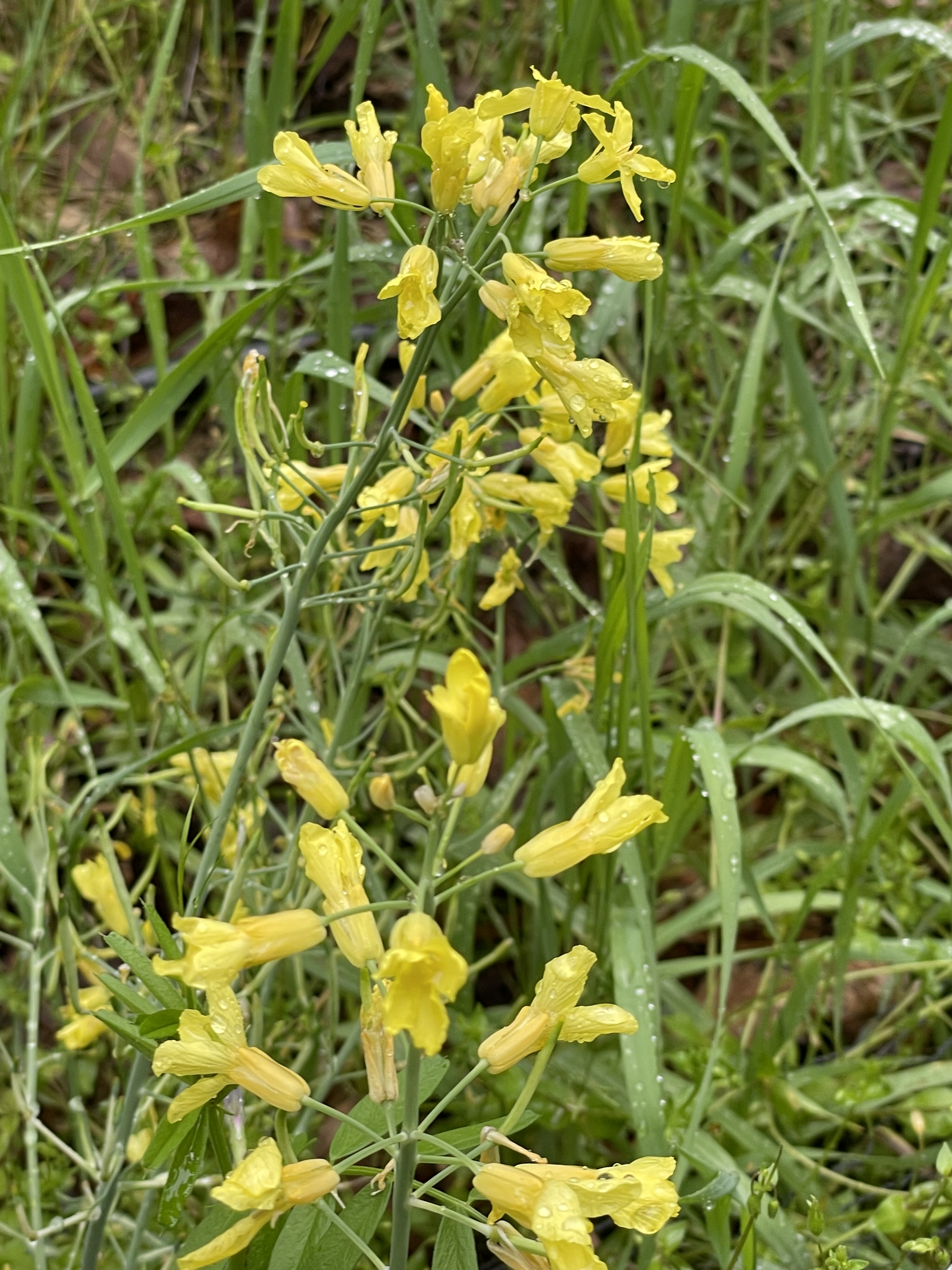
It’s a common experience with gardeners to discover sprouts on old broccoli or cabbage stalks from the year before. Even the Brussels sprouts will kick out a new stem in the second year. This is because by and large Brassicas are bienniel in nature. Yet within this wonderful genus of mustard plants comes a certain perennial aspect of it, selected over time by humans. This is the case for tree collards. Being in a mild climate helps too. In Michigan, this is not an option and the minus 20F is a great equalizer. This idea of creating a perennial food and seed plant is a good idea but only if it resists insects, disease and climatic issues that are ever present. Otherwise all you are doing is creating another broccoli. Who cares? This is not breeding and has little to do with science. Its a feeling. It is like listening to Miles Davis and wondering why is that so good compared to your average trumpet player. Its a whopper of a difference because you are creating a whole new crop plant from the bottom up.

You Are The Human Being Grazing Machine: Salad Anyone?
I can see these selections being used in unheated polyhouses with extensive root systems established as a sort of perennial greens production system. You basically would act like a human being lawn mower and harvest the foliage on a regular basis. The plants would flourish for decades gaining in strength over time. The harvest window would expand in the polyhouses. I am guessing summer would be an off time a little bit because of the heat. But spring and fall going into winter would be very strong in production. For now this is a great permaculture plant and much preferrable than the wild sea kale which is very strong in flavor. It was weak growing at my farm and very bitter in flavor. It died rapidly. The same with other so called hardy strains of kale and collards. I can imagine people will come up with other varieties soon. For now there really isn’t a reason to change a whole system of salad production based on something being perennial. Ironically if you Google Brassica, you will see the whitetail deer food plot companies promoting many types of Brassica for feeding deer. Meanwhile, I am excited about my three plants with seeds on it this year. It’s a different thang.

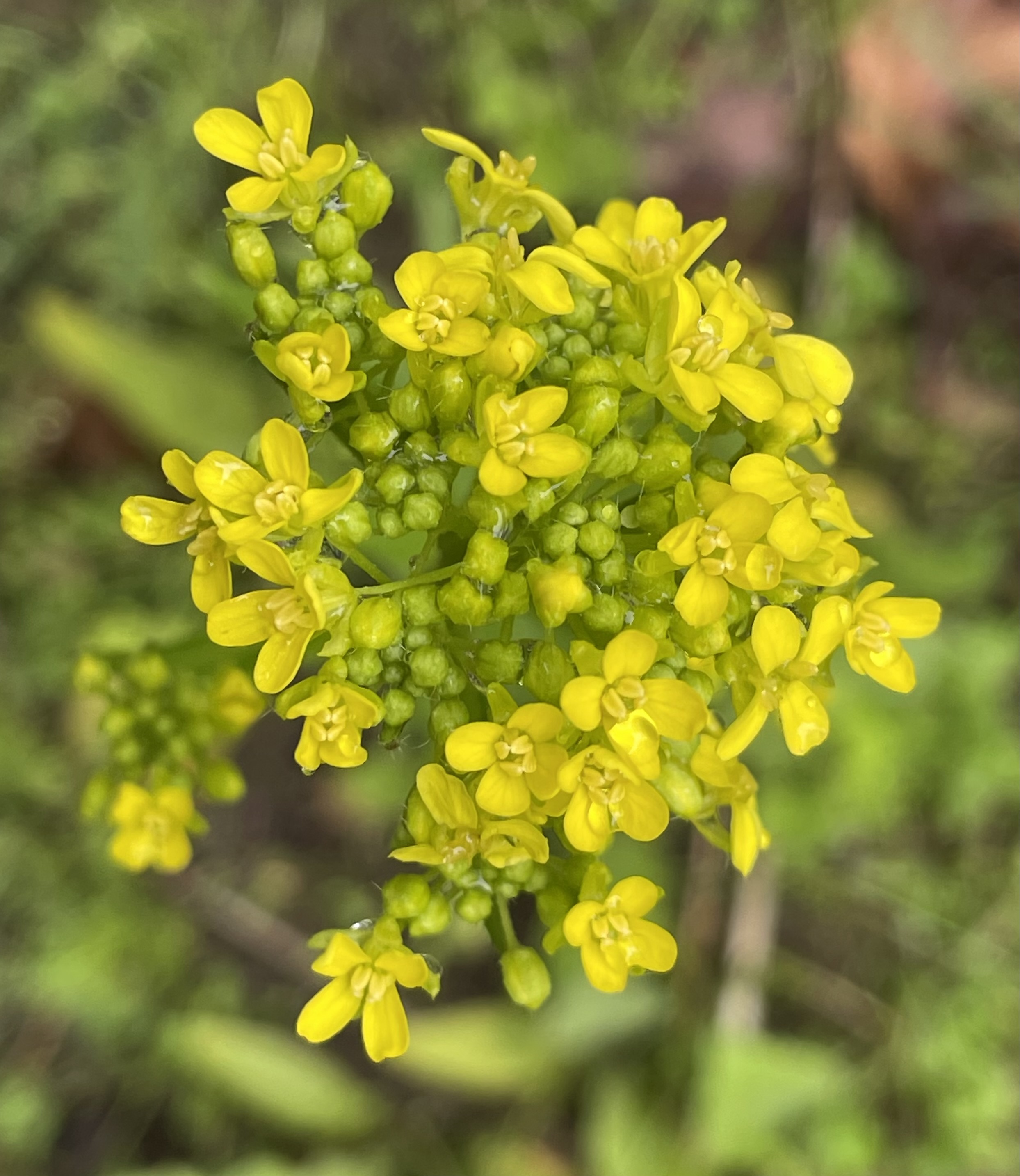
The Turkish Rocket is Not a Brassica or a Rocket But Could Be From Turkey

The turkish rocket is an unknown plant and rarely cultivated for its shoots or leaves. The seed production is quite low. A few seed companies do offer it as a permaculture dream. Frankly, they are right. Super perennial into zone three and expands slowly outward from easily dividable roots should you need more broccoli.
Why would you grow this instead of broccoli? Flavor! The tiny small one inch heads are delicious and easily used in the spring. Hardy into zone 3 this species has no cabbage butterfly larvae and completely bug free. What is the down side? Well, it is not super productive per plant compared to broccoli but then again its not broccoli. There is some natural variation in this plant including seedlessness and compact head production. But it is not off the charts impossible to propagate from seeds too. I noticed recently there was a company selling it on Instagram.
I made one selection from the Turkish rocket called: Seedless. Not fancy but calms everyone down in the invasive plant pseudosciences. It produces zero seeds. I can see where this plant could be harvested in bulk as a form of wild greens. Someone should do an anlaysis of its food value. I am guessing it might out do broccoli in some areas. It should be promoted as a healthy food and distributed widely as a wild food plant. It has all the hallmarks of health as a deep rooted perennial and could be grown in areas where heat and cold would wipe out broccoli. I see possibilities. What do you see? Is it a weed? I see that too and what a great benefit we have at our doorstep with the ever expanding universe of Brassica and Bunia.
Enjoy. Kenneth Asmus


 biologicalenrichment
You must be logged in to post a comment.