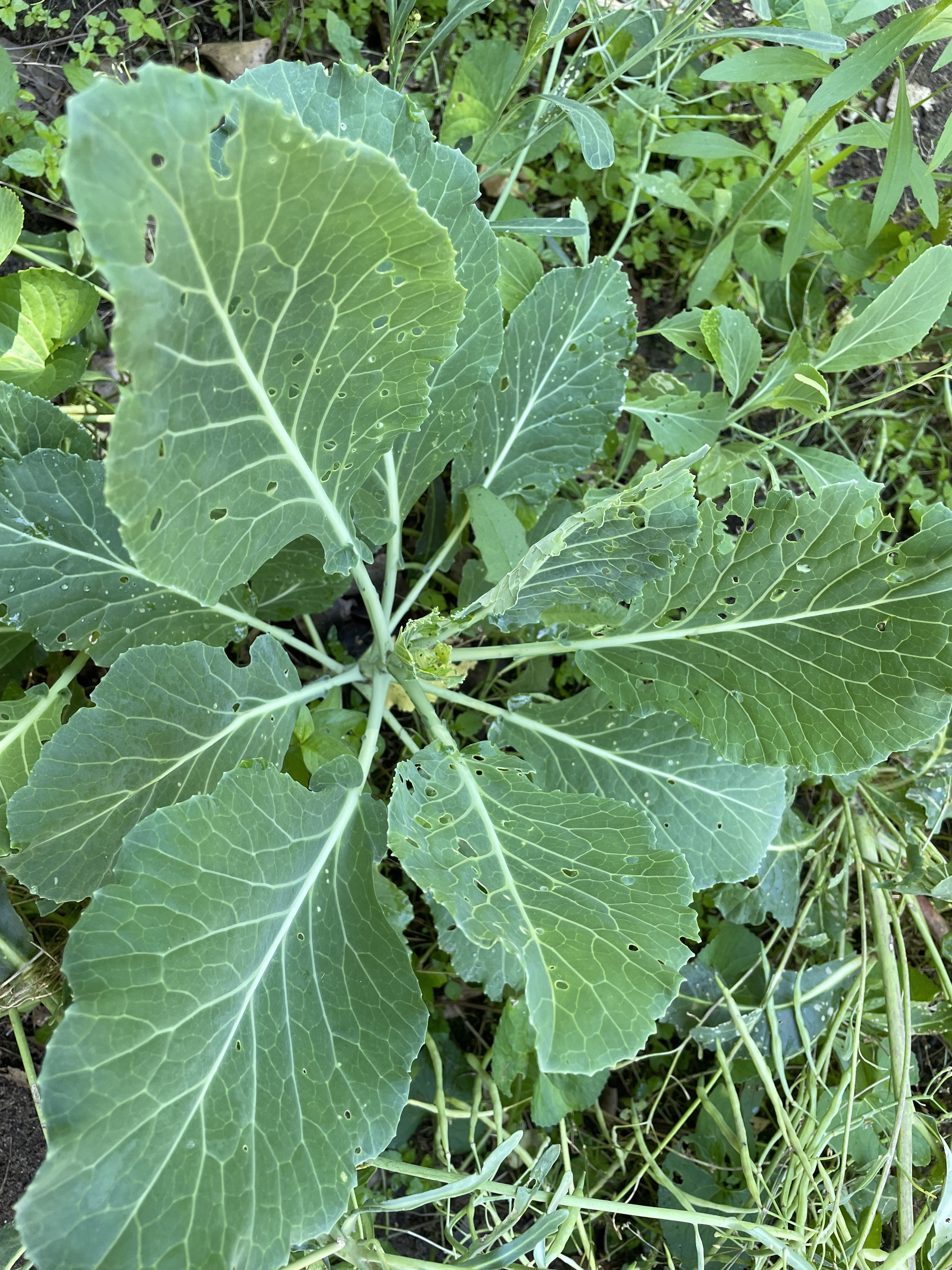
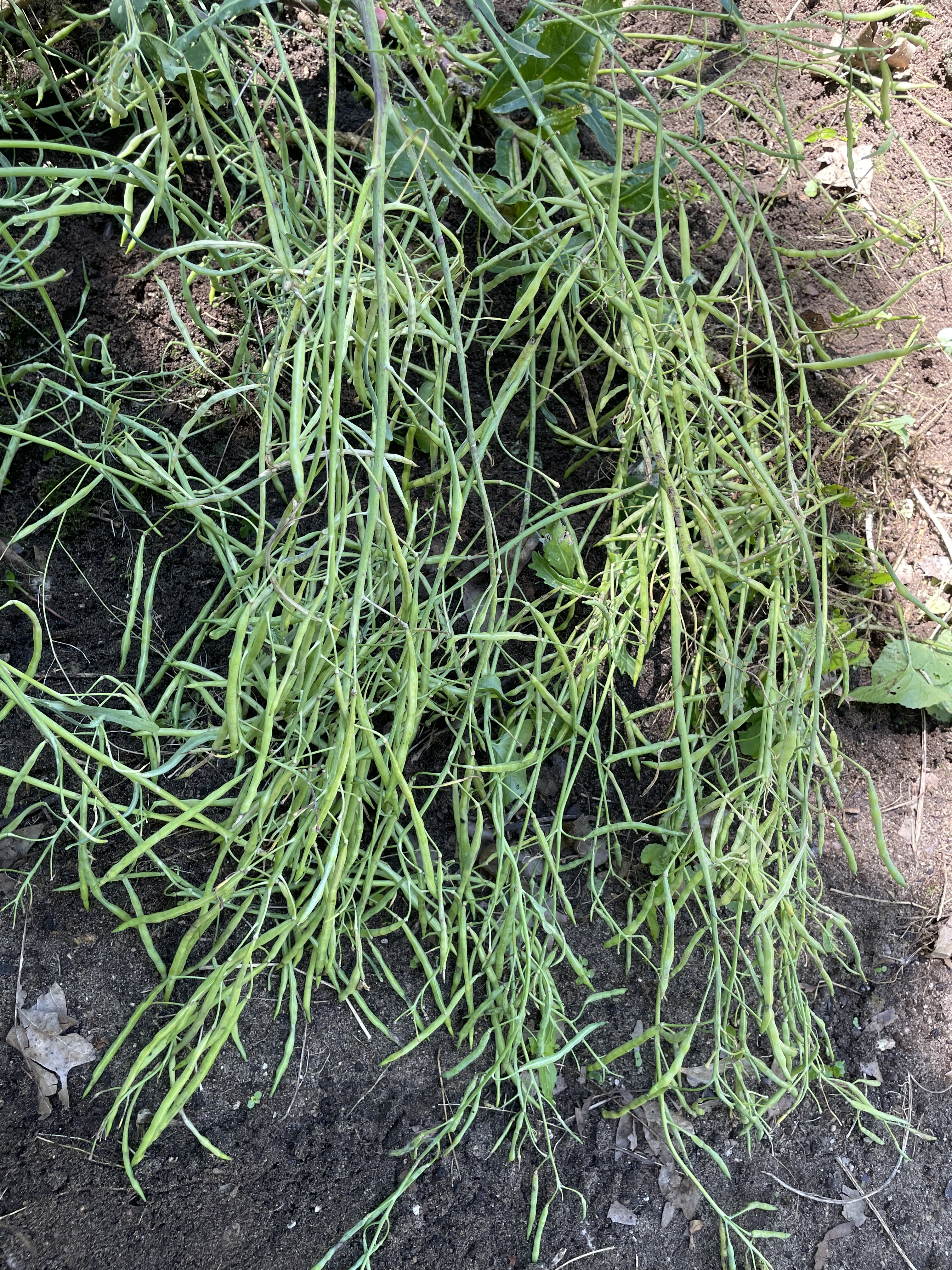
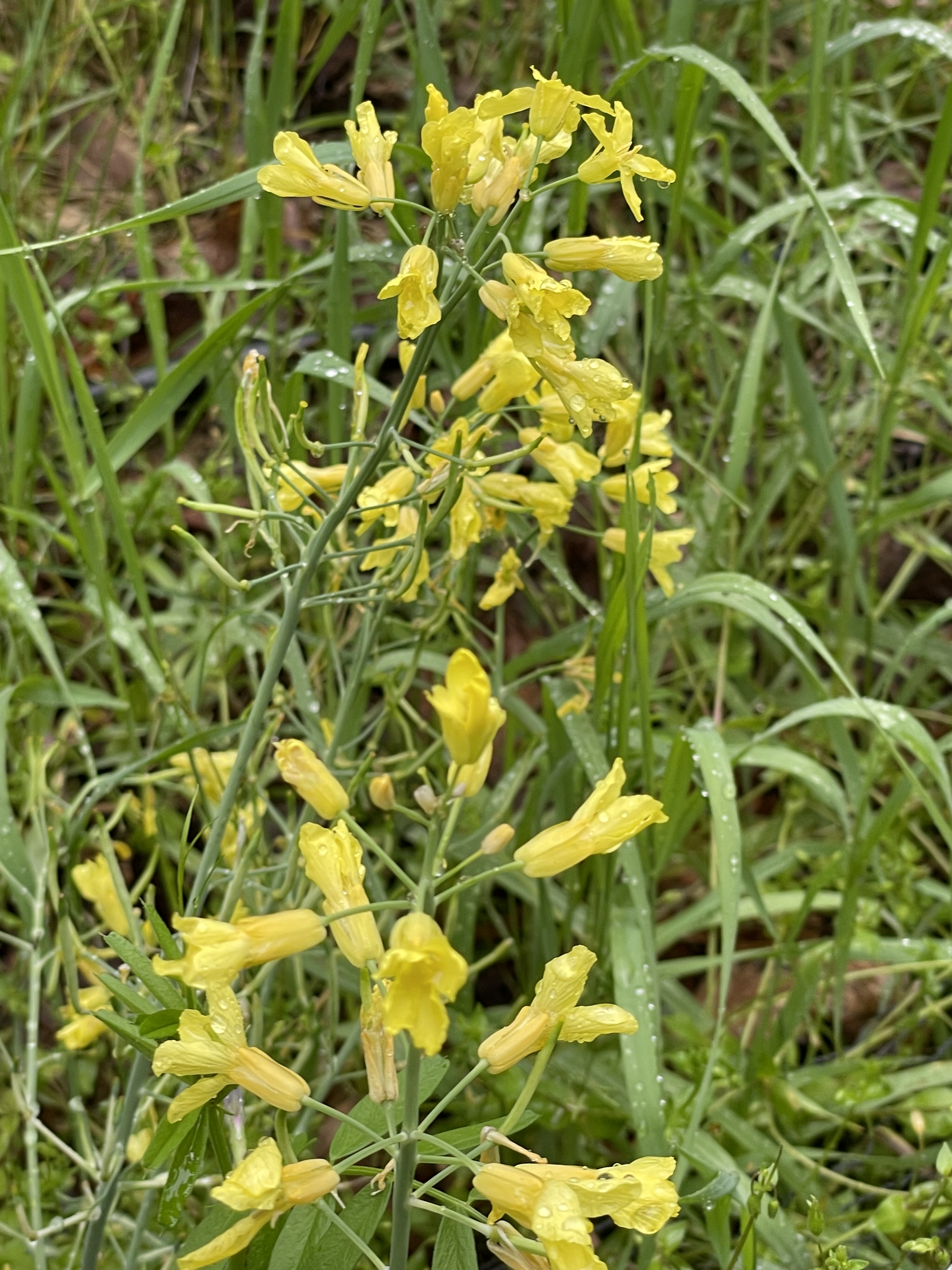
It’s a common experience with gardeners to discover sprouts on year old broccoli or cabbage stalks from the year before. Even the Brussel sprouts will kick out a new stem in the second year. This is because by and large Brassicas are bienniel in nature. Yet within this wonderful genus of mustard plants comes a certain perennial aspect of it, selected over time by humans. This is the case for tree collards. Being in a mild climate helps in this process. In Michigan, the minus 20F is a great equalizer and the perennial ideal fades with time. This idea of creating a perennial brassicaneither by cloning or seed is a good idea but only if it resists insects, disease and climatic issues. This is not breeding as you would normal vegetable plants. It is more like finding seedling selections of walnuts and oaks. It is a subjective experience similar to creating music. It is like listening to Miles Davis. I use to play coronet. I never sounded like that. Why is that so good compared to your average trumpet player? You are following instinct and letting nature take control. You’re still involved but following the population along to attain an all perennial Brassica. The individual selection is abandoned while following the population. It’s anti-breeding.

You Are The Human Being Grazing Machine
Successful hardy selections could be used in unheated polyhouses because of their extensive root systems and long life. You basically would act like a human being lawn mower and harvest the foliage on a regular basis over a six month period. The plants would flourish for decades gaining in strength over time. From there you could let them seed and create even longer lived selections. The harvest window would expand in the polyhouses as time went on. Sea kale was attempted at my farm for a while however it was too weak growing and the flavor was bitter. In this case, the species level plant which is the origin plant for many brassicas was not adapted to Michigan and rarely made it past two years outside in our planting beds.
Turkish Rocket: Perennial Broccoli Not in the Brassica Family

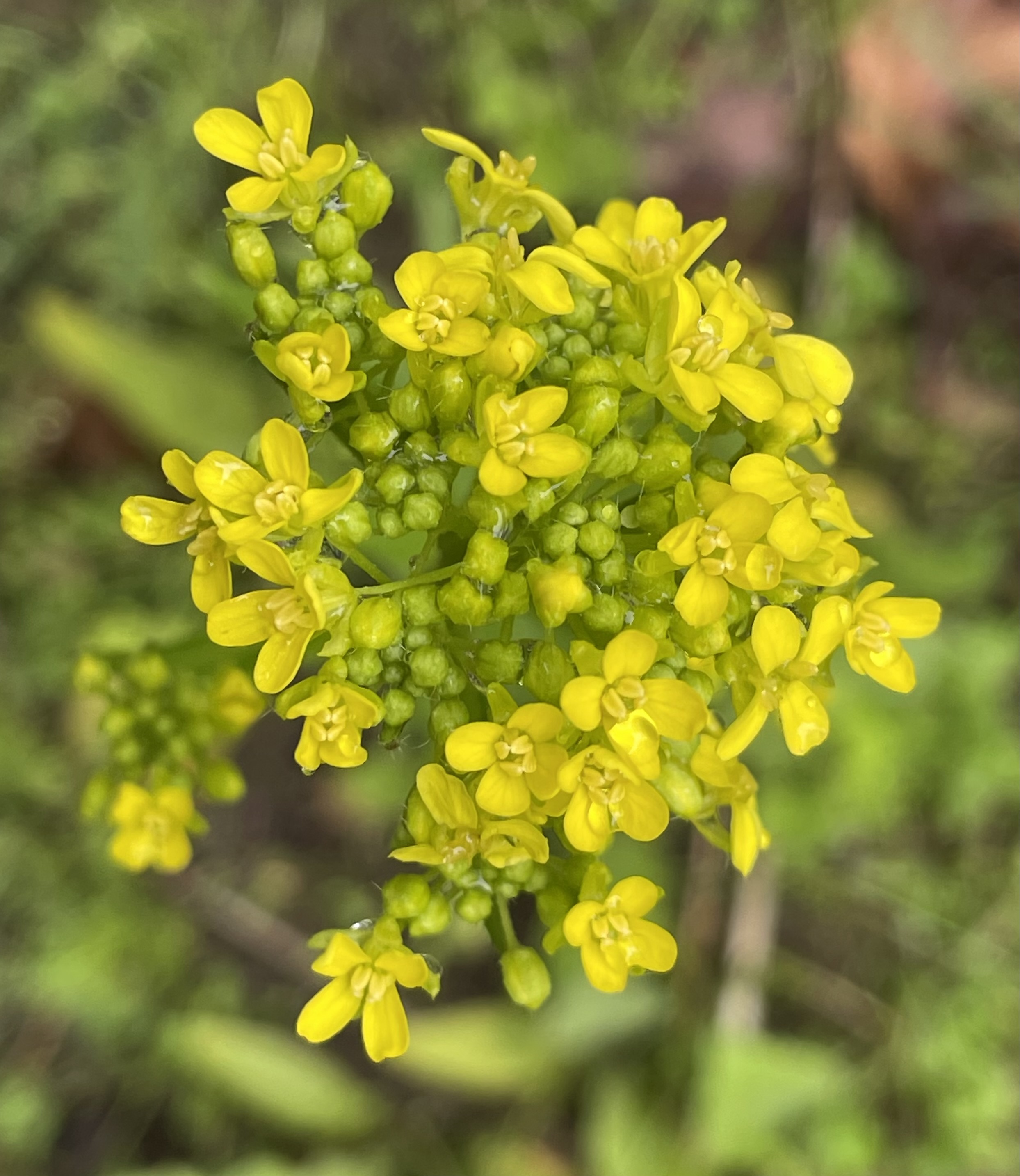
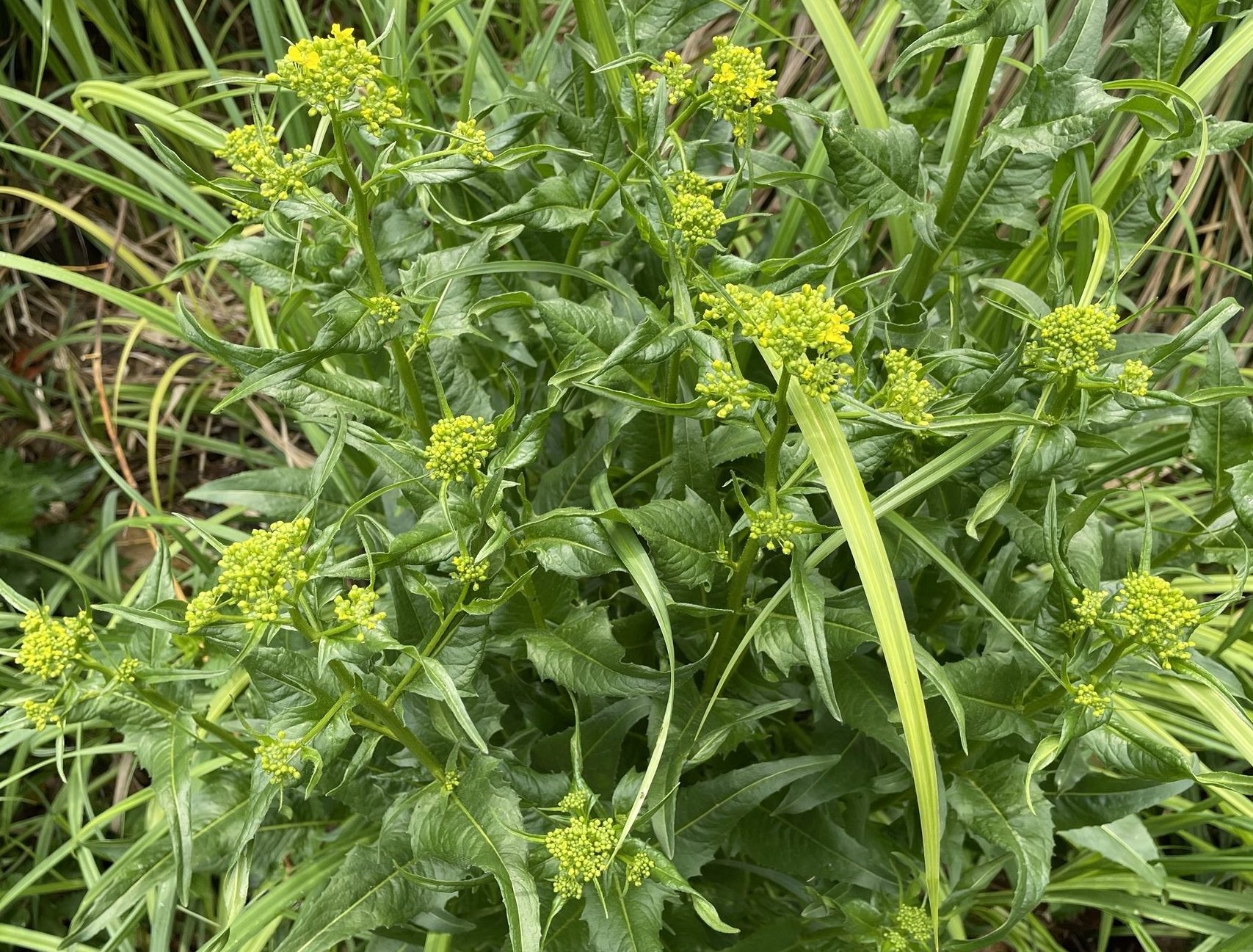
The turkish rocket is an unknown plant and rarely cultivated for its shoots or leaves. The seed production is low. A few seed companies do offer it as a permaculture dream. It is a good adjunct perennial green plant easy to cultivate into zone 3. It is not weedy and rarely self seeds. For it to self seed, it needs disturbed soils to reproduce free of grassy competition.
Why would you grow this instead of broccoli? Flavor! The tiny small one inch heads are delicious and easily used in the spring. Hardy into zone 3 this species has no cabbage butterfly larvae and completely bug free. What is the down side? It is not super productive. There is some natural variation in this plant including seedlessness and compact head production. This alone would allow anyone to make selections and find ways to grow it in larger amounts profitably.
I made one selection from the Turkish rocket called: Seedless. It produces zero seeds. I can see where this plant could be harvested in bulk as a form of wild greens. It has all the hallmarks of healthy brassica as a deep rooted perennial and could be grown in areas where heat and cold would wipe out broccoli.
To seed or not to seed. Seed is always the answer.
Enjoy. Kenneth Asmus


You must be logged in to post a comment.