


Enjoy. Kenneth Asmus


Enjoy. Kenneth Asmus


On my way to classes in my first year in college I would always pass by the student union. Out in front overlooking the president’s home on a sloped hill covered in thick grass with sycamore trees was a small wooden box turned upside down. Every now and then someone would be standing on the box talking to the crowd about a certain cause, a religious point of view or some political ideals. When no one was there I could always judge the amount of people that listened to the orators by the amount of crushed lawn around the box. If it was a good one and attracted a lot of attention, then there was a lot of smushed grass. I always felt nervous to attend these impromtu sessions, however one of my ‘agri-buddy’ friends loved them because of the drama that would sometimes happen. Once he told me a conflict ensued where the speaker and participant had esculated their conversation into a shouting match. The crowd grew larger as it went on. One spit into the others face. As the discourse continued they soon realized that they both were having similar problems despite their obvious differences in philosophy. One was dominating the conversation and could not listen. The other could not speak clearly and was angry. Eventually they hugged and kissed each other on the cheek and went their separate ways leaving a large area of smushed grass for me to wonder what happened. I remember asking my friend, “What happened?” “They kissed Ken. They kissed and went home. It was spectacular.” My friend and I shared many stories in our agricultural classes that we took together. Later in life we pruned apple trees together. We meditated together. We laughed a lot. Not everything we knew at that time had a resolution either scientific or otherwise. But the memory like the smushed grass remains.


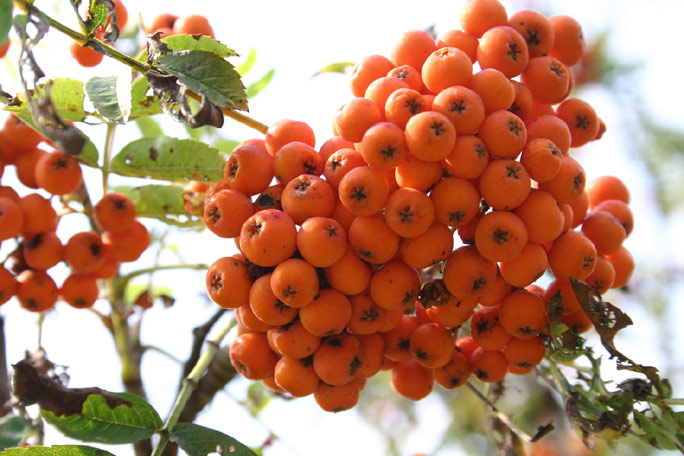
When the vegetation management power line people came to my house a few years ago, I asked if people freak out when they show up. The foreman said that once a person decided to stop the carnage by throwing himself on top of one of the drum mulchers with the whirling knives that grind everything into oblivion. The way he described it made it sound like he ran straight out of his front door and dove on the deck area face first. The operator stopped it just in time. You might have the thought like I did about what would prompt such an action? Is he passionate or crazy? Does he love his plants to the point he would risk being turned into a high nitrogen fertilizer? People do love plants and become attached to them. I have witnessed this and experienced it first hand. It brings health and salvation to those who are believers or not. It is the opposite of drum mulcher diving. Over time this same love runs deep via generations of people in many cultures. It is shared cross culturally the same way technology is today. It is this same love that brings selections of plants to the table. Such is the case for the mountain ash. It is one of the most cherished plants used for both food and medicine for thousands of years. Yet where are the mountain ash orchards? There are none in North America. Here is some experiences I have had with growing this wonderful fruit and the benefits we could discover in the process.
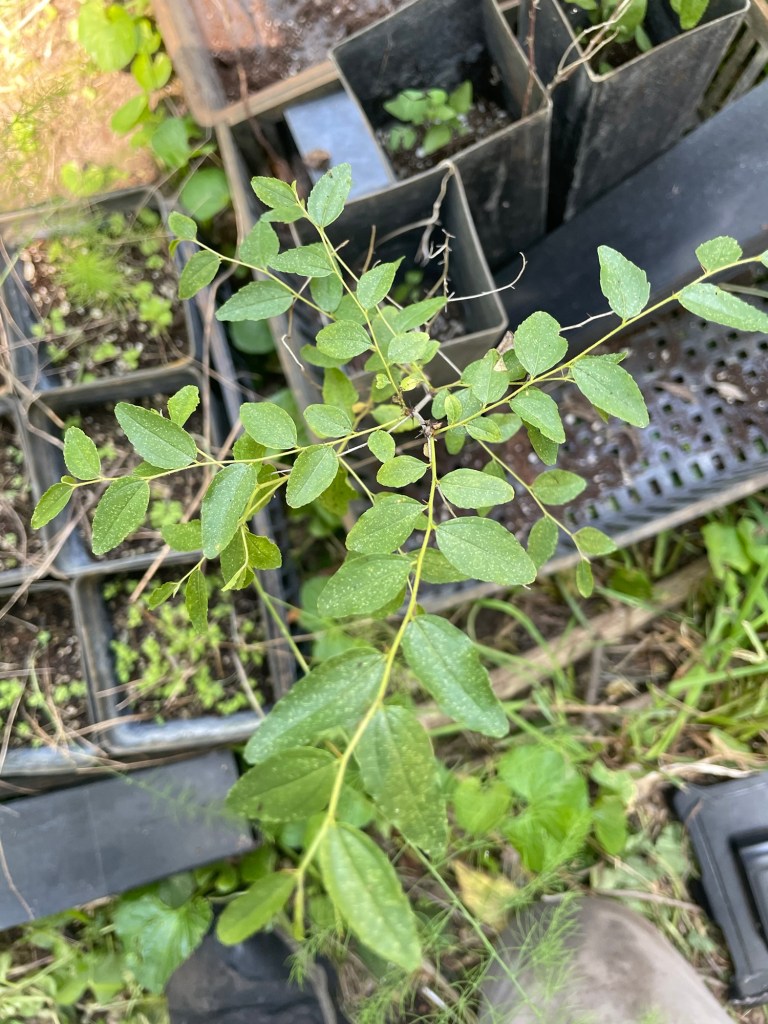
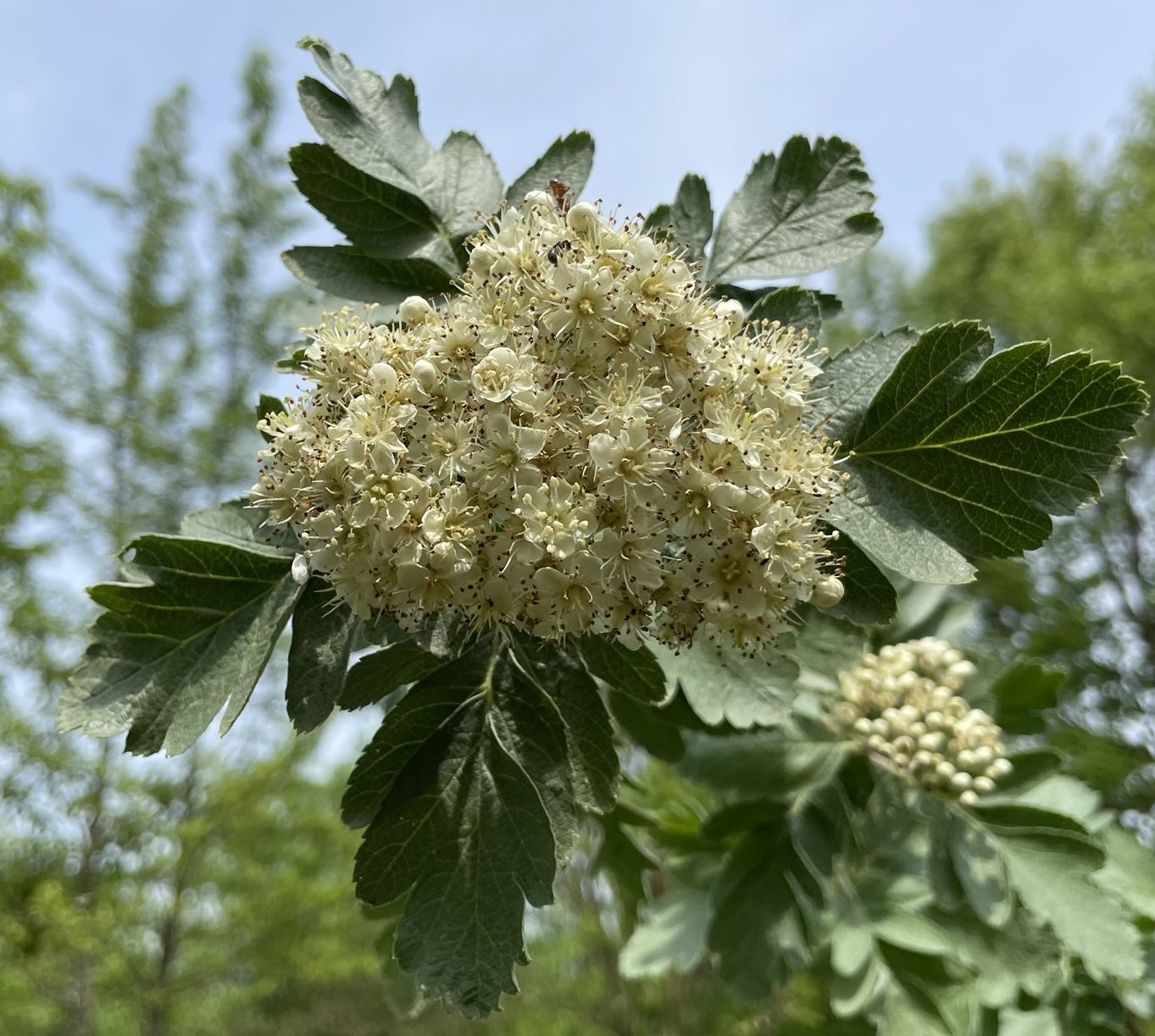
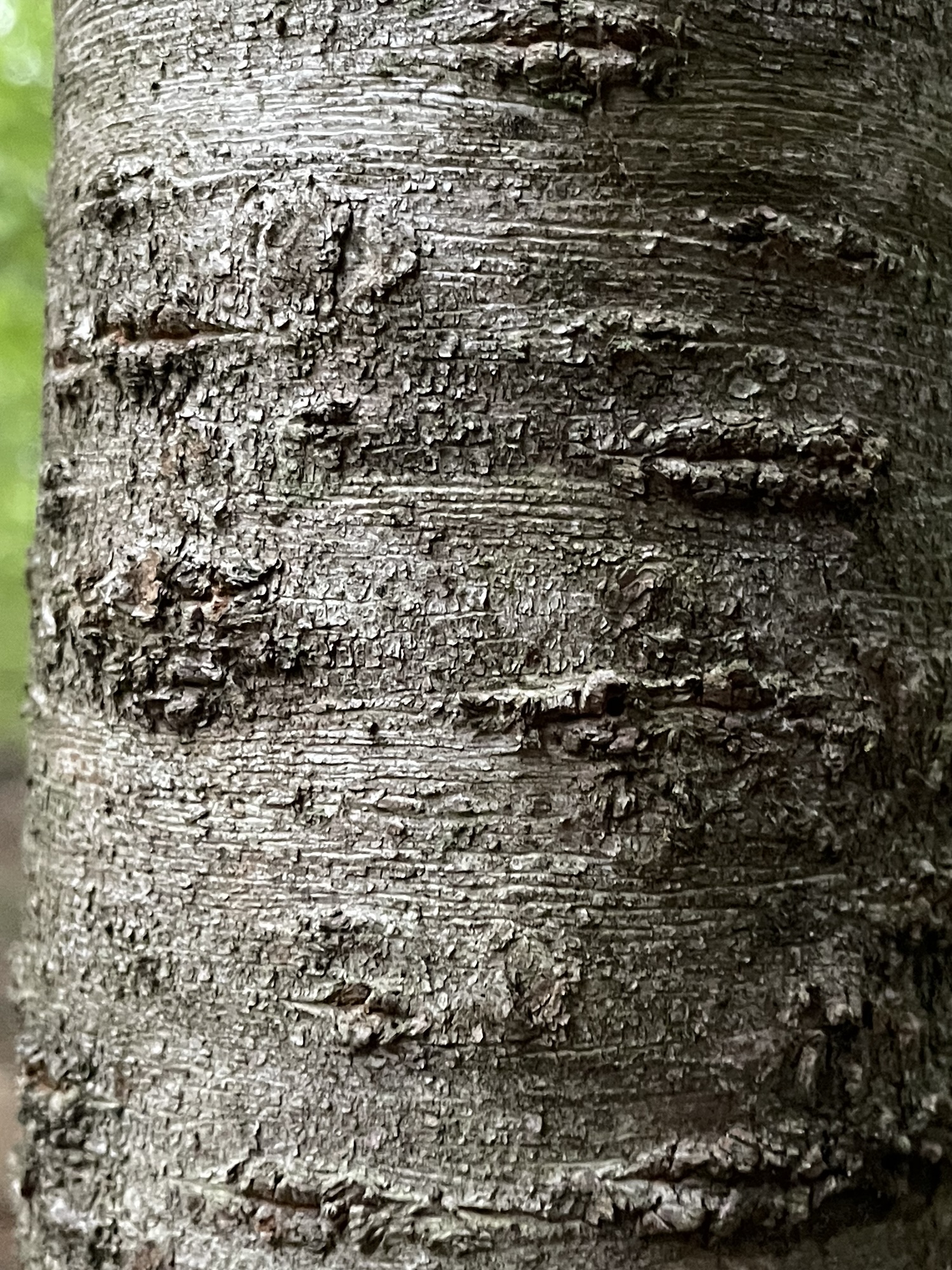
Every now and then I would collect seeds from a local arboretum. This arboretum was a field with trees randomly plunked in. When someone would pass away, a tree was planted there as a memorial. One of these trees was the Whitebeam Mountain Ash, Sorbus aria variety “Majestica”. Like all mountain ash trees in the nursery trade, they are planted for their flowers and berries. The great difference of this species was that it was in great foliage health. The leaves were bright green all through the summer. There was no borers or splits in the trunk and no dead limbs. There were no signs of fireblight or tip dieback with black spot on the leaves. I began collecting immediately and tasted a few of the berries. It reminded me of one of those super tart worm shaped sugary fruits that my grandkids eat. Sourpatch worms or something like that. There was some astrigency in the fruit but little ascorbic acid effect which dries out your tongue quickly. I began to wonder if this fruit plant had ever been cultivated. It turned out that there are many named selections that were created with different fruit qualities. In particular, Russia and Germany have quite a treasure trove of germplasm just for human consumption. It is these same selections that allow people to eat them even in the fresh state without wincing. Most are very high in astringency and are process in sugar in some way to make it possible to consume either as candy, syrup or jelly.
Over time I grew many other species on my small nursery island. At one point, I had attempted about a dozen species from several continents. What I ran into was the difficulty of getting them to fruit only to have fireblight reduce them to zero. This quickly eliminated all of them except Whitebeam. For those who have an interest in all things Sorbus, there are natural hybrids between genus. There is a North American genus hybrid with Amelanchier (Serviceberry) found in the western U.S. There is also several types with quince, Aronia, medlar,cotoneaster, hawthorn and pear. It is quite a fluid species able to merge with other genus. Throw out your highschool biology lessons on the immutible species. And yes most of them produce viable seeds too.
This is the benefit of using a variety of species and finding the best under cultivation in an orchard setting which eventually produces delicious fruit to eat.

It was by accident I ended up with a few hundred American Mountain Ash seedlings one spring from a wholesale company. We potted them up and put them in the greenhouse. To my surprise the next year many of them flowered and fruited. The plants were 1 to 2 foot tall and very precocious. There was a cost to the precociousness; death. It was too much of a tax on these small plants. I began looking to see if others cultivate the American Mountain Ash. It generally is considered short lived in cultivation. The European mountain ash is similar and suffers the same fate but it peaks at 10-15 years in my region in southwestern Michigan. This highlights the importance of finding the right species level plant for creating a ripple effect of successful cultivation for fruit. Not everything has to be a cultivar either. You can use the species to create the orchard too.
To read more about the nutritional and health benefits of the Sorbus Genus: National Institute of Health Publication

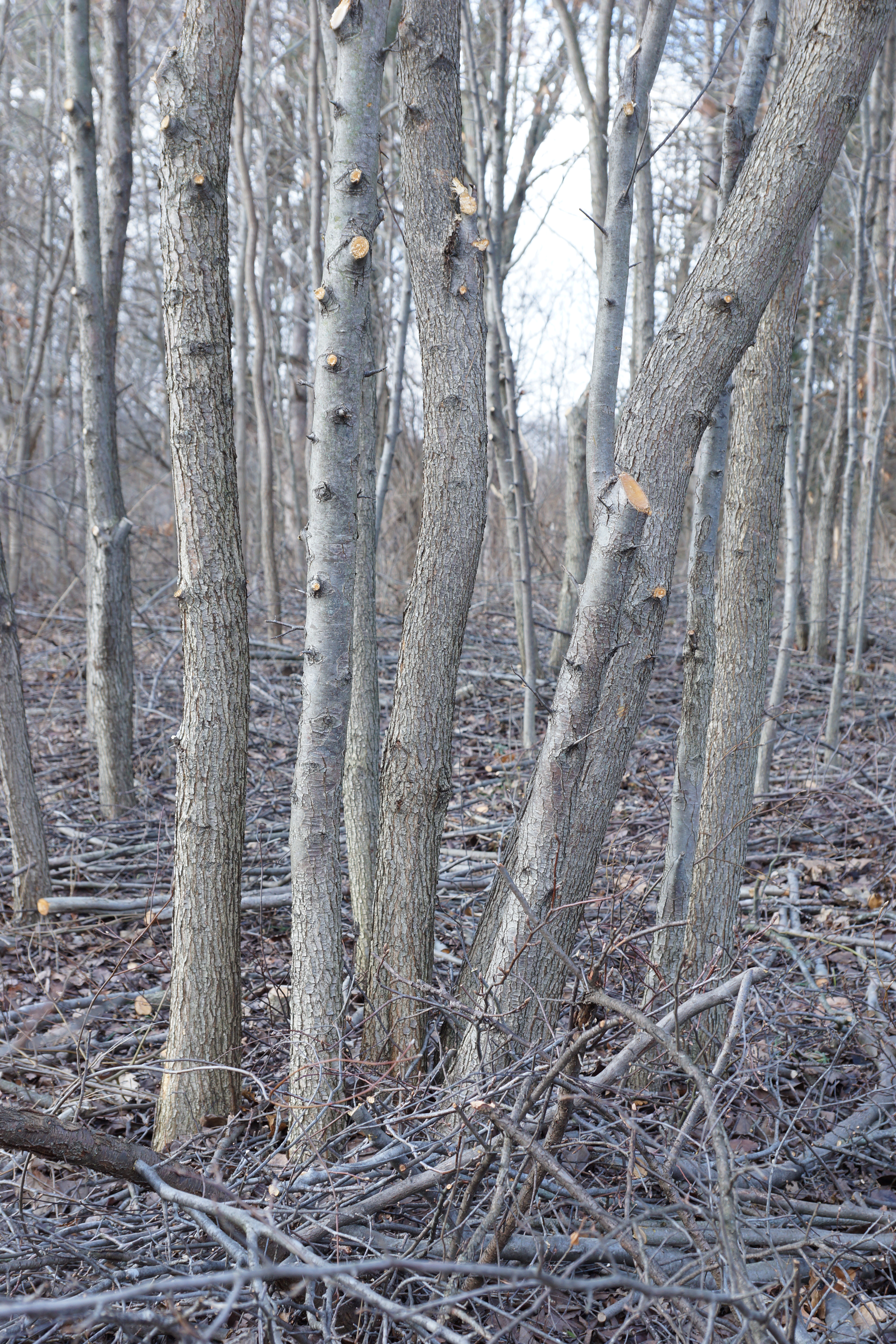
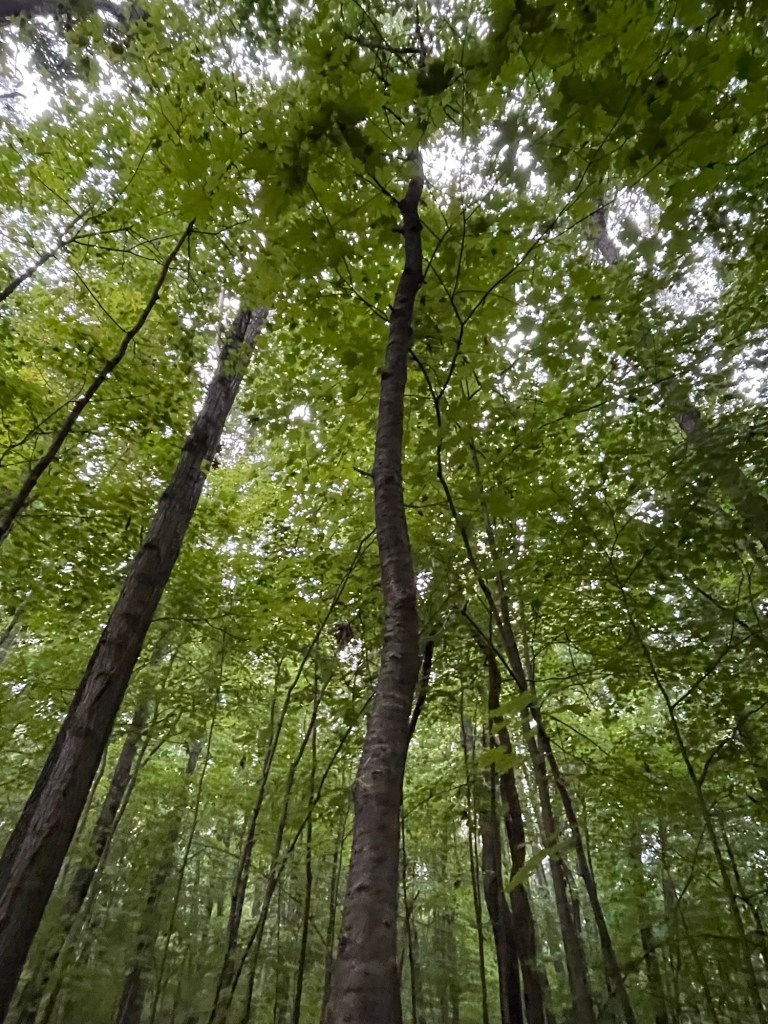
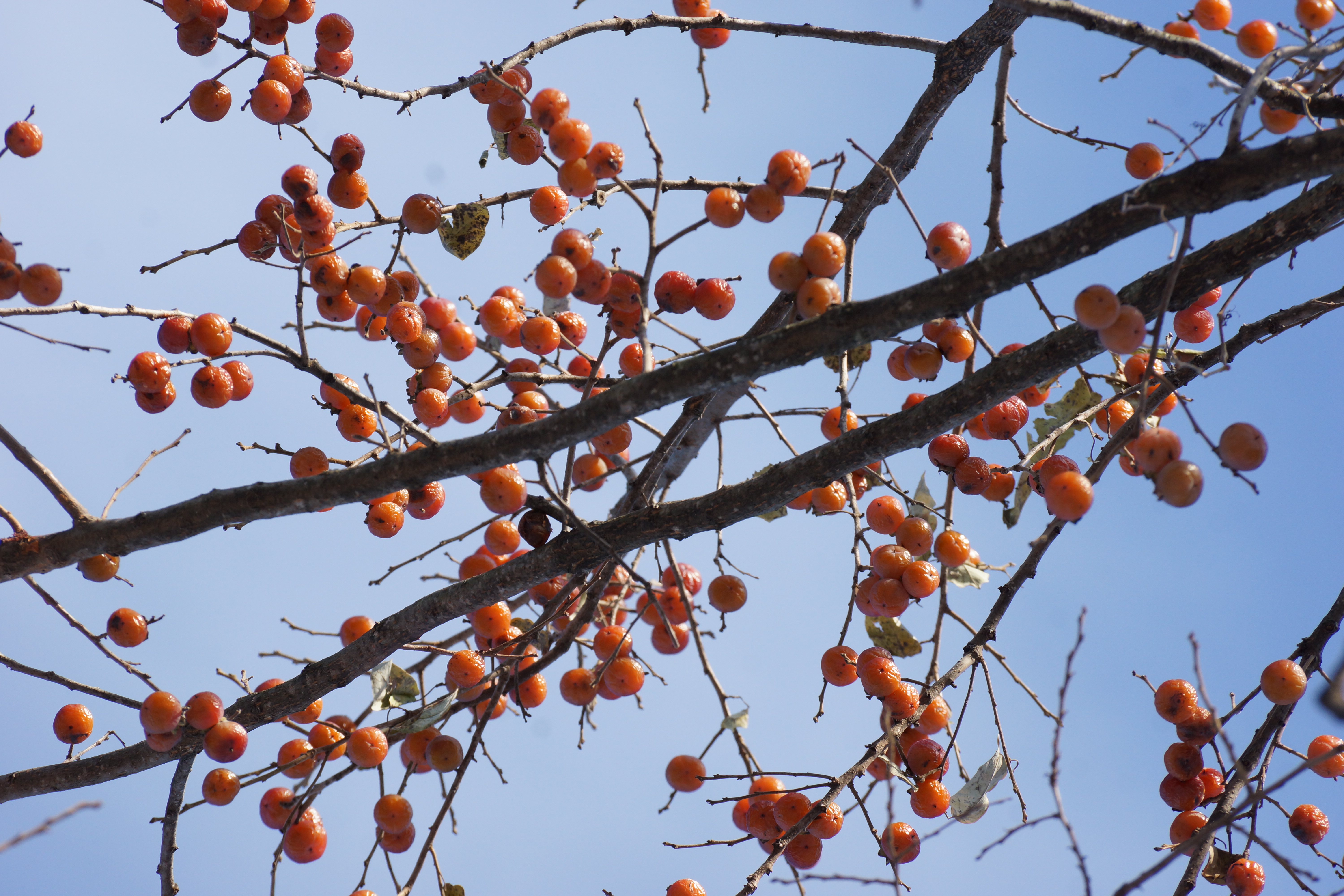
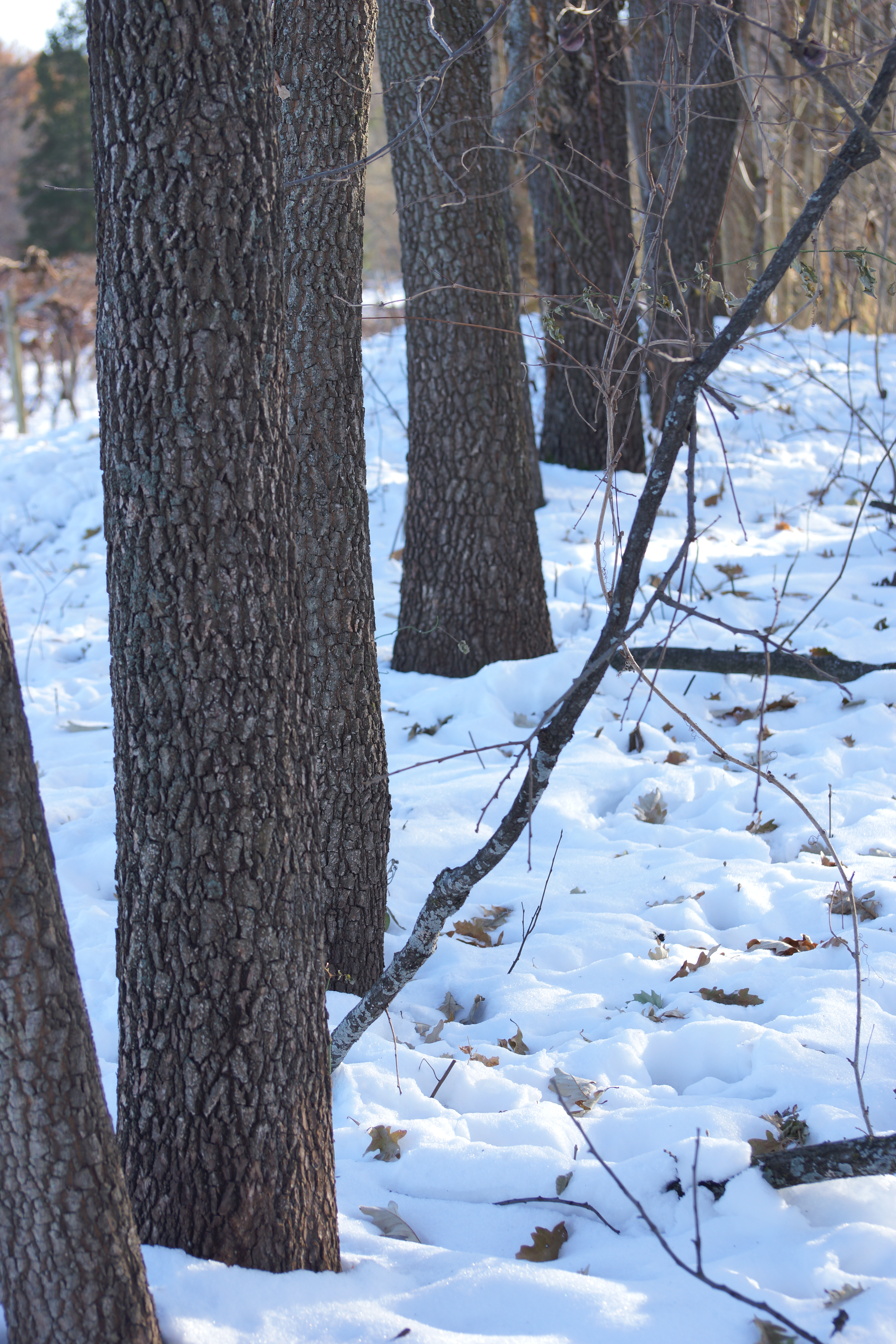
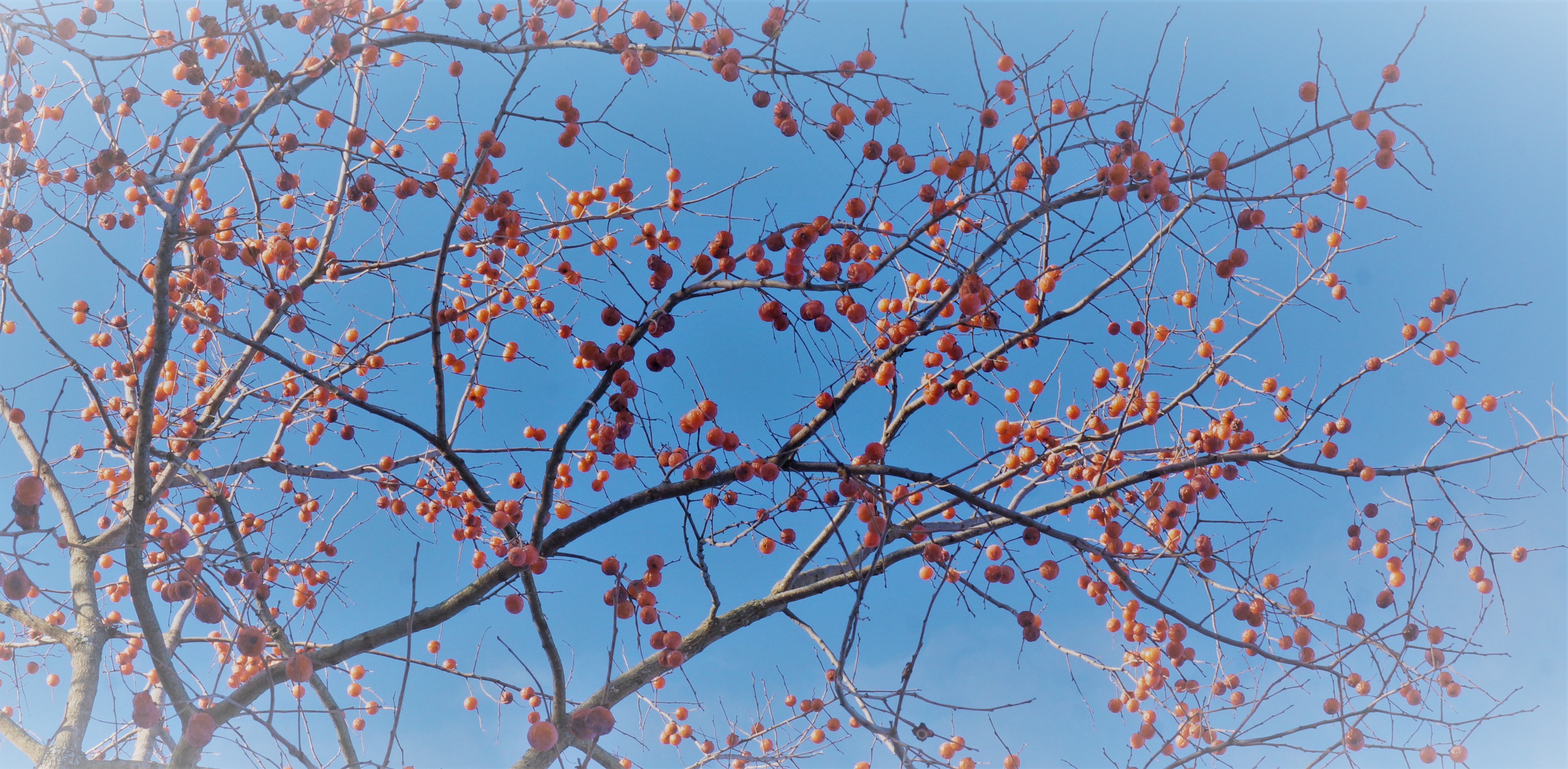
Isn’t the world filled with wonderful plants rich in nutrition? The Rowan tree speaks volumes. A couple of years ago I spotted two mountain ash trees 30 feet tall in my black oak forest. How did they grow in the middle of my oak forest? It’s a sign to remind me. Don’t forget the Sorbus. Vitamin C. Vitamins See.
Enjoy. Kenneth Asmus


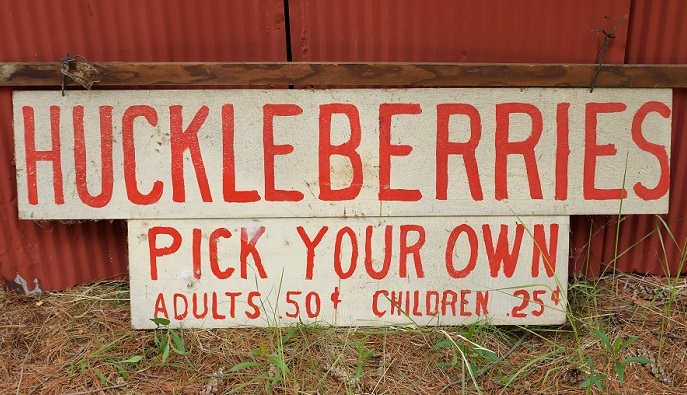
This sign from my families farm in the mid 1960’s highlights an activity at our farm enjoyed by many in our part of Michigan. You would get a bucket and go out in our 140 acre swamp and find wild blueberries. For some reason we called them huckleberries. Keep in mind the cost listed above was for a full day of picking. It was not measured in quarts. This is the same wild fruit that is now part of a giant commercial industry and has spread throughout the world. It turns out that there are many other fruits in the world that people collect in a similar fashion and are known only in a certain region or country. Such is the case for the Mirabelle plum. This story relates to a wild crop that could be grown world wide like the blueberry.
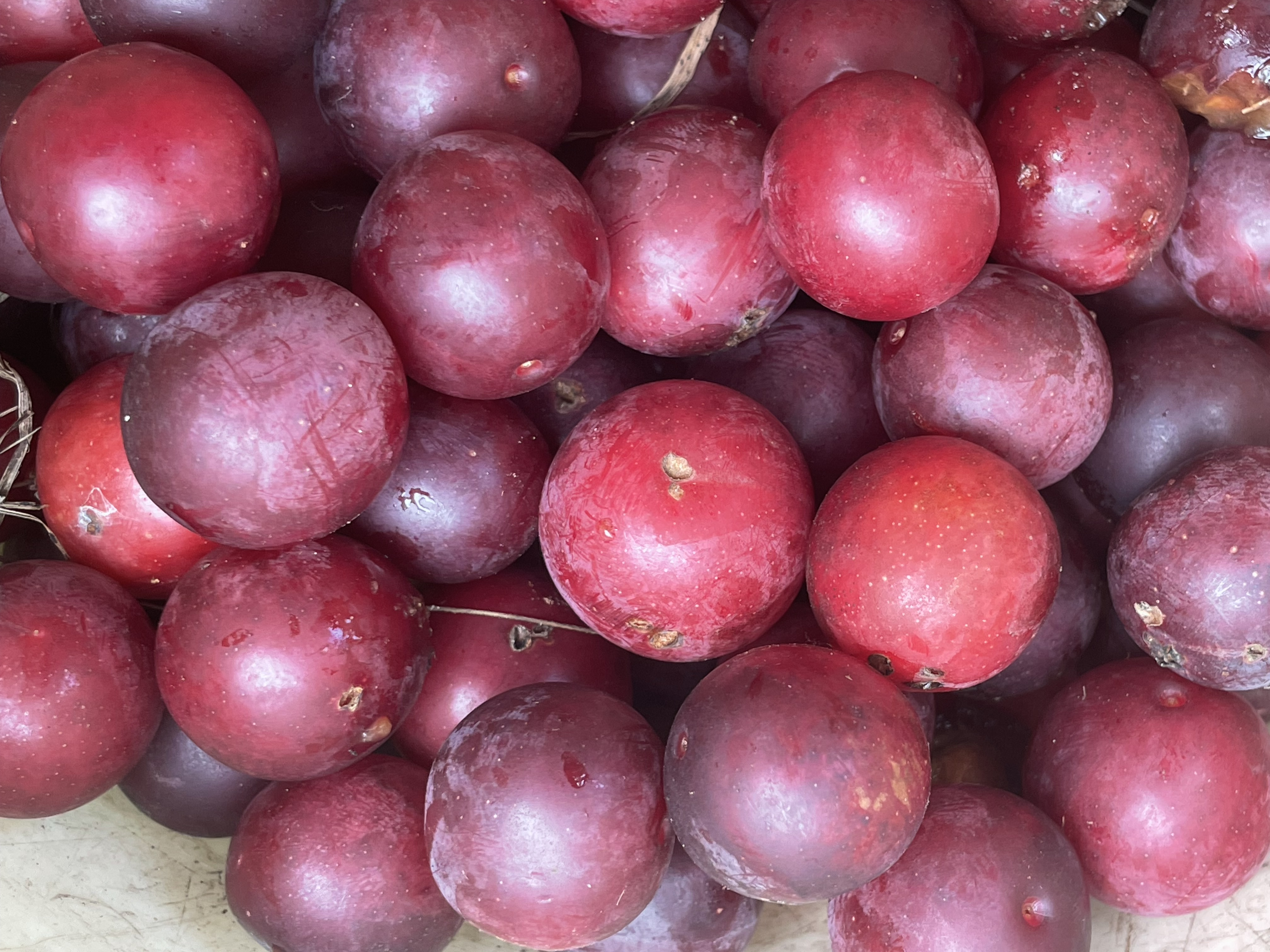
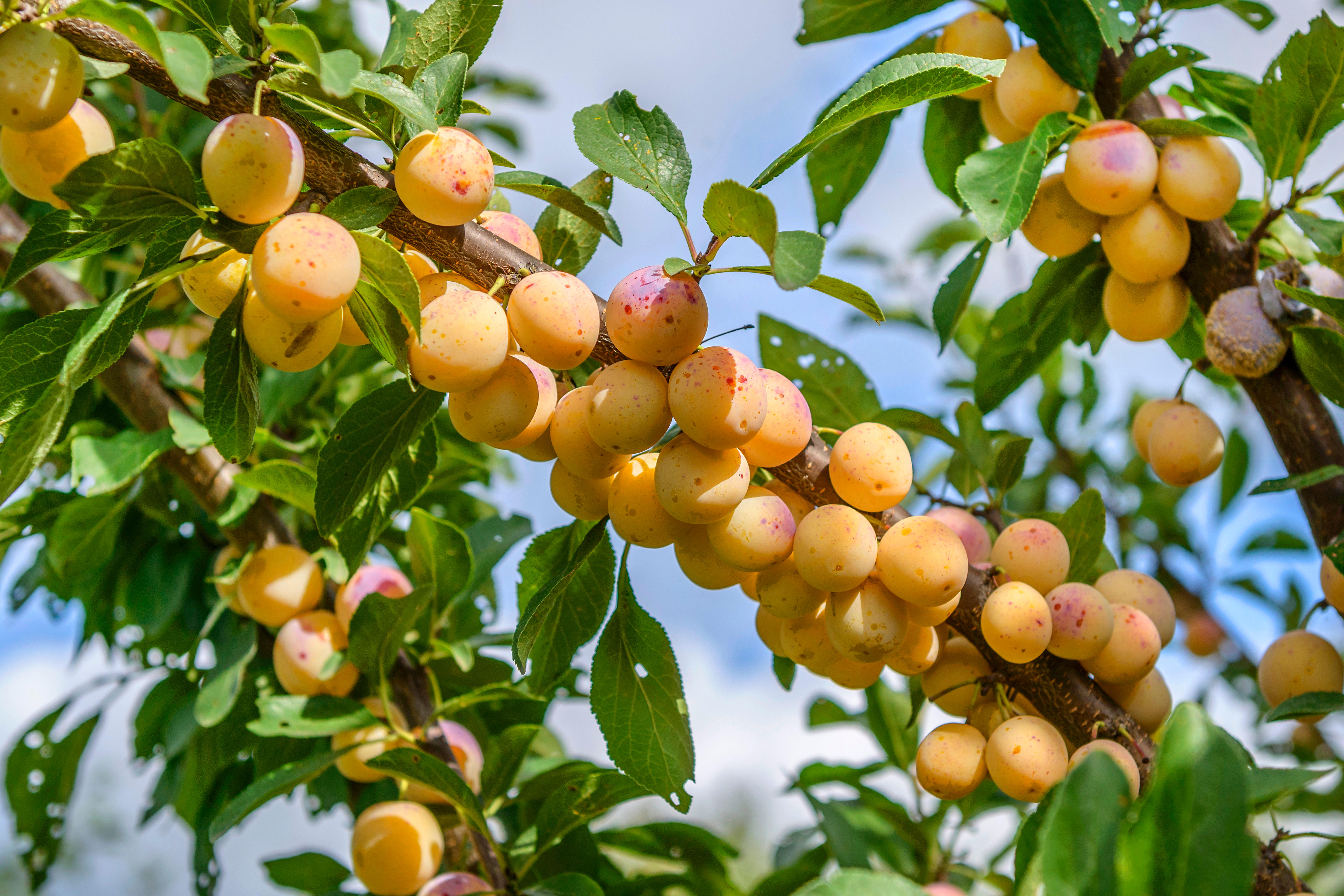
Mirabelle Plum
Since I was growing a lot of wild plums at my farm, it was only natural to try to get as many species plums that I could find to test the limits of yields and flavor. It is interesting there are essentially only two species cultivated in the whole plum industry. There are thousands of varieties of plums but only a couple of species. The goal was not to create varities but find populations I could replicate and use for jam or syrup. I was not looking for good eating plums. Sweetness did not matter. I had to find species free of bugs including the devestating plum curculio. They had to be free of black knot. Black knot is a great leveling agent in the field of plum growing.

I started with only a few seeds. I received them from a forester colleague of mine who was very keen on finding wild fruits in their native habitats. I ended up with 10 plants. From seed it took 15 years to fruit. The plants flower very early and are subject to frost. They flower around or slightly after peaches. The red squirrels were brutal on the seeds at first but eventually the plants became profuse bearing and I began producing the seedling trees. They were very uniform with few hybrids. There was no curculio or black knot but some trees were lower yielding than others. The trees are slow growing but soon create this twiggy top heavy tree filled with small fruit spurs on the branches. In my population all were yellow except one plant which was red. The flavor is tart but not overly astringent. I can see why the fuss over the flavor of the fruit in processed products. It is different than any wild plum I have grown. There is no substitute. Overall it was an easy tree to grow and certainly it could be grown commercially without grafting. I would use a spacing of 10-15 ft. in the row to create a more hedgerow effect. The tree grows shrubby but can be limbed upwards to allow shaking for harvest. The tree regenerates from the collar which is an advantage for cutting down the top after it fades and using a younger sucker as your new tree. Now you have an older root system which really kick starts the tree into even greater production than the previous trunk as it matures much more quickly with greater vigor and health.

The fruits are used for a wide variety of processed products including jams, syrups, pies, pastries and wine. The whole industry is in one region of France and nowhere else. Like the legal name of Parmesan cheese, you cannot sell the fruit under the Mirabelle name. That is forbidden. Hence the ‘illegal plum’ status that is listed on articles about it. Of course you can’t import fresh fruit or seeds of it but you also cannot sell the fruit and call it the Mirabelle plum. Keep in mind this species plum is widely distributed in Europe. It was recently found in the U.K. in a very isolated location along a fence row. It is not a common tree there and no one grows it. It was thought that people pitched the seeds hundreds of years ago as they traveled the landscape the same way peaches are found in Germany. Who knew the Romans played a great role in plant dispersal.. Not too long ago, genetic studies suggested that the Mirabelle origin is actually in Turkey not France. Very nice to know but this does not matter. The origin of Mirabelle is France not Turkey in terms of its cultivation. This is the tough row to hoe part.
Crop diversity often is masked in varietal selections not spccies selections. It is the species that can enliven our food system far greater than just another variety. To do that it has to leave the country of its origin to really see the potential of its health giving properties to all cultures. It’s time for a test drive to take it out on the road. There is agri- and there is culture. These two are tied together and have been for at least 5000 years. The local becomes the global. Move the plants. Create the forest. Create the orchard. Create the food. Now is the time to move. This is the Mirabelle we all love and want to share. Well, maybe not everyone.
Enjoy. Kenneth Asmus


One of the great benefits of having a nursery was to inspire others to create gardens filled with unique and delicious fruits and vegetables. Most of the plants I grew were not available by other nurseries or produced by a wholesaler grower somewhere. I remember one of my customers told me he turned his front yard into an Oikos Tree Crops oasis with all sorts of edible plants. People began commenting and stopping at his door to inquire what sort of fruits or perennial vegetables were there. These same crops can offer inspiraton to a farmer too. Another one of my customers was a young teenager who’s family farm had switched to pivot irrigation. As a highschool project, his goal was to fill the square corners of the fields with rare fruits and seedling wild crops. His plan was to diversify the land to tree and shrub crops as both a repository and fruits to be used by his family. Some would say this is not practical. I would like to disagree.
As the years went by, I began to realize that all of the crops I raised could be cultivated commercially. They could easily be grown, eaten and enjoyed by millions of people on all levels from garden to fields. There is no limit with the plants. The limitations are with everything else surrounding the cultivation of food including the consciousness of the farmer. My favorite expression is “You’ve got to be kidding me!”. It was when I first began seeing the potential of many of these plants at my farm. For me it was a huge surprise and so easy to discover. It was unexpected and novel. Yet the commerce part of it in the nursery trade was a flop. It was two opposites coexisting and creating my farm: one of miracles and one of flops.. Let me explain using the following plant which is considered ‘not practical’.

Thicket Bean
Before beans were cultivated, early native Americans used the perennial thicket bean. It’s range is scattered throughout the midwest and northeastern U.S. It requires tedious collection of the beans because of their shuck splitting tendencies which pitch the beans in an outward trajectory up to 10 ft. away from the parent plant. Early selections were created by the native Americans using non-twisty shucks. When we were growing it, the yields went like this for the first four years on roughly 100 feet of trellis.
2 ounces– 10 ounces–1 lb. 4 ounces –2 lbs. 1 ounce
From this point we lost large parts of the crop due to my management issues as well as selling the roots in my nursery production. We began replanting a few times to keep it going. Each time I soon realized that even an acre of it would barely touch the yields of annual beans. It’s a perennial and potentially can live a decade before failing and breaking down. For the farmer, that is a disadvantage. It’s too hard to manage without a ton of labor. Our yields were improved with the use of innoculants but it is not the Great Northern White annual beans where you measure it in terms of tons per acre. It is pounds per acre. My guess is if you grew it and passed the 50 lb per acre mark you would be in the same class as the 200 bushel per acre soybean level. The U.S.D.A. should put a bronze statue of you in the field where it happened. By the way everyone looks good in bronze. If you were to sell it as food, then I estimated the cost around 4-500 dollars per pound to make that happen. It is not practical. Since it is a bean and beans are a wonderful inexpensive source of protein, you are now only catering to wealthy people who can afford your expensive beans. That is not farming. If you try to get a government grant for the equipment, etc.because it’s native or some experimental crop for research purposes then that too is not farming. My neighbor who is a fruit farmer likes calling it “farming the government”. To make the thicket bean profitable minus hybridization would be to use it in processed or blended products that benefit from its unique flavor profile and nutrition. These products would then help pay for the trellis system, labor and maintenance of a perennial bean without farming the government or needing someone with deep pockets to finance the whole system.

Let’s face, you need to get paid. You’re no spring chicken anymore. My father use to say that to me to remind me of my limited time left on earth. Showing the urgency of implementing new crop plants to make people healthy and the farmer successful, none of us are spring chickens anymore.
Blended thicket bean products will work. Despite the month long harvest window using hand picked lentil sized beans it could be done profitably. Remember you’re the first person in 9000 years to grow this crop and eat it. That sounds very cool and it is novel. My guess is if those 9000 year old individuals came to life and saw what sort of bean shenanigans you were up to they might find you a little peculiar as a farmer of the land. But they would also see a good idea on creating an easily harvestible crop plant. It’s the protein we all need to survive and thrive and that hasn’t changed over time. It is practical.
Enjoy. Kenneth Asmus


More Edible World to come. It’s a three parter.

This particular crop plant is one of the best tubers I have grown at my farm. The mild flavor and smooth texture along with its easily digestible carbohydrates make it an ideal candidate for a new tuber crop not available in the United States. All of them are imported from China as far as I know. It’s easy to use and has no pest problems of any kind. It requires a series of digging gymnastics to harvest it properly using long trenching spades to extract it from the soil. It is a perennial tuber in Michigan but also suffers in cold winters with freeze damage some years. This has happened only twice in the forty years I have been growing it. It sets no seeds of any kind. It produces aerial bulbils on the vines which are equally delicious and useful. The two crops from the same plant are radically different. One you pick in the fall and the other you dig in the spring. The aerial tubers require a trellis system that will need to hold large amounts of foliage which is quite heavy. Ideally this elongated ground tuber needs a long underground pot system so you can eliminate the deep digging required and an adjustible trellis system to hand harvest the aerial bulbils without a ladder. These methods and use have long been worked out by the Chinese. As far as I know, it is not cultivated in the United States for its tubers but was used for a brief moment in the ornamental landscape market as the Cinnamon vine because of the aromatic flowers.

Like all the crops I have grown, I tried to find as much diversity as I could to test the different selections already in the market. There was only two for the first decade I looked. Eventually people sent me other selections known for bigger aerial tubers or larger in ground tubers. It wasn’t some sort of aha moment. The variations were small and not etched in a cultivar stone to any degree. I purchased a completely different tropical species called ‘Hawaii’. This one had aerial tubers golf ball sized and larger. We put it on a trellis near the back of my nursery the farthest point from my barn. The location was perfect for this species being on the bottom slope of a hill. To my surprise someone came in and stole it after I posted a story about it in a Facebook group. I am not sure the two are related. I found the identification pot tag four years later in my gravel driveway. That particular variety looked very promising in warm climates with a greater possibility of commercial success. Today you do see many other tropical species and selections used in the bedding plant industry.

Here is a brief run down on my experiences. This species is dioecious so all the ‘selections’ are female plants. There are no male plants or true seeds available commercially as far as I know.
California: Selections with nice long smooth carrot like roots.
Pennsylvania: Selections with larger aerial tubers than normal.
Dr. Yao: A patented variety said to produce massive in ground tubers.
Toensmeier: Selection with consistently large aerial tubers. From author, researcher Eric Toensmeier.
Unknown: From cultivated selections that were said to be ‘pretty good’ or from a few seed companies that offered them.
On a small scale: I would grow this plant again and would encourage others to grow it at home. It is easily contained and rarely spreads in undisturbed areas with sod or grass surrounding. Instead of using an eight foot tall trellis and raised bed, I would use the spun polypropelene bags in ground with the handles just above the ground so you could just pop it out when you wanted a tuber. I would then create a circular chicken wire cone around the vine. This keeps the vine contained and bulbils from drifting to other areas of your plantings should it be a flower garden or other landscape situation where you do not want spreading. If some do, they are easy to plucked out the first year. No tile spades are needed for the ground tubers along with Herculean efforts to extract them. I also used 5 gallons buckets with holes in them. That worked well with groundclothe underneath them in the polyhouses.The tubers did not freeze and turn to mush in this process. The aerial tubers can be hand picked and harvested over a month as they develop. They do not all ripen at once which is a bonus as far as using them a little at at time. The aerial tubers grow in size over a long period of time so you need to wait until they are the largest possible to pick.
On a larger scale: I would spend some time developing an in ground method that makes it easy to harvest full tubers without bruises or cuts. There are patented technologies for this crop too. I was wondering if you could use plastic or metal evestroughs. That might be expensive to set up but could last many years once established. One farmer in Germany uses a greenhouse system and an above ground narrow diameter pots made of wood that looked roughly 4 ft. tall. The tubers would then grow unimpeded and develop up to 3 ft. long. Then you just unscrew the plywood and your tuber is right there to pick. The roots develop unimpeded and are long and cyndrical perfect for chipping looking incredibly uniform like a Pringle. The tubers are easy to store and do not degrade easily compared to Jerusalem artichoke. The aerial tuber crop is possible commercially but only by using mechanical shaking having them fall on a tarp and then going from there to a screening system. If you were to hand pick them, it would require a lot of labor. The bulbils ripen over a month period so they all do not ripen at once but they do hang on for a long time making it possible to harvest the whole crop all at once. To me the most delicious part of the Chinese mountian yam is the aerial tubers which I believe has the most commercial potential in terms of fresh mini-tubers.

Because this crop plant has landed in the weedy, invasive runaway ornamental plant section of the USDA along with many state governments, you would guess the world has gone to yams. It hasn’t but the destruction continues of potential valuable germplasm in the name of nativeness. The last time I checked it was discovered in two places in Michigan both of them yards. One in Detroit and the other in Traverse City. So now it is on the watch list here. People are watching. Such a waste of resources. On a personal note, this spreading habit or ‘ecosystem damage’ did not happen at my farm. It did not move and the bulbils did not take over my plant universe even when the plantings were left untended for over a decade. I grew the plants for several decades. How long should I watch? Yet it is persistent and like all perennials, it comes back year after year. That is a good trait to have because the roots size increases dramatically over the years where some can become gigantic. No one knows how this would work in North America. In other countries modified pallets are used to grow above ground giant tubers. Is this practical? I’m not sure. The tubers might turn to mush in Michigan. Should you wait several years before the 50 pound stage or harvest two year roots? I found the two year roots the most practical to grow and use. I also grew the native yams at my farm and a form from Wild Type Nursery. They are poisonous and should not be eaten. They have a very stringy tough woody roots and are high in steroids.
On a practical level I would look more closely at large plantings both in terms of growing, harvest and marketing. There is a lot to be worked out far more than just growing. One of my customers from California told me she was concerned about the naturally occurring heavy metals in the imported yams. I sent her a package to eat instead of grow. She said they were much better flavored than the commercial selections sold in her international food stores. Like a lot of tubers the soil makes a difference in flavor and nutrition.

On a side note:
I did discover there are attorneys and lawmakers that will help you and your mountain yam ideas in the regulatory arena. But it is not an easy row to hoe. Who wants to do that? It’s anti-farming. What is the cost in money and time? Can’t I just grow the crop and be done with it like I have for the last forty years? Farmers should always be the first to ask, not the last. Here they are specifically edited out.
To feel the rich soil around my fingers, the fresh cool spring air and rain covering my raincoat in the spring was a great joy while harvesting. Where is my rich black organic coffee? Where is my tile spade? I’m out the door. Time for yams. I need a yam.
Enjoy. Kenneth Asmus
I think this. I desire to raise yams to help me feed the world while bringing perfect health to the world and wealth to the farmer. I’ve got a world to improve. Would you like to help or get in the way?


The butternut trees I collected nuts from for my nursery were difficult to find. Every now and then I would spot one from my truck as I drove through a rural area. I would contact the owner and make plans to harvest the nuts. I met a lot of interesting people doing this. Everyone without exception had no idea what the butternut was. I loved to explain it like a long lost treasure rich in history and flavor. Sometimes I do go long. It’s like butter. It was rare in the public domain as well. My guess was there was less than one tree per square mile in my county in southwestern Michigan. The yields fluctuated and it was a crop occurring every 3-4 years. Butternut also exists in hybrid plants with the Japanese walnut. I would find these too but they were often in people’s yards or gardens. They tended to be much higher yielding. One immense tree had over 25 bushels one year. That was a record. I purchased the seeds from this tree over the course of two decades. Called ‘buartnut’, Juglans x bixbyii, they tended to be longer lived trees immune to butternut canker to some degree as well as show hybrid vigor in the progeny. It was the hybrid corn of walnuts for me. It was easy to grow a six foot tree in two years from seed. I ramped up production of the species and hybrids because of the catalog mail order industry at the time. They were selling them and I was one of only a few producers of the trees. Because I had so many of them, I began going through the seedlings and selecting plants based on foliage characteristics. I found several with the typical shiney English walnut leaves. There was an English walnut tree nearby and it would cross pollinate with only a small window of overlapping flowering. It was roughly a one plant per 300 seedlings. I would then plant these out back and wait to see what would happen. I was guessing in many ways. I even remember finding one tree that flowered in 3 years from seed. Here is an image of one with English walnut below.

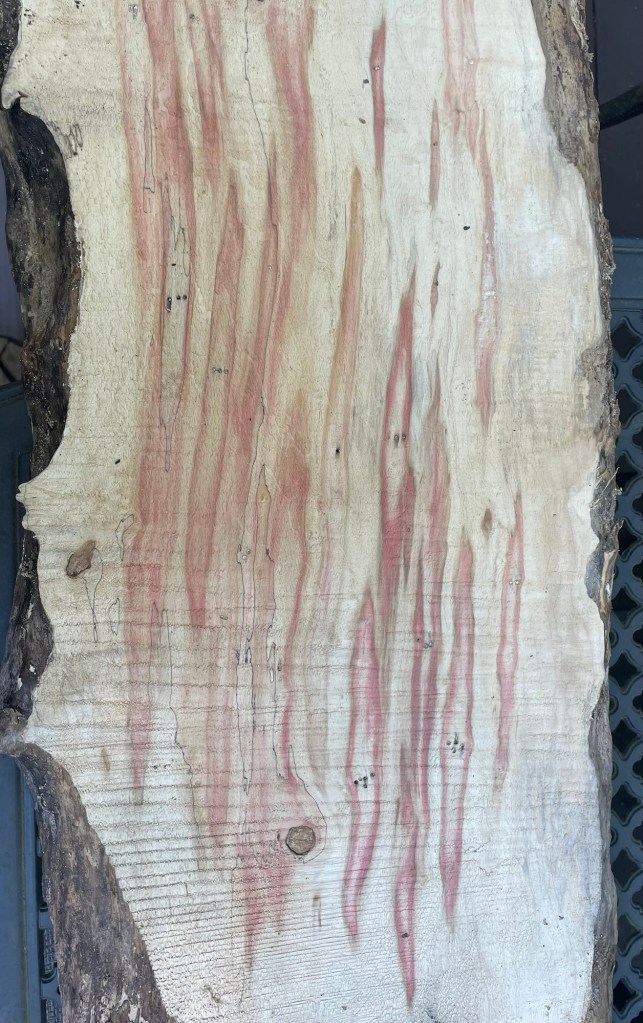
You can see the blend of the tree within the nut. The actual yield of meat to shell ratio is low. The yield of this tree is also low due to damage done by the stem drilling butternut curculio. Curculio also lowers the vigor to a lesser degree. Overall the growth rate is off the charts in my dry low organic soil. This is very good for the butternut tree which usually does best in loam and higher organic soils. It is also immune to butternut canker. The tree shows interesting bark protusions which look like small burls forming. That could be a plus if the tree has interesting wood characteristics like swirling patterns or curly grain. I kept growing them while chiseling holes in my out planting for them one by one over the course of two decades. Eventually the mail order nurseries no longer needed that tree in its line up and once again I was stuck with a few thousand buartnuts with nowhere to go. This tree along with other potential crosses with black walnut were added to my plantings over time until I had no more room. Ideally I would of needed 40 acres to get a better idea of what I would find. But even a few trees can point you in great directions to follow while taking the road of minimum effort and maximum gain. After 40 years of growing them, a few appear to be fading and others are still growing strong. This is the beginning to create a new seed source by harvesting the nuts from the most vigorous trees to expand the seed strain and then turn the weak trees into lumber to use and evaluate. This in turn creates the ideal tree farm. You produce both seeds and a finished product all in one location. The seeds can be futher distributed and grown with other people throughout the world interested in the butternut tree, its wood and nuts. The wood can be made into furniture or anything requiring a light wood easy to work and finish. Everything about the tree is perfect in its species and hybrids.
Many years ago I met a research scientist had done genetic studies on existing butternut trees in North America. She found some of the most isolated trees in this process going far into Canada as well as south into Kentucky. It turned out butternut has a much more northern distribution than many people realized. She rarely found hybrid trees but when she did she felt they had great value because of their immunity to disease and hybrid vigor. She told me that her colleagues thought it would be better to focus on only ‘pure’ trees. She found that odd. Both are of great value. What is ‘pure’ anything? No one knows and the opinions bring arguments on plants in social media as well as the scientific community. Everyone has a different nature they want to call nature. Good for you I say. In the meantime, I’m making furniture and harvesting nuts. Care to join me? It’s a butternut.
Enjoy. Kenneth Asmus


The plants I chose to grow at my farm was based on my personal experiences. There were many more or less random events of people contacting me with seeds or accidentally finding plants as I went through my daily life. I would find these ideas as a source of seeds first which would then allow me to see the full range of expressions from that species as I grew the plants. My farm is pretty much nothing but that and little else. There are no grafted trees or varieties. They are all seedlings. For some people all seedlings are too random and not defined. Yet in the natural world, there are no varieties either so why not follow that idea to the end and search for the broadest possible expressions. That was my thought. It too seemed random in the course of clothing my land with trees. Why would I do that?
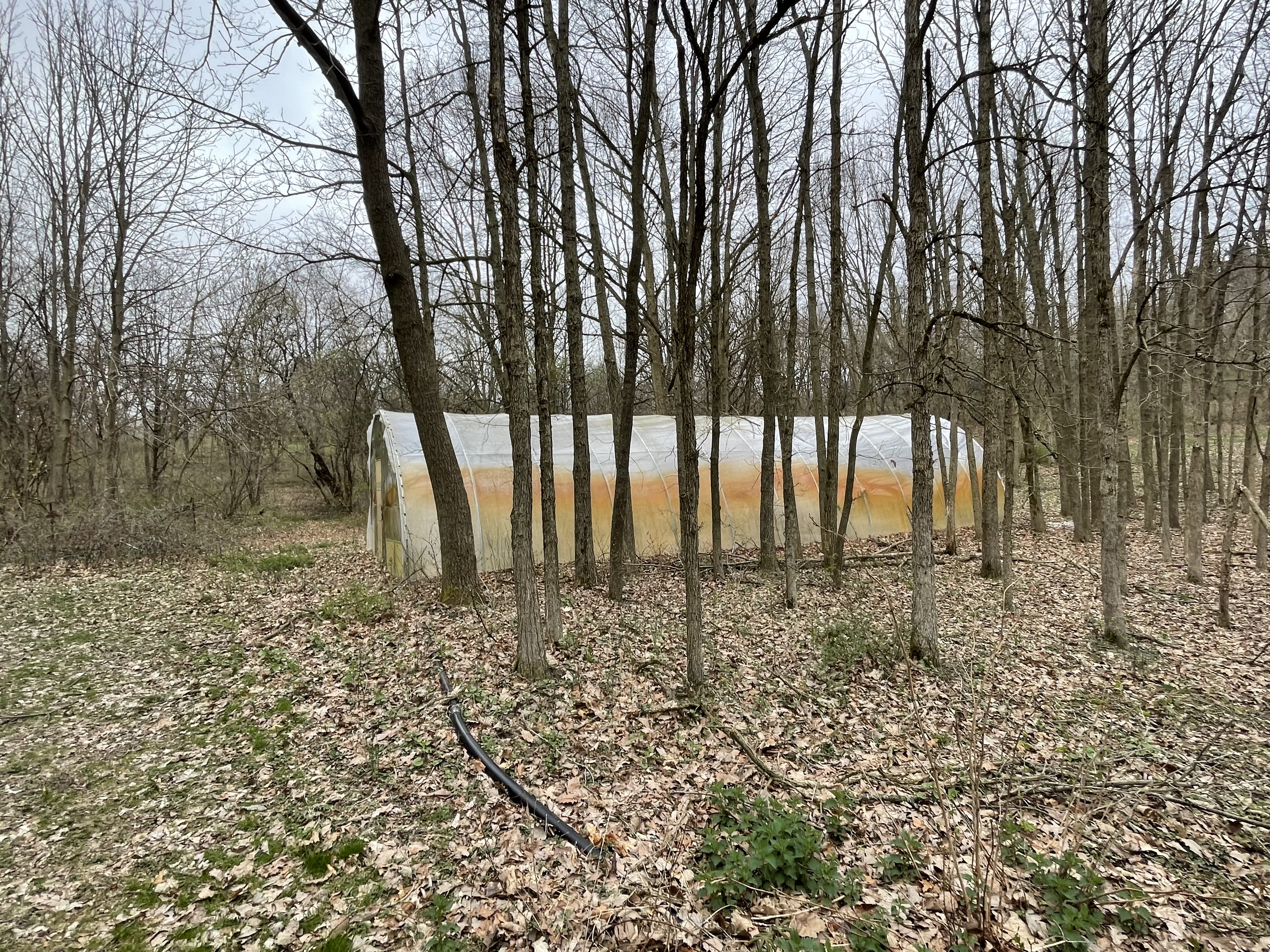
The trees on the right of this polyhouse are mature hybrids of chestnut and bur oak. Quercus prinus x macrocarpa.The trees on the left are English and white oak hybrids. Quercus robur x alba. The English crosses were found as street trees in front of a school when I took a short cut from the hardware store to a place I was working at the time. Random discovery. The chestnut oak hybrids were purchased as acorns from an electrician who loved oak trees and collected acorns in a public park with his son. Random phone call. As the trees grew, I thinned them, cut down the weak trees and removed the lower limbs. The photograph above captures a blimp that happened to fly by at the time. A light orb was created by my lens creating this image. The blimp was random. The light was random. The clouds are amphorous and random. The trees I planted were kind of random discoveries of oak seed sources. I didn’t know what would happen when I planted them. They existed only because of my desire to grow trees and capture diversity of the oak genus in some way. The greenhouse I put up came with instructions so that is not random. All of of this allowed me to grow plants that I felt were not adequately used today. A lot of order was created by my random acts of planting. That worked out far greater than I expected. It is especially poignant in that I used primarily exotic plants from around the world and mixed them with many North American species.


Today when I look at the all space filling plant communities at my farm I see nothing but order. It is not random. Upon closer inspection you begin to experience the full range of ecological integration of plants in a universal scale. Here there are connections to be made, selections to be done while previous incarnations may decline and disappear while new plants colonize and improve the soil and community as a whole. The blimp fly by is a look see of a new animal or insect. It might be a woodcock, bobcat or white Admiral butterfly all of which periodically visited my farm. The clouds are all space filling and change over time depending on the conditions of the plants. The orb are the ideas in this picture. The human part is the polyhouse as knowledge has wedged itself between the oaks that I love to grow. I might be the pawn in the game of life but I am the novelty in the equation able to preserve, regenerate and evolve the plant assemblages in front of me. Order comes without effort all from my random acts.

The Ullong-do Cherry, Prunus takesimensis: Found on a remote island South Korea. Harvested for its sweet cherry like fruits.


Enjoy. Kenneth Asmus
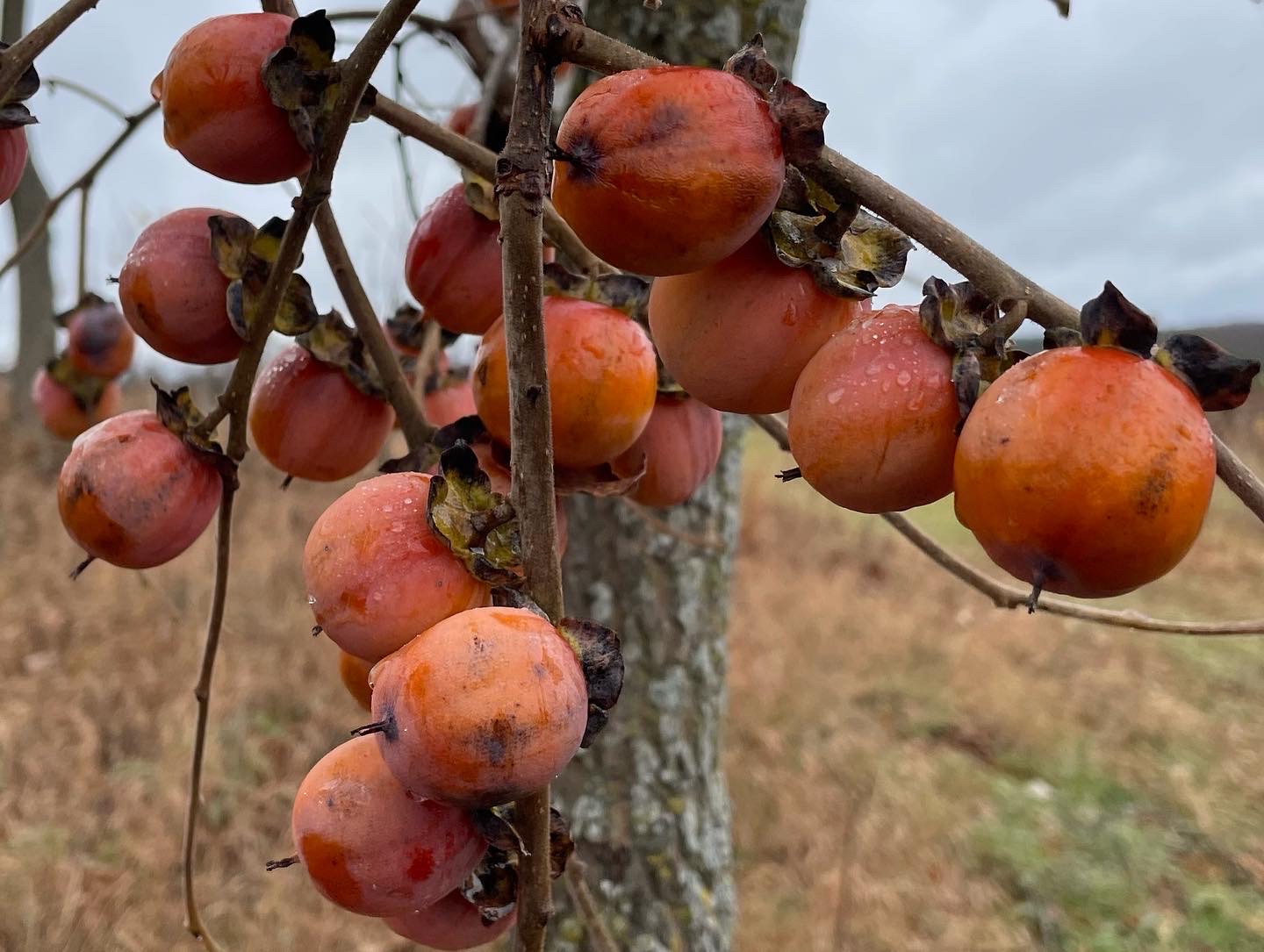
In the winter, I do a lot of pruning. There are no yellow jackets to avoid. The plants are dormant which is ideal and it is much easier to maneuver and identify shrubs and trees that seed in under my planted trees. I keep them and limb them upwards. It is surprising that a number of apples fruit fairly well in the shade of the pecans. Here I am leaning on a row of American persimmon trees with my Silky pole pruner next to two rows of northern pecans on the right. Both require removal of the lower limbs as they fade due to lack of light enhanced by the density of the planting I did. At the time, I thought both of those species were not going to be that successful in southwestern Michigan because it is too cloudy and cool here to fruit and mature properly. I was wrong. As a result, I began pruning them to allow greater light to penetrate the floor and allow the crowns to gain greater volume and height. That was a good idea because now I have apples, pears and young seedlings of pecans and persimmons under the canopy replenishing itself into the distant future. A nearby white pine has also seeded well and I have used the seedlings as a visual road block at my home. This type of planting creates the ideal seed bed as grass has faded. This was a thick grass field here dominated by quack grass which is now gone entirely due to the increased shading over time. The sod is now a thing of the past. Besides the highly benefical amur honeysuckle and autumn olive plants, the seed bed also is transforming the understory benefiting the trees and future of my mini-forest. When I cut these to the ground, they add organic matter to the soil. You do not need herbicide or burning. Those only create problems. I have spotted some medlars, American holly and American cranberry-bush here. While I create mulch and fertilizer for the trees, the soil can only improve. The branches you see on the ground above take 4 years to break down. Several species of borers live in them spewing out sawdust. They are the mini-chippers doing what would take me many long hours behind a flail mower or wood chipper. Here you want the various stages of decay feeding the fungus in the soil along with all the micro-fauna. I like taking a peak into the this microuniverse from time to time. There is a lot of things going on so its fun to look under a larger piece of wood. Sometimes you’ll find the larvae of fireflies which also have bio-luminensce. They hide embedded under the bark and you can sometimes find them even in the dead of winter if you look hard enough.

Pawpaw colonies have a life of their own forever expanding and taking over vast areas. This tendency creates a great density of shade within the planting. There is hardly any recruitment of any type of seedling tree or shrub. A few multiflora roses struggle to gain a toe hold. The wild black raspberries fade and the thick colonies of golden rod disappeared entirely. The quackgrass died years ago after the canopy closed. The pawpaw marches on shading and creating the perfect habitat for itself free of pretty much any competition. I did plant several Chinese ash species here and they have done very well and are completely immune to the ash borer. You will see possums in here along with red squirrels eating the ash seeds as they mature. This particular planting had trees spaced at 20 ft. apart in three long rows done in 1988. This was the year of severe drought where every county in Michigan was considered a disaster area. The trees survived and flourished once I stopped using Round-Up to kill the grasses around them and then mulched them with rotted wood chips. Pruning in this planting involves thinning to allow greater lateral branching while at the same time not removing everything. Pawpaw trees live for 30 years or so before the main trunk dies. It is replaced by the ‘suckers’ or new trees as they stoloniferously spread across the landscape. This creates the effect of side branching on the trees which then increases fruiting. You can find that the colony does this for you as well. You can push a tree over as it snaps near its rotted base. This type of thinning is done every three years or so. In one pawpaw and black walnut planting I am trying an understory or black and green gooseberry. It appears the shrubs can tolerate the shade but few fruit seem to form but the bushes look very healthy. This would be a level three crop in the shade of two other food plants. I am wondering if I could grow other vegetatables or medicinal plants like ginseng in here too. It is like a super highway in the pawpaw grove and people notice when I take them there it has a comforting effect.

The tree on the left on this image with the pruners leaned up is one of the original trees planted in 1988. It is still very healthy. In the upper right is a colony of raspberries. Those are slowly fading out. When I have dug into the soil here, I noticed the root systems are dense and over lap like a giant matrix of stolons which explains why on the hillside there is no erosion. This is the stoloniferous roots of great magnitude produced by the pawpaw. If you have a grafted variety, this is not possible to recreate. So seedling orchards could easily play a role in fruit production on a commercial level in places where orchards are not practical. This system is self sustainable with a little pruning and some tender loving care of a happy farmer. It’s a vigorous life.
Enjoy. Kenneth Asmus


Having an open field is a rare event at my farm so I had to come up with a cost effective means of covering the soil after the polyhouse removals. In total five houses are being taken down and used by other farmers in my area working in fruit production of some type. I like that there are going to be put to good use. Covered in plastic and two types of polypropylene ground cloth for more than two decades, the original native soil underneath was locked in place. Removal makes it possible to replenish the soil once again. What should I do? Prior to the polyhouses, the vegetation was mostly quackgrass and orchard grass. Over time the orchard grass became the dominant species under the walnuts I planted so it was natural to try that again. Orchard grass is a thick bunch grass and very succulent at its base. When you hit it with a weed whacker prepare to be bathed in rich green protoplasm. It tolerates mowing and the grass florishes despite truck traffic and the massive crops of black walnuts. From the company Green Cover, I purchased the variety Devour which is more drought tolerant and disease free. It comes up very fine at first and is difficult to spot. I planted it late spring and kept watering it via the old irrigation system. It took roughly two weeks to pop. I added German Foxtail millet also from Green Cover and then ran to my old seed drawer and threw out via hand Dietrichs Broccoli raab from Experimental Farm Network. It’s a biennial and God willing the deer will not hammer it to death next year. I should get some yields of green goodness to eat and seed later on. I threw out a couple of batches of strawberry, sorrels, Chenopodium, Mountain mint and then snuck in some teosinte of a more primitive nature. Not everything came up but some may pop next year after winter dormancy. On the left there is a small stand of Johnson grass with the giant heads. This species at my farm comes and goes depending on the damage I do over tilling. Once I stop, it too retreats and disappears. It is interesting to me that some of the best soil builders and ground cover seeds are found in the Green Cover catalog. This particular area of farming has really improved over the last decade making selections far more likely to be employed on larger scales. For woody agriculture to survive, you need good ground covers going deep into the soils below. It doesn’t matter if it’s native or not. You need a good cover and the diversity will show over time. Ideally it would something you would harvest as well to use and make available to other farmers making yourself a mini-seed company. How I got blue eyed grass in my orchard grass planting is confusing to me. I am not sure how this happened but apparently the two go hand in hand as it expanded down the hillside. No matter how I tried to propagate it, it failed in the greenhouse. I threw it out not too far from where this Farmall sits. It arrived home! Today the population ebbs and flows within the thick bunch grasses and everything else.
I have three other locations where the soil has been under poly all these years. It is interesting in that even though there are nearby trees very few feeder roots from these trees are found under the ground cloth when I yanked it up. With the exception of a few American persimmon, there appeared to be nothing. I think this environment was not conducive to root growth only because of the system I set up to propagate plants was on top of the ground cloth. It must of thrown off the oxygen levels in the soil quite a bit. All rain was deflected to the sides so it is possible the roots are thicker there yet we watered 2-3 times a week in the houses. Now that is all over, I think the soil must feel relieved. One house footprint surrounded by mature hybrid oaks will contain mostly woodland plants dominated by ginseng, ginger and goldenseal. Another surrounded by Ecos hybrid timber pears, persimmons and pecan will contain a row of edible large fruited Kousa dogwood right in the middle selected just for its fruit production to eat where there is enough light. It is probably one of the most shade tolerant dogwoods and has a really delicious tropical taste to it.

Another one will contain a trellis system for beans and other vine crops along with Cornelian cherry and Lemony quince seedlings. Each of the polyhouse removals created an opportunity to harvest the wood of weak and dying trees nearby, plant new types of crops as well as evaluate the future fruiting plants in greater abundance. To me this is the greatest joy in my farming quest. Everything can be done in a direct way with minimal cost of time and money. There was one exception. The abandoned pots filled with soil and plastic tags since 2021 are giving me a new appreciation of clean up at the nursery. As the hoops disappear into the distance, it’s a relief for me too.

Enjoy. Kenneth Asmus
You must be logged in to post a comment.