One of the great benefits of having a nursery was to inspire others to create gardens filled with unique and delicious fruits and vegetables. Most of the plants I grew were not available by other nurseries or produced by a wholesaler grower somewhere. I remember one of my customers told me he turned his front yard into an Oikos Tree Crops oasis with all sorts of edible plants. People began commenting and stopping at his door to inquire what sort of fruits or perennial vegetables were there. These same crops can offer inspiraton to a farmer too. Another one of my customers was a young teenager who’s family farm had switched to pivot irrigation. As a highschool project, his goal was to fill the square corners of the fields with rare fruits and seedling wild crops. His plan was to diversify the land to tree and shrub crops as both a repository and fruits to be used by his family. Some would say this is not practical. I would like to disagree.
As the years went by, I began to realize that all of the crops I raised could be cultivated commercially. They could easily be grown, eaten and enjoyed by millions of people on all levels from garden to fields. There is no limit with the plants. The limitations are with everything else surrounding the cultivation of food including the consciousness of the farmer. My favorite expression is “You’ve got to be kidding me!”. It was when I first began seeing the potential of many of these plants at my farm. For me it was a huge surprise and so easy to discover. It was unexpected and novel. Yet the commerce part of it in the nursery trade was a flop. It was two opposites coexisting and creating my farm: one of miracles and one of flops.. Let me explain using the following plant which is considered ‘not practical’.
Thicket Bean
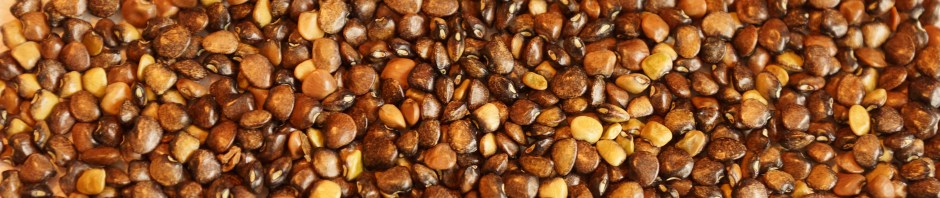
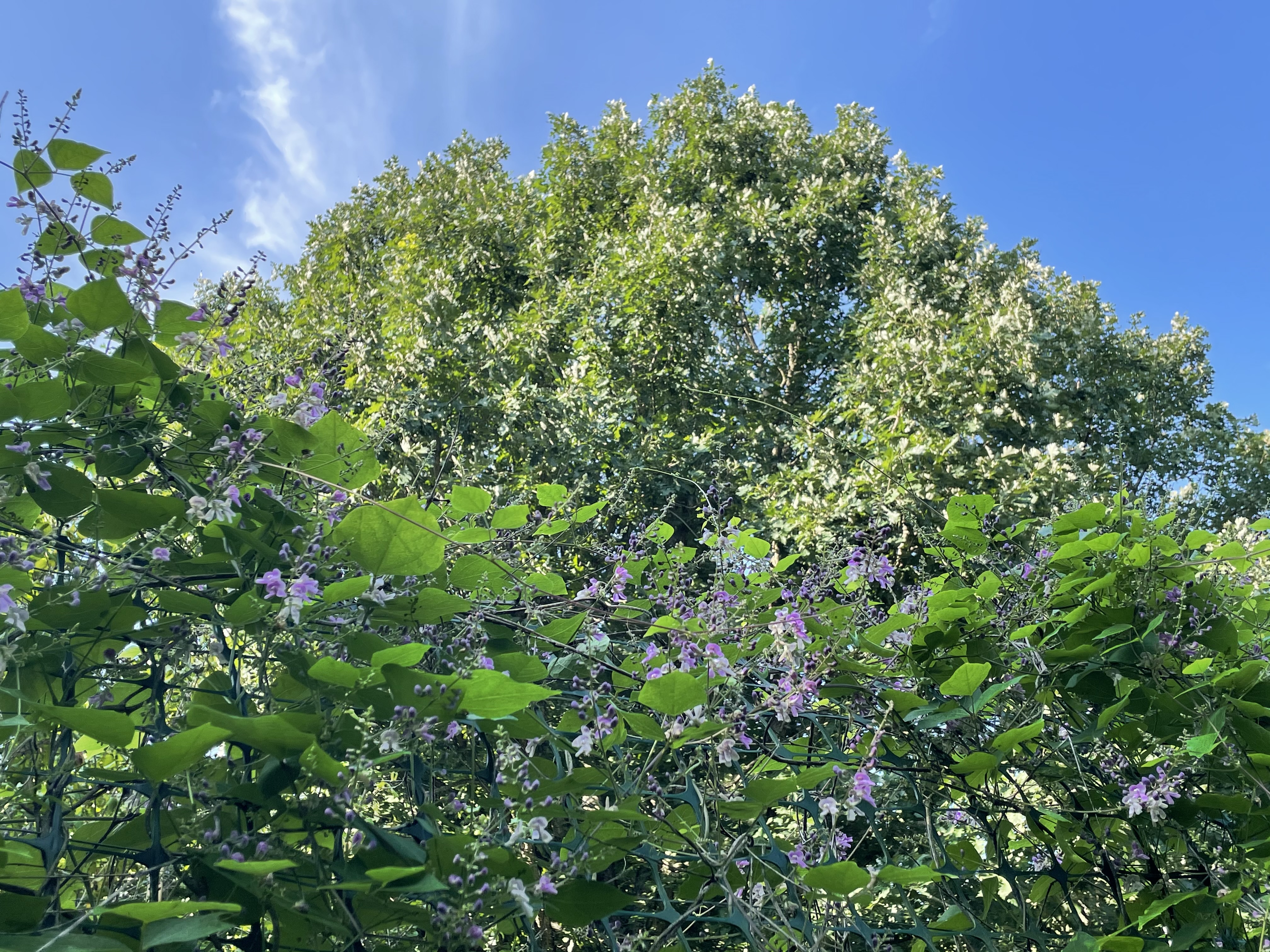
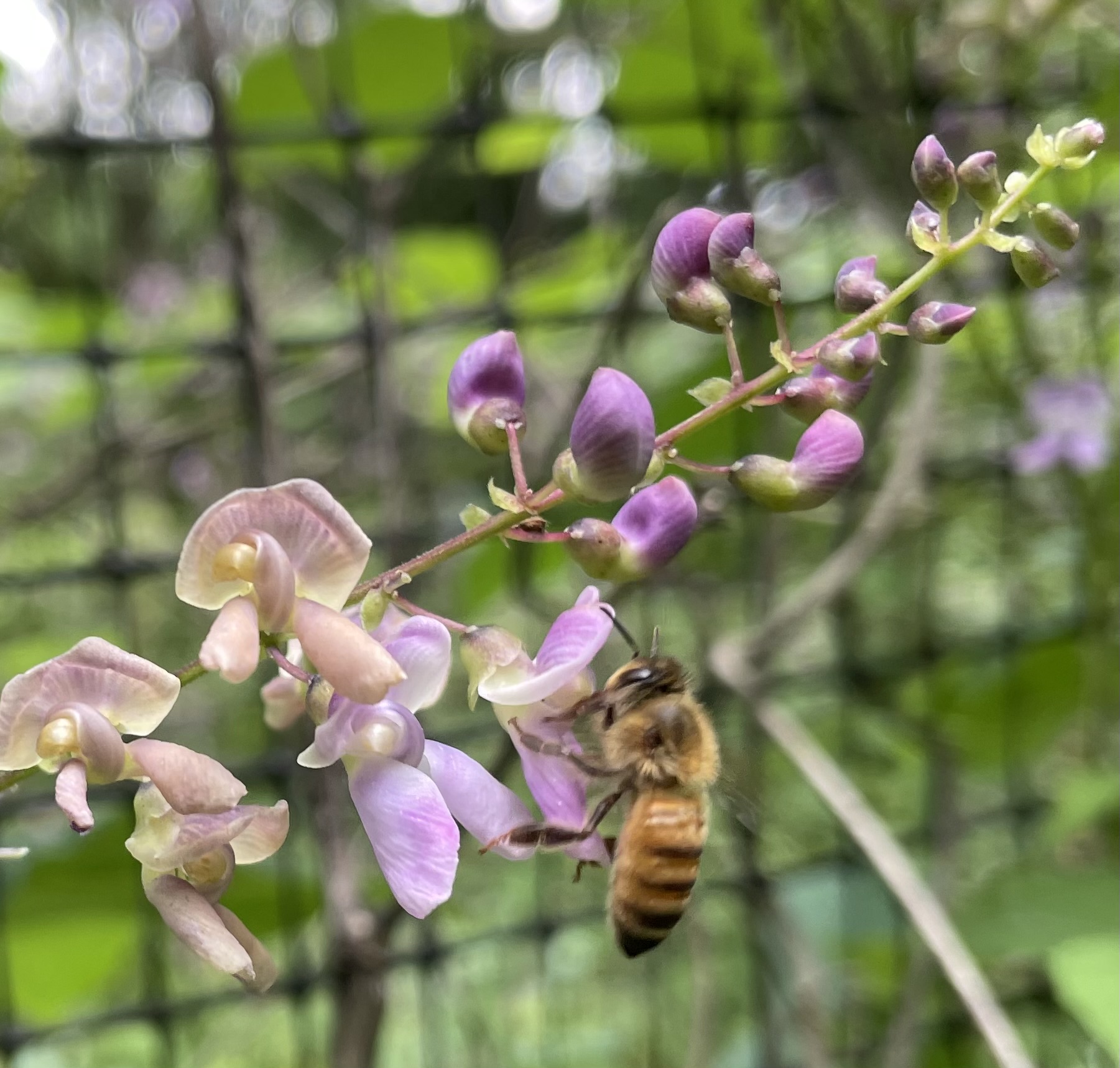
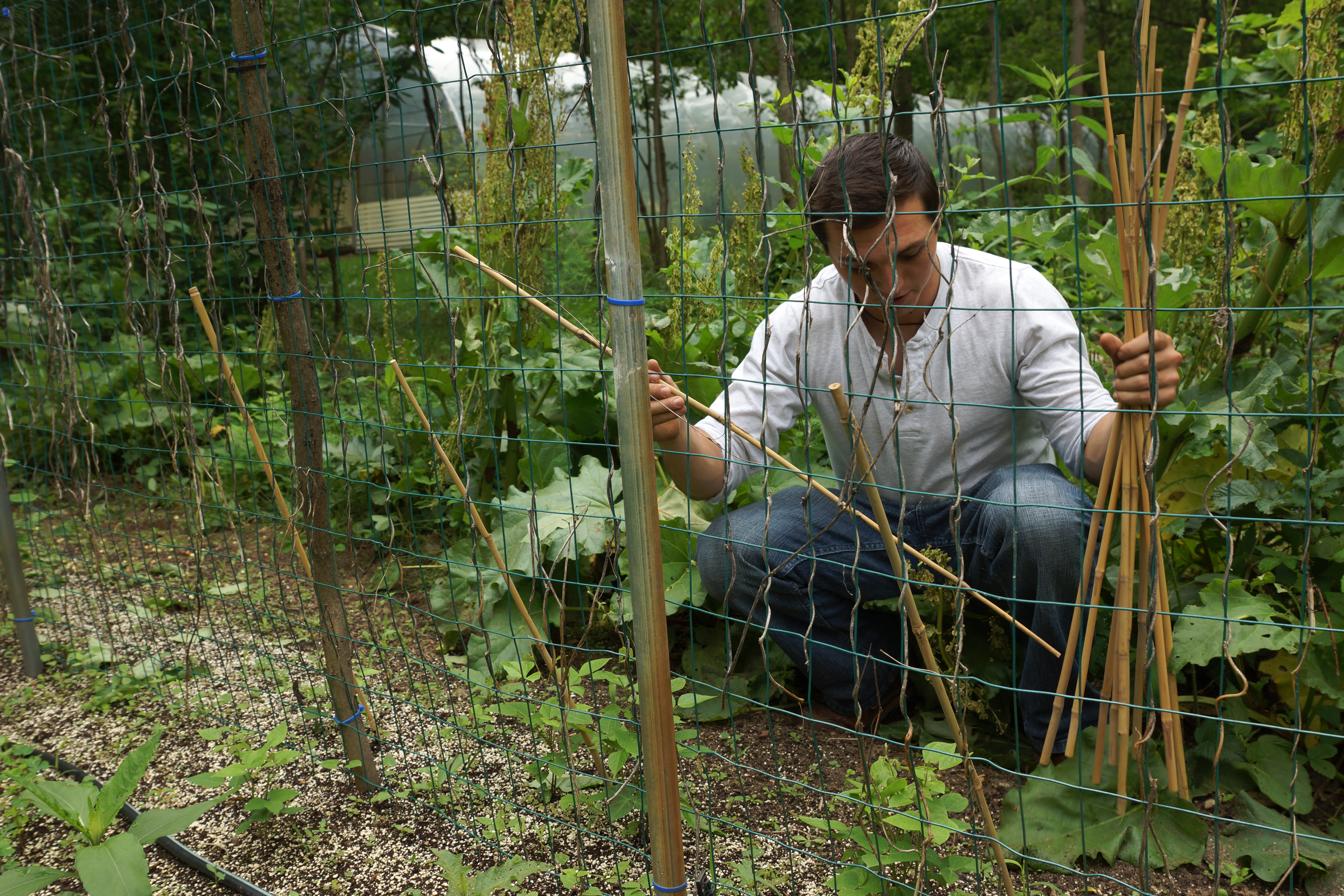
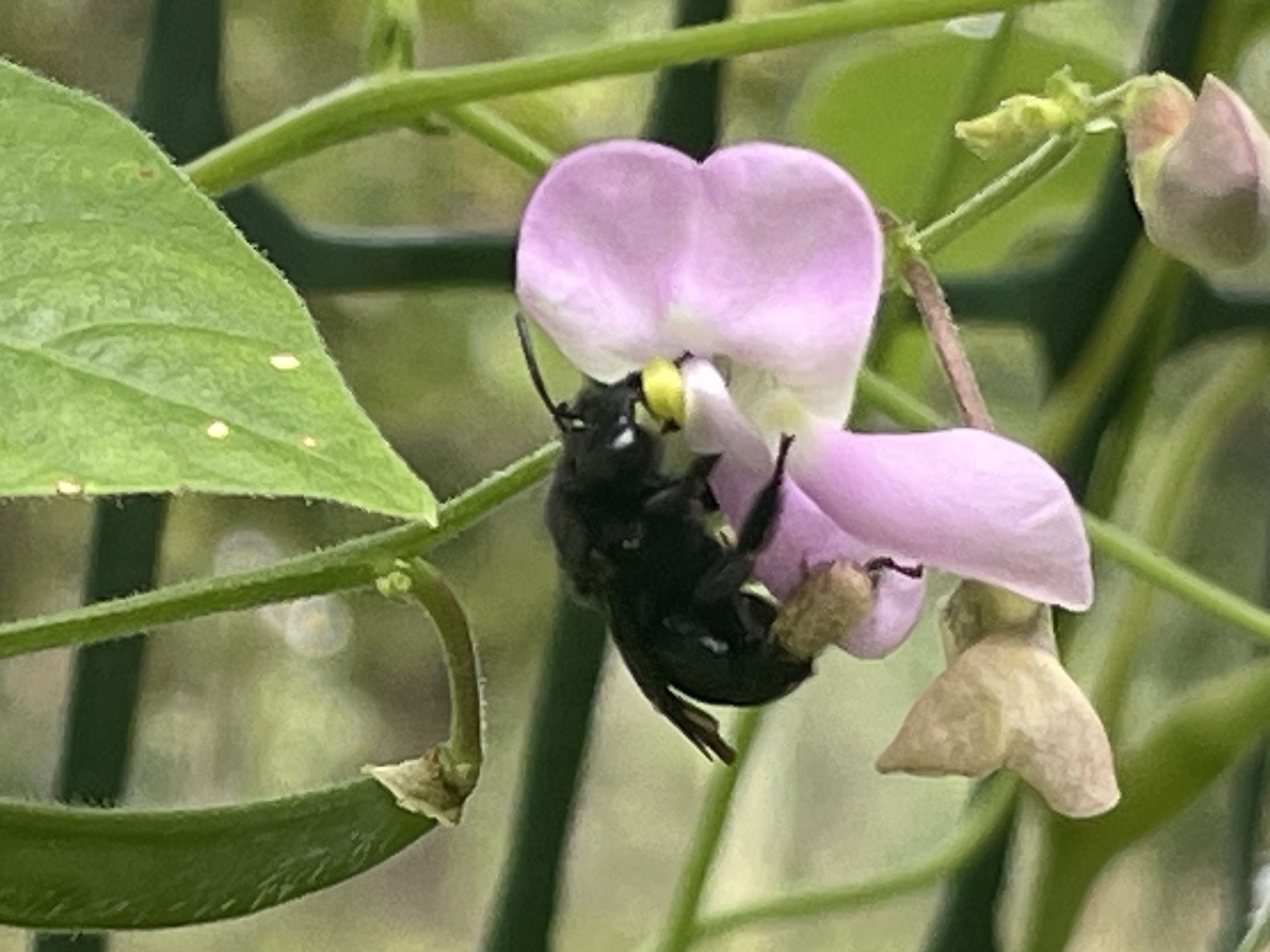
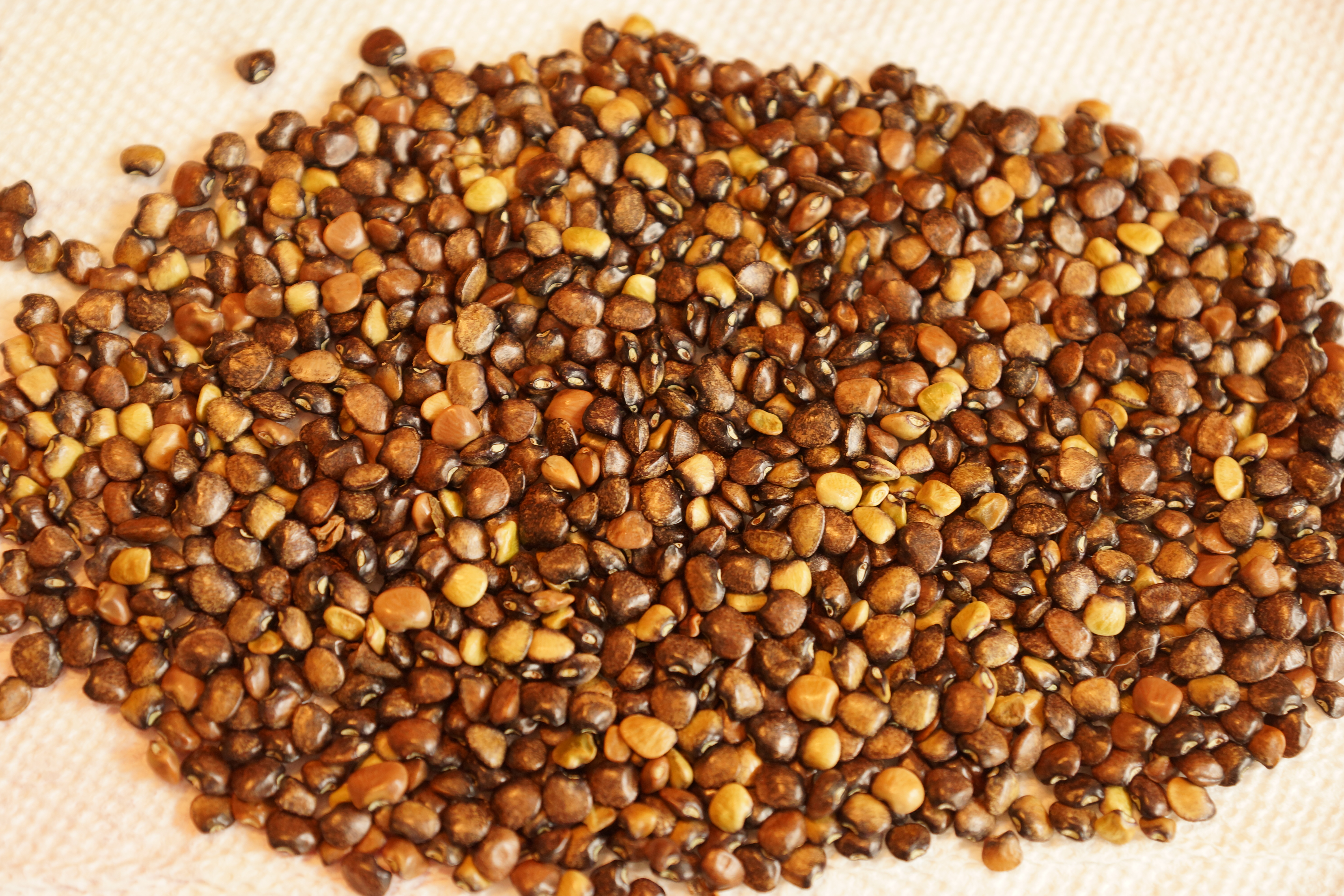
Before beans were cultivated, early native Americans used the perennial thicket bean. It’s range is scattered throughout the midwest and northeastern U.S. It requires tedious collection of the beans because of their shuck splitting tendencies which pitch the beans in an outward trajectory up to 10 ft. away from the parent plant. Early selections were created by the native Americans using non-twisty shucks. When we were growing it, the yields went like this for the first four years on roughly 100 feet of trellis.
2 ounces– 10 ounces–1 lb. 4 ounces –2 lbs. 1 ounce
From this point we lost large parts of the crop due to my management issues as well as selling the roots in my nursery production. We began replanting a few times to keep it going. Each time I soon realized that even an acre of it would barely touch the yields of annual beans. It’s a perennial and potentially can live a decade before failing and breaking down. For the farmer, that is a disadvantage. It’s too hard to manage without a ton of labor. Our yields were improved with the use of innoculants but it is not the Great Northern White annual beans where you measure it in terms of tons per acre. It is pounds per acre. My guess is if you grew it and passed the 50 lb per acre mark you would be in the same class as the 200 bushel per acre soybean level. The U.S.D.A. should put a bronze statue of you in the field where it happened. By the way everyone looks good in bronze. If you were to sell it as food, then I estimated the cost around 4-500 dollars per pound to make that happen. It is not practical. Since it is a bean and beans are a wonderful inexpensive source of protein, you are now only catering to wealthy people who can afford your expensive beans. That is not farming. If you try to get a government grant for the equipment, etc.because it’s native or some experimental crop for research purposes then that too is not farming. My neighbor who is a fruit farmer likes calling it “farming the government”. To make the thicket bean profitable minus hybridization would be to use it in processed or blended products that benefit from its unique flavor profile and nutrition. These products would then help pay for the trellis system, labor and maintenance of a perennial bean without farming the government or needing someone with deep pockets to finance the whole system.

Let’s face, you need to get paid. You’re no spring chicken anymore. My father use to say that to me to remind me of my limited time left on earth. Showing the urgency of implementing new crop plants to make people healthy and the farmer successful, none of us are spring chickens anymore.
Blended thicket bean products will work. Despite the month long harvest window using hand picked lentil sized beans it could be done profitably. Remember you’re the first person in 9000 years to grow this crop and eat it. That sounds very cool and it is novel. My guess is if those 9000 year old individuals came to life and saw what sort of bean shenanigans you were up to they might find you a little peculiar as a farmer of the land. But they would also see a good idea on creating an easily harvestible crop plant. It’s the protein we all need to survive and thrive and that hasn’t changed over time. It is practical.
Enjoy. Kenneth Asmus

More Edible World to come. It’s a three parter.


You must be logged in to post a comment.