I created a small garden that was once a parking lot for a motor home. The previous owner pushed out the soil to the side and filled in gravel as a base. When I moved into the home, I decided to create a garden in this opening which was wedged between the black oak and sugar maple forest. Rather than move the gravel, I hired an excavating company to move all the soil back to cover the gravel. Most of it was sand. I then planted a thick stand of rye grass. This was the beginning of my secret garden. It was here I began filling it in with some of the odds and ends of my nursery. This location created an area where sunlight was limited. Many trees like the pawpaws and Tripetela magnolias adapted and grew to the light. I had one tree left of the Ansu apricot and it was planted in the most sunlight laden area. For many years it grew straight as a rocket but then suddenly stopped. For one year there was little new growth. What happened?
One day while taking my daily walk in the garden I noticed the tree had moved. It went from straight and upright to a 45 degree angle moving the crown 20 feet away to a new location directly west INTO the prevailing winds. There was no wind or rain the day or night before. It just moved. It leaned all at once to a new location. Upon closer inspection you could see it loosened its roots on the east side of the trunk. This would make it possible for the lean to occur. It was not much. There was no exposed roots or a soil ball like you see when wind blows over a healthy tree like you see under high winds. The tree had moved to a new neighborhood. This one had much more light. The light is obviously a benefit but this angle is also more conducive to fruit production. As any peach grower would tell you these wide angle crotches are the most productive trees where you will have the greatest flower production and fruit set. In the case of the Ansu, it had been loosing flower production with smaller and smaller amounts every year. Last year there was only a few flowers and no fruit set. I did see one fruit two years ago, but that was the total for its life. Now that the tree is in a new location, many new events are taking place within the tree.
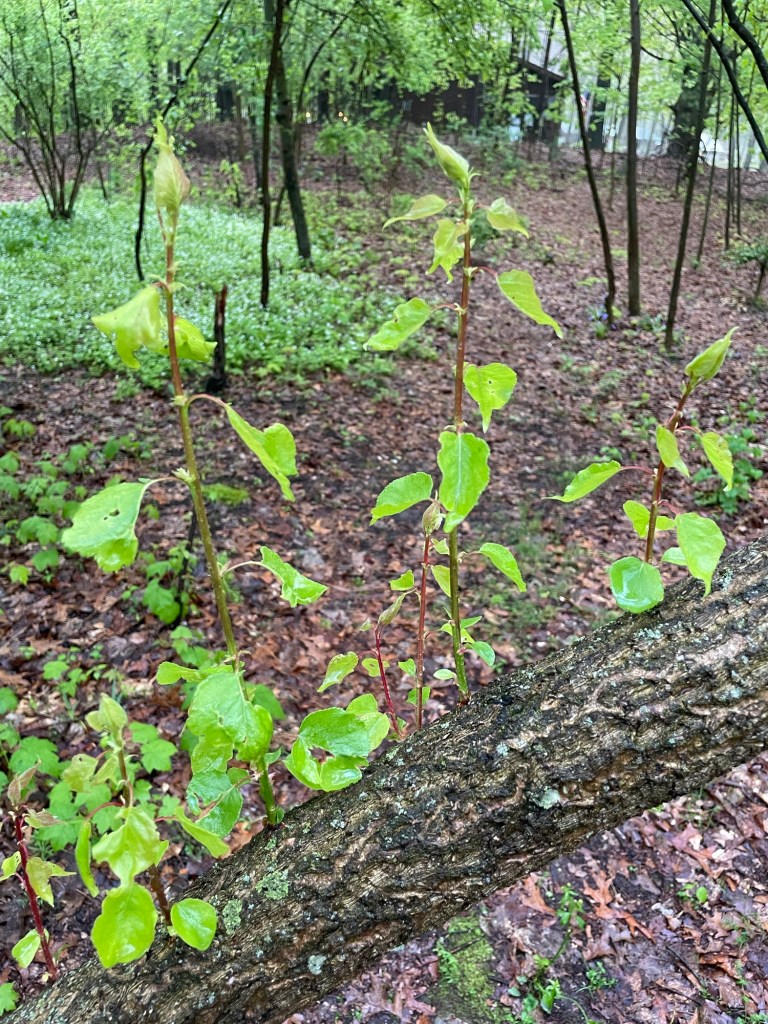
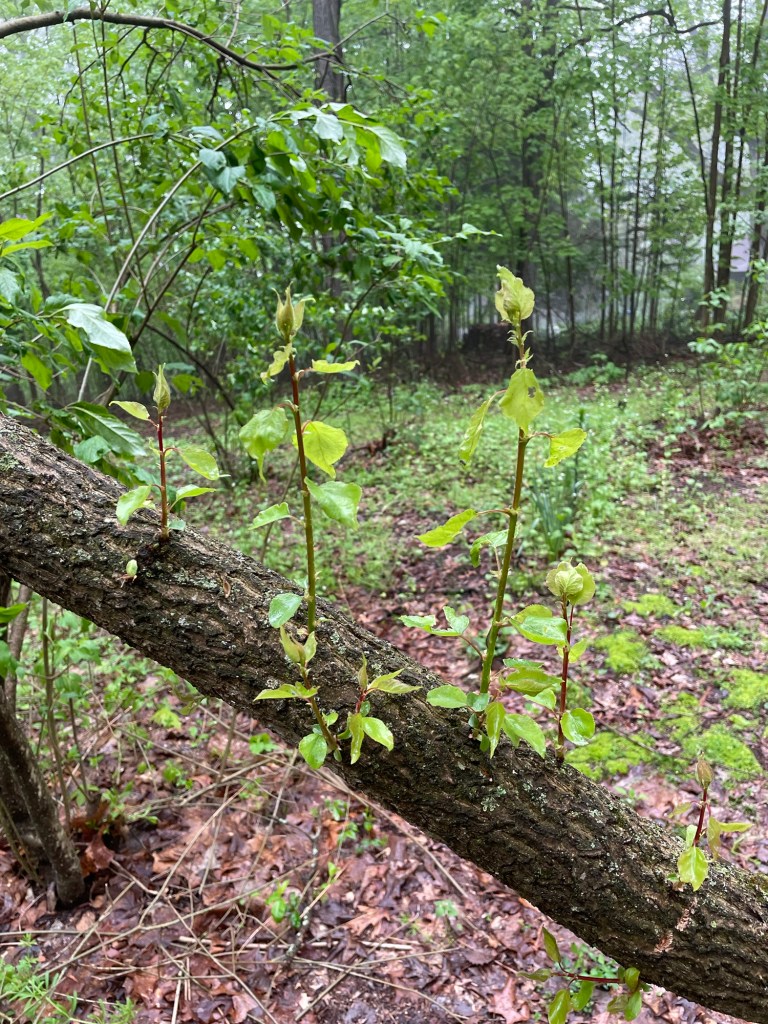
The tree is now putting on a lot of new grow both in the older crown and the trunk. The crown is currently doing a sort of cluster effect of the older branches. The leaves are larger and healthier. The sprouts are occurring on the trunk where a small bend is. It then skips for another eight foot and then more sprouts form on the trunk again. It is growing more than ever all because of its move to the light. As the tree continues to grow, you can see the value of this epicormic sprouting as a means for rejuvenating the trunk and flooding the tree with nutrients which is perfect for fruiting. I will know more about this move and its quantitative effects next year when it flowers. In the meantime, I will witness this miracle of sorts and marvel at the creative order within this plant.
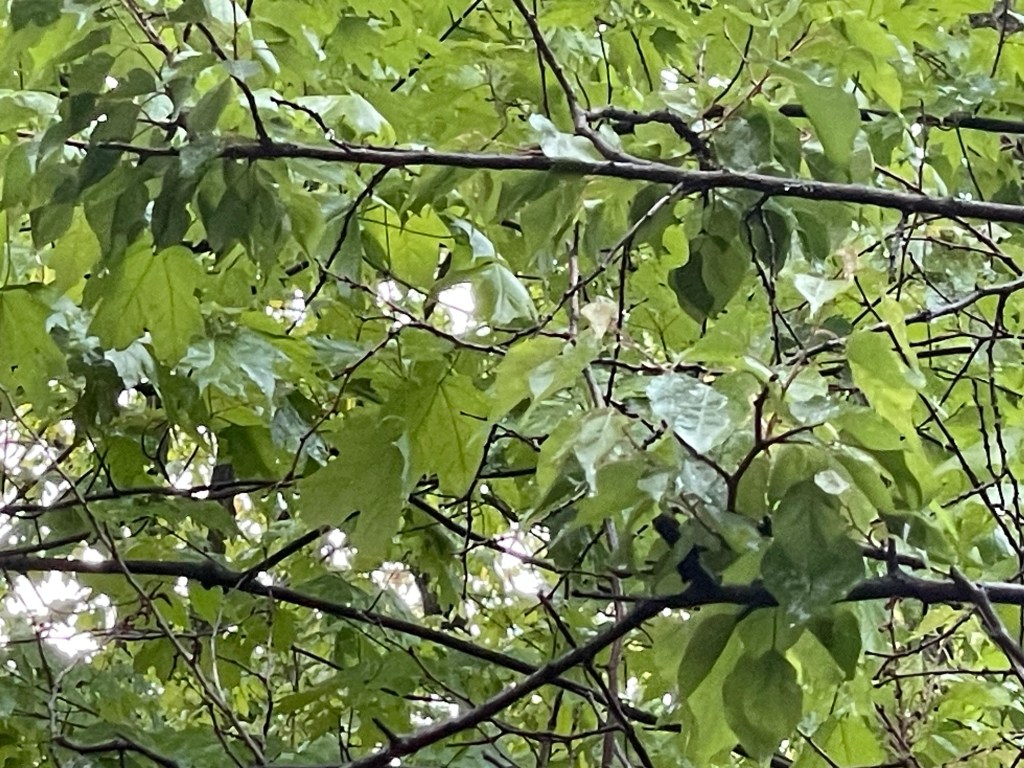
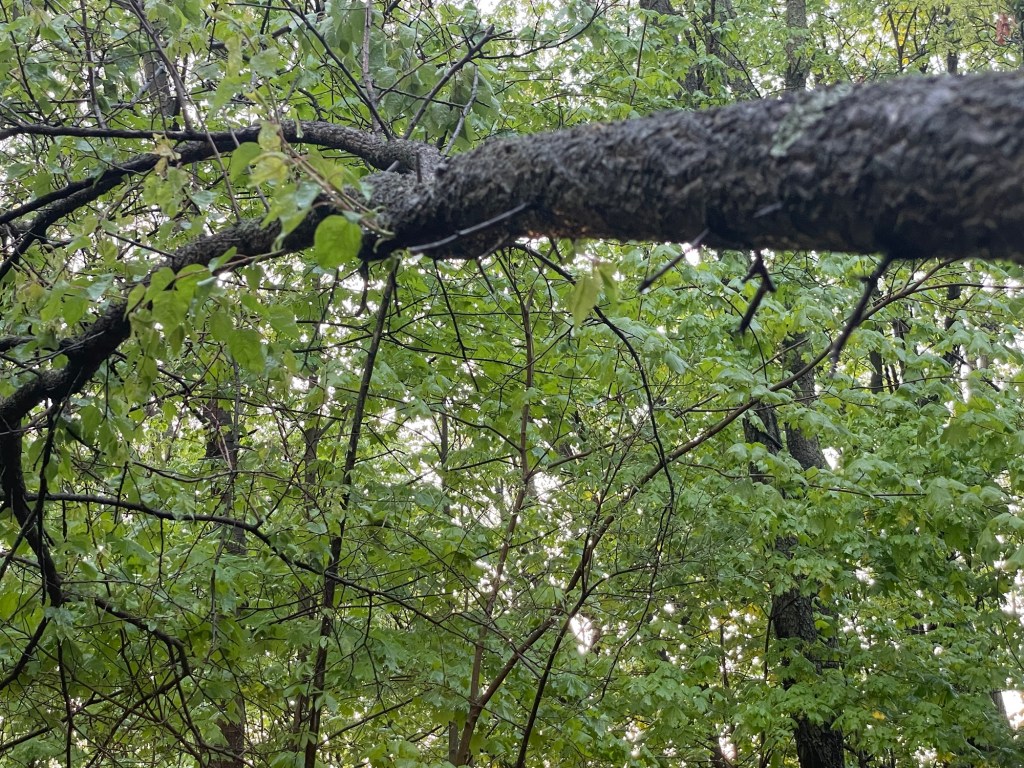
The Japanese Apricot-Ansu Apricot Prunus armeniaca var. ansu
This subspecies of apricot is known as a pink flowering apricot in Japan. I am not too familiar with it other than my cultivation of it from seeds I purchased from a commercial seed company. I don’t see it available today probably due to the Prunus seed ban. One tree I kept at my farm reached five feet tall was packed with lightly pink flowers. It was hammered on by deer two years ago which brought it back to ground level. Last year I mulched it and put a tree mesh net over it to prevent rubbing. I am going to use a rooting method on one of the sprouts to see if I can get two trees near each other to increase fruiting. Hope springs eternal in the world of apricots.


You must be logged in to post a comment.