
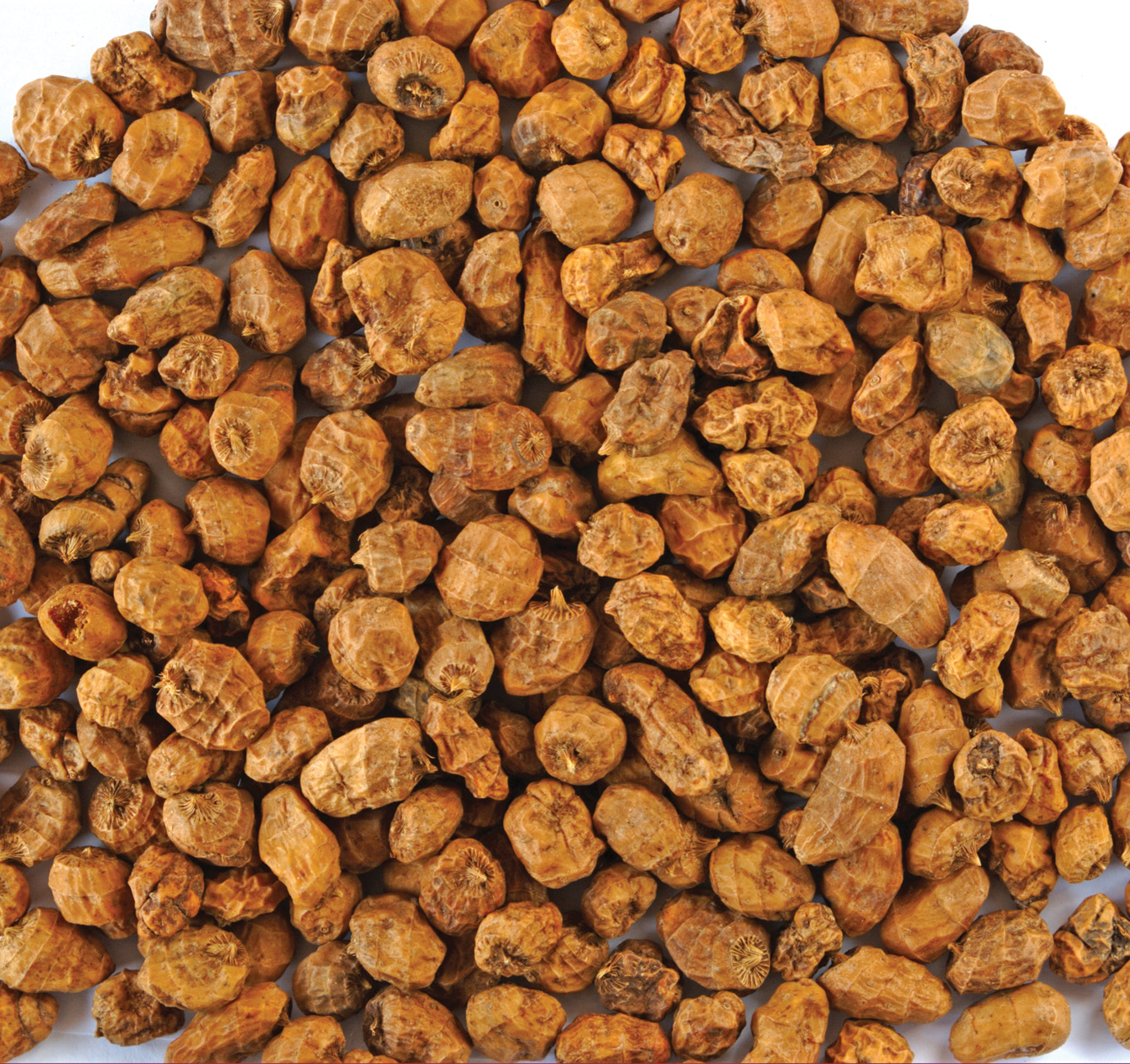
One of the tuber crop plants I had the pleasure of working with was chufa or tiger nut. I first read about this plant from a food website describing the use of the crop and how it is cultvated. You could purchase oil and dried tubers from them. I ordered a pound and found them very delicious. They tasted like minature coconuts. I ate them like a snack food while driving to my farm in the morning. Chufa is used in a beverage called Horchata de Chufa. Chufa’s 25% oil content makes a rich drink. With the addition of cinnamon and sugar it is well knowned drink with many different versions using almonds instead of chufa. Much of the world wide production of chufa is in Spain. This is where the U.S. imports them from.
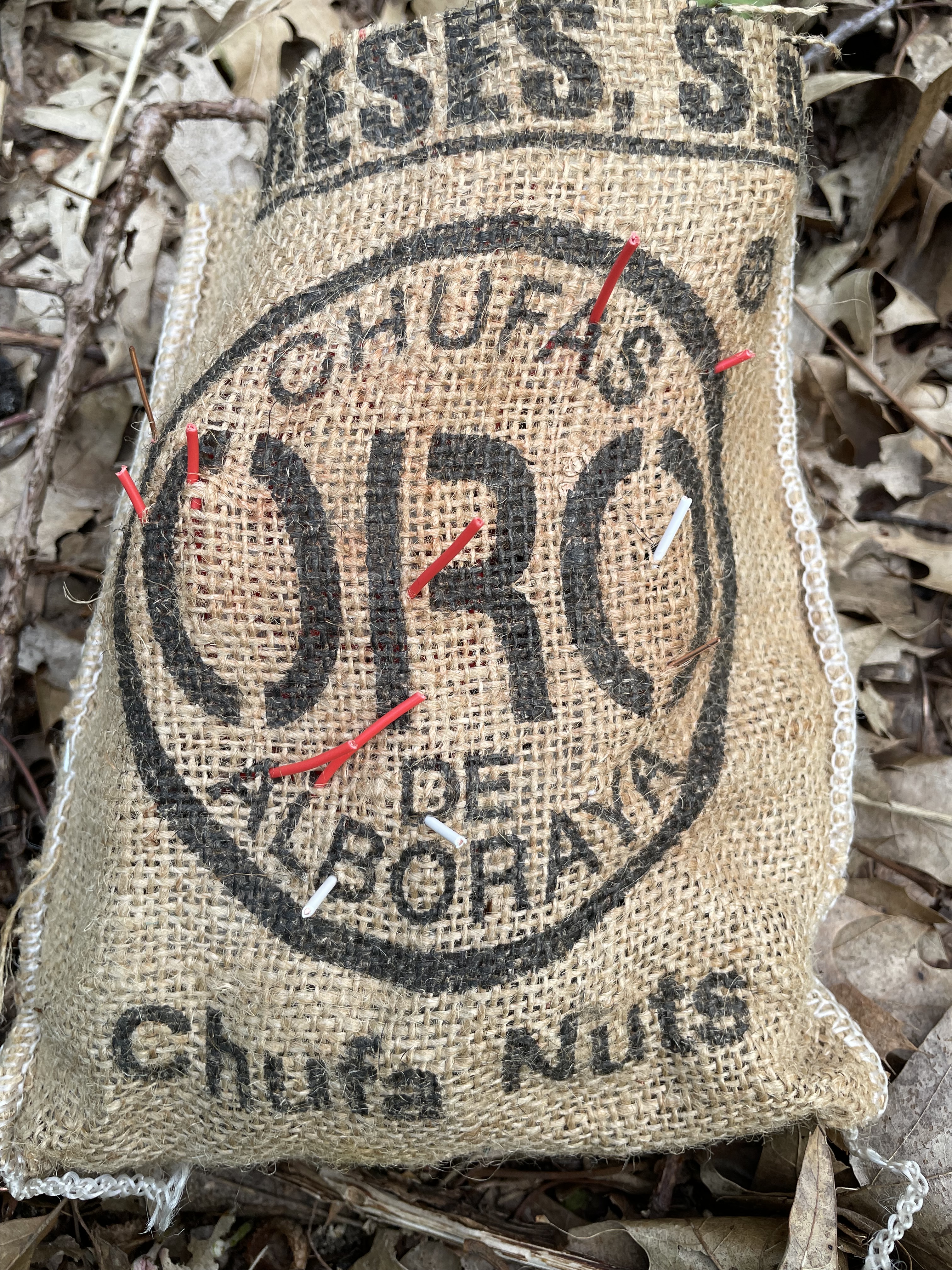
As a secondary use they are also put in turkey and duck seed mixes for planting for wildlife use. The smallest tubers are used for this purpose. It is the same sub-species as the chufa only graded for this purpose. The plant does not produce seed like normal perennial sedges so it is difficult to breed and is only grown from tubers. There are no true seeds available. So the diversity you see today is all clonal. Instead they are listed by their geographic location of where you might buy them. Each country has its own selections. Africa has a lot of them. None of them are cold hardy or perennial. It is treated as an annual crop.

I was not aware of anyone growing it in the U.S. at the time but I did find one seed company, J.L. Hudson, Seedsman that offered them for sale for planting. I knew this was a tropical grass and might have some problems ripening in Michigan. The first plantings were done outdoors on a warm sunny hillside under irrigation. The plants grew wonderfully up to three foot tall but when harvest came, it became abundantly clear that every small mammal within olfactory range completely eliminated the crop to the point, there was just enough to replant. It was weird because when I went to dig them, they came out like pancakes with few roots and none of the delicious tubers. They shredded the roots. Only near the densest part of the root near the root collar were some tubers they could not get to. In a fresh state, the tubers were even more delicious than the dried packaged ones I purchased from the Spanish food store. I did notice the turkeys found them too.

From this experience, I doubled down and began growing them in poly bags in my greenhouse. This allowed me to extend the season by 45 days and control the mice and voles to a greater degree. Like a vole magnet they found them there too.The length of time needed to finish the crop was an issue even in the polyhouse. It was from here I moved some of the planting outside and began to measure tuber size and length of time to finish the crop and the real life yield of the plants. This explained why previous attempts to commercialize the crop was done in the southern U.S. You need heat units big time. They were not the most productive tuber crop I grew. I spent over 15 years growing them off and on. I didn’t sell them because it seemed too pie in the sky even with my pie in the sky attitude about many edible plants. However, one year we did package up a few of the shorter season selections.

I finally did manage to squeak out a couple of forms from the original J.L. Hudson Seedsman company as well as others. I was at a point of giving up until I visited a Detroit permaculture group with a few clumps of my chufa grass with tubers attached. I washed them thoroughly and removed all the stones. People kept eating them and saying over and over how delicious they were. Gosh darn it, people love the miniature coconut tubers. Inspired by the delicious fresh tubers, I continued my chufa quest and grew more of them only to be nailed by the ever present rodent populations. The island of chufas I was creating was a huge magnet. If I were to do it again, I would build a screened house including screeening underneath the plants. The poly grow bags was a good method for them. They grow shallow in the soil and come out with the roots intact.
Not A Nutsedge
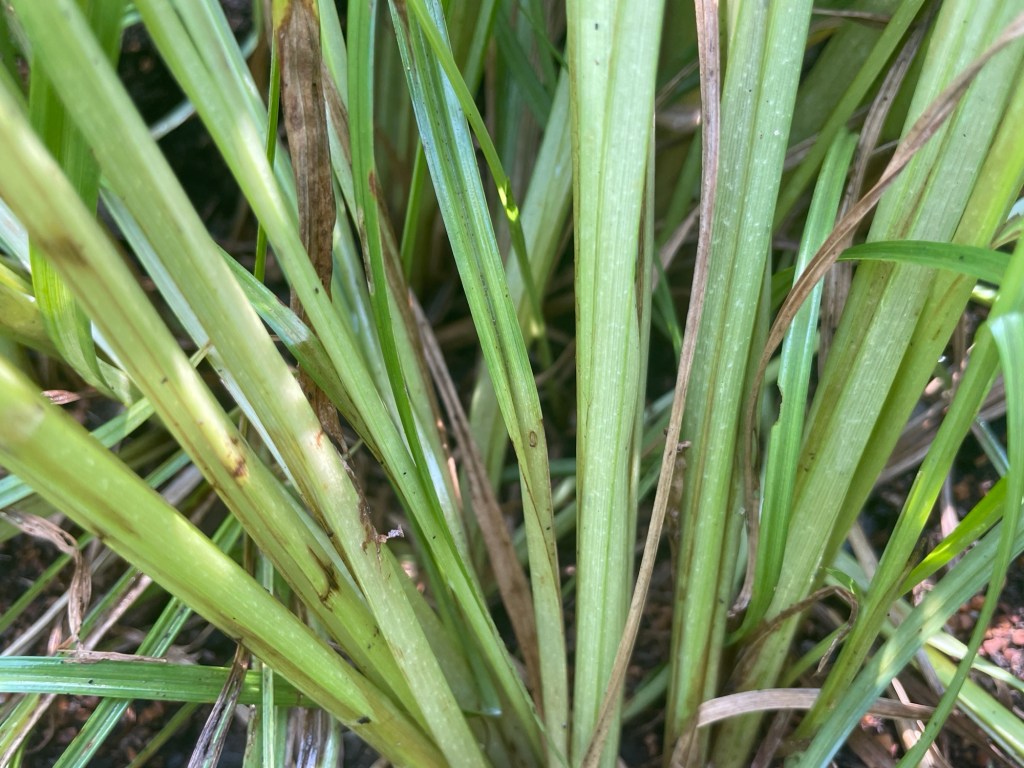
This chufa is a tropical annual grass which does not flower, produce seed or is winter hardy in Michigan whether the soils freezes or not. At this time the taxonomy has it as a subspecies called ‘sativa’ but some scientists want to classify as a separate species. It is not a serious weed or any weed of any magnitude and cannot spread on its own. The mis-information on chufa as a weed lies within its confusion with yellow nutsedge. The images and information on line are frequently copied by writers who have never grown chufa and likely have never seen the plant in real life. The flower images are way off the charts wrong. Sedges in particularly hard to identify but chufa is very distinct. Today everyone is a botanical expert. Since the introduction of chufa, there are no satellite populations floating around somewhere in Michigan. However, there are likely wild chufa or native chufa here in the United States that the native Americans had also found and made selections from. I am sure they are also likely annual seedless types heavy in tuber producton. This type of selection process is common with such a high calorie and delicious food plant that can easily grow on river plains exactly the same way they are found on the Nile long ago. It would be a tragedy to loose that germplasm through misidentification. Cyperus esculentus, odoratus, rotundus,squarrosus are a few species used by the native Americans as a food source according to Moerman, Native American Ethnobotany. Many species remain unidentified even today.
For a while, there were a few laws put in place which led to the removal of the chufa from the store shelves and on line sales in some states in the wildlife sector. People are unjustifiably paranoid about chufa. Chufa is not nutsedge in the way the herbicide companies advertise it. However, it is listed as the same species and that is the source of the confusion. This leads us directly on the path of good intentions which then becomes the path to hell in terms of crop biodiversity. In this regulatory process it eliminates a great crop plant by spreading false information. The wildlife industry followed the regulation to a certain extent but when I checked, it wasn’t enforced as I still found it for sale locally during this time. It is possible this is still an issue in some states for those still going down the path of good intentions.
I had read with interest several growers who were actively trying to grow the plant here in the southeastern United States again. Besides getting the right selections, drying, storing and selling, it was not an easy row to hoe. I would put it in the category of trying to grow AND sell daffodil bulbs. I knew a flower farmer that tried that for a while. The pricing is built on the help of the countries that produce the crop in bulk and then ship it elsewhere. This cozy relationship makes it very difficult to compete with other countries. This sounds familiar doesn’t it. I still think it could be a locally produced tuber and grown is sandy stone free soils. It would similar to the production of lavender oil. You could combine it with other tuber crops like ginger and tumeric and grow it polyhouses.
Gardening With the Chufa
Minus the rodents and turkeys it is an easy plant to cultivate. It grows in the worst soils with minimal organic matter. It seems to tolerate drought well but regular irrigation improved yields. I enjoyed growing it and sharing it with others. It is getting a second life from my early ripening selections. To me chufa cultivation is my ‘path to heavenly enlightenment’ thinking in terms of its acceptance by the public and widespread use by the gardening public. It is much better than the path of good intentions. There does come a point that makes you wonder what sort of potential it has as an oil producing crop plant on a larger scale. I think in this new age of climate challenges, chufa will make us think of its cultivation in Spain, how it grows in the arid climates of the world, its calorie per acre yield and health benefits to humans around the world. A grass species producing tubers sounds enlightening. Can we bring that back into the United States as a healthy food crop beyond the wildlife sector? It would take growers, processors and a commitment to make it happen in the face of negativity and those who down play the crop as a weed.
The Nutsedge Returns
In one of the parts of my farm, I have a small colony of nutsedge. It is the perennial species that is the poster plant that sells herbicides for corn and soybean fields. It produces long rhizomes in all directions and is quite a powerful plant. My colony is on one of the sites I never tilled. When I decided to investigate, I found only one tuber on the rhizomes after ten minutes of digging. It is not a very productive plant tuber wise but it has a large numbers of rhizomes. It could be possible to take what is considered the worst weed in the history of mankind and hybridize it with the greatest tuber chufa and make it a savior by selecting it for heavy yields and ease of cultivation. But like all saviors would anyone recognize the value of it or would it just be another weed and shunned for generations. The chufa was that weedy nutsedge at some point in time with fertile seed heads. It is a crop plant that was cultivated 4000 years ago. It originated in Egypt as a source of food on the flood plains of the Nile. I am sure it flowered and had great diversity of progeny too. Today those varieties are scattered around the world as a common food plant. It is possible that the forms in East India or West Africa could provide us with a new view of this crop today. If you could find the wild chufa in the United States we would be drinking gallons of horchata.
But for now, it is the miniature coconut tuber that grows on a sterile grass found in Spain introduced by the Moors in the 11th century. Thats a good start.

Many good ideas start here. Knowledge. Education. Action. Dispersal.
Enjoy,
Kenneth Asmus


You must be logged in to post a comment.