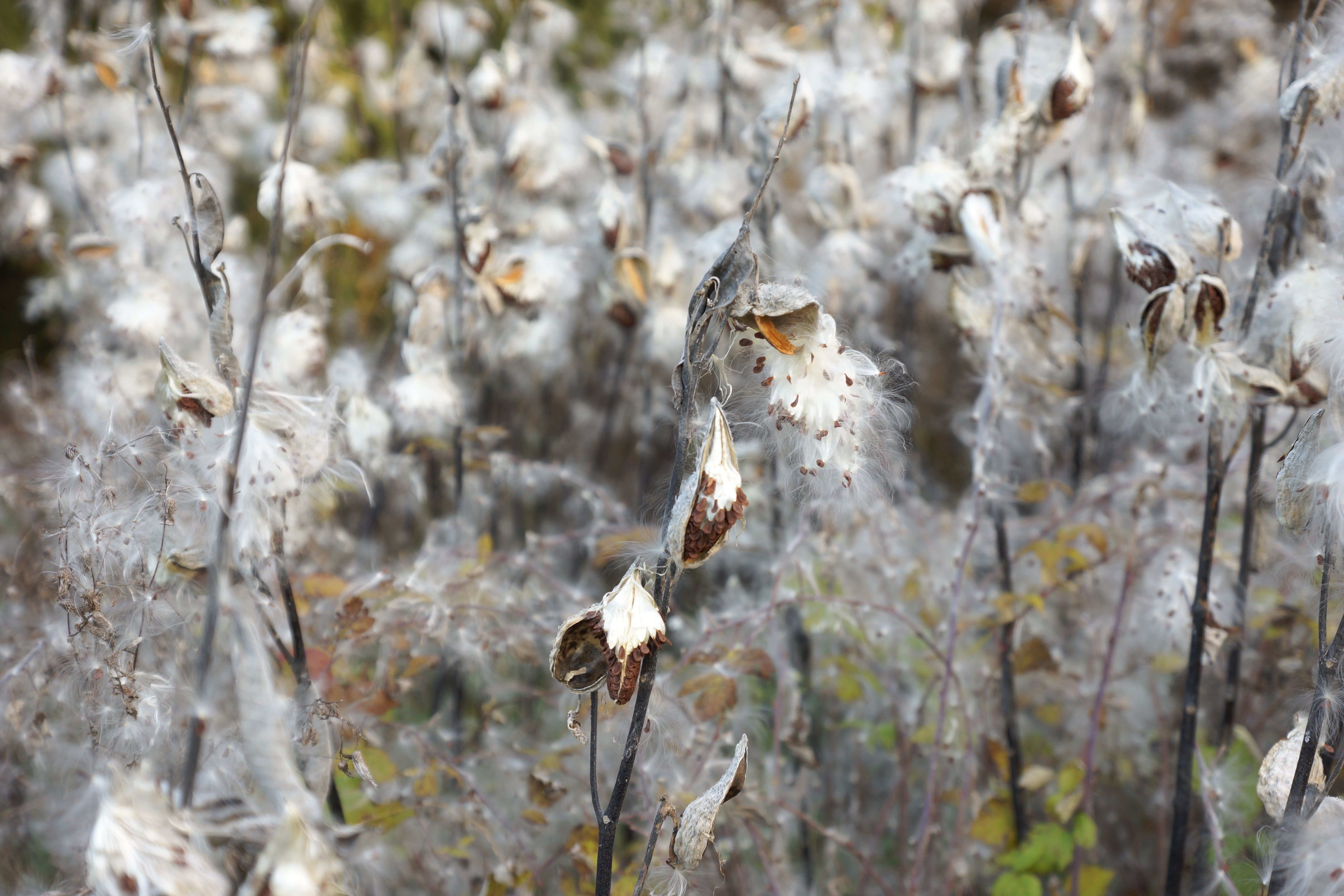
Some of the plants I grew at my farm were the ‘lost in translation’ in the edible world. After growing and fruiting many of them I was not sure how anyone consumed them in some way. The flavors were masked by bitterness, astrigency and tartness. Processing can change this whether its eliminating the bitter alkaloids or removing any number of damaging compounds. This goes for more famous perennial vegetables like pokeweed as well as the milkweed. As someone selling the plants, I was keen on making sure that the most potentially damaging or those with suspected ill effects were not grown because of liability issues. Plus not everyone follows directions in processing too. Flavor is another aspect where the art of processing has been lost with time. I have listed a few of these here only because they often skipped over in terms of actual edibility. Some nurseries and seed companies paint a very rosey picture of the flavor impossible plants yet leave no suggestions on how to use them to any degree.
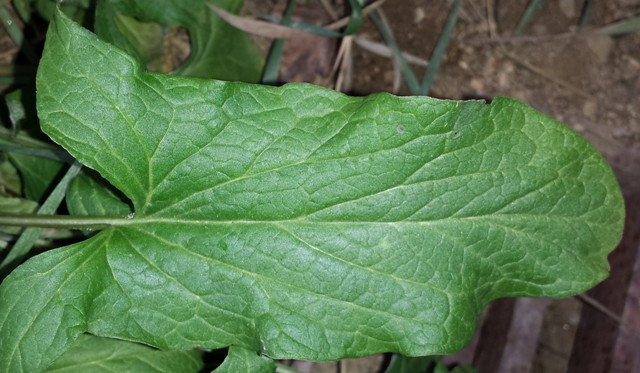
Good King Henry was an easy plant to grow. It was vigorous and produced large amounts of foliage. The name ‘poor man’s asparagus’ hints at its use as a perennial green vegetable. The flavor was off the charts bitter in its raw state no matter what time of year I harvested it. Unfortunately I never had the chance to cook and eat it because the plants were not adapted to my location and died out after flowering. The experiment ended at that point because I couldn’t produce my own seed. It had to be imported. Like many Chenopodium I grew, like lambsquarters, it only takes a brief boiling and decanting the water to remove it. However, my experience was there was a couple of lambsquarter species with different types of foliage that boiling had to be vigorous and done several times. This was likely the case for Good King Henry. He was a good King but he ruled over bitterness and he wasn’t about to give up his throne easily.

The Mexican plum is one of the few plums impossible to consume fresh off the tree. The highly astringent plums make your mouth completely numb and dry like a desert. Like an unripe persimmon, there is no way to finish the fruit before it is ejected with great velocity from your mouth. I am sure with enough sugar and processing you could make a jam from it. Maybe. I still have a few plants and I am hoping to move them this fall to better locations. It is an extremely drought tolerant species and has a tough time in Michigan to establish for very long. I can imagine in the southwestern U.S. the astringency may be less pronounced in very hot and sunny climates so maybe that is the key. It many ways this species is similar to the American plum and is likely a close relative. I tried two different seed sources and found the plants easy to grow but short lived. The fruit was high in astringency and there was no way to remove it naturally. I tried a similar experiment with Malus coronaria once and there is not enough sugar in the world to turn the corner of the Mexican plum into actual food. The ability to use this fruit likely has been lost with time.
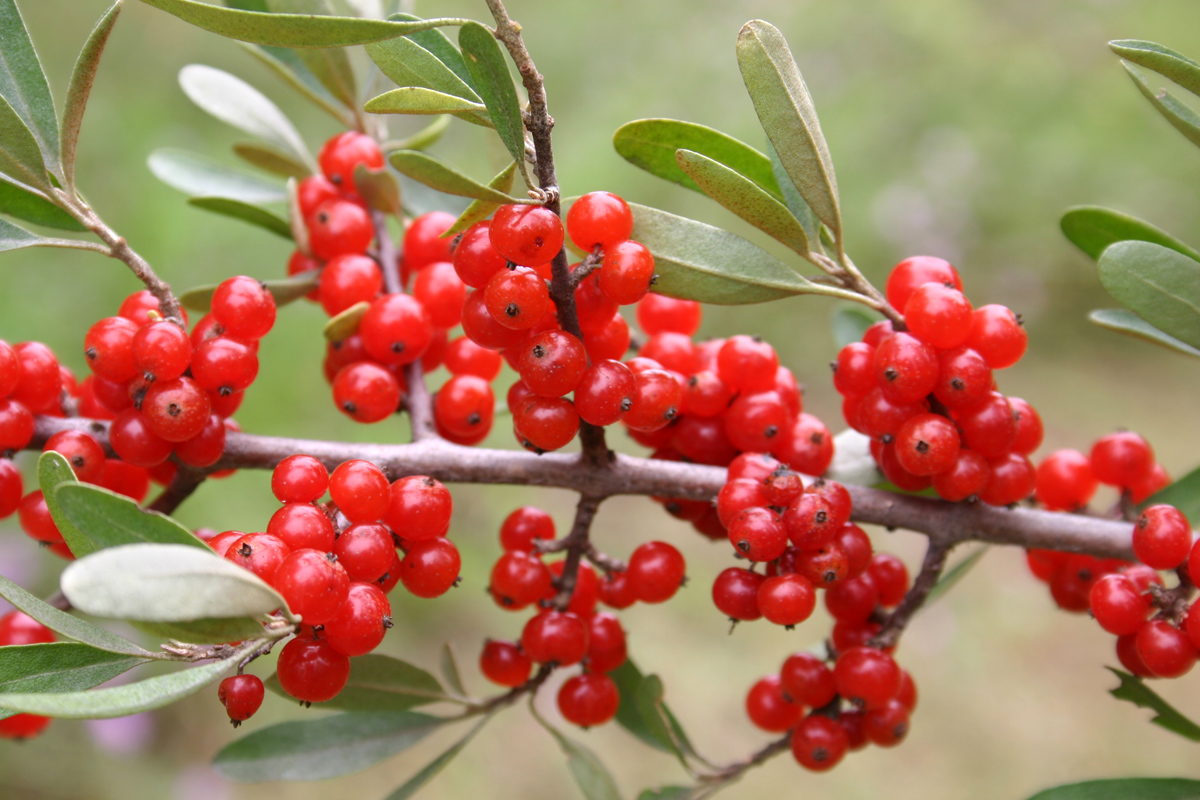
The buffaloberry is one of those forgotten indigenous North American shrub heroes of the nitrogen fixing realm. The plants produce a extremely tart berry with a ph of 2 to 3. You will ask yourself what is happening to your mouth as you chew the fresh berries along with the seeds into a acrid soapy paste. It is like a hot sauce moment as it takes a while to register. It is high in phenolic compounds which hints at its potential health benefits for the prevention of cancer. The soapiness to me says saponins. In moderation, that is a healthy compound but makes it impossible to eat fresh off the bush. This species will likely be used and grown like seaberry. The plants were short lived in southern Michigan but did make it to fruiting several times. I used both western Idaho seed sources and seed selections from the U.S.D.A called Sakajawea. I was able to fruit them but made no attempt to produce jelly because the plants were so low yielding. I had to save the seeds for future propagation.
Sugar may hold the key. The one thing I noticed was that these dryland species like this and the native desert Wolfberry (Lycium) was that they could grow here but inevitably they crashed and burned due to the high humidity and cool weather. It just was not meant to be. For a while I noticed people planting these as some sort of autumn olive substitute. The 50-50 mix of male and female plants is one issue. The climate and soils was another. People assumed it was native therefore it is adapted. This was a very gross over exaggeration for this species.

Buffalogourd is poisonous. Everyone knows that but some like to think it could be eaten if used or processed a certain way. It is high in alkaloids beyond belief they say. You will die they say. The alkaloids are the real kicker here and just a teeny taste fills your mouth with an acrid bitter flavor. That is a bad sign usually. The smell of the leaves are very repulsive. When I weeded around them it was hard to tolerate. I once put my tongue on the freshly cut surface of the fruit only to realize the taste sensation of pumpkin I was expecting was nowhere near where I was heading. I spent the next five minutes trying to wash the flavor out of my mouth with repeated water rinses. Later after processing and drying the seeds for sale, I had the thought to eat the seeds. The seeds were concentrated bitter too. But maybe in the background there was a slight hint of pumpkin seed. This highlights a larger problem besides my blind ignorance of taste testing everything. People read the cultural use of plants not realizing that there were procedures in place to harness that wild plant in some way and to make it safe and better tasting. It could also be a medicinal plant where a small amount is needed to cure a problem. The dose is much smaller than a meal from it. Many of these techniques were lost in time. You can’t back breed, hybridize, or select plants suitable for eating until you know this process and the culture around it. With scientific data in tow, you need to know how that translates to a healthy food creating a direction to follow.
Buffalogourd was found in Michigan once not too far from my farm. It is thought the gourds were used ceremoniously as rattles. I kept one of the gourds in my barn for a decade or more as a source of inspiration. I really liked the perennial nature of this plant. In Michigan, it lasted around a decade before disappearing entirely. I was sad to see it go and kept checking for sprouts. The roots were damaged periodically by winter and new sprouts would continue the plant on the fragments of roots. I used a cellulose mat in the area to give it room. It fruited only once in ten years time and I received two fruits.
The buffalogourd is a complex hybrid mixture of many grourds found in environments where being perennial helps in its survival in hot and dry climates. This durability and tenacity does have a place in the edible world. The question is how do we build that bridge from barely edible to delicious and desirable beyond belief.
Enjoy. Kenneth Asmus


You must be logged in to post a comment.