Diversity Found: Dandelion

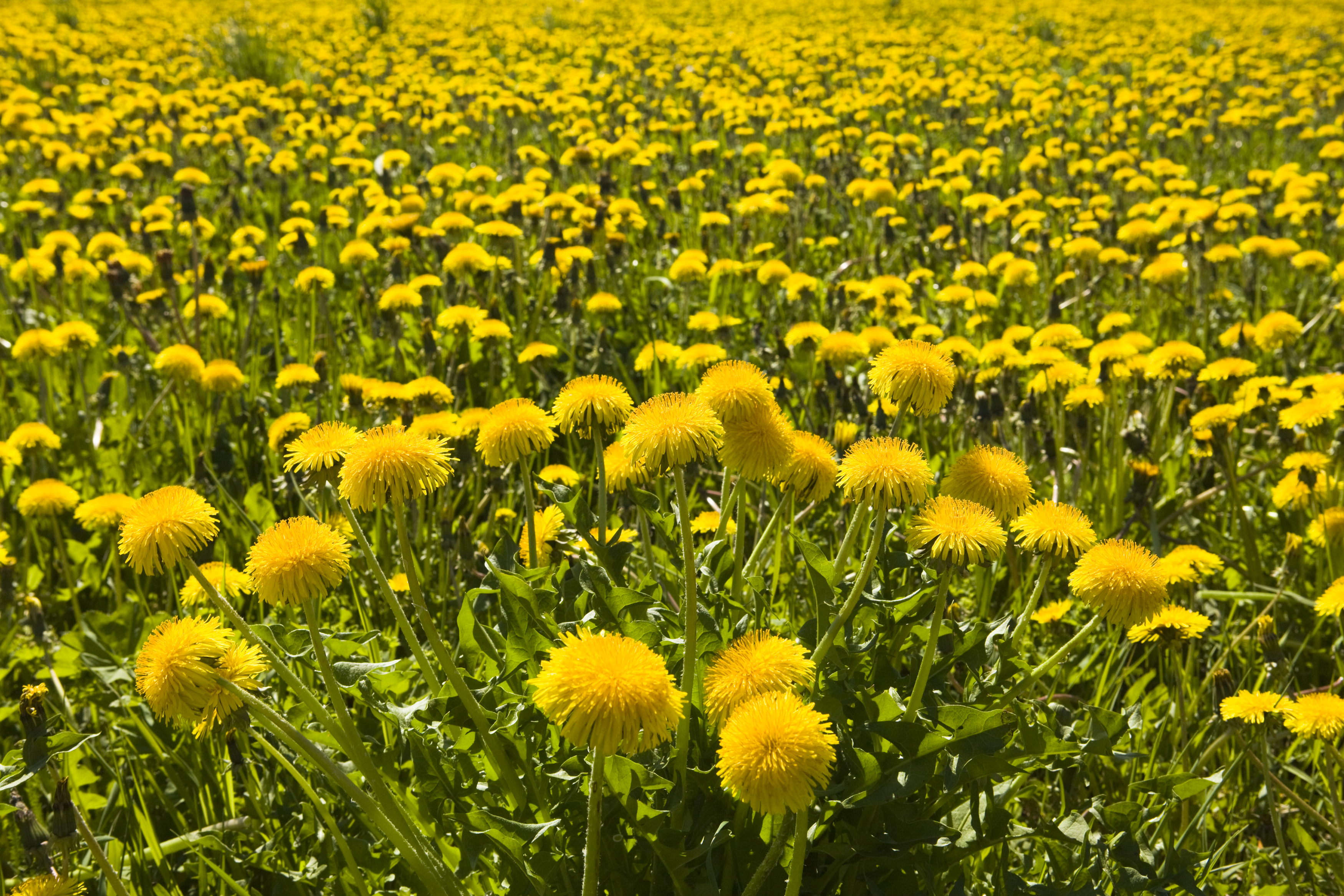
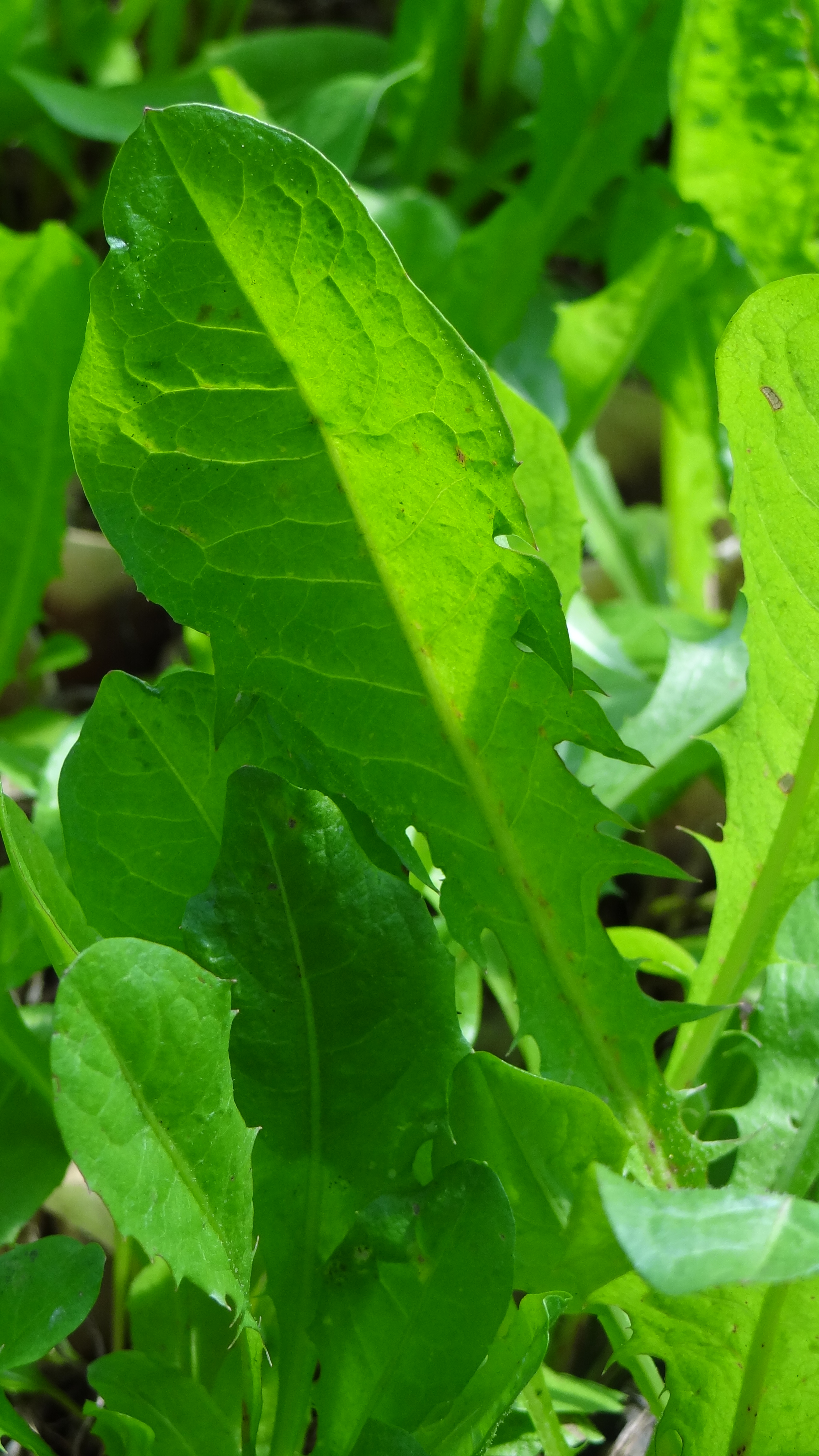
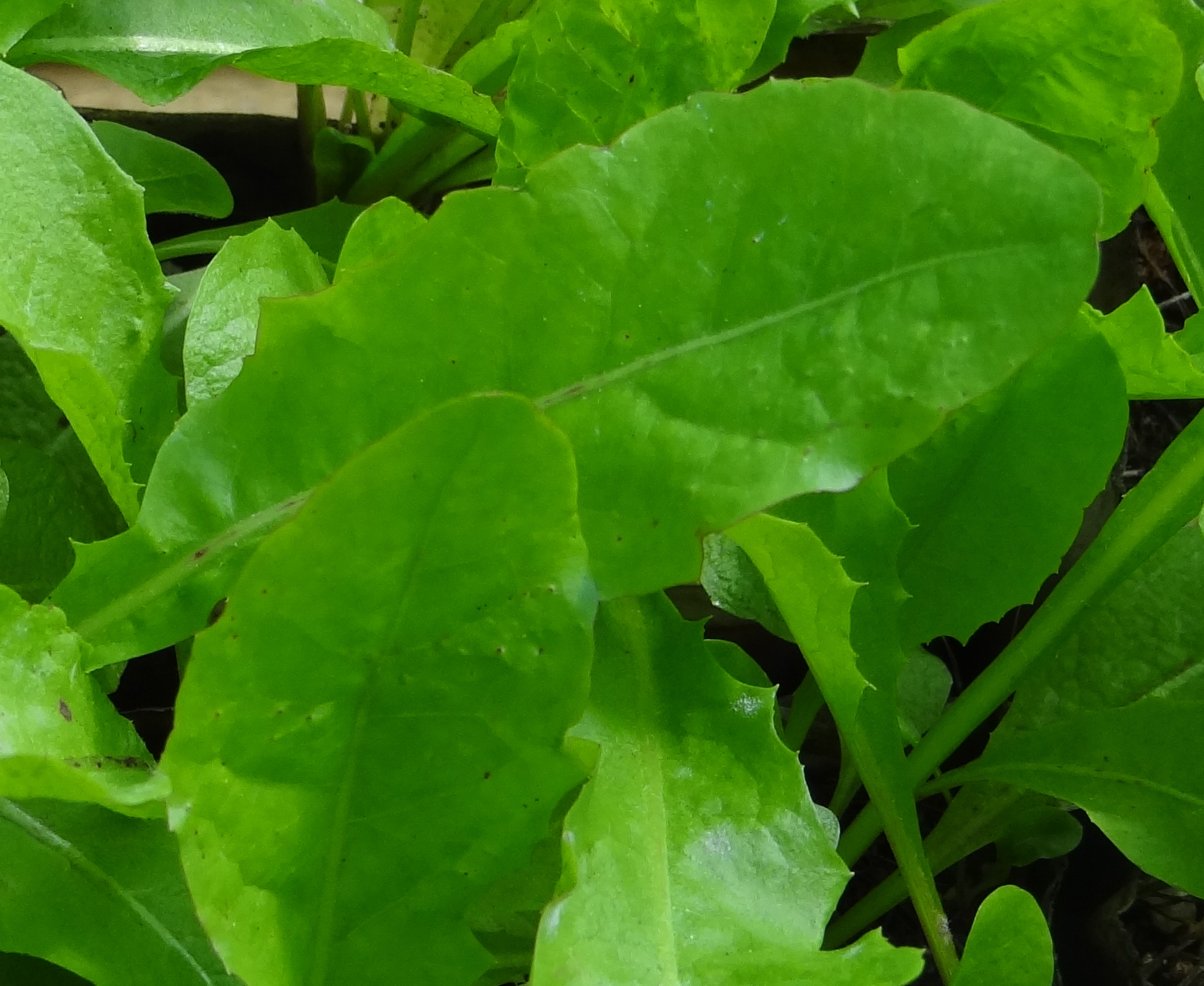
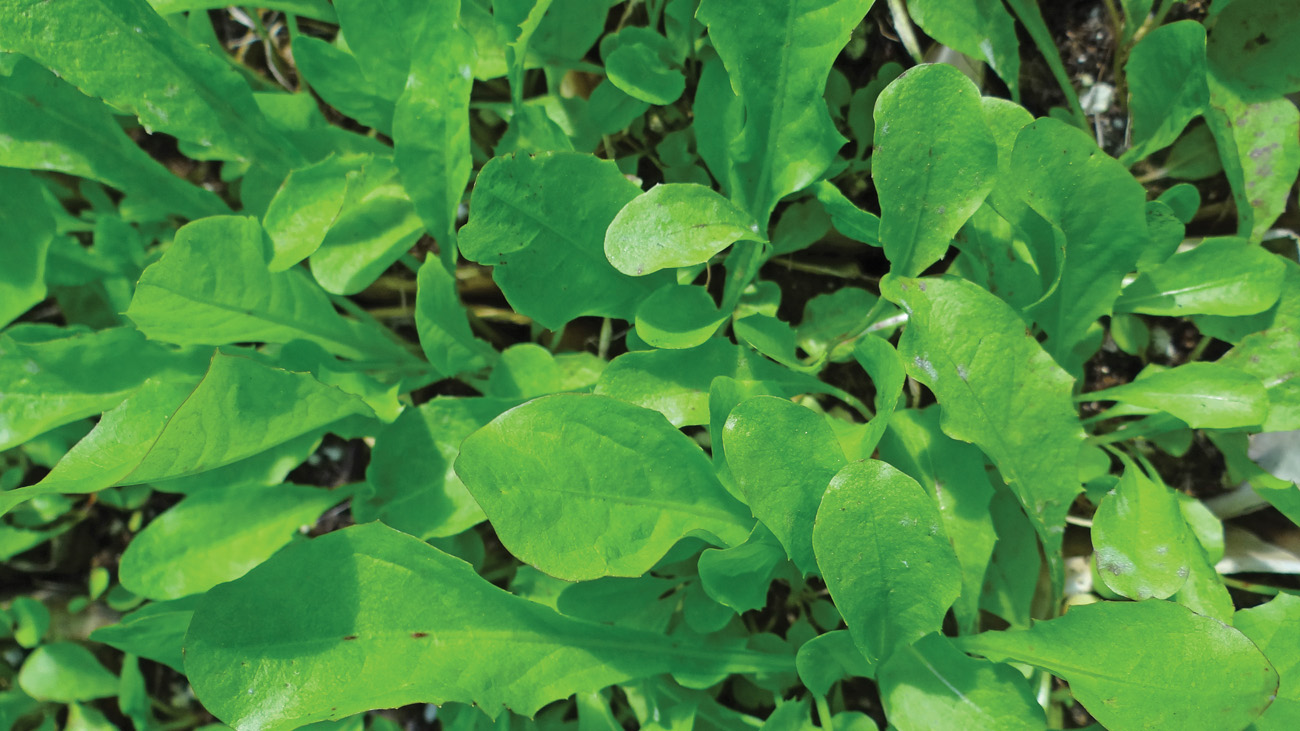
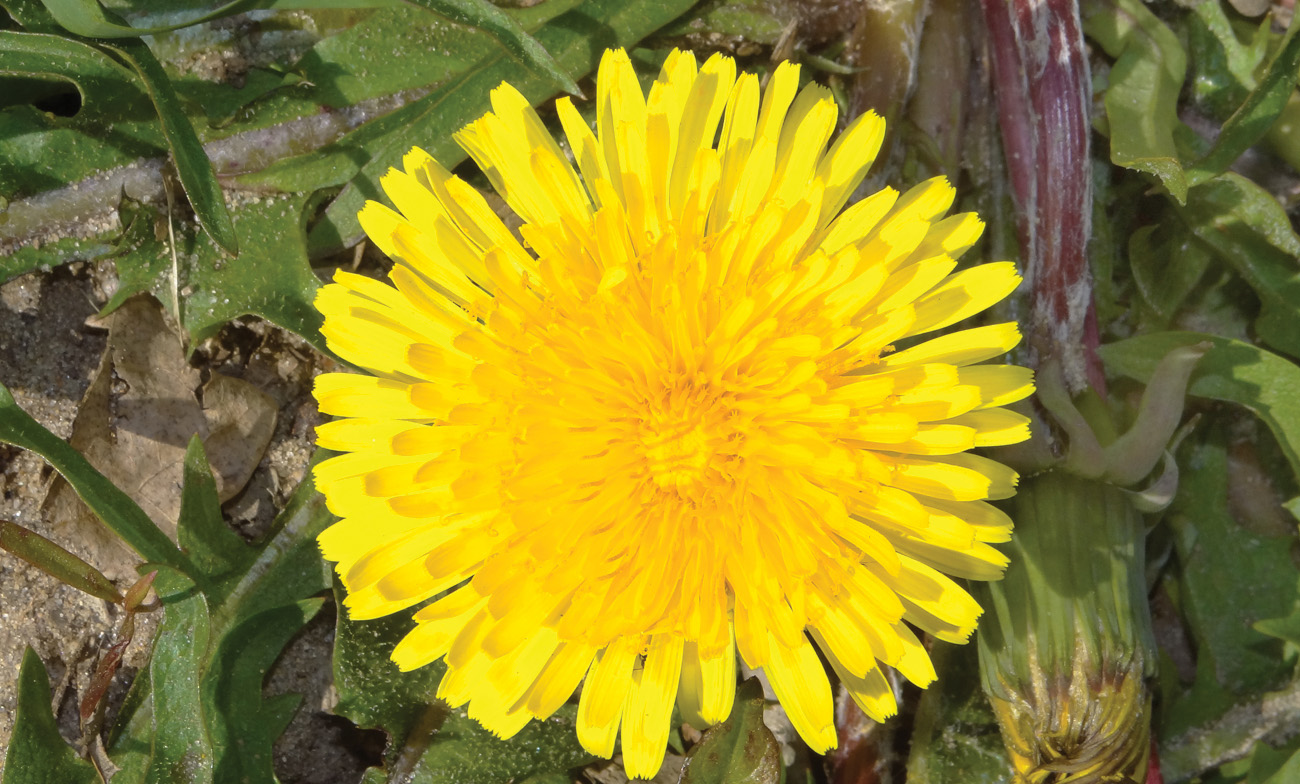
I had this collection of dandelion varieties for a while. These were selections bred for human consumption for the foliage as a super nutritious perennial green. I kept the collection secret. My employees noticed when they started to flower and release their seeds in the greenhouse. There they spread on the weed mat wiggling their way past the best of weed barriers into the ground below and flowering like all of life was one glorious exaltation filled with immense possibilities. I love you dandelion. Yet here was the poster child of the herbicide isle in Lowes plastered all across some of the most toxic substances on earth. My frequent visits to fix or find something for my farm always surprised me. Don’t look to the left was my thinking as I walked into the store. Yet in a few minutes I will be in my greenhouse tending my dandelion collection. Don’t tell anyone. I am sure I purchased the seeds illegally. I would like to think that anyway. Like I’m some sort of bad ass of weeddom. Don’t mess with me, I have dandelions. I’m a lion too. Yet I saw only one place where they were quasi-outlawed: the northern arboreal forests of Canada and Alaska. Evidently the sides of the gravel roads have created the perfect dandelion habitat. I may visit there someday looking for the perfect dandelion. But then maybe I don’t have to go that far. I found a nice one at a rest stop coming home from my parents house once. There herbicide and mulch in a not so cared for landscape created a dense planting of dandelions. One in particular with multi-clustered flowers and foliage caught my eye and I popped it up and put it in my truck. No one noticed. Whew! I am sure I could get arrested for that. But then I have connections being in charge of dandelion weedom and everything so not to worry. When I offered them in my nursery, few if anyone purchased them. I planted them in bulk under the bald cypress. I couldn’t just throw them out. Almost immediately they were browsed by deer and rabbits. It turns out that the lower bitterness levels and the upright growth habit of the blades of cultivated varieties were also appreciated by the animals that shunned them before. Who knew? Today I don’t have my collection. It turns out that once a dandelion flowers, the root fades and breaks down eventually. You need to collect the seed and continue the cycle to help the dandelion along. The flowering is one giant expression of pure consciousness to capture wind and disperse to open soil far away. No one knows how far the seeds can travel. Children seem to know the potential as they blow them upwards into the streams of wind far above the tree tops. If we keep an open mind, maybe the seeds will land and grow into our diet as we cultivate this wonderful green. In the meantime, the bumblebees and honey bees will fill up and pack their bodies with pollen and head home telling others of their location and the great discovery of the giant yellow flower rich in nutrition and life. That is the dandelion. Everyone knows it. Just don’t look to the left when you walk in.

French Improved Thick Leaf Dandelion
Nouvelle Dandelion
Vollherzigen Dandelion
Posted in Diversity Found, Ecology-Biodiversity-Integration | Tagged , , , , , , , | Comments Off on Diversity Found: Dandelion

Diversity Found: Blackhaw and Medlar

Almost immediately after I closed the door shut on my nursery in 2021, several great opportunities existed where I could foster new crops in unexpected ways. These would be crops that few people have experience with under the banner of minor crops or the edible wild. That banner is colorful and exciting but it is something few take seriously as a means of cultivation, applied ecology and agriculture blending it into a seamless whole. Since the plantings are more mature now, I can look at the yields and the quality of the fruit. There is no way to promote a new tree crop unless you do it yourself because you can’t explain flavor very well. I used to go to farm shows with my jams and syrups so people would get an idea of how these minor fruits taste. Direct experience is the only way. Once I left my booth to check another vendors display. When I got back, I noticed the spreads were all eaten. I asked a nearby attendee what happened and he said a class was let out directly across the hall and they really liked it. Problem solved.

Yesterday while talking to the power line vegetation control folks at my farm, one of them said to me, “It must be really cool-satisfying to know you planted a forest.” I agree. It is satisfying. I was very fortunate to do this. But what can you do with this diversity? Diversity has to move and expand outwards. Otherwise its just a ‘cool forest’. Since my forest is a novel ecosystem filled with plants and seed strains from around the globe, the focus has shifted to inspire others to do the same. Untended, wild and otherwise non-varietal plants are the future. We have gone too far to convince people that varietal plants are the only game in town. I am saying it is not. That is the power of my global forest. Its not exclusive. Anyone can harness that power in a short period of time very inexpensively on their land and spread the word of diversity by having diverse genetically different individuals that make up populations that are also genetically different.

Here are two examples:

Blackhaw Viburnum – Viburnum prunifolium Iowa or Michigan

For Syrup, Flavoring, Jam, Spreads, Dressing-Raisin like Quality

The flavor of blackhaw is one of those aha Viburnum moments where the flavor is very strong and enjoyable even if you eat it fresh without processing. There are other species I have that have the edible raisin fruit like Viburnum cassinoides, manshurica and carlesii but the fruit has a limited amount of pulp surrounding the bony seed. Blackhaw has the most pulp and it dries nicely on the bush which is the time to harvest it. It has to look crinkly for the best flavor. Blackhaw could probably use a new name like “Raisin Mango Tree” or “Raisin Spice Bush”. Blackhaw does not make me want to buy it off a store shelf or market. I have no idea what that would be really. A good name is everything. I like seaberry. I do not like sea buckthorn. One creates a vista of ocean and fruit. The other creates an image of blood and injury picking the fruit. You choose. Choose a good descriptive name for your fruit.

The foliage and fruit of blackhaw are pristine always. It would not require sprays. The fruit is easy to hand harvest in clusters. Other methods could be worked out too with mechanical harvesting. The fruit drops free of the racemes easily. Many years ago, someone who knew the plant very well was telling me of tree forms of it with large trunks. He mentioned I should look for those if possible as they have the highest yields because of the vigor. He was right. I noticed in my small population that there are some selections that are naturally more tree like with single trunks and others that are multi-trunked. I found one selection that has roughly a 30 percent larger fruit. This may not matter as you really are looking at plants with high yields of fruits because you are processing it. If the larger fruited one has higher pulp yields per fruit, then this might be a start to more fruitful selections. Rooting viburnums is easy so you could multi-clonal types in a single orchard too. It took roughly twenty years for my plants to stolon outwards. They are now an understory colony near the sawtooth oak and bur oak hybrids. You can harvest the stolons and use them as your own clones too.

The Michigan seedlings I have are also very heavy fruiting which started fruiting three years ago. The fruit is smaller but all things considered you could easily create a seedling planting with this strain as well. One tree I have in particular seems very high yielding with dense clusters all up and down the shrub. I received this seedling from a nursery in Michigan that had produced it from cuttings. It is found here in Michigan but it is not common in landscapes. It is interesting in that there are no named varieities of the prunifolium species in this super selected highly cloned genus. The Viburnums are rich in diversity of ornamental appeal. Viburnum lantana is grown as a kind of substitute of the blackhaw. Unfortunately it is short lived outside of its wetland environment and has foliar diseases weakening the plant over time. My planting made it up to a decade before disappearing entirely but no fruit in my sandy dry soil.

Medlar-Mespilus germanica Walters Ecos Selection Michigan

For Flavoring, Jam, Spreads, Fresh fruit sauce-Pear like flavor

I could never understand the hype around this smooshy looking brown fruit until I finally tapped into a ripe one in November. Here was all the flavors I love in one fruit, sweet, slightly sour, pear, raisin and apple all in one mellow syrupy sauce delivery vehicle. I had over a dozen varieties at one point. They had large fruits and some had fairly good production but the flavor was funky with dry like astrigency. The ripening period seemed never to come. It was not uniform and I never understood how anyone would eat this. I was wondering what I was doing wrong. To make matters worst, the grafted trees I had were nailed by a fungus called fireblight and like the name suggests makes the foliage of the tree look scorched while killing the tree to the ground eventually. It was from here I began looking at a seedling grown trees from a nursery I had known from my college days. As time went on and the trees got more mature, it left the other cloned varieties in the dust as far as yields go. It also had something the others did not, fire blight immunity. The fruit was smaller but this did not matter in terms of making it into a sauce. It was from this spring board of seedling plants that produced identical plants with dense fruiting. The fruits were always rich in flavor like pear sauce. It was surprising to me no one looked at this fruit before. It too could use a new branding name. Meddlin with Medlar. That is all I got because the name actually comes from something that looks like a horses anus from the blossom end part of the fruit. Maybe “Perryeire” ? Because of its long history of use past and present, medlar is fine but you could have a brand name around the fruit that would be more descriptive. Like “Pearhaw” or “Pear Berry” or “Apple Berry” or “Perry Berry” Last one looks cool but difficult to speak clearly. berry berry or perry berry? Medlar does not jump off the shelf.

The propagation of medlar is slow from seed and this might be why no one grew it from seed to begin with. The seed has a two year dormancy. Once the seed has sprouted the tree grows fast from year three on making upwards to 12 to 18 inches of growth per year. It has a deep tap root and until this is formed the trees stand still just like hickory. Fruiting begins in years 5-8. I made one clonal selection only to speed up this process. Called ‘Beacon’ it was the highest yielding plant with the greatest vigor on the sandy hill where it stands. Normally the varieties are grafted onto hawthorne which is readily available in the nursery trade as ornamental trees. The Walters strain medlar is likely from central Europe which made it more adaptable to the Michigan climate to begin with.

‘Beacon” medlar from the Walters seed source. All heavy fruiting and ripens in Michigan fully. Not grafted, medlars will form colonies over time spreading by underground roots very slowly outwards similar to some species of hawthornes.

GERMINATING THE SEEDS OF BLACKHAW VIBURNUM

Like all Viburnums, this requires double dormancy. Fall plant after cleaning the fruit. Plant 1/2 inch deep. The seed has a tendency to migrate to the surface of the soil so tamp in and use a sawdust mulch or something similar in consistency. The first year in the summer and fall, roots will develop from the seeds you planted the year before. Then in the following spring, a top will emerge from the seed. Usually leaving them grow for two years is ideal for transplanting. Seeds can be consumed by rodents so using a screened tray is another option leaving it outside in a protected area and letting nature do the dormancy. Lift the screen in the second spring to allow for the seedlings to develp their tops.

GERMINATING THE SEEDS OF MEDLAR

Medlar seeds have both an internal clock type of dormancy which requires a completion of the embryo’s growth along with an extremely hard dense seed coat which needs wearing down by soil bacteria to split the sutres. Normally planting them outside and/or going through dormancy requires a winter, spring-summer and winter again to sprout fully. I have had several seed batches have portions of the seeds go into the third year. The seed coat takes the bacterial action of the soil to complete the splitting of the seeds along the sutre. Peach seeds are like this. There must be a tremendous force of a germinating medlar seed to pop the sutre. The seeds are consumed by animals so I would suggest using a screened prop tray to germinate the seeds. But it is not as heavily consumed compared to other seeds. It is in the same class as hawthorne and can be treated the same way. If you have every grown hawthorne from seed, medlar is pretty much identical and is a close relative. The young trees are extremely tap rooted and can be kept in place for 2-3 years before digging and transplanting. It transplants very well and grows in a variety of soils except water logged conditions.

Seeds will likely be the new source of many orchard plants in agroforestry systems as well as normal fruit plantings. This will allow a certain flexibility in selection by defining a seed strain to a specific region. What will matter most is the yield and end use of the fruit and how a market can create a value to it so that the farmer is wealthy for creating healthy individuals who eat the fruit. The medlar and blackhaw viburnum are likely a source of wonderful nutrition. We just don’t know what that is entirely. Now we can have a range of flavors and nutrition combined in one fruit. We found diversity and it found us too. Now we can share this resource to others in need of greater health and well being on both environmental and individual levels.

Enjoy, Kenneth Asmus

Korean Spice Viburnum in flower. Found near a park that self seeded in a pile of grass clippings. Created a small planting at my farm specifically for seed and fruit production. It has a good flavor but not a lot of fruit surrounding the seed. Viburnum carlesii. Many times this species is almost or entirely sterile with little fruit.
Posted in Diversity Found, Ecology-Biodiversity-Integration | Tagged , , , , , , , , | Comments Off on Diversity Found: Blackhaw and Medlar

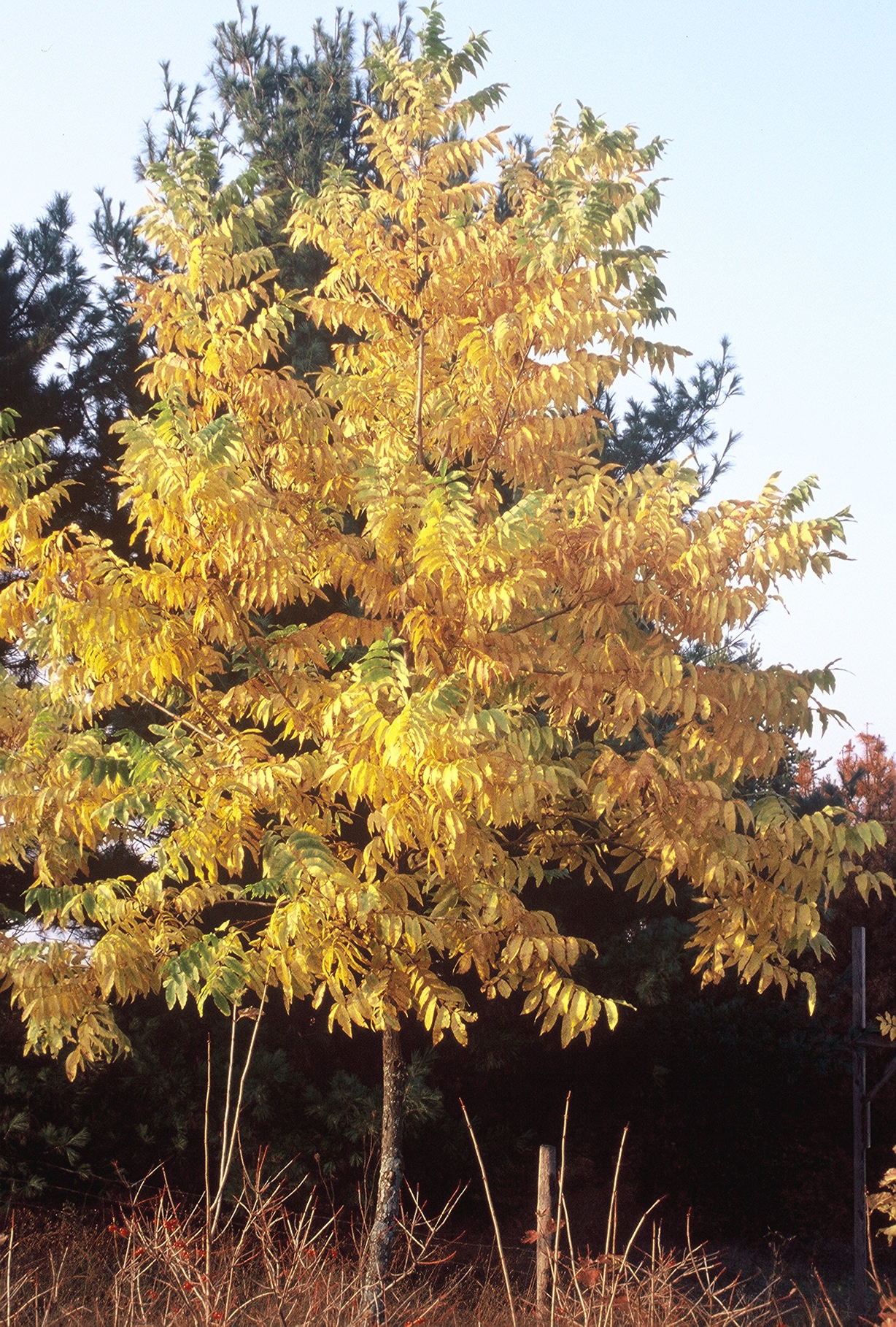
The Pecan is the Pie in the Sky

I live in one of the cloudiest counties in North America. When sun appears, people comment on it in the stores. “Oh, it’s a sunny day!” As if to say time is short and you better enjoy it now! The sunny levels are spotty because of the effects of Lake Michigan which is roughly thirty miles away. Today the water temperatures are in the forties. This too creates this cooling effect along the lakeshore and inland. Called the fruit belt, Michigan has an ideal climate for a wide variety of fruits. Pecans on the other hand do not fit into this cloudy short season area. They are heat lovers and like to bathe in a long season of warm soils and air to ripen the nuts fully. If you announce to the world you are going to grow pecans in Michigan, you might as well say you have figured out cold fusion. The pecan market is massive and you need massive plantings to make it profitable. When I first started growing pecans in the mid to late 1980’s from the Northern Nut Growers Association northern pecan seed distribution project, I was not as optimistic as I am now. Cold pecan fusion was a dream not a reality. What happened? Time and the constant dream of this pie in the sky tree crop kept me going.

To find, create and develop any tree crop, takes patience. The pecan like all hickories takes a lot of time and space. They are huge trees. Some of the older southern orchards clock in at 8 tree per acre. People today do not have patience or have the land resources to make pecan growing profitable especially into the unknown real estate of Michigan. There is a large government breeding program in Beltsville, Texas that houses all the pecan varieties and actively breeds new pecans. It takes a certain stick-to-itness within a government repository. You need a long cycle time to grow and release a pecan variety. Very few are found in the wild anymore and used. Although it is still done this way, it is not a common thing in the most southern part of its range. Breeding pecans is all hand done with mass selection in the hundreds of thousands range to create the perfect pecan variety. No other tree crop takes this much time. The juvenile age of the tree runs from 15 to 30 years from seed. The short cut for researchers is to graft seedling trees into mature trees. This brings it down to 2-3 years to fruit but it doesn’t tell the whole story until several characteristics are met and then put out into an orchard as a single selection. Today at my farm, I still have some seedling plantings from Missouri seed from James Pecans and Shephards Farm that after forty years still have not fruited. Typical of seedling populations, I also found several seed strains that fruited in under ten years of age. One of them is highly precocious and a dwarf tree with minimal foliage production. This natural variation of pecan and its ripening period along with its precocity doesn’t mean you have a commercial pecan. It just means you have a pecan that can grow and ripen in southern Michigan and reliably produce good crops of nuts every year despite the climate. Is that commercial? Probably not, but then those characteristics have never been put to the test because…….. pecans do not grow in Michigan. See what I am saying? This highlights the issue of developing a new crop that is only thought of as a southern species. For many, it sounds too pie in the sky.

If you could have a working clonal collection here in Michigan, that would likely help alleviate the problem. There are other ‘ultra-northern’ pecans.They too are from some of the same wild selections I have at my farm. The difference is location, location, location. You need to have them in a short season area with cloudy cool weather area. This makes it possible not only to grow the tree but to ripen the fruit. I use to take my family to the Kellogg Bird Sanctuary not far from Battle Creek, Michigan. There they had some of the nut trees from the early Kellogg days. Near the lake there is one massive pecan tree reaching 70 feet tall. The nuts never ripen and do not get past the milk stage. The tree looks fantastic but nut production is zero and stayed that way for the decades I would visit the area. This is a common issue with pecan with such a huge range from Texas to Iowa. The pecan is a fast growing hickory species for Michigan. We have the right soils, climate and the tree is very well adapted here. Once I received seed from someone who collected from a tree in northern Minnesota. The nuts were fully ripened. This was in an area that minus 40F was common. This highlights a physiological compotent of hardiness much like bald cypress. Bringing a plant under cultivation expands the range and makes it possible to grow food in areas not thought possible before. The northern pecan leads the way with its high oil nut and rich flavor. The pecan pie is brought down to earth and made possible by human selection and agricultural innovation.

I asked one of the USDA scientists about the use of pecans in Michigan at a nut growers convention. He said I should focus on yields and not pay attention to the commercial characteristics needed for a commercial nut. We do not have heat stress, drought or missing levels of funky micronutrients. The shucks pop open on their own and the nuts drop in September and October. Michigan pecans are high in oil and delicious radically better than their southern counterparts.

“Michigander Prolifica” A dwarf selection with clusters of nuts forming on the tips of the branches. Small, compact nuts form and drop free in late September. Tree is not as vigorous as others. Minimal foliage is produced and the crown is wide open with good light penetration throughout. Tree is very heavy bearing. Parent tree is on a low organic soil on a windy bluff. Hardy to minus 30F.

Michigander Prolifica Super productive small tree.

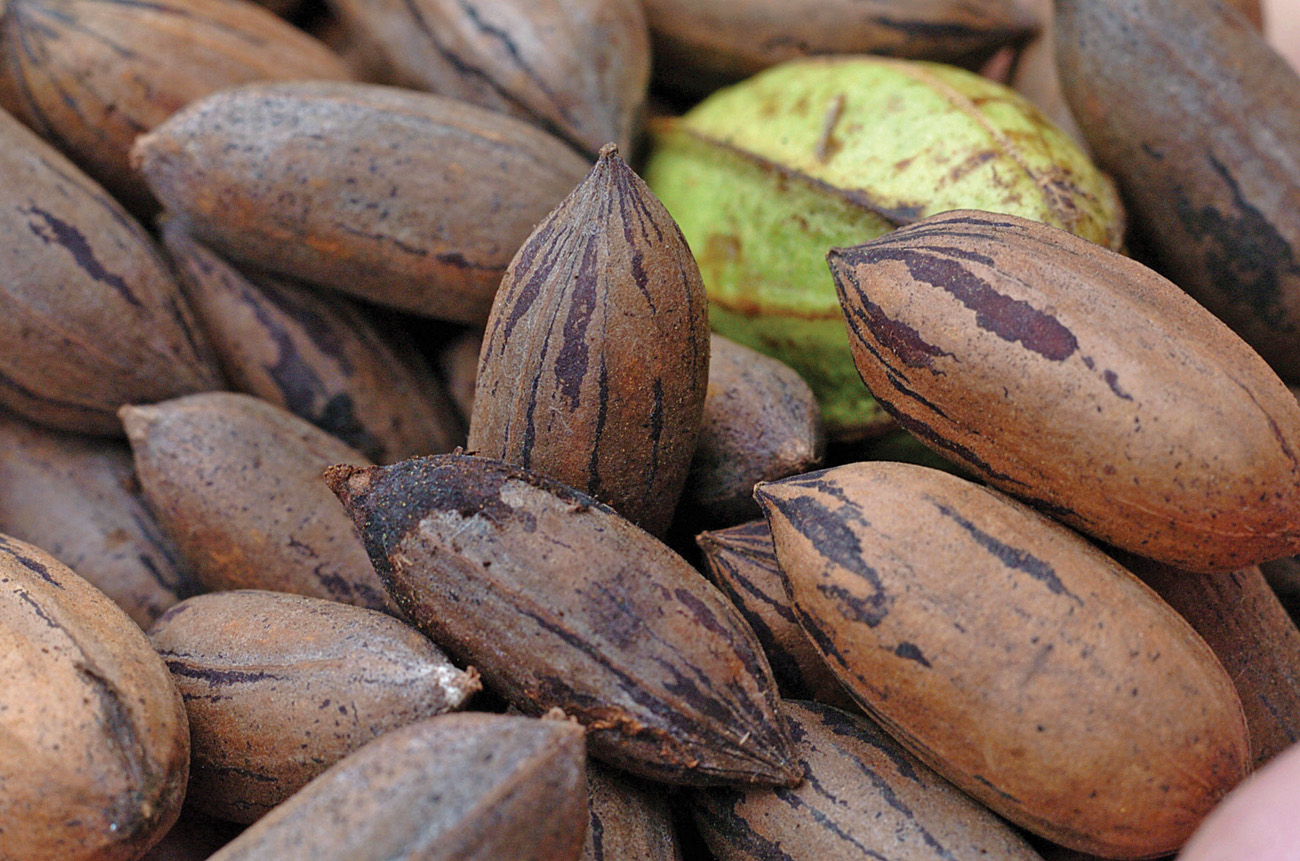
“Michigan” Selected from dozens of other ultra northern seedlings, this one selection was both the most vigorous and heaviest yielding of all pecans at my farm. Almost every year the nuts ripen fully and drop free of the husk on its own. It has long thin nuts that ripen in early October. the ripening period is spread out over a two week period. This is by far the best selection for ripening and yields on a large robust tree. It was likely one of the seedlings from the Voiles #2 seed source which was from the Richard Best orchard prior to its demise from the Mississippi flood waters. The Northern Nut Growers Association brought this seed source to light as well as others found in Iowa as possible sources of short season pecans in the northern part of its range. This was the geographical hot spot of short season pecans distributed by crows, native Americans and early settlers.

“Michigan” variety of pecan grown from seed from Illinois wild pecans-early ripening. “Michigan” had the highest yields by far compared to all other seedlings at my farm. I still sell the nuts of this variety and the scionwood.
Dawson Creek Pecan from Shepherds Farm in Missouri. This was a good northern seed source from wild trees in northern Missouri.
Some of the Michigan pecans on my farm enjoying the early morning sunshine. Pecans naturally split their husks and the nuts drop out or fly off in a blue jays beak.
Posted in Diversity Found, Ecology-Biodiversity-Integration, Miracles of Nature | Tagged , , , , , , | Comments Off on The Pecan is the Pie in the Sky

Chufa-The Savior of Sedges

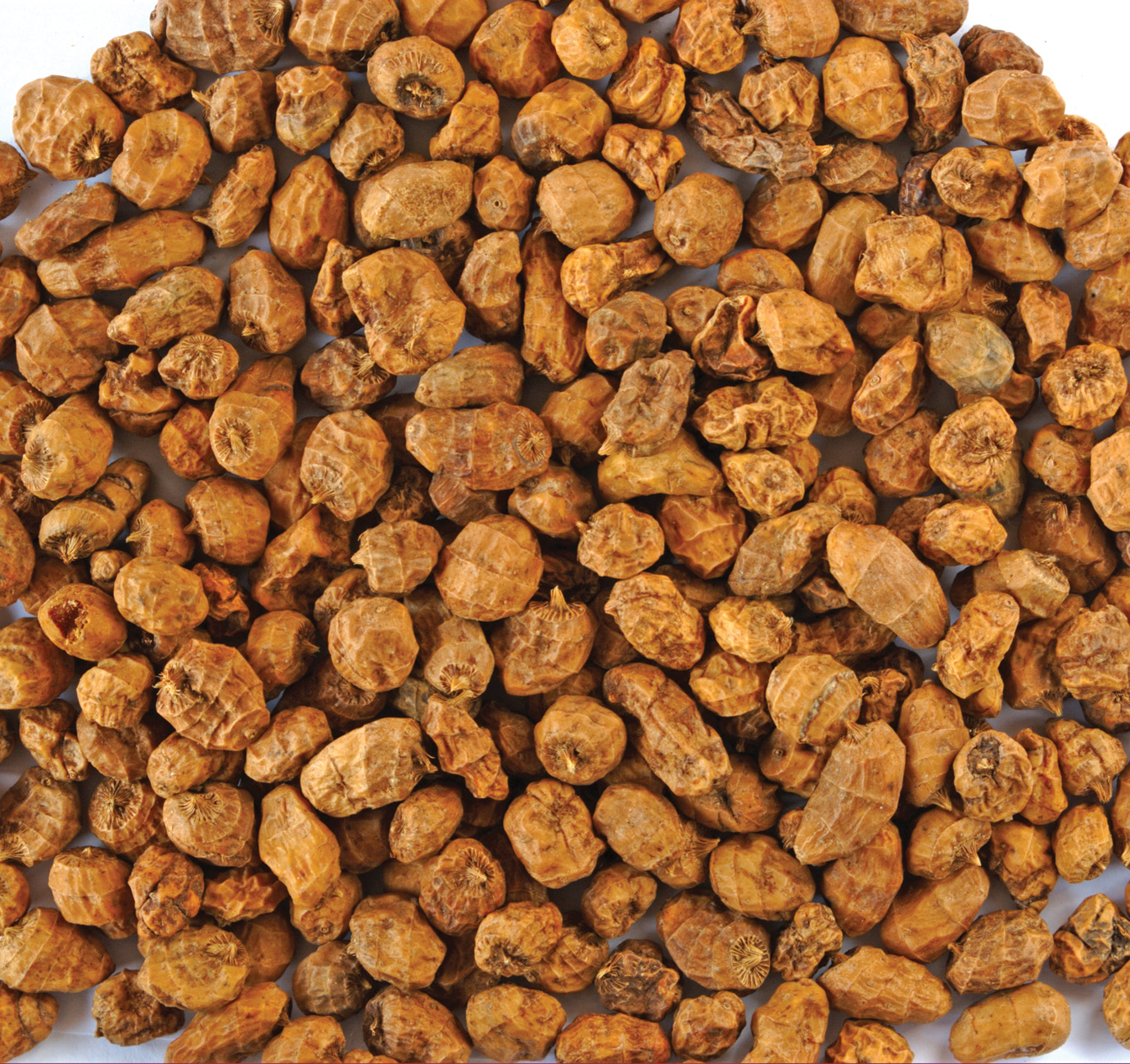
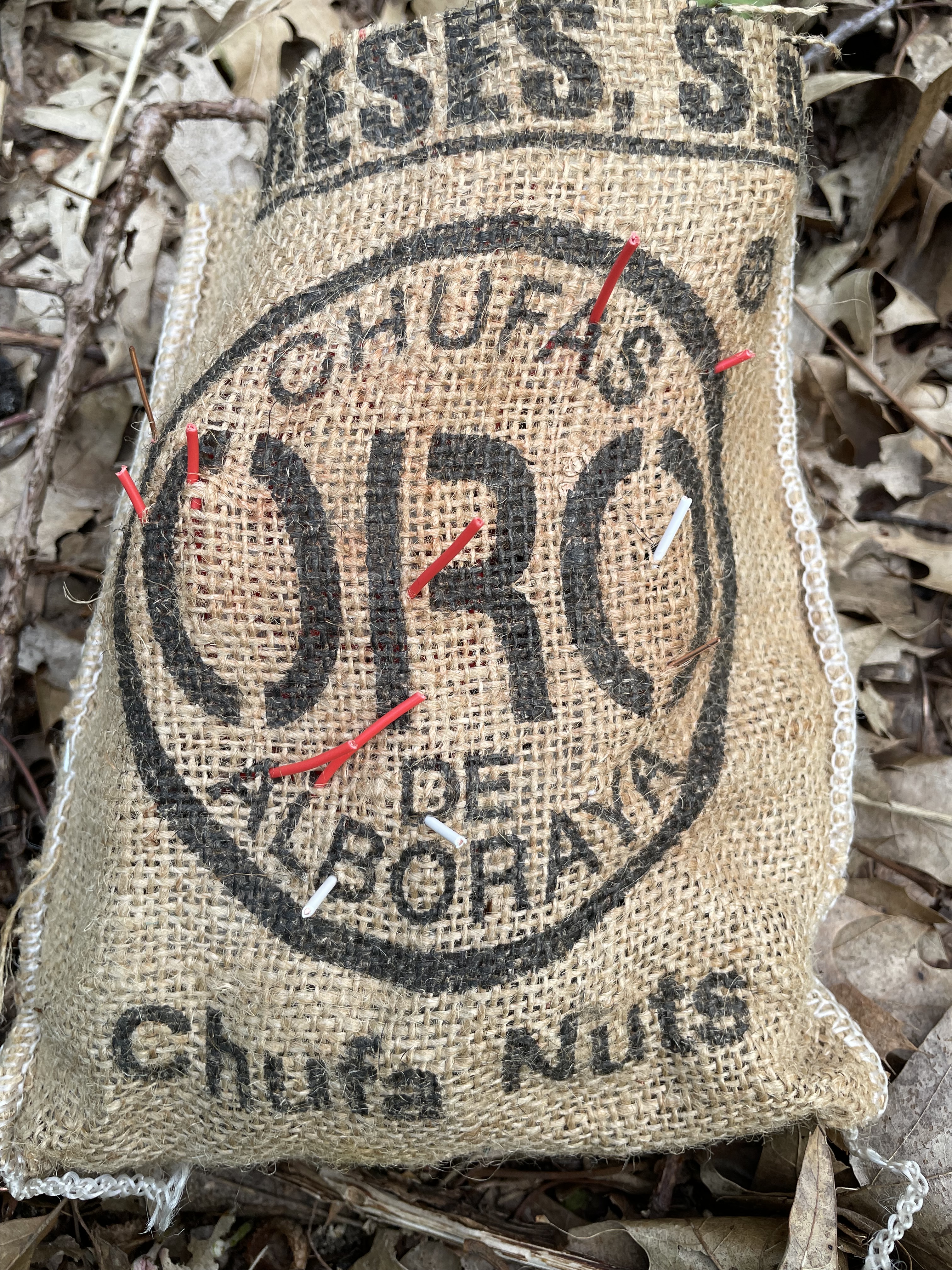
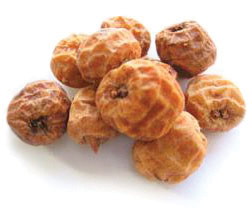
Commercially produced chufa from Spain

One of the tuber crop plants I had the pleasure of working with was chufa or tiger nut. I first read about this plant from a food website describing the use of the crop and how it is cultvated. You could purchase oil and dried tubers from them. I ordered a pound and found them very delicious. They tasted like minature coconuts. I ate them like a snack food while driving to my farm in the morning. Chufa is used in a beverage called Horchata de Chufa. Chufa’s 25% oil content makes a rich drink. With the addition of cinnamon and sugar it is well knowned drink with many different versions using almonds instead of chufa. Much of the world wide production of chufa is in Spain. This is where the U.S. imports them from.

As a secondary use they are also put in turkey and duck seed mixes for planting for wildlife use. The smallest tubers are used for this purpose. It is the same sub-species as the chufa only graded for this purpose. The plant does not produce seed like normal perennial sedges so it is difficult to breed and is only grown from tubers. There are no true seeds available. So the diversity you see today is all clonal. Instead they are listed by their geographic location of where you might buy them. Each country has its own selections. Africa has a lot of them. None of them are cold hardy or perennial. It is treated as an annual crop.

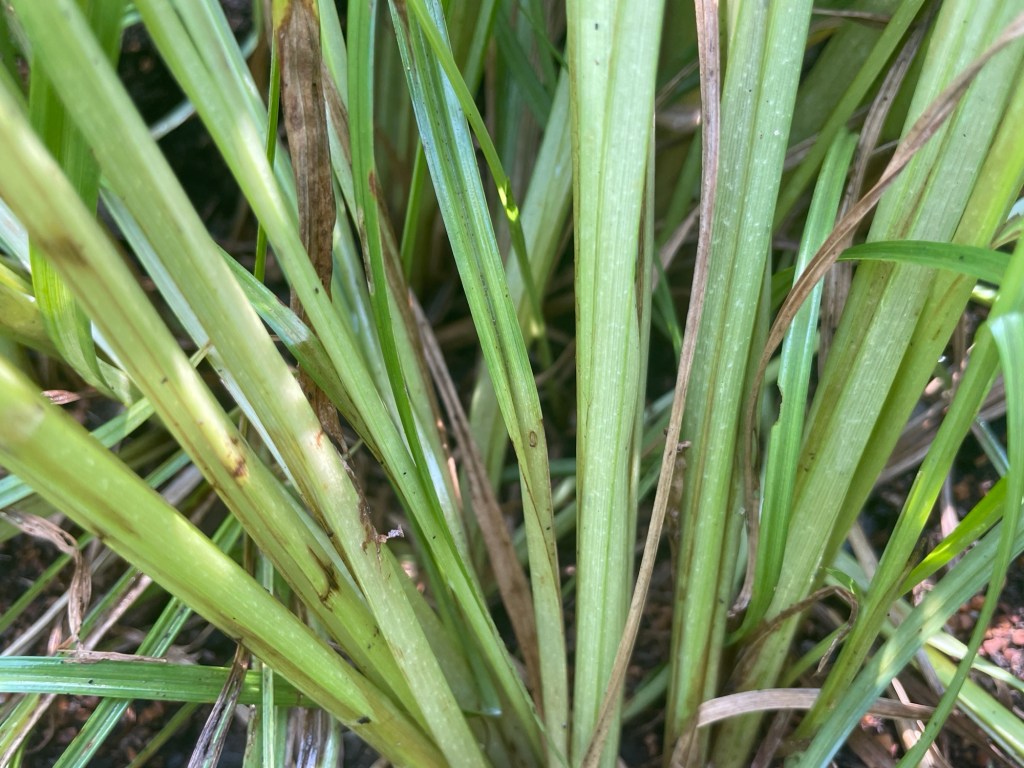
Chufa produced at my farm. 2012.

I was not aware of anyone growing it in the U.S. at the time but I did find one seed company, J.L. Hudson, Seedsman that offered them for sale for planting. I knew this was a tropical grass and might have some problems ripening in Michigan. The first plantings were done outdoors on a warm sunny hillside under irrigation. The plants grew wonderfully up to three foot tall but when harvest came, it became abundantly clear that every small mammal within olfactory range completely eliminated the crop to the point, there was just enough to replant. It was weird because when I went to dig them, they came out like pancakes with few roots and none of the delicious tubers. They shredded the roots. Only near the densest part of the root near the root collar were some tubers they could not get to. In a fresh state, the tubers were even more delicious than the dried packaged ones I purchased from the Spanish food store. I did notice the turkeys found them too.

Chufa produced outside in one of my first plantings of it. 2012.

From this experience, I doubled down and began growing them in poly bags in my greenhouse. This allowed me to extend the season by 45 days and control the mice and voles to a greater degree. Like a vole magnet they found them there too.The length of time needed to finish the crop was an issue even in the polyhouse. It was from here I moved some of the planting outside and began to measure tuber size and length of time to finish the crop and the real life yield of the plants. This explained why previous attempts to commercialize the crop was done in the southern U.S. You need heat units big time. They were not the most productive tuber crop I grew. I spent over 15 years growing them off and on. I didn’t sell them because it seemed too pie in the sky even with my pie in the sky attitude about many edible plants. However, one year we did package up a few of the shorter season selections.

Chufa produced at my farm 2012.

I finally did manage to squeak out a couple of forms from the original J.L. Hudson Seedsman company as well as others. I was at a point of giving up until I visited a Detroit permaculture group with a few clumps of my chufa grass with tubers attached. I washed them thoroughly and removed all the stones. People kept eating them and saying over and over how delicious they were. Gosh darn it, people love the miniature coconut tubers. Inspired by the delicious fresh tubers, I continued my chufa quest and grew more of them only to be nailed by the ever present rodent populations. The island of chufas I was creating was a huge magnet. If I were to do it again, I would build a screened house including screeening underneath the plants. The poly grow bags was a good method for them. They grow shallow in the soil and come out with the roots intact.

Not A Nutsedge

This chufa is a tropical annual grass which does not flower, produce seed or is winter hardy in Michigan whether the soils freezes or not. At this time the taxonomy has it as a subspecies called ‘sativa’ but some scientists want to classify as a separate species. It is not a serious weed or any weed of any magnitude and cannot spread on its own. The mis-information on chufa as a weed lies within its confusion with yellow nutsedge. The images and information on line are frequently copied by writers who have never grown chufa and likely have never seen the plant in real life. The flower images are way off the charts wrong. Sedges in particularly hard to identify but chufa is very distinct. Today everyone is a botanical expert. Since the introduction of chufa, there are no satellite populations floating around somewhere in Michigan. However, there are likely wild chufa or native chufa here in the United States that the native Americans had also found and made selections from. I am sure they are also likely annual seedless types heavy in tuber producton. This type of selection process is common with such a high calorie and delicious food plant that can easily grow on river plains exactly the same way they are found on the Nile long ago. It would be a tragedy to loose that germplasm through misidentification. Cyperus esculentus, odoratus, rotundus,squarrosus are a few species used by the native Americans as a food source according to Moerman, Native American Ethnobotany. Many species remain unidentified even today.

For a while, there were a few laws put in place which led to the removal of the chufa from the store shelves and on line sales in some states in the wildlife sector. People are unjustifiably paranoid about chufa. Chufa is not nutsedge in the way the herbicide companies advertise it. However, it is listed as the same species and that is the source of the confusion. This leads us directly on the path of good intentions which then becomes the path to hell in terms of crop biodiversity. In this regulatory process it eliminates a great crop plant by spreading false information. The wildlife industry followed the regulation to a certain extent but when I checked, it wasn’t enforced as I still found it for sale locally during this time. It is possible this is still an issue in some states for those still going down the path of good intentions.

I had read with interest several growers who were actively trying to grow the plant here in the southeastern United States again. Besides getting the right selections, drying, storing and selling, it was not an easy row to hoe. I would put it in the category of trying to grow AND sell daffodil bulbs. I knew a flower farmer that tried that for a while. The pricing is built on the help of the countries that produce the crop in bulk and then ship it elsewhere. This cozy relationship makes it very difficult to compete with other countries. This sounds familiar doesn’t it. I still think it could be a locally produced tuber and grown is sandy stone free soils. It would similar to the production of lavender oil. You could combine it with other tuber crops like ginger and tumeric and grow it polyhouses.

Gardening With the Chufa

Minus the rodents and turkeys it is an easy plant to cultivate. It grows in the worst soils with minimal organic matter. It seems to tolerate drought well but regular irrigation improved yields. I enjoyed growing it and sharing it with others. It is getting a second life from my early ripening selections. To me chufa cultivation is my ‘path to heavenly enlightenment’ thinking in terms of its acceptance by the public and widespread use by the gardening public. It is much better than the path of good intentions. There does come a point that makes you wonder what sort of potential it has as an oil producing crop plant on a larger scale. I think in this new age of climate challenges, chufa will make us think of its cultivation in Spain, how it grows in the arid climates of the world, its calorie per acre yield and health benefits to humans around the world. A grass species producing tubers sounds enlightening. Can we bring that back into the United States as a healthy food crop beyond the wildlife sector? It would take growers, processors and a commitment to make it happen in the face of negativity and those who down play the crop as a weed.

The Nutsedge Returns

In one of the parts of my farm, I have a small colony of nutsedge. It is the perennial species that is the poster plant that sells herbicides for corn and soybean fields. It produces long rhizomes in all directions and is quite a powerful plant. My colony is on one of the sites I never tilled. When I decided to investigate, I found only one tuber on the rhizomes after ten minutes of digging. It is not a very productive plant tuber wise but it has a large numbers of rhizomes. It could be possible to take what is considered the worst weed in the history of mankind and hybridize it with the greatest tuber chufa and make it a savior by selecting it for heavy yields and ease of cultivation. But like all saviors would anyone recognize the value of it or would it just be another weed and shunned for generations. The chufa was that weedy nutsedge at some point in time with fertile seed heads. It is a crop plant that was cultivated 4000 years ago. It originated in Egypt as a source of food on the flood plains of the Nile. I am sure it flowered and had great diversity of progeny too. Today those varieties are scattered around the world as a common food plant. It is possible that the forms in East India or West Africa could provide us with a new view of this crop today. If you could find the wild chufa in the United States we would be drinking gallons of horchata.

But for now, it is the miniature coconut tuber that grows on a sterile grass found in Spain introduced by the Moors in the 11th century. Thats a good start.

Many good ideas start here. Knowledge. Education. Action. Dispersal.

Enjoy,

Kenneth Asmus

Posted in Diversity Found, Ecology-Biodiversity-Integration | Tagged , , , , , , , | Comments Off on Chufa-The Savior of Sedges

Bean Flowers

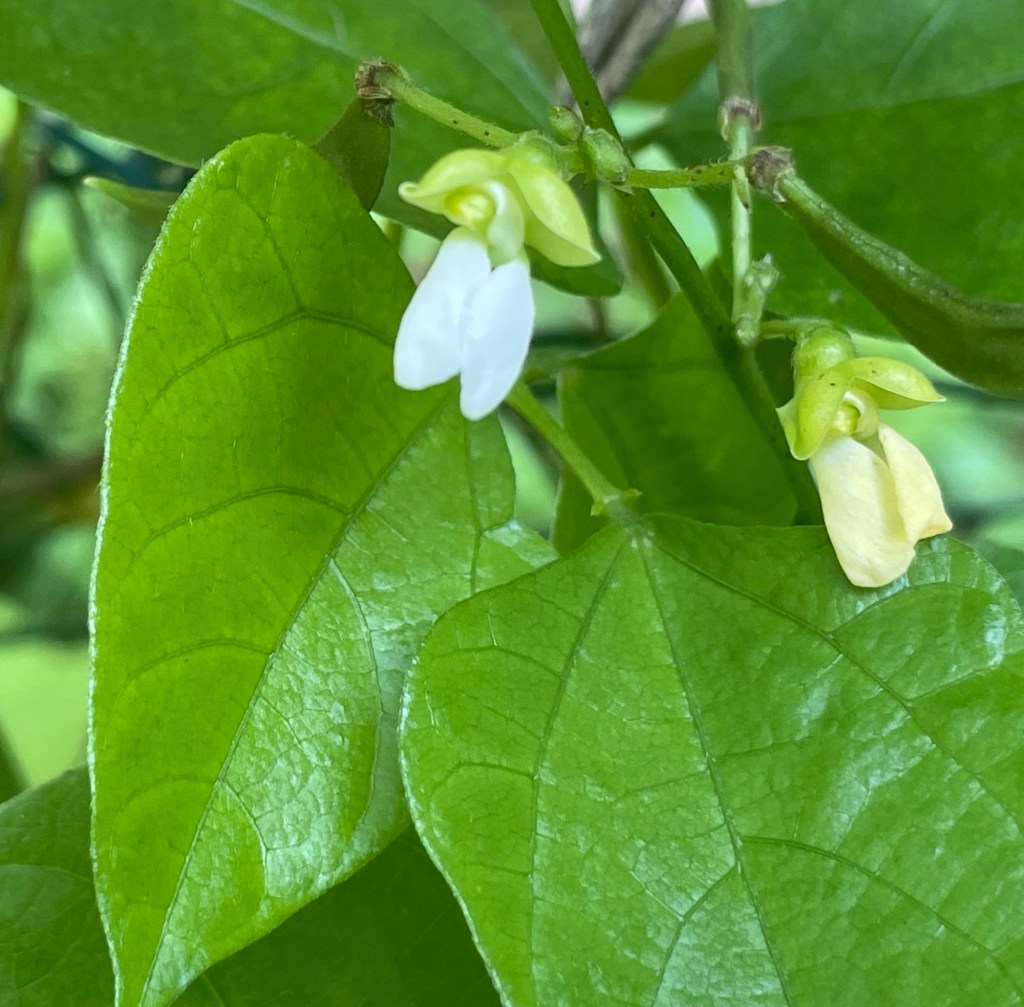
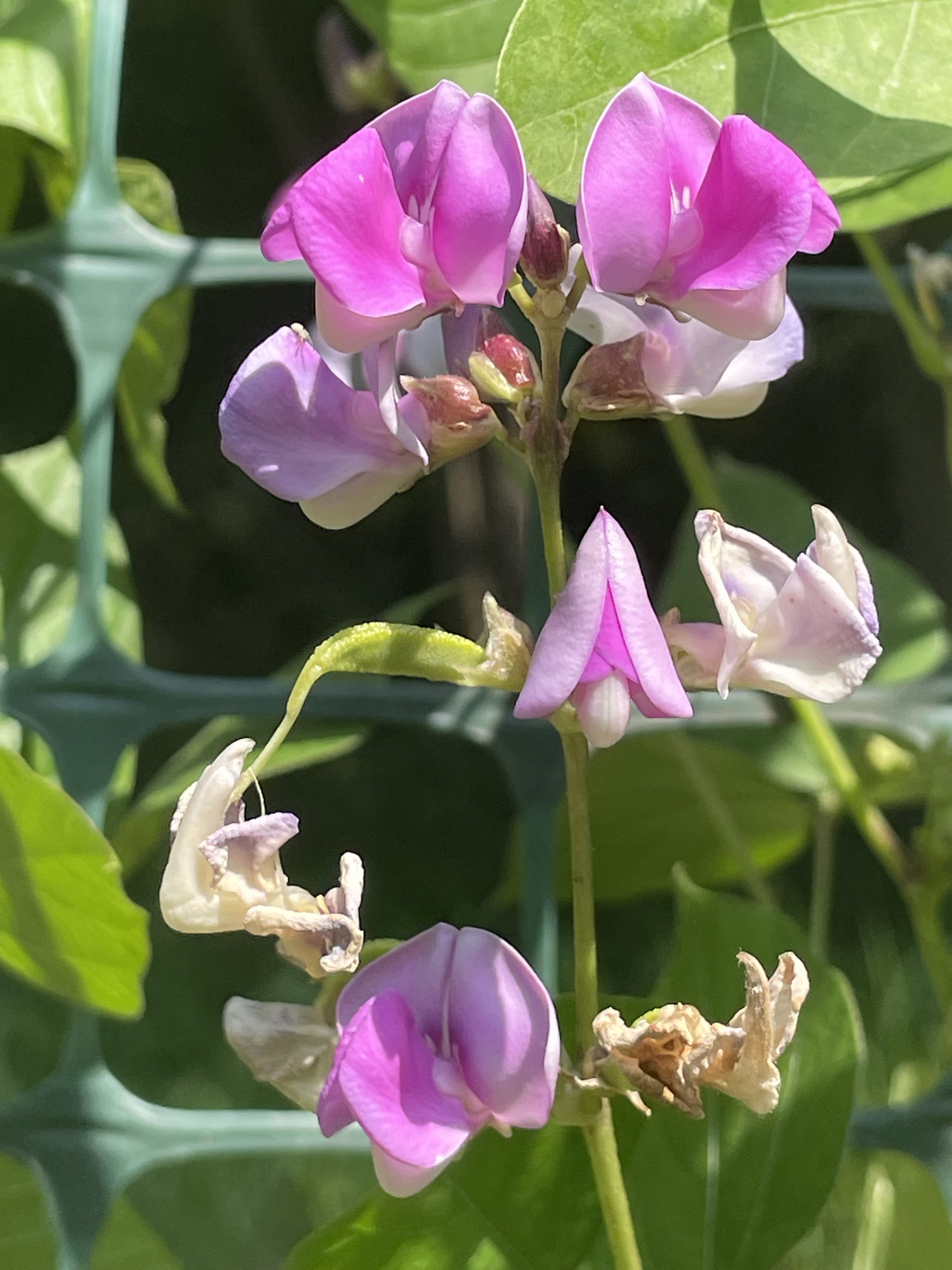
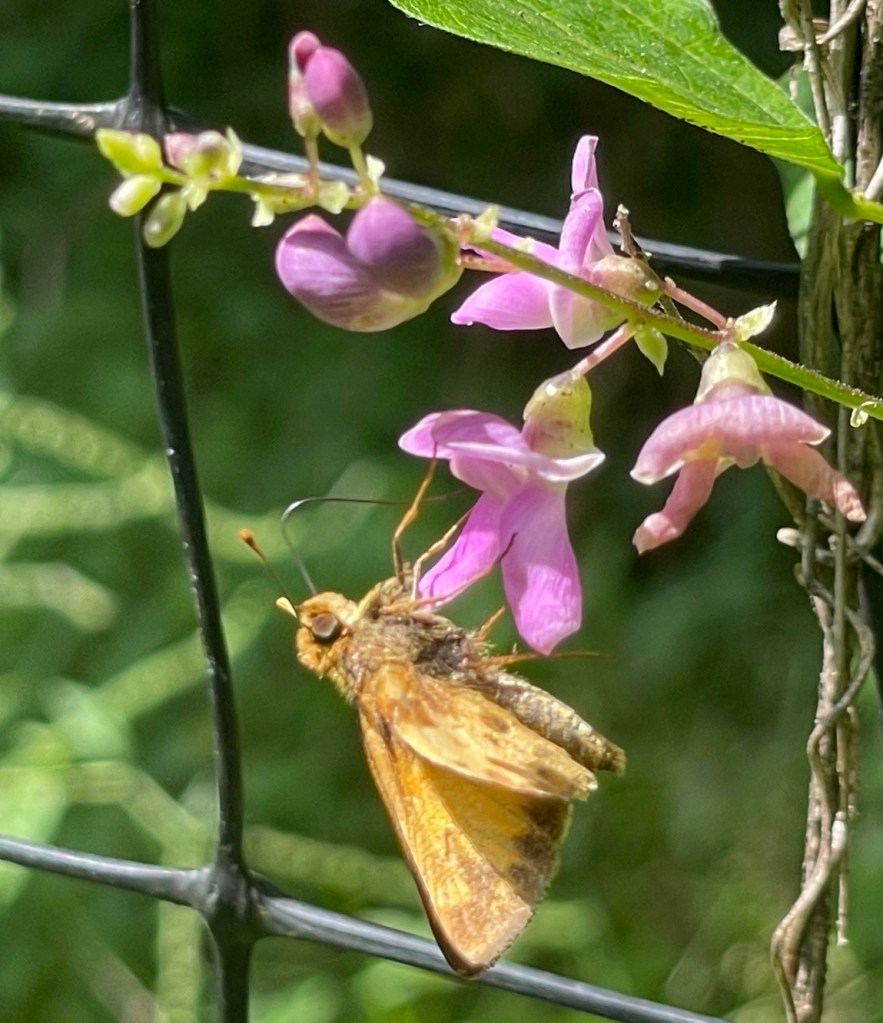
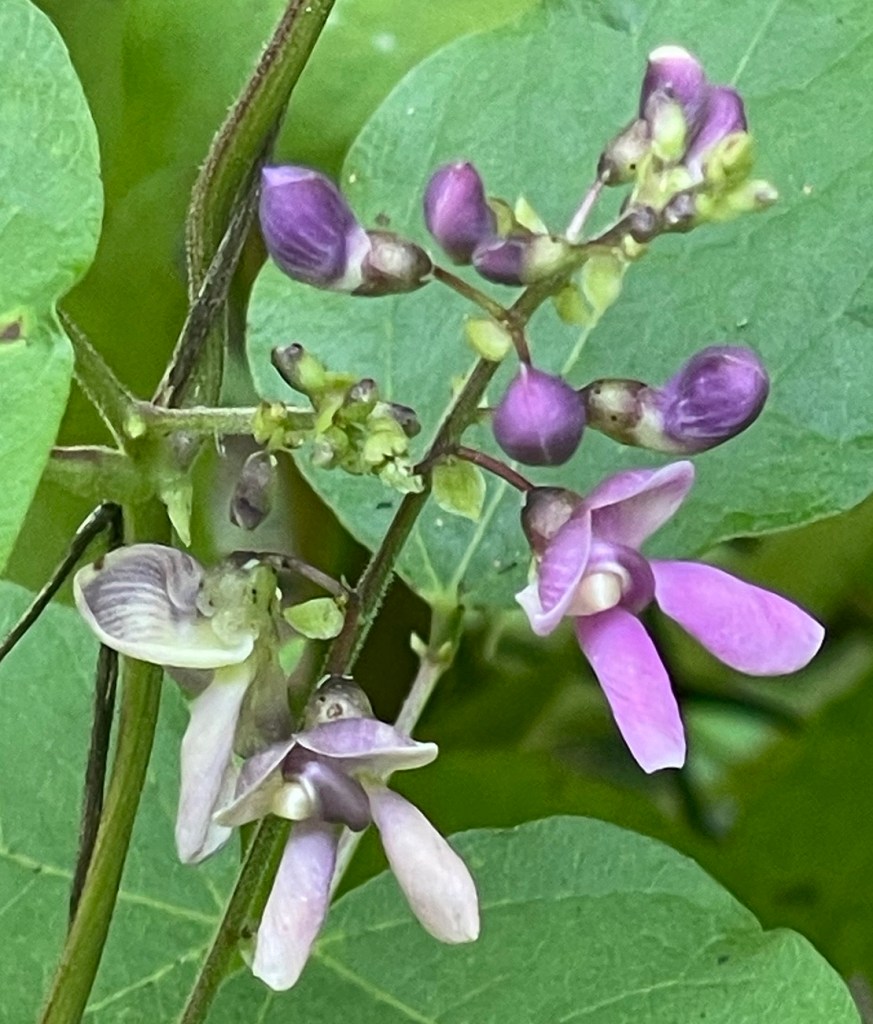
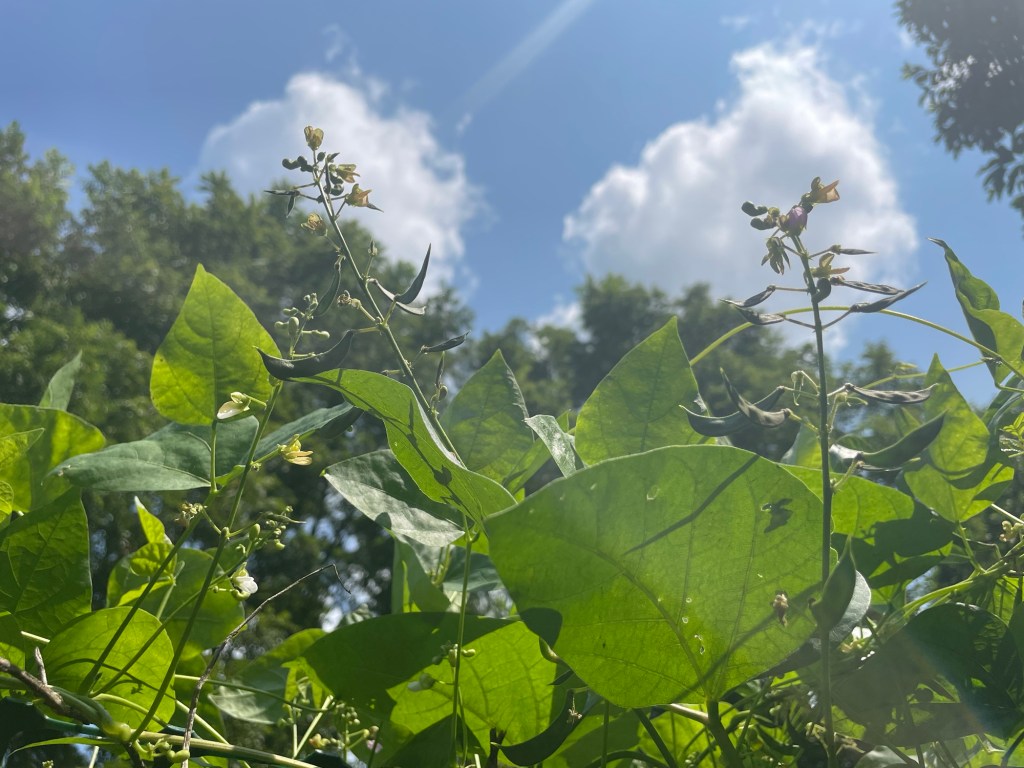
Yesterday while trying to capture insects working my bean flowers via photography , I remembered the college professor that I took an Entomology class from Western Michigan University in 1975. The whole class went out one night to a nearby state forest. We whizzed up a peanut buttter and beer concoction and lathered it on oak tree bark with paint brushes. It was a secret formula according to the intern who was totally into it. We lit up a bed sheet with a black light of some type for attracting moths. We hiked up and down the forest road to check our splotches of beer whizzed butter using flash lights. At some point, someone said, “You know if the police come, we are going to have a hard time explaining this.” There it was a giant blue white square orb in the middle of the woods. Some of the students had mining hats on. “Want some peanut butter beer officer? If you drink it, you will attract moths.” We stayed out quite late in the night. We found spiders and a few other night insects but no moths. This experience has stayed with me and highlights my thinking with pollinators today. It is constantly changing with a wide range of butterflies, bees and flies. You never know what will come if anything on any particular day.

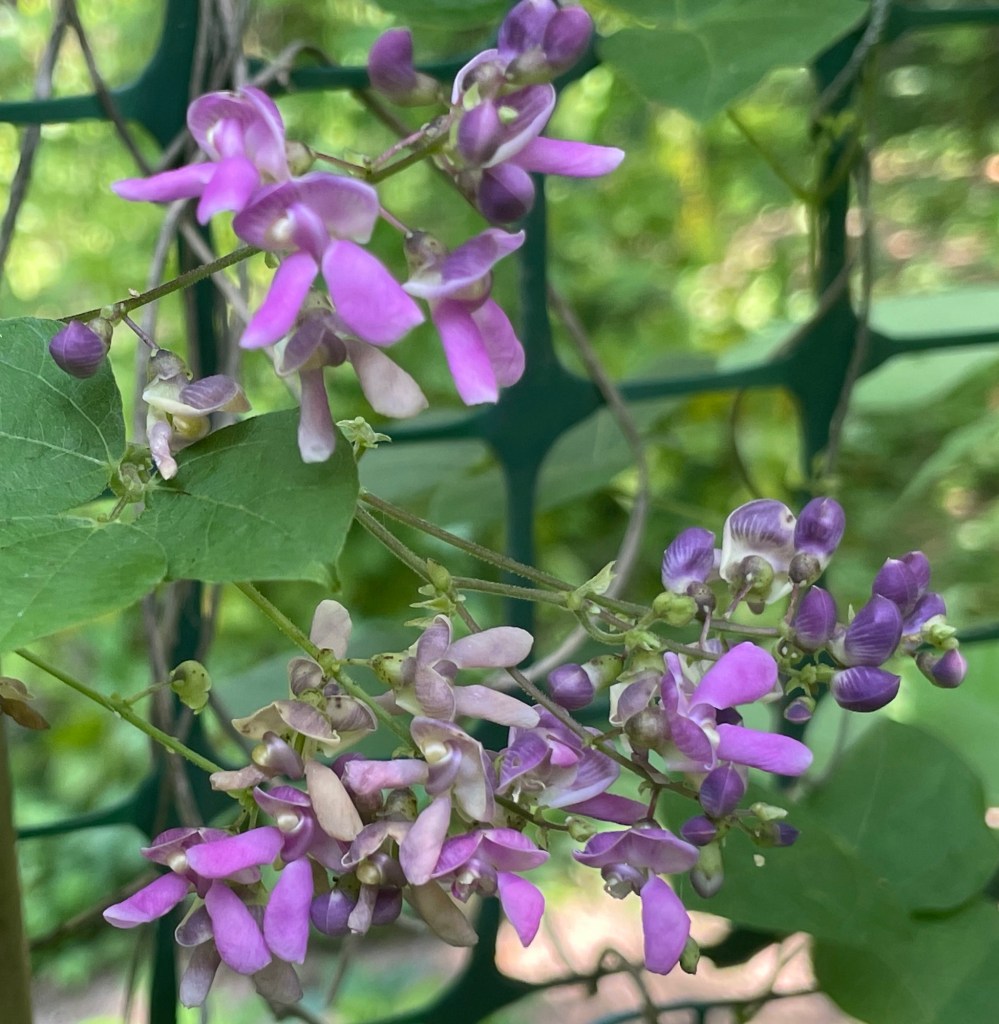
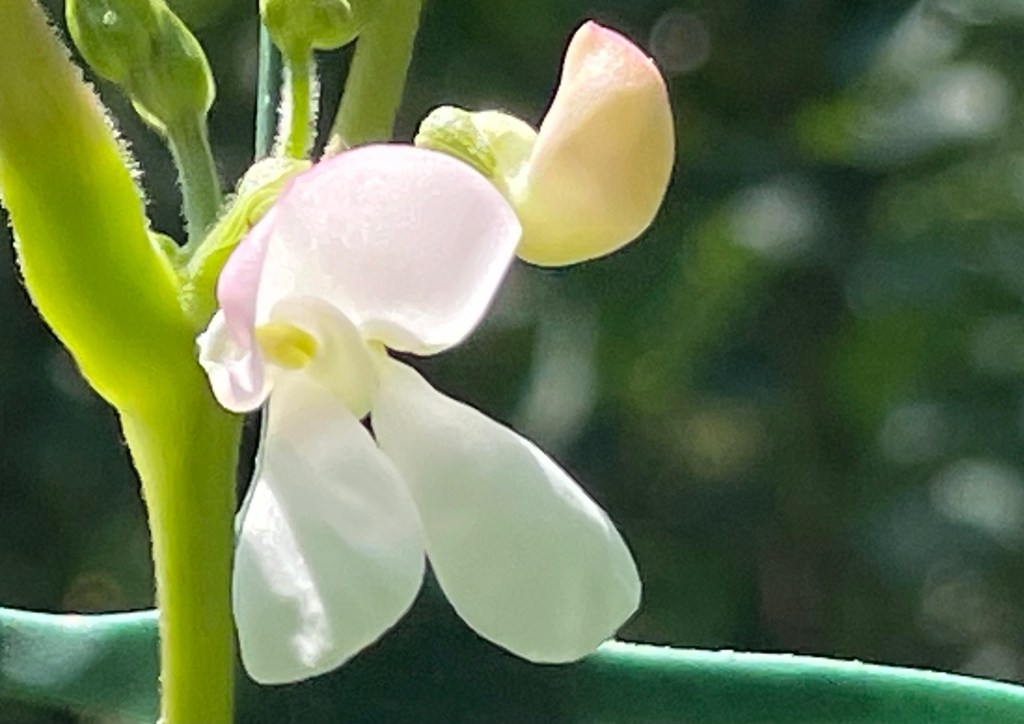
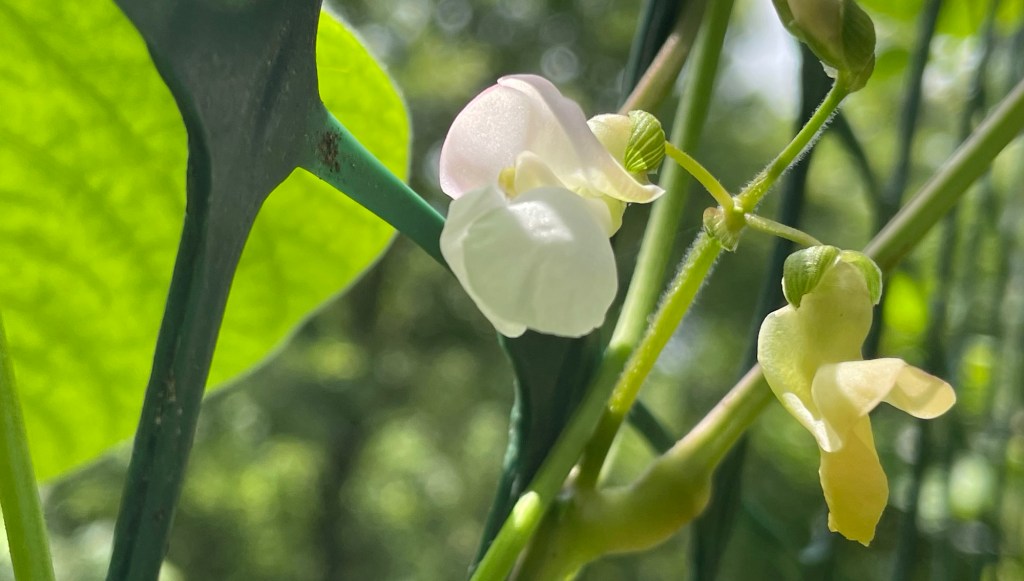
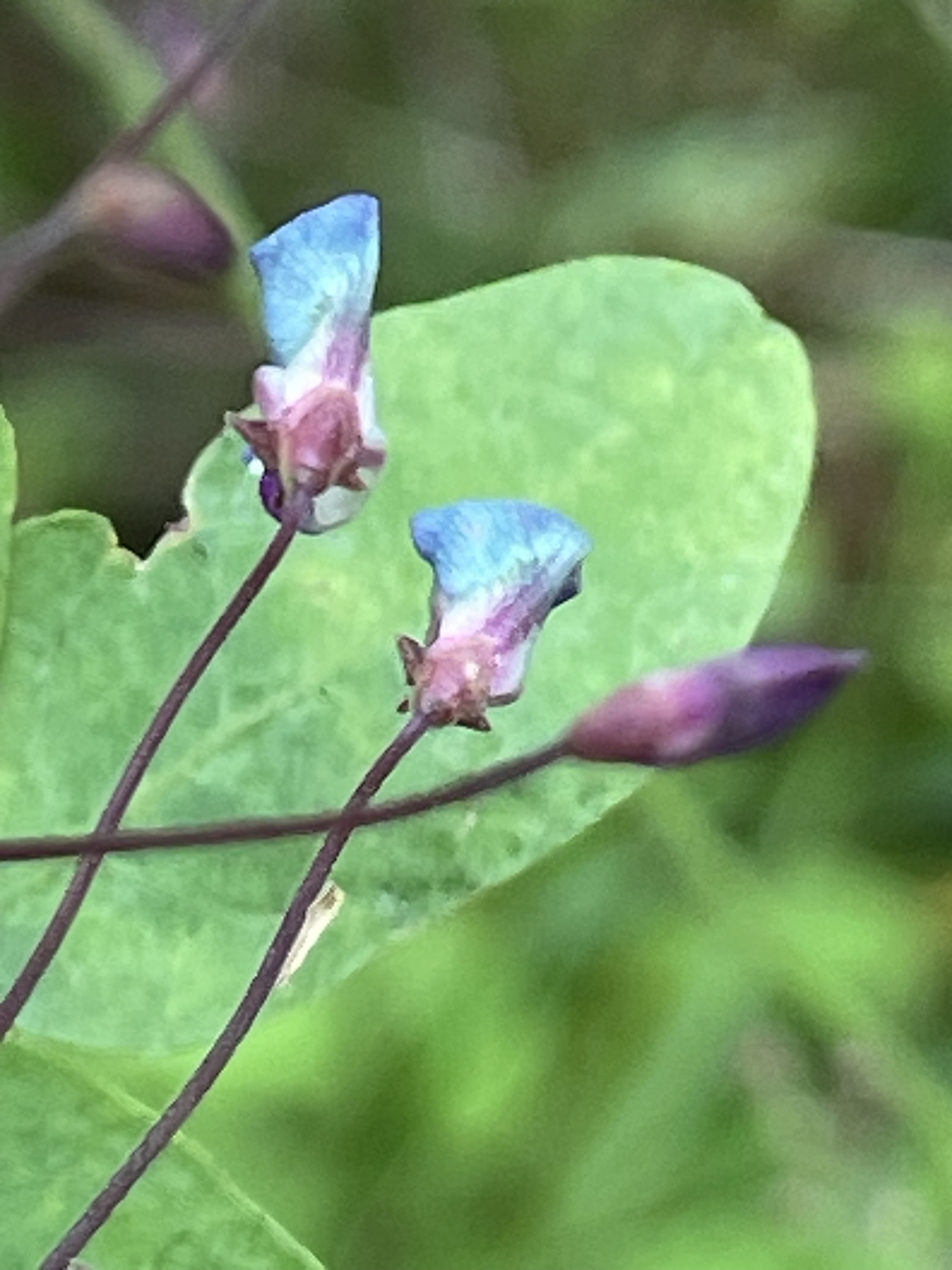
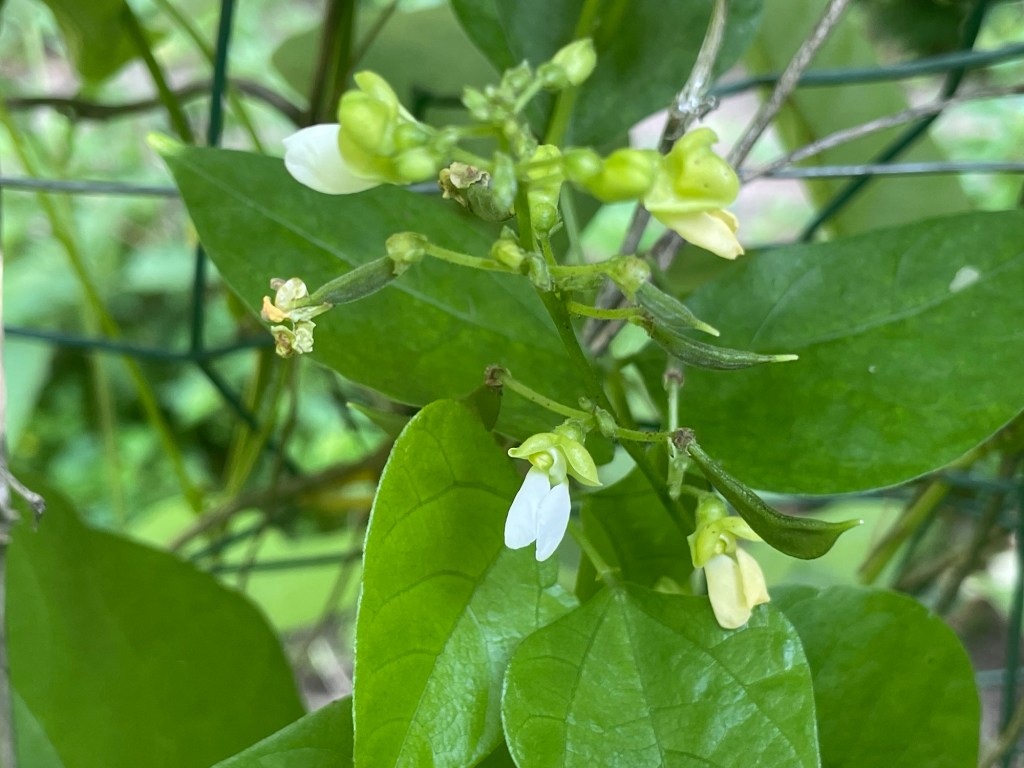
In terms of my bean flowers, I see new insects every year and wonder where they came from. Others vanish entirely only to show up years later. I rarely spend more than an hour every week looking at my bean flowers when in blossom. I do not go at night either. I need a larger sample size to grasp this complex system of pollination. Some appear to vanish for a while or have greater reduced numbers in some years. Since my neighbor took down an out buidling made of wood, the carpenter bees are not there like they use to be. But again, I am guessing. Saying one insect is dominant is completely impossible but for a brief moment the carpenter bees were king of the bean flowers. Today a small bumblebee is seen hovering above my lima beans. There is one constant in all of this related to my love of beans. It is the consistency of my planting and the populations I am inadvertantly supporting during pollination time that brings them back year after year along with a diverse cast of new species coming and going. There is a huge number of very small bees that look like sweat bees and flies that appear to be really going after the small lima bean flowers. They are very selective on the flowers preferring the creme colored lima flowers with the broad petals and a curved ‘landing field’. As a result, the flowers, plants and beans have responded by creating plants with greater flowers with more open faced flowers and a greater potential for seed set. The pollinators are changing my populations to be more successful for them while helping me discover heavy fruiting selections. This was my aha moment of bean consciousness. You would have to be completed blinded to say only certain plants attract certain pollinators. That is just not possible. The insect is wrapped in this new source of food and it is not going away easily as it chooses wisely the flowers that suit it the best. This is also the type of plant I want. I want it easily reproduceable from seed and highly successful in a wide range of environments with extremely delicious nectar and pollen. This in turn produces more beans. The hybridization process is worthless unless you consider the value of the pollinators that do the work. From honeybees to the teeniest fly its not a competition. Its a collaboration far outside anything you could construct or direct in any way. For that I am thankful. I propose a toast of peanut butter whizzed beer to all. Here, here.

Farmerless fields can sustain all life even if it is a minor compotent of a farm encompassing less than one percent of the land area. One percent is enough to improve the other 99 percent whether it is intentional of not.

Posted in Diversity Found, Ecology-Biodiversity-Integration, Miracles of Nature | Tagged , , , , , , | Comments Off on Bean Flowers

One Plant-One Human-One Idea

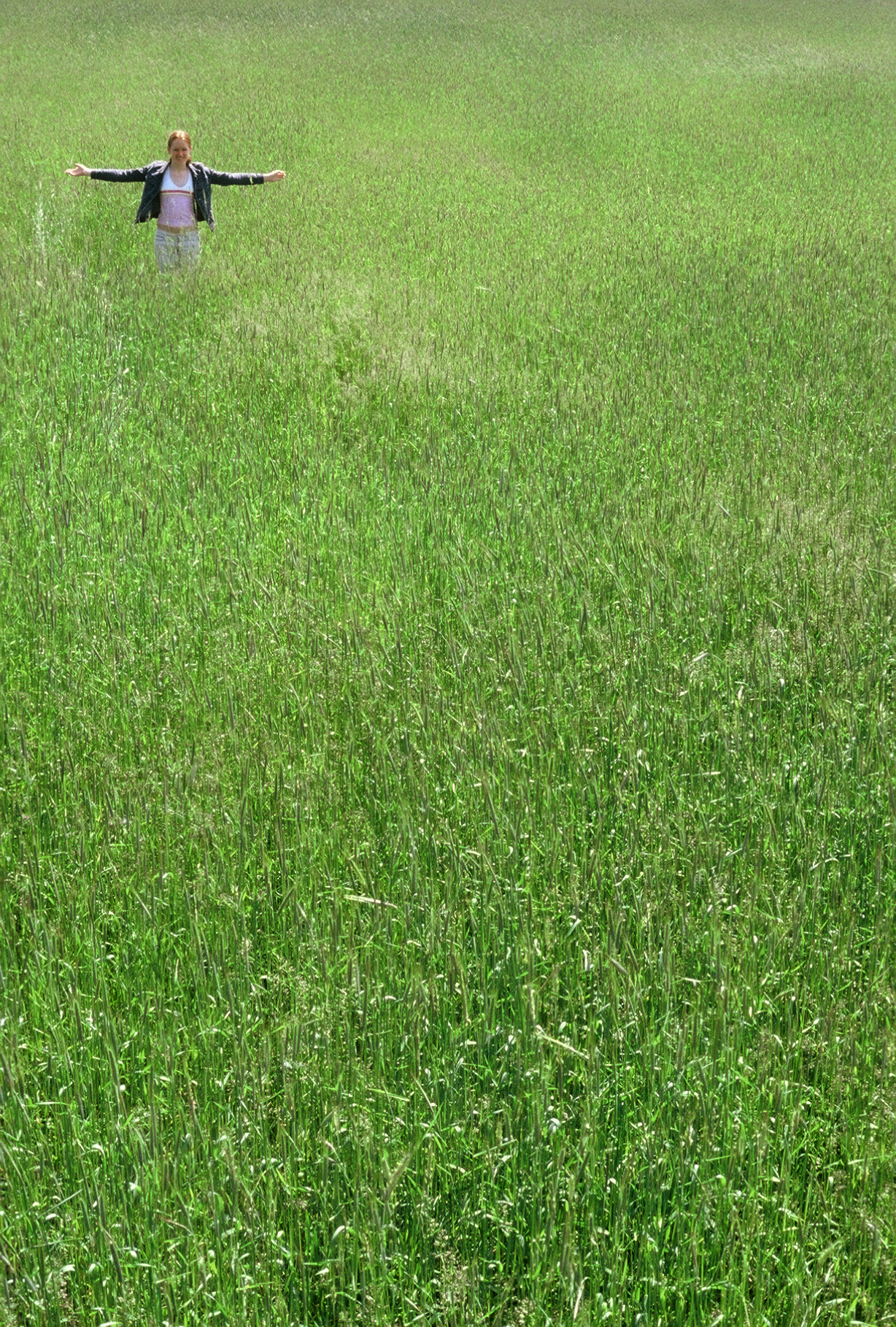
If you have ever planted a cover crop of rye, you soon realize how much this powerhouse of a plant can do in such a short period of time. It is such a simple thing yet has immense environmental benefits. I know many people normally don’t view rye like this but after creating a field of rye on a family Christmas tree farm I soon became a believer of the little rye plant. It was more than wheat. Recently I saw an article questioning the use of rye in wildflower plantings since it is not native. My first thought was how stupid can you be. The second thought was how similar it was to my own thinking until I actually planted a field of rye! From the idea to its creation, the rye field became much more than I expected. It was definitely more than the sum of its parts. In the real world of an abandoned Christmas tree farm surrounded by white pine, oak and birch forests of central Michigan rye enriched all life on the many levels of plants and animals. It was from here I saw the light. And wow, was it bright. I too was lost until I was saved by the miracle of rye. There was nothing before and then after a few rains a green field emerges from darkness.

My daughter Kelly helped me create this image of the rye field in its first year. I used it for one my catalogs. The field was prepped by my father, uncle and a contractor with a bulldozer. The bulldozer removed the few remaining trees in the field. My uncle yanked out an old disc from the woods and attached it to the tractor. There are probably a lot of old discs sitting in Michigan woodlands. I rented a rotovator to run off the tractor to smooth everything out prior to planting. It was an abandoned Christmas tree field. Soon it will be rye. Rye seed is relatively inexpensive so we overplanted using a hand held spreader and walked back and forth criss crossing the field several times to get uniform coverage. It was a joy to do. I was wondering how many birds this would attract. The only thing to do was wait for rain. The stage was set.

I was aware of ryes green manure potential. I used it on my tree crop farm to build the soil prior to planting acorns. The stems and foliage break down quickly adding organic matter to the soil. The rye held my low organic sandy soil in place on this slope I was working and helped in the production of my seedling oak trees. You normally till it under before it reaches maturity and sets its ‘berries’. One day at my farm, I saw two large pheasants consuming the rye seed I had just planted. I was so enamored with these beautiful birds and the rarity of their presence, I considered it a great honor for them to visit. I didn’t scare them away. You just don’t see pheasants very often if at all in Michigan. The rye brought them in for me to see. Since there was no future Christmas trees being planned at my families farm, my father and I decided to let it go to maturity to see what would happen. This rye field signaled the last crop we would plant together. I would visit my parents home during this time and would always make a point to check the fields progress to see what sort of rye shenanigans was going on.

After emergence in late October, the plants were being heavily grazed by deer. The ground was solid with hoof prints. The succulent nature of this grass brought in large herds of deer. It was attracting the attention of many of the nearby homeowners who were probably spritzing out their coffee in the morning looking out their patio windows. It was solid hoof prints. The grazing had little influence on the plants themselves which seemed to generate even more foliage. Even in December with snow cover the deer kept coming back moving the snow aside for obtain fresh forage. The following year, the plants put on their heads and grew upwards to three feet tall. It was at this point, the turkeys began to nest in one thick area. As the seeds ripened and the stalks turned to a golden brown, a huge number of jumping mice filled the field. I began to mow it shattering the seed heads and spreading it in all directions just like I had done earlier with a hand cranked seeder. The field was alive with mice. They looked like kangaroos jumping in front of the tractor as I mowed the field. Finally after the mowing and a little rain, the new rye grass started again. This time it was not as thick. This same process continued for three more years minus the mowing and finally only one plant remained in year four. The rye had run its course.

The cumulative benefits created a new field of ecological opportunity. There was less thistle in one area. New trees began seeding in. Wild strawberries were there in great abundance again with solid patches of them here and there. A few willows grew in the area with the highest clay content. You could say it went back to normal and everything calmed down. To me it set the stage for things to come whatever that may be. We sold the land and gave up the field. But for a brief moment in time, we came together under one idea and one plant and immersed ourselves in the rye. Out of darkness we emerged after a few rains.

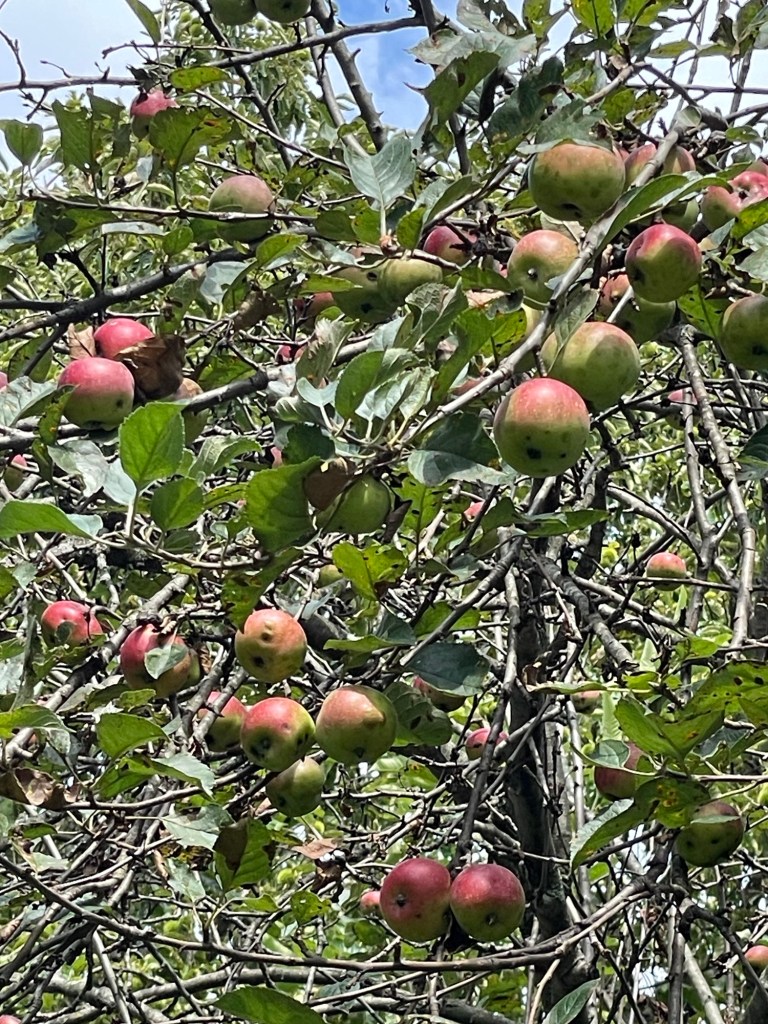
The ‘Kelly Renee’ apple looks particularly good this year and free of insects and diseases. Named after my daughter this apple variety was grown from seed from a russet apple found in northern Michigan at an abandoned homestead. (Probably not far from an old disc.) This selection is what I would term as a no or low spray apple. It has a few blemishes but hey, we all have them.

Posted in Diversity Found, Ecology-Biodiversity-Integration, Miracles of Nature | Tagged , , , , , , , | Comments Off on One Plant-One Human-One Idea

The Deer Solution

2024

For many years on my way into town, I would drive by a farm that raised sheep. The pasture was very neat looking and was often cropped to the ground. Like a neatly mowed lawn with isolated thistle plants popping out of what looked like a green ping pong table, this was their home. My farm is home to another herbivore called the white tailed deer. It eats my pasture grasses but also the foliage of many species of shrubs and trees. It has a varied diet including my tree crops of persimmon and acorns. The pasture at my farm is dense and rich filled with many species of grasses and forb of which the diversity increases every year. It is never cropped. The deer are selective eaters. This makes the deer a shaper of vegetation of which it is of great benefit to my farm. I realize when I say, the deer love that, I know the deer will partially or totally destroy it. I had a large collection of sunchokes and each time I planted them in the outer reaches of the farm away from my weekly spraying of “Deer-Off” or outside the electric fencing, the deer loved them to death. Like a herbivore freight train, even the most vigorous selection of Jerusalem artichoke was gone by the second year.

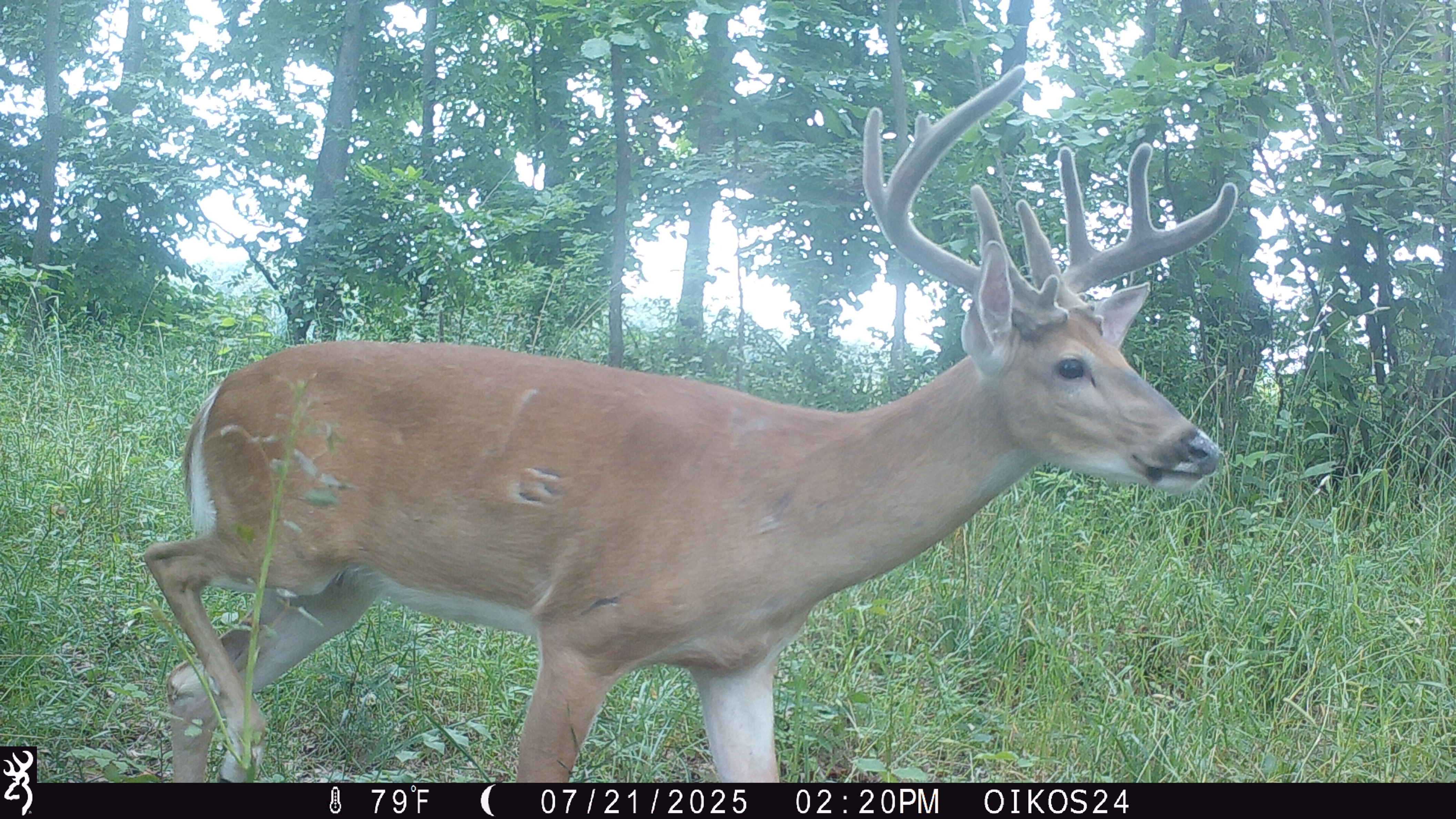
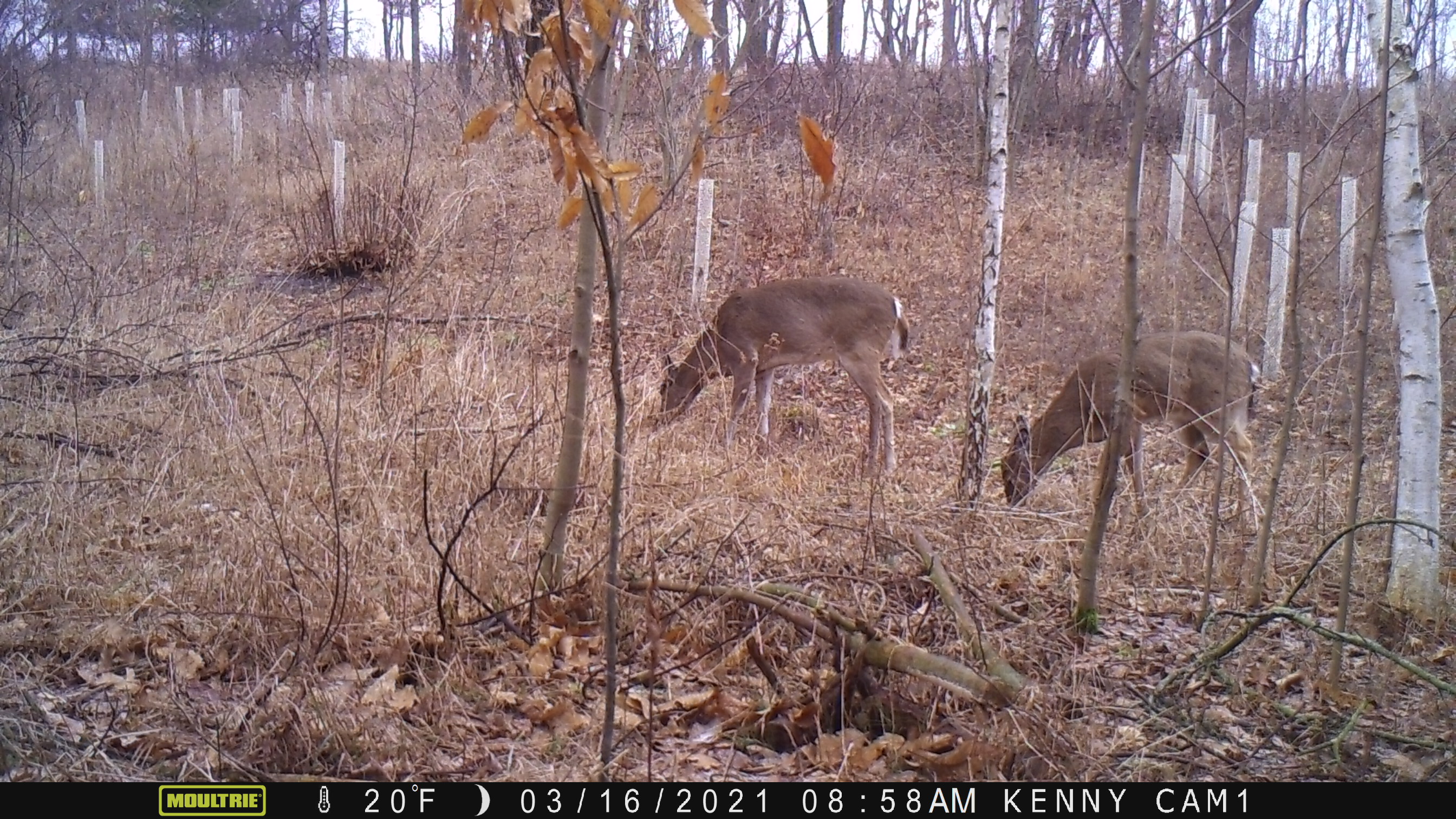
I had the thought many years ago after seeing browse on a neatly chomped buckthorn bush that it might be possible to stimulate browse on other plants that I needed to reduce or eliminate to make it easier to harvest under the trees. I have to do this from time to time. I use a weed whip and lopers. I do not own a tractor or mower. Inspired by sheep, the weed whip would allow me to crop an area like a ping pong table. I would use lopers to flatten shrubs around these mature trees. I started by testing large shrubs and pruning them back to the ground. I used multiflora rose and tartarian honeysuckle. The groundcover at the time was pasture grasses, timothy and quackgrass. When they began to thin due to shade and star thistle, the other shrubs took hold. I was using sawdust mulch at the time and this aided in seedling establishment as well. I would prune back the shrubs to ground level using lopers. New sprouts from the rose and honeysuckle are very succulent. Deer will consume these in great abundance coming back to them over and over just like my sunchokes. The forage of honeysuckle is rich in protein. The multiflora rose sprouts are heavily browsed in the winter too. I have noticed that the young sprouts of grape vines are relished and are quickly consumed. That seems to be a favorite after I cut back the vines from climbing my pear trees. Even new seedlings of pokeweed are tipped by the deer. You would think this would make them sick. One of my cameras in the winter showed a line of deer eating the pasture grass near my Korean nut pines and hybrid chestnuts. This particular low area was capturing the warmth of the sun which made the grass grow late in the season which in turn created a small herd of deer all eating in a row cafeteria style.

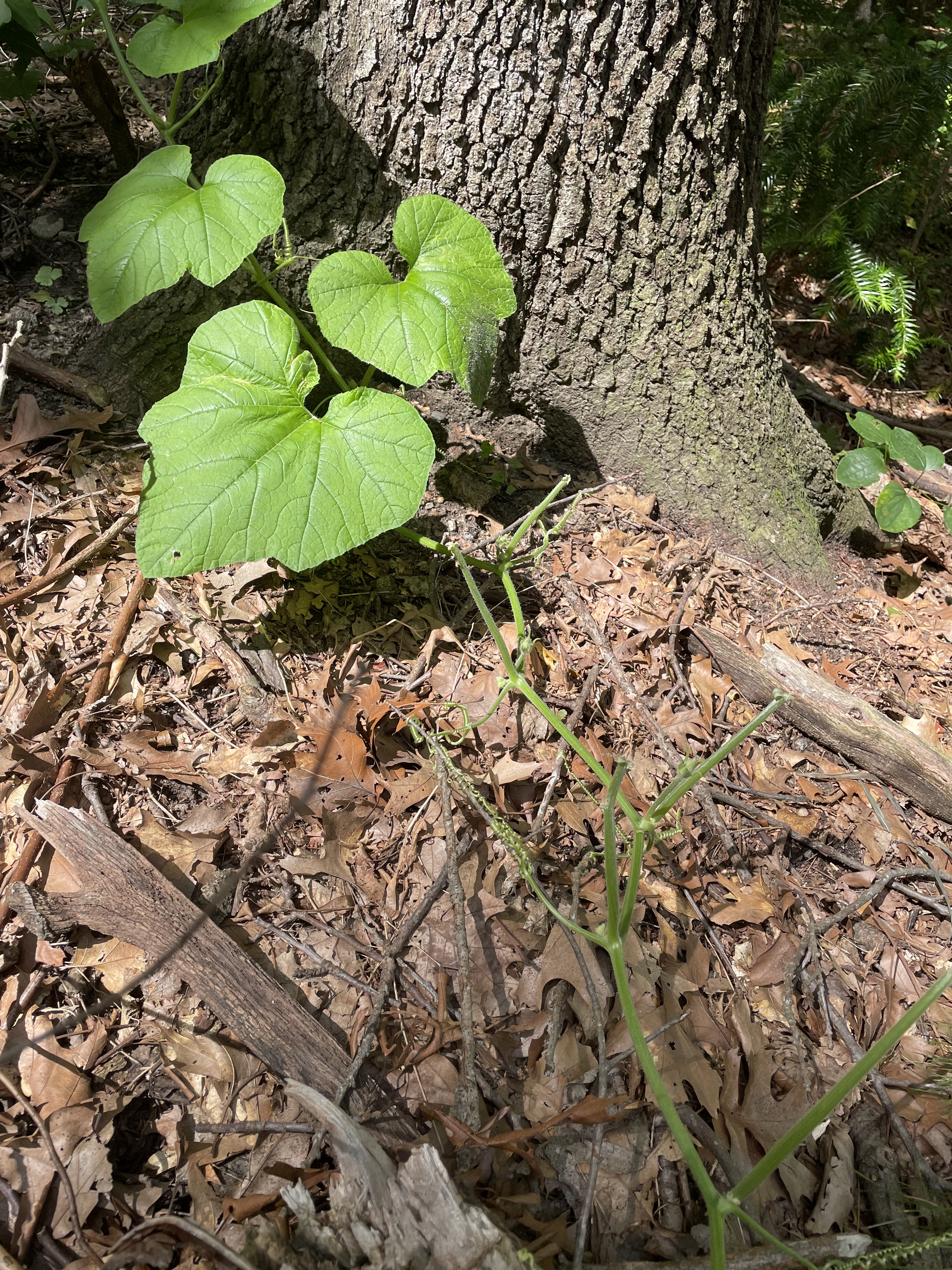
Not an easy row to hoe, any wild squash is difficult to establish due to deer browse. I keep trying.
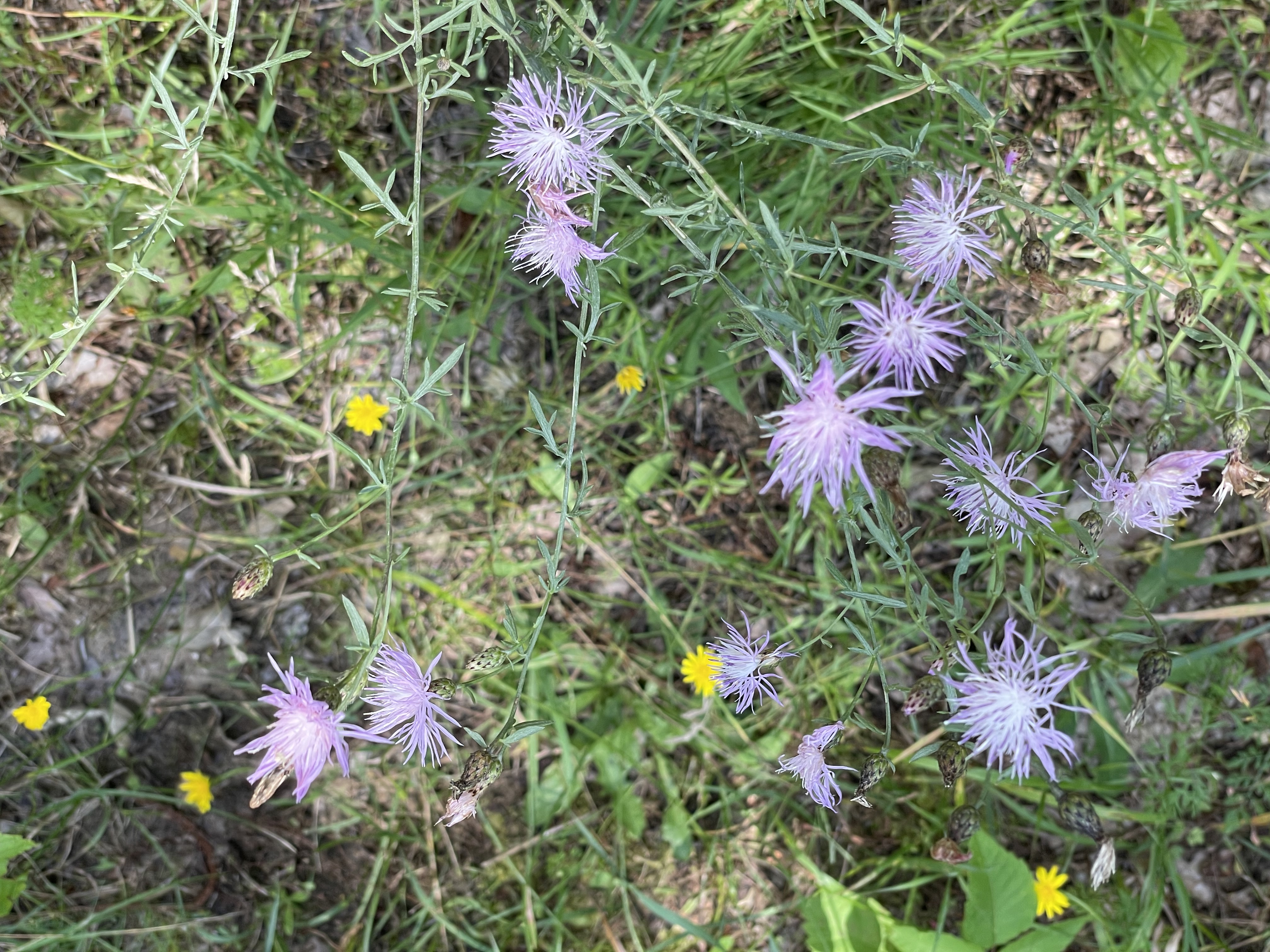
One of the most beneficial plants at my farm consumed by whitetail deer. Star thistle.
A new dwarf species of Desmodium at my farm likely brought to my farm by deer. This is a cool species of which I cannot identify yet. I plan to put some into cultivation to see how it grows and test its seed production.

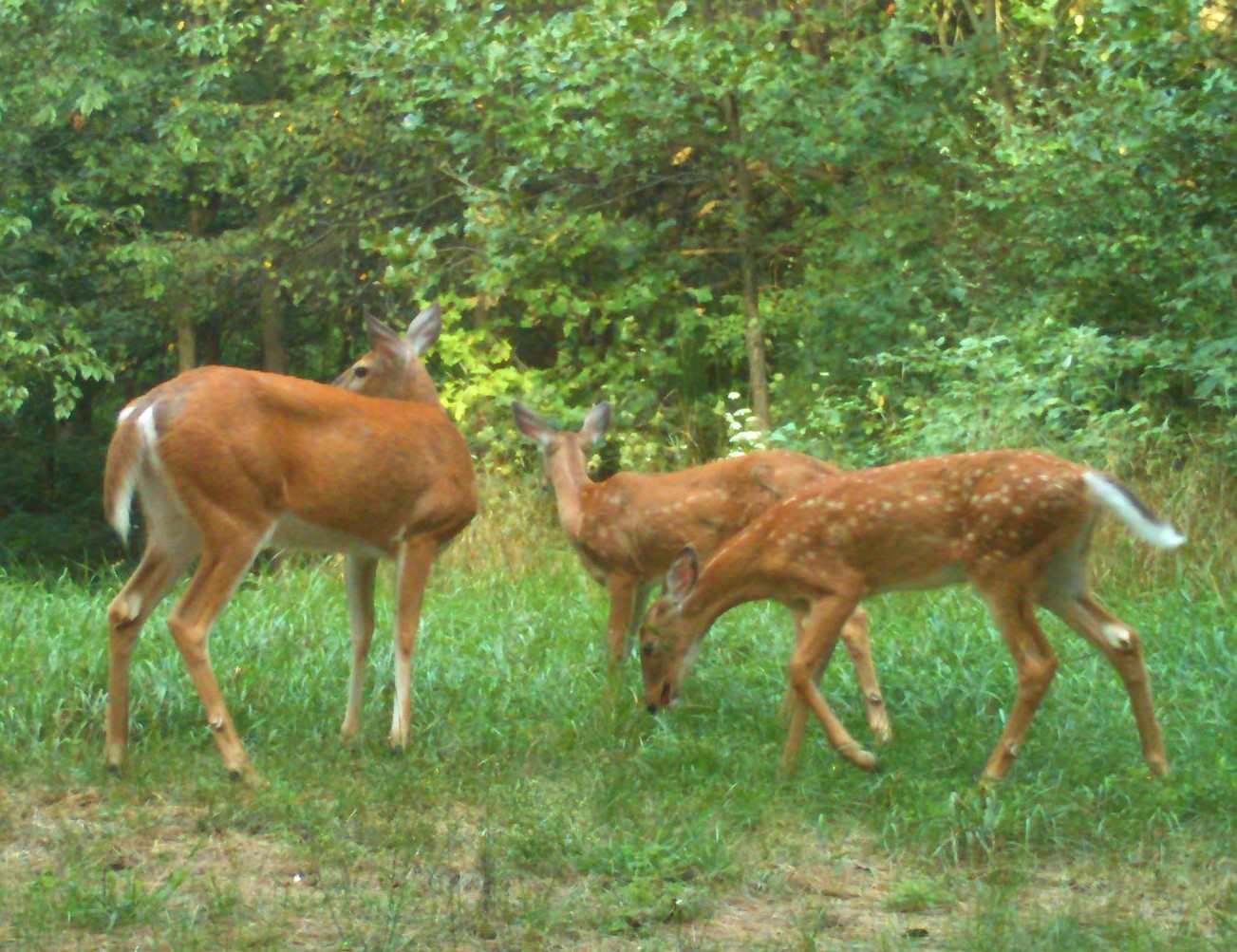
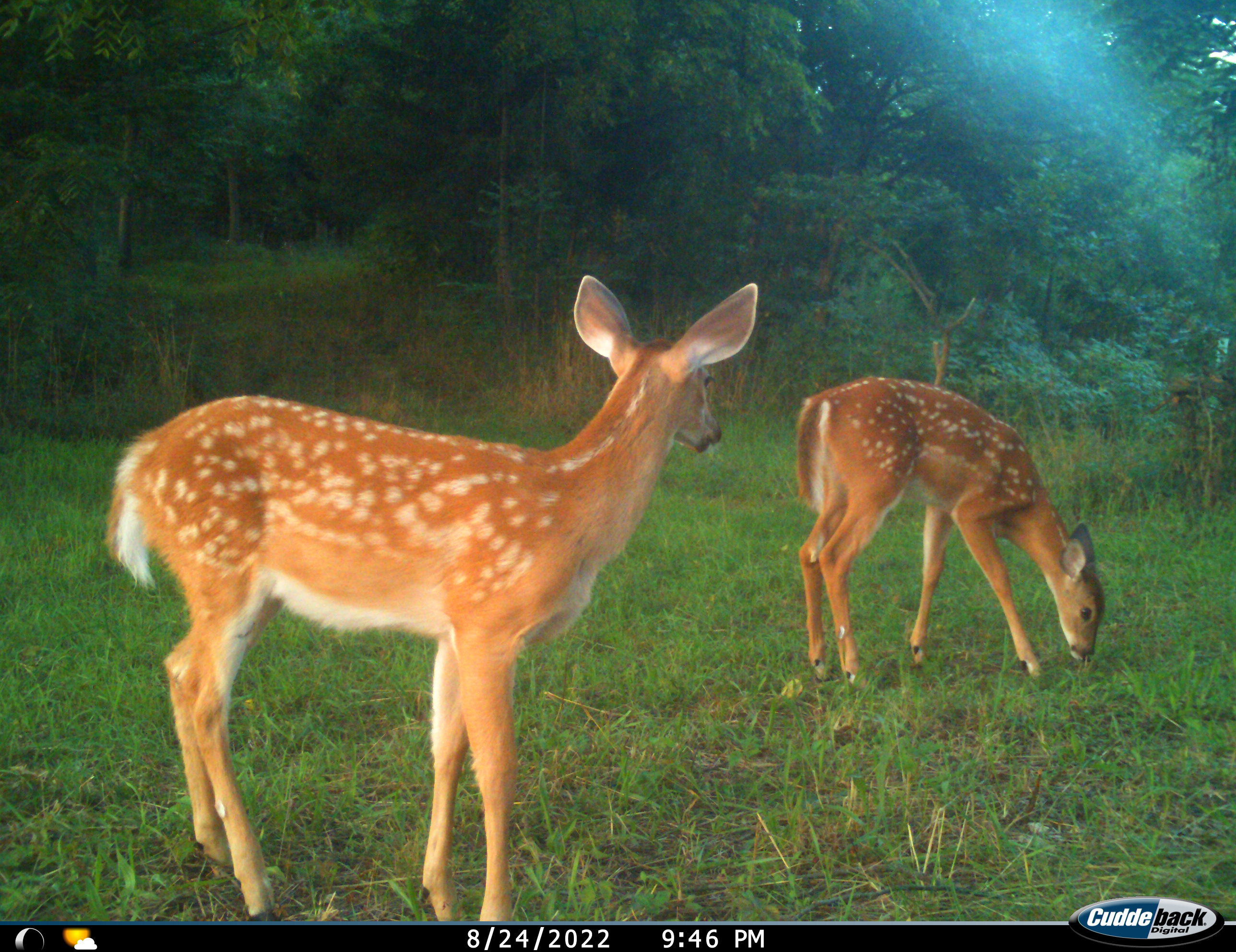
I do not allow hunting.To begin with, my farm is too close to residential homes to be safe and would not be legal. I love the deer and their presence at my farm. I do not feel they are destructive. The benefits clearly outweigh the small amount of food they take from my tree crops. I do not want them killed or managed or whatever you want to call it. The coyotes do a better job of that plus they feed on other animals in the process. It is interesting that my small 13 acres rarely has more than 3-4 deer at a time on site. I found out a few winters ago after a light snowfall that many deer from outside my farm come in to feed at night before retreating to the heavily forested areas and a nearby wetland.

It is through the white tailed deer that land can rebound by increasing plant diversity, improving habitat for other animals. Their waste feeds other plants with its nutrients while cultivating the ground with its hooves allowing for greater water and nutrient penetration. To me the white tailed deer is a perfect animal doing everything it can to shape my vegetation into a greater whole while asking for so little.

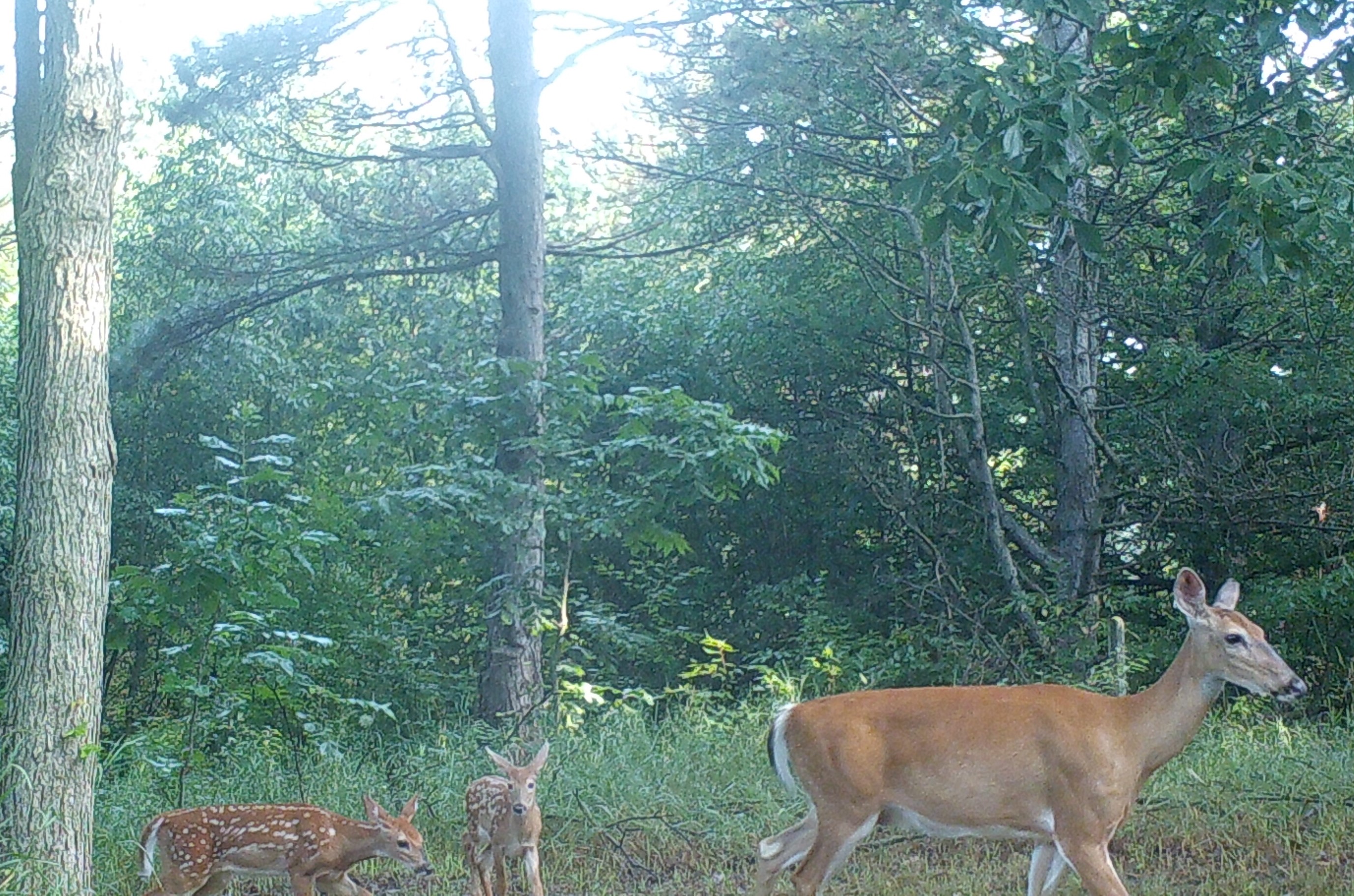
People have told me stories of specific deer they have gotten to know a little. For many years there was one female deer that did not run away when I was working in the fields. I was a steady fixture with my shovel harvesting field trees for the nursery. I would turn away or walk at an angle to her. Once I saw her giving birth. She looked at me from a distance but did not move and then looked straight ahead. I turned away. There was a certain trust built up over the years. One day she was consuming grass in a recently demolished greenhouse area about 40 feet away from where I was standing. I could not figure out at first why she was eating Johnson grass of all things.Then I saw the buck sitting on the ground about ten feet away from her. He was not moving and with my presence probably was on the verge of bolting. I quietly slipped into the barn and lightly closed the door. I will let that play out on its own in this ecological theatre I call my farm.

Yum Star thistle.
Low valley area with pasture grasses
The doe on the left is the one in my story above.
Posted in Diversity Found, Ecology-Biodiversity-Integration, Miracles of Nature | Tagged , , , , , | Comments Off on The Deer Solution

Michigan Oranges

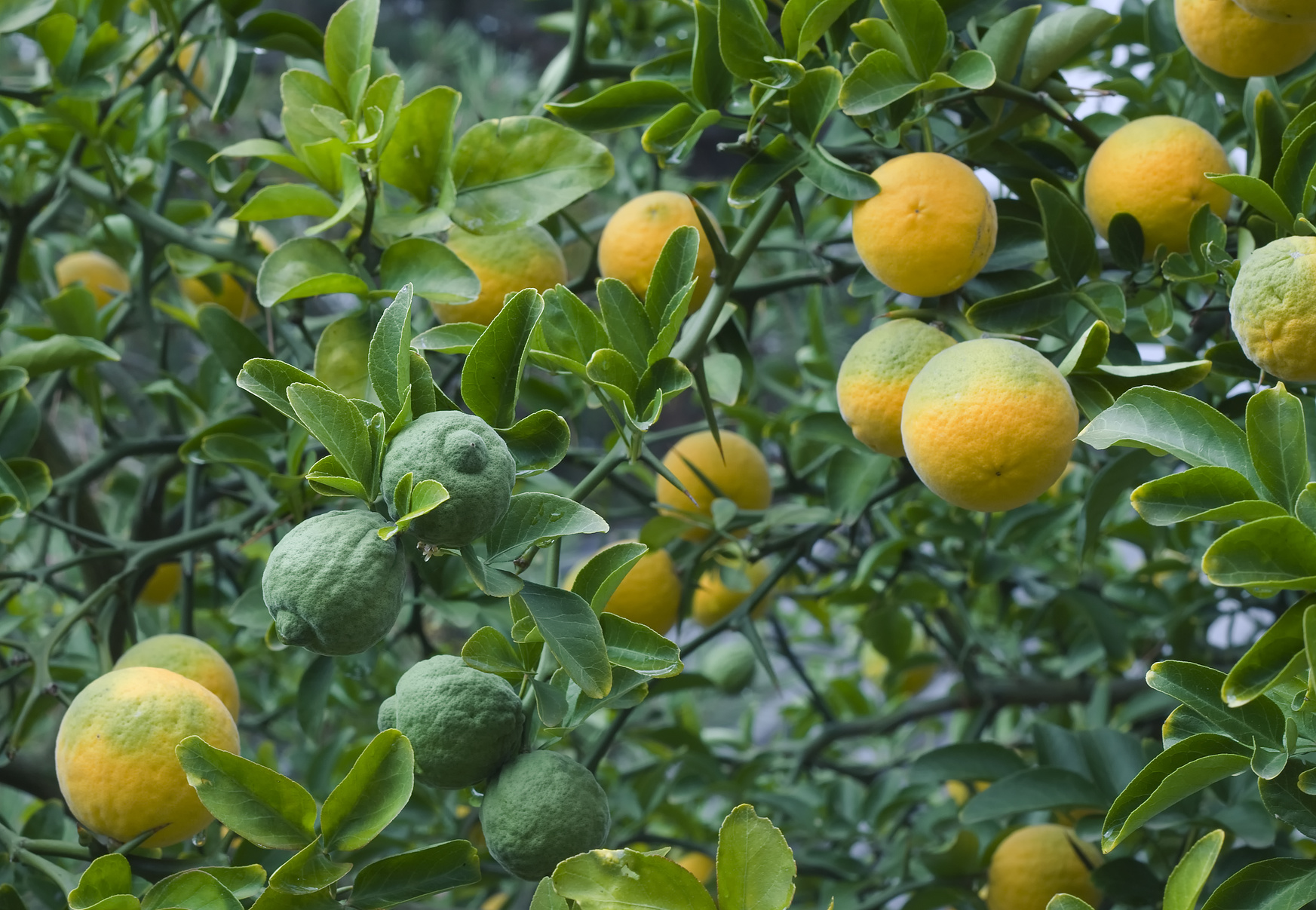
Poncirus trifoliata. Japanese Bitter Orange. Hardy Orange. Trifoliate Orange

Not too long ago, the USDA sent me a newsletter that contained a snippet of nursery catalogs from the early 1900’s. It is interesting to see the drawings and written descriptions of plants used in gardens at this time. This was at a point where gardening became possible through the mail and new plants could be ordered via the U.S. Postal Service. Like the Sears and Roebuck catalogs before them, plants could be written about in wonderful prose featured in a print media. This allowed you to think about your gardening ideas and what types of plants you want around your home. Before the era of credit cards, you would just write out a check or send cash. Prior to the internet, this was exactly my business model 80 years later!

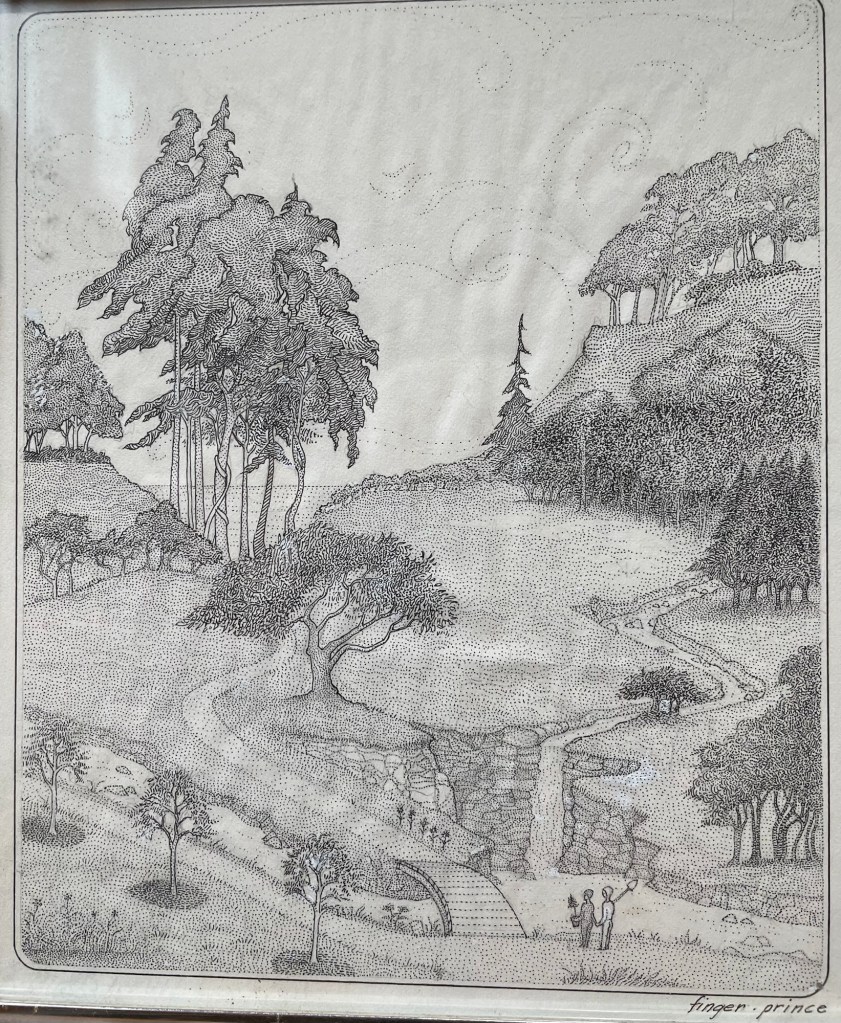
This is one of the first catalog covers done for Oikos Tree Crops by Finger Prince circa 1980’s. This was the beginning of finding artists to help capture botanical images in my catalogs. Finger Prince was deep in meditation until noon so you had to call later in the day to discuss your project.

As I scoured through the catalogs there it was in large font; HARDY ORANGE. I thought I was a pioneer of the trifoliate orange. Evidently it has been around a while. It was by accident I began to grow this species fruit in Michigan starting with an arboretum seed collection from overseas from a Zone 5 location. I started the seedlings in the 1990’s. I really didn’t know what to do with them. I remember thinking that a normal Michigan winter would likely destroy them. It didn’t. It turned out that the zone 6 rating for the species is accurate along with the ability to withstand the cold winter winds. The leaves are not evergreen in my climate.

There are few if any mature trifoliate oranges today in any northern landscapes. My guess is the early 1900 plants disappeared entirely as peoples tastes in plants changed along with incredibly cold winters. Michigan State University has one in Beale Gardens in Lansing, Michigan which puts it into a zone 5-6. There are others. One mature large plant just outside Philadelphia is in a public garden.The late Adam Tuttle had a sizable hedge created from them in Kentucky. The seeds and plants he produced were grown at my farm for sales. His planting gained national recognition for its hedge like qualities. The whole idea of growing citrus in cold climates is not universally accepted as a fruit possibility. The quality of the fruit comes into play making the trifoliate orange the crabapple of the orange. You can see by searching the species on line the whole range of experiences from weed to the holy grail.

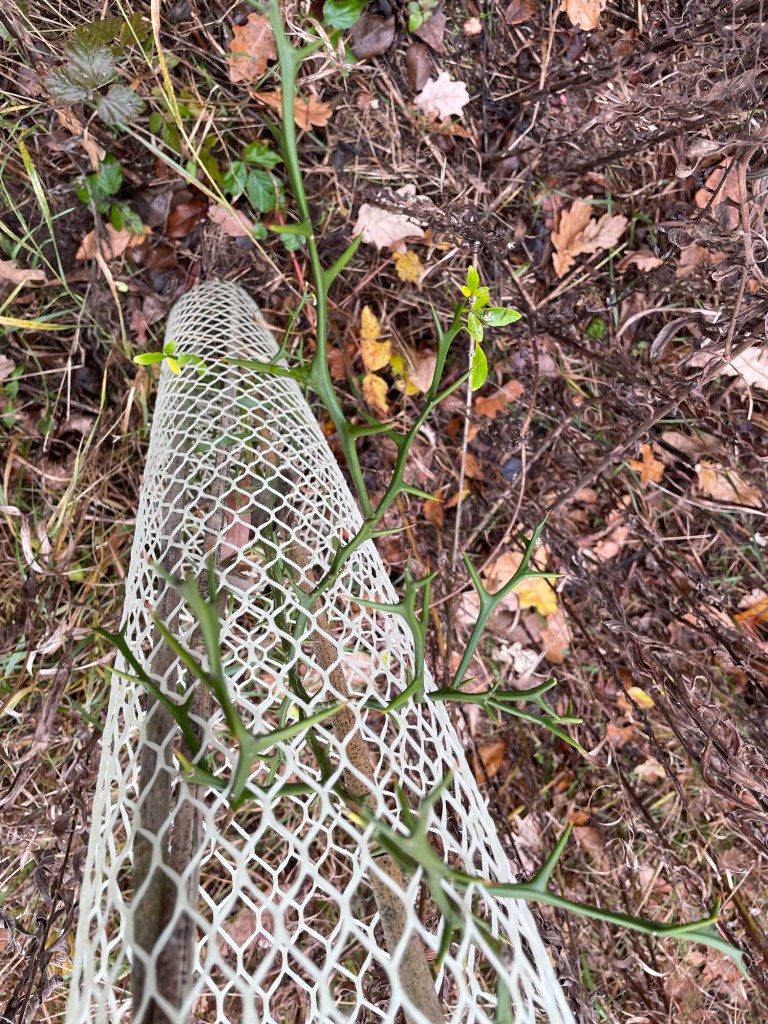
The thorns of the hardy orange “protected” by mesh tree guard. The deer love the foliage of this tree in winter.

This hardiness aspect of it is not that far off, to the point that it would not take too big of a population to find hardier selections along with higher quality fruit with less seeds. There are hybrid selections of it too filled with unique possibilities. What is stopping anyone from doing that? Nothing. It is not on anyones plant radar. For a while I was trying to obtain 50 lbs of seed from abandoned rootstock trees in Florida and Georgia. There is a lot of them because of failed citrus orchards from cold snaps. There are very few seed companies that offer it. I get the feeling the seeds are not treated properly. Some of the seeds I have received are over dried. They would just rot going through dormancy. With that in mind, I had the thought to travel to these southern citrus growing areas which I could load up on fruit. I would then process it at my farm in Michigan. I have a Dybvig seed cleaner which tends to atomize fruit pulp. It would fill my barn with a wonderful citrus aroma. If you were to grow upwards of 10,000 trees you could easily find significant diversity even at an abandoned rootstock level. It would be a good start for the Michigan orange.

The plant does have a few attributes that might need our attention in terms of cultivation. When individuals look at a new or emerging species of fruit for cultivation, they often do not see the full picture. A plant breeders goal is not always aligned with the plants evolutionary history and its connection to cutures already in use. In the United States the trifoliate orange is a rootstock plant for oranges, a weed tree and an ornamental plant all in one. No one is cranking out selections to eat. A whole industry of citrus is being ignored only because it seems so hopeless to begin with. Citrus is also not a particularly easy crop to produce. There are many diseases and insects in citrus farming and maybe importing the fruit from far away countries is not so bad. This importation is not a solution. It’s a work around. Either way it is likely the citrus industry in the United States will move north.

In the meantime, I dream of a Michigan citrus industry filled with the fruits of a very hardy orange rich in vitamin C. I love the idea of a syrup made from the whole fruit or even a natural pesticide made from the peels. Maybe the fruit will be small and kind of seedy at first. The plants may be too thorny and the trees kind of a pain to work around. It may not matter because we love the orange. What if we could have that in our backyard and not have to import it from thousands of miles away? The weedy little rootstock tree becomes our savior in the end creating a new industry in its wake. Now if only I can find an abandoned and dying citrus planting rich in cross pollination and great diversity. This is a good place to water the root of ideas.

Enjoy. Kenneth Asmus
Posted in Diversity Found, Ecology-Biodiversity-Integration, Miracles of Nature | Tagged , , , , , , , | Comments Off on Michigan Oranges

Pawpaw

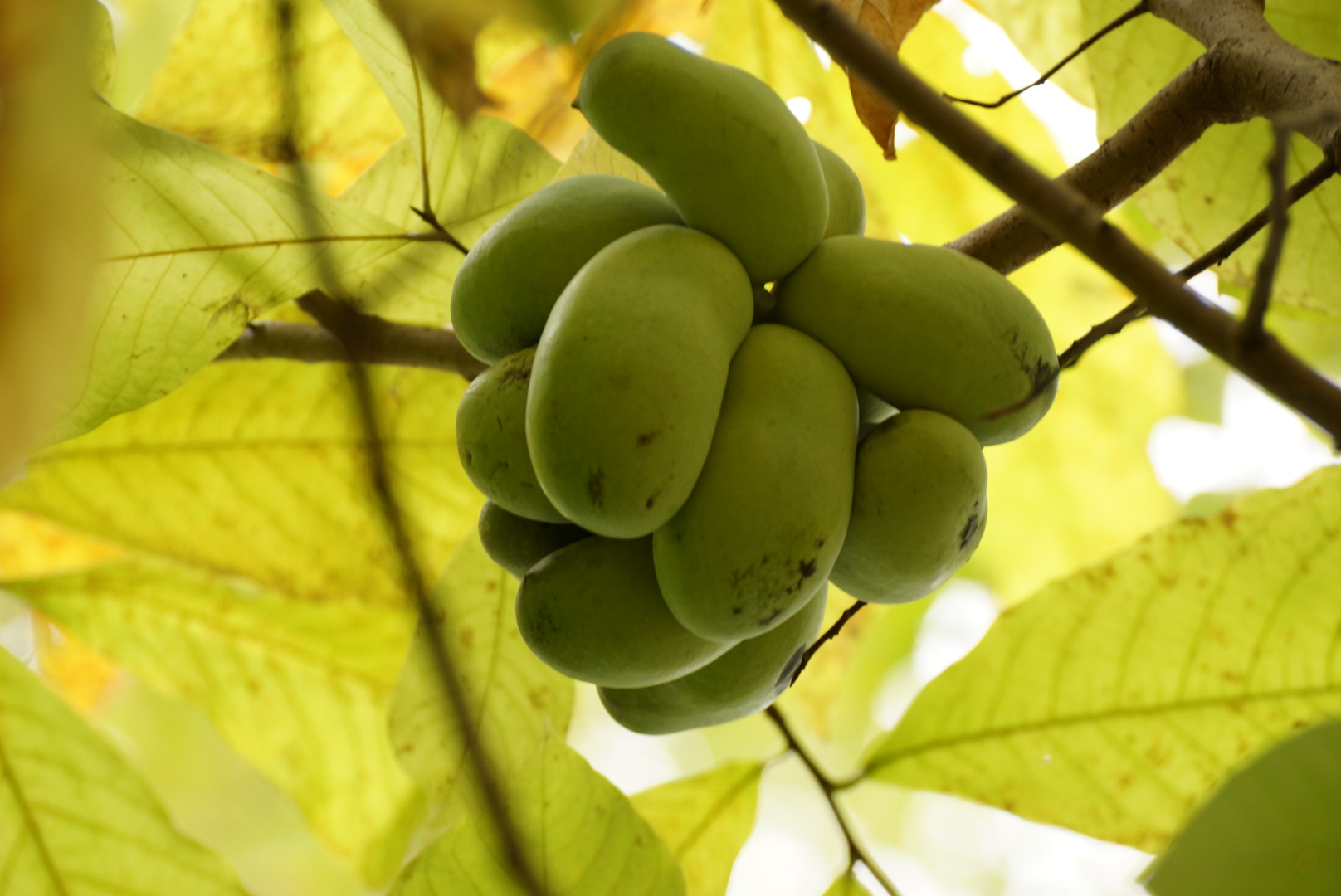
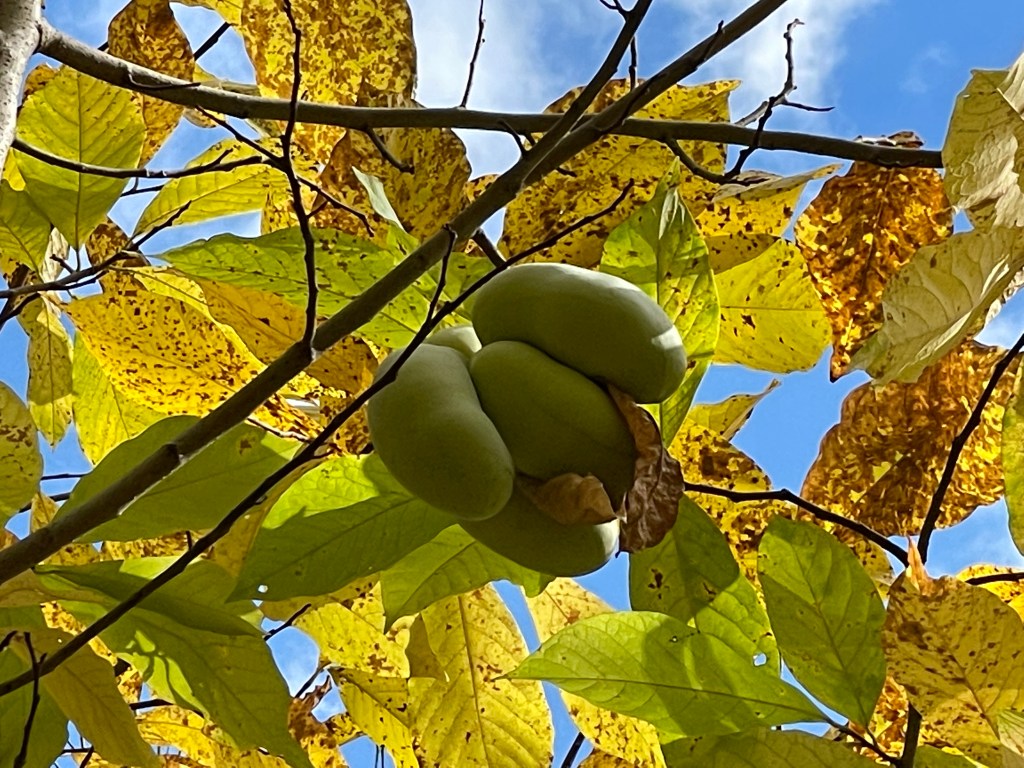
I always felt the pawpaw was the Sasquatch of fruit. I read about it in college. Later several people told me they had seen it. My botany teacher told me of a huge colony. I think someone showed me a fuzzy image of one at the Michigan Nut Growers Association meetings. The images are always fuzzy. They were taken in shade with low shutter speeds and high ISO if there was a choice on the camera. I was not sure where to look for the tree. I knew it lived in my area. I used to jog by a huge long grove but it was a single individual with never any fruit. You need two genetically different trees to have fruit set. There was no commercial seed sources of it and few growers of the tree. The plants that were sold were often dug out of the wild with no roots to speak of. They always failed. No one seemed to care about the pawpaw. The seeds were always over dried in the commercial seed houses. If you were to produce them from seeds, the plants require 50 percent shade the first year or two to get established. No one was willing to spend time with the tree and get it into production. I wanted to see the tree in the wild and how it grew untended. Every now and then I would spot them in the fall with their bright yellow foliage. There was one park that had several nice colonies of them. They grew like shumac with underground runners spreading in the nearby open fields and the maple forest. It was a robust tree but it was not in commerce.

With this knowledge in hand, I began collecting seed and connecting to people who knew the pawpaw tree more than me. The seed collection started by using the park and roadside trees just north of Kalamazoo, Michigan. Several people let me collect in front of their homes where they had no idea what the tree was either. I tried to enlighten them of the values of the pawpaw. To me folks looked confused. If you use the words “Michigan banana” then this paints a picture of tropical wonderment and combines it with a Sasquatch type cult following. I don’t think I was helping and few people wanted to eat them. It looked gross to them. I liked them but not on daily basis. The fruit has to be perfectly ripe and soft to eat but not over ripe. It has to ripen on the tree. Green fruit will make you sick. The skin is not good either and should never be eaten. The jet black seeds are lima bean in size and run along the length of the fruit. The whole thing throws people off. Yet if you eat one of the fruits when perfectly ripe, it is a wonderful treat and has a certain power to it just like an energy boost but with a calming effect. It is hard to explain. You have to experience it. So it was from here I thought having an orchard would help share this fruit when I invited people to my farm. I wanted to use it for seed and plant production too. That part had some obstacles but in the end it did work.

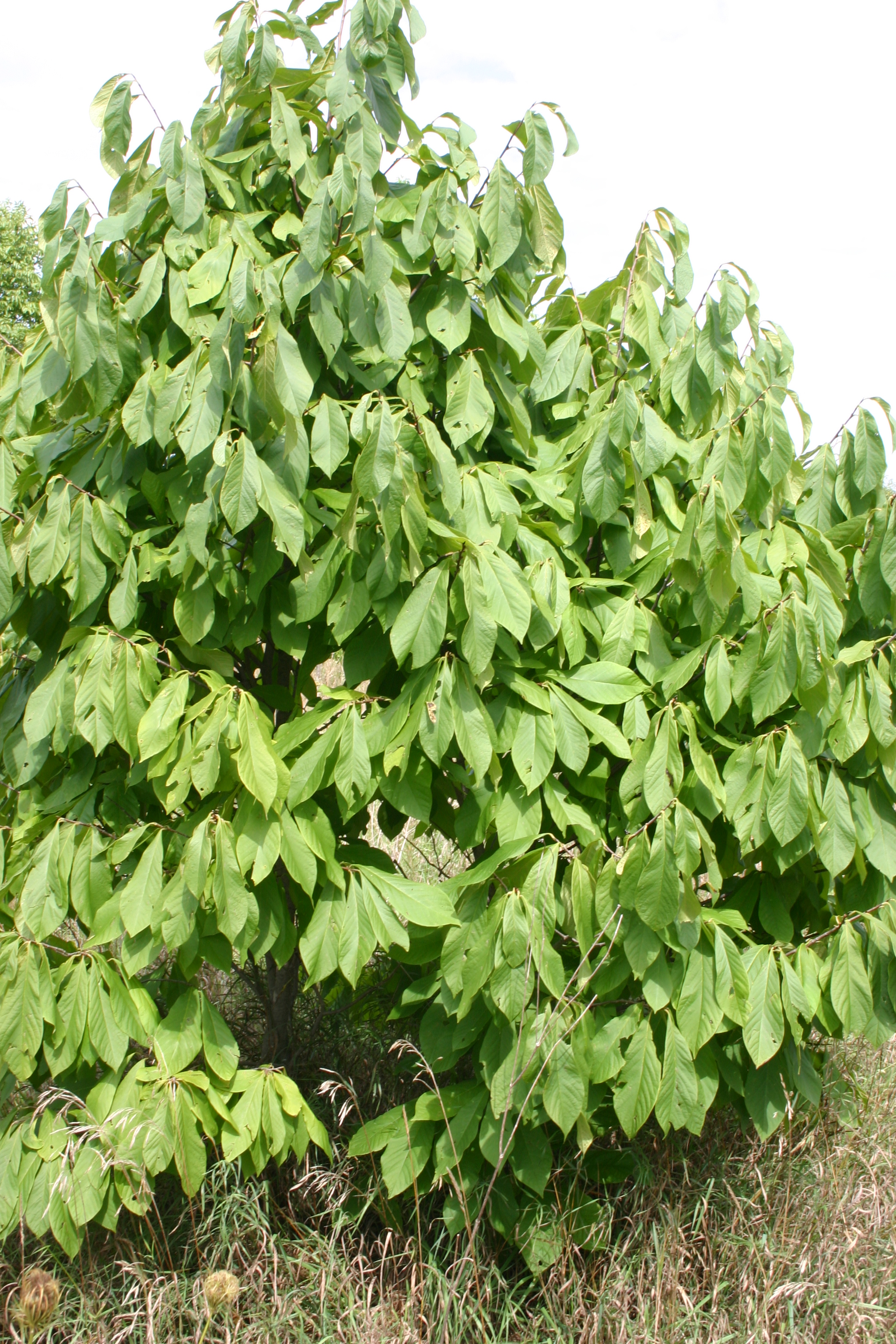
My first pawpaw planting about 15 years old.

Eventually in 1988, I began a pawpaw planting on my farm. At that time it was still a wide open field in many spots. I really wanted a source of fruit for myself but also wanted to produce seeds of the plants. The roadside trees were gettting nailed by herbicides and the yard trees were sometimes cut down by the owners. One of the parks run by the county built a tall chain link fence to prevent people from going into the park near an abandoned parking lot. In the process, they destroyed the trees completely. That was a bad day when I went to visit that fall.

The image above is one of the seventy trees I put out in my field of pasture grass on a windy hillside on that spring day of 1988. They started as little sticks of two foot tall trees grown from seed from the original plantings of Corwin Davis from central Michigan. I found another nursery who produced the trees and he used a back hoe to dig out the small two foot tall trees. They had long skinny tap roots. 1988 was the mega drought year and the trees immediately lost their tops in this location. Over time they resprouted from the root collars and grew luxuriantly past the two foot tall Tubex tree shelters I was using. Today this colony is roughly five times its size and has spread out into my walnut and pear orchards. Many of the original trunks are now long gone but the roots continued in great robust fashion. This is the part of the tree I love. It is a colony producer and will grow as an understory tree fruiting under oaks and walnuts constantly replenishing itself. You could probably age a wild planting to some degree just by the ground it takes up. The tops of the trees last roughly 20-30 years before the root suckers take on the new job of fruit production. That is a wonderful system of plant replacement when you have a seed that is filled with toxic alkaloids that no animal will eat it or even move to any degree. It just falls to the ground.

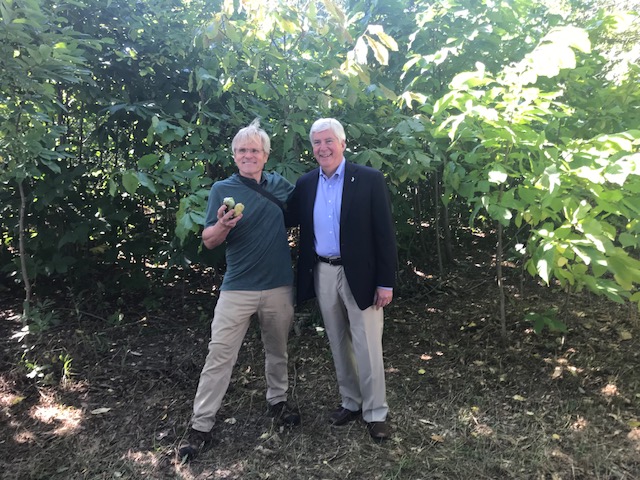
Here we are all those years later and so many wonderful things happened in the pawpaw grove. And continue to happen. An escaped pet pig visited once and left his calling card. He loved the pawpaws. The governor of the state of Michigan came along with his secret service. He laughed hysterically as I shook the trees while the fruit missed his nice blue suit falling all around him in a uniform pattern. The sound of the fruit hitting the ground caused joy for us all that day. My family, employee Tracy and the secret service all laughed. This is what happens when you visit the pawpaws. All the shackles drop off: the heavy weights are gone and there are no barriers. It reminds me of a story from India where a certain plant is in great abundance to the point that even the tigers are calm and unthreatening in this valley. Some say it is the purity and silence of the saints that live in the caves. Others say, no it is the herb. And others say it is both. Once in a while you will see on the wildlife cameras the possums and unknown people taking fruit not knowing what they were doing and throwing it on the ground after a bite or two. People told me amazing stories of their lives here in the shade of the pawpaws. All the situations seem to get resolved in this dense calming pawpaw environment. I’ve noticed people seem hesitant to leave and go to other parts of the farm. This is the effect I notice. It happens all the time. Most laugh. Some cry. Some go in silence and are moved in ways I cannot gauge.
Govenor Rick Snyder after exiting the pawpaw patch

I created several plantings throughout my farm and as they grow by their stolons, I train them by limbing them upwards and thin the density which creates greater fruit production. It is solid shade in most of these plantings with no understory of any type. The pawpaw may have a bit of an alleopathic propensity leaving the ground free of plants. The leaves are thick at first in the fall but are completely broken down by early summer the next year. The ground is smooth and easy to walk on like a super highway accessible from any direction. Even the multiflora rose and brambles disappear entirely.

What can be learned from the pawpaw grove? We need more of them spread out though the southern part of Michigan where the wind, water and sun are just right for this tree in giant colonies free of toxicity of modern society and rich in flavor, nutrition and health. Even if it is only eaten once, it is enough. The experience is there and people will remember it forever especially if it is connected to the land and the farmer or person who created the grove. Then there is an association to the fruit and the dynamics of the environment of the Michigan banana.

Farmerless fields can be long country roads where the pawpaw would flourish but only if we discontinued all herbicides. Shade loving pawpaw thrives in these often neglected roadside ecosystems where all organic matter accumulates in great abundance. It’s a win-win.

Posted in Diversity Found, Ecology-Biodiversity-Integration, Miracles of Nature | Tagged , , , , , | Comments Off on Pawpaw

What Happened To Corn?

If someone came back from a 9000 year journey and saw corn today this might be their first question. What did happen to corn? It is funny to me as this question came to me last year from a colleague who was visiting my teeny plantings containing teosinte. “Ken, what is this?” I thought he was going to say, “Bro. This blows.” There was some vague recognition that this was corn, but essentially I had changed it to the point of no return. I had reduced its yields to less than one percent of its current glory and created something unrecognizable and frankly useless by today’s ‘corn’ standards. To me it was perfect and exactly what I was hoping for. I cannot take credit for it but I did set the stage hoping for an outcome of any magnitude. I was thinking of teosinte as a new crop filled with possibilities as a new type of grain. It was not corn anymore. I wanted to see what our ancestors left behind and why. I don’t care about breeding. That is a waste of time. What I wanted was a population of plants that you could no longer control. Over time it would continue to expand in terms of its diversity and ultimately become infinitely diverse. This would be the engine of creation for the corn plant. If you plant it, it will manifest or express itself in novel ways never before seen in each new generation. I like that idea. Full creative genius corn plant in control of its own destiny.

Over the course of a decade of growing out this wonderful species called northern teosinte and using its natural crosses, I found that the corn we know is a distinct species separated by a huge expanse of time from its original line up of species corns. It is such a distant relative that the chances of naturally crossing are incredibly small to non-existent. People have tried and in laboratory experiments you can clearly see the non-results. The columns were filled with zeros out of thousands of attempts. It is super rare hoovering around the one in a thousand chance. I was fortunate that it did happen to me because it opened a door and gave me a wonderful treasure of diversity to explore.

As I continue to grow it at my farm I soon realize its value as well as understand why we left teosinte. The whole structure of the ear and seeds make it difficult to use. Some of the plants have kernels that are spot welded to the cob. The cob has a husk and sheaves that clasps the seeds tight so even in my seed processor it is hard to dislodge them all. The cobs contain all three types of corn including sweet, pop and dent. There is huge color variation. As a grain crop for human food, teosinte will add new flavor, texture and a greatly enhanced nutritional profile than our current corns. I am focused on the five percent of all corn grown that is used for human food. This is the area I think that will make the greatest progress in terms of health benefits to humans and a much lower environmental impact. No fertilizer should be used. No GMO is needed. No breeding is required. No irrigation is necessary. It is a plant that is more grass than corn and likely could be grown in drought conditions with poor soil. I can imagine the density of the plants will increase the yields. Geographical selections can be done over time including shorter season selections for more northern areas. You are combining sweet, pop and dent corn all in one giant collosal soup of diversity so this will add to its flavor and use as a grain for cereal and flour. Is it corn? No. It’s not corn. It’s a grass called teosinte. Is it really teosinte? No. It’s inbetween the two worlds of wild and cultivated both of which revolve around the same sun.

What did happen to corn? It took a hike, saved humanity and then went back home to take a small break. It needs to rest.

Bottom two green seed stalks are gamma grass another close relative

Posted in Diversity Found, Ecology-Biodiversity-Integration, Miracles of Nature | Tagged , , , , , , , | Comments Off on What Happened To Corn?